
Dr. Roberto Miranda
389 Devotionals
Born in the Dominican Republic and raised in the United States, Dr. Miranda excelled academically at Phillips Academy, Princeton University, and Harvard University. Although his initial path pointed towards a distinguished academic career, God's call changed the course of his life, guiding him towar…
Devotionals
Testifying to What God Has Done
The woman with the flow of blood was healed when she touched Jesus, and her faith made God’s power evident. Although the passage leaves a mystery about what Jesus knew or had intended, it shows that he distinguished her touch from those of the crowd. We too can approach him with faith, persistence, and humility: God perceives the stirrings of every heart, even when we feel anonymous. Jesus is not
More →The Smallest Touch Unleashes Boundless Power
The sick woman made her way through the crowd and touched the edge of Jesus’ cloak. Her perseverance encourages us to seek the Lord despite obstacles and prolonged suffering. That small touch was enough: we do not need to have our lives figured out before approaching God; an act of faith can open the way to his mercy and power. She may also have attributed special power to the cloak. Even if her u
More →Desperate Situations Need God's Intervention
For twelve years, the woman with the flow of blood suffered weakness and social isolation. After seeking help without finding relief, she approached Jesus despite the risk of breaking the law that forbade her to touch others. Her faith encourages us not to give up in the face of prolonged suffering: God has a plan and can intervene even when human solutions are not enough. We should not always tak
More →Our Faith Changes the Lord’s Agenda
As Jesus went to answer Jairus’s request, a woman who had been ill for twelve years touched his cloak and changed the course of his journey. Though she seemed to have no place among those who could expect help, her faith brought her out of anonymity. Her situation reminds us that we have all sinned and need God’s grace: the Kingdom welcomes the humble and needy, not those who consider themselves r
More →Eternal Pillars for True Justice
The word and values of God’s Kingdom are the foundation of a truly just society. Our moral reasoning is not enough: the heart can deceive us, and what seems right can lead us astray. Without God’s eternal wisdom, a culture is vulnerable to relativism and may confuse good with evil. It may also call selfish preferences, the interests of those in power, or passing trends justice. We need the mind of
More →The Charisma of Jesus Christ
The crowd pressing around Jesus on the way to Jairus’s house shows how deeply his power, teaching, and compassion drew people to him. Faced with a ritualistic religion lacking the power of God, people sought healing and life in him. Today, too, people may turn to ministries where they find faith, prayer, humility, and dedication, even if those ministries lack sophistication. Popularity does not gu
More →The Lord Cares for the Humble but Regards the Proud from Afar
Jairus, an influential synagogue leader, and the sick, marginalized woman stood at opposite ends of society. Yet Jesus cared for them both. Neither wealth nor poverty determines our acceptance before God; what matters is the disposition of the heart. Jairus fell at Jesus’ feet and pleaded for his daughter, while the woman recognized Jesus’ power and sought to touch him to be healed. Their example
More →Spiritual Warfare Is a Reality in the Believer’s Life
Jabez ends his prayer by asking God to deliver him from evil and keep it from causing him pain. Evil seeks to make God’s children stumble and rob them of their blessings; therefore, we must stay watchful, put on the armor of God, and pray with authority to protect ourselves and our loved ones. We must engage in this spiritual warfare every day as a natural part of life, not with obsession or anxie
More →The Christian Life Must Be a Life of Power
Like Jabez, we can ask God to enlarge our territory and dare to undertake new things, trusting in his blessing. His hand with us means power and protection: he intervenes to defend us, make a way, and remove obstacles. That is why we need his support and authority in our endeavors, not just knowledge or theory. The Christian life requires energy, diligence, and faith to move forward. Let us cultiv
More →God Is Eager to Bless Our Efforts
As children of God, we can expect his blessings and ask for them with confidence. Jabez asked not only for a blessing but also for God to enlarge his territory—a wider sphere in which to act and serve. We should not settle for our present limitations. We can dream of growing in our studies, work, church, or knowledge of the Word, and take concrete steps even when we do not know which will bear fru
More →Blessings Come with Obedience
Jabez dared to imagine a different future and ask God for blessing, a larger territory, his presence, and protection from evil. His prayer encourages us to express our desires passionately and to make each request specific. To ask for blessing is to desire to live under God’s approval, made possible through Jesus Christ and extending to the different areas of our lives. Although this truth has bee
More →Visualizing What God Has for Us
The prayer of Jabez encourages us to turn to God with urgency and imagine the life we ask him for. God may wait before answering while our requests are purified of selfishness, come into alignment with his will, and we mature enough to receive the blessing without wasting it. Daydreaming and visualizing what we desire are part of prayer and can strengthen our faith. Just as Moses looked toward wha
More →Passion Is Required When We Pray to the Lord
Jabez bore a name associated with pain, but he found another way: he called upon the God of Israel. When we pray, we turn in faith to a powerful God who knows his people and can change our circumstances. Jabez’s “oh” expresses the urgency of his request. We should therefore not settle for lukewarm or casual prayers, but ask with passion, focus, and clarity. Sometimes God waits until our need reach
More →Formative Seasons in the Wilderness
Pain and sorrow can leave us unable to move forward, but they can also shape us when we see them in the light of God’s purpose. Trials led Peter to recognize his limitations, Paul to depend on grace, and Moses to be prepared in the wilderness. Likewise, Jabez’s suffering may have shaped a heart willing to seek something different. Let us not allow difficulties to make us bitter or resentful: our c
More →Let Us Not Run from Pain
Jabez’s name was associated with pain, but pain did not define his story. Scripture describes him as more distinguished than his brothers: a person of weight and substance who called on God for blessing, more territory, His presence, and protection from evil. God granted what he asked. Perhaps suffering helped shape his character and prepare him for that prayer; we do not know the details of his c
More →Our Words Have Power
Our words have the power to bless or harm. As parents, we should avoid criticizing our children or making negative statements about them, because we exercise spiritual authority over them. We must also be mindful of what we say about ourselves: expressions of defeat can affect our efforts. Even in difficult times, we can praise God, speak His Word, and declare His good will in faith. If we have ex
More →There Is Power in a Name – Part 2
Jabez’s name, meaning “pain,” arose from his mother’s suffering and placed a burden on his life. Jabez responded by turning to the Lord in an expression of faith to change his destiny. The name changes of Abram, Benoni, Jacob, and Sarai show the spiritual importance of names: they can be associated with sorrow or deceit, but they can also express blessing and a new identity. Beyond names themselve
More →There Is Power in a Name – Part 1
Jabez was given a name associated with the pain of his birth, but he was not bound to that fate. He called on the God of Israel and asked for blessing, a larger territory, God’s presence, and protection from evil; God granted his request. His story encourages us to pray in faith, bring new possibilities before God, and await his answer: prayer can transform wounds, circumstances, and the course of
More →God Uses Different Ways to Work His Miracles in Our Lives
God works miracles in different ways. Sometimes a word is enough, and the answer comes immediately; at other times there is physical contact, symbolic action, a gradual process, or a long wait. He can also work through doctors and medicine, and sometimes his answer is not yes. When faced with the Shunammite woman’s dead son, Elisha prayed, stretched himself over the boy twice, and waited until the
More →Spiritual Authority
Distressed by her son’s death, the Shunammite woman goes directly to Elisha and speaks frankly to him. Her attitude reminds us that we can approach God with confidence and express our pain, anxiety, and doubts without fear of offending him. When Elisha sends Gehazi with his staff, she insists that the prophet come in person: she discerns that her need calls for more than a symbol of authority. Eli
More →The Importance of Setting Aside Every Distraction
Faced with the loss of her son, the Shunammite woman sets out determined to find Elisha. She does not stop along the way or prolong her conversation with Gehazi, because she recognizes the depth of her need. Her example calls us to set aside distractions and bring our requests to the Lord with passion, persistence, and a clear purpose. Fasting can help us not only by having us abstain from food, b
More →We Must Guard Great Visions
After her son dies, the Shunammite woman asks her husband for the means to go quickly to the prophet. She trusts that the God who gave her the child can restore him to her. Her husband sees the visit only as a ritual act, while she is on an urgent journey of faith. That is why she does not yet tell him about the death: she needs to stay focused and avoid possible obstacles. At such times, we must
More →Moral Sin Leads to National Disaster
A nation’s lasting prosperity cannot be sustained by material reforms alone; it needs sound spiritual foundations. The financial crisis exposed the greed and deceit of corporations and leaders, but also the responsibility of citizens who spent more than they earned and took on debts they could not repay. Bernard Madoff’s fraud revealed, on a large scale, an immorality that had already affected the
More →Competing According to the Rules
When we trust in Jehovah and ground our lives and ministry in the Word, we seek lasting fruit, not quick results or popularity. We must resist methods that contradict the Gospel, even if they seem effective and obedience requires us to wait. The examples of Abraham, Saul, and Asa warn us that getting ahead of God or resorting to illegitimate means brings costly consequences. As spiritual athletes,
More →Adversity Can Come in Any Situation
God gave the woman a son through Elisha’s prophetic word, but years later the boy fell ill and died. That blessing did not exempt him from the risks of ordinary life: God’s miracles are specific, and adversity can reach even those He has blessed. Sometimes such trials open the way to a deeper relationship with God and reveal other dimensions of His power. The woman did not give up: she took her so
More →The Lord Will Grant the Requests of Our Hearts
The Shunammite woman welcomed and cared for Elisha without seeking a reward. When he offered her a favor that could benefit her socially, she replied that she was content among her own people: she needed neither prestige nor influential connections. This contentment reflects the maturity of someone who is not ruled by others’ opinions. Yet God knew her deepest longing: to have a child. Through Eli
More →God Is Never Indebted to Anyone
The Shunammite woman carefully prepared a room for Elisha and supported his ministry without seeking anything in return. Grateful, the prophet offered to speak on her behalf to the king or the army commander, but she replied that she was content living among her people. God does not remain indebted to those who generously invest their lives, resources, and talents in his Kingdom. Salvation is free
More →Awaiting His Visitation
The Shunammite woman prepared a room for Elisha and kept it ready until the day he decided to stay there. Likewise, although we may have offered our lives to God and prepared ourselves to serve him, it may take time for his call to take shape. We must not lose heart or neglect our spiritual lives: let us keep our souls clean and the lamp of his Word burning. God works in us and arranges circumstan
More →In Times of Peace, We Must Prepare for War
Times of peace are an opportunity to strengthen our spiritual foundations before trials come. Each day, we prepare through prayer, the Word, fellowship with other believers, wisdom, growth in character, and the full armor of God. Our inheritance is to live in the Lord’s peace and grace while remaining alert to the enemy’s attacks. Vigilance must not become an obsession with spiritual conflict or l
More →Seeking Greater Closeness and Depth with God
The Shunammite woman discerned that Elisha was a holy man of God and wanted to deepen her closeness with the Lord. She did not merely invite the prophet to eat; she prepared a place where he could stay. She consulted her husband and took the initiative with a concrete plan attentive to his needs. Her example shows that spiritual initiative and respect within the home can go hand in hand. It also r
More →Recognizing Our Distortions
We need to examine the hidden forces and distortions in our character with clear eyes, asking the Holy Spirit to help us discern them. Some will not disappear completely: we will need to bring them under the authority of God’s Word each day, with humility, prudence, and self-control. This does not deny that God can transform us by his grace. Other faults will lose their grip through confession, pr
More →Our Inheritance Is Greatness
Mediocrity of spirit, complacency, and a lack of vision threaten our potential more than failure does. When ignorance of the spiritual laws of success is added to these, our dreams grow weaker. Victory has already been declared over our lives: as children of God, greatness is our inheritance, and we are called to a full, meaningful life that has a positive influence. We do not need to create a new
More →Heroes with Feet of Clay
God delights in working through imperfect people. Elijah had passions like ours, and yet his prayer was powerful. The mistakes of the kings show that our weaknesses can have serious consequences; we must not use them as an excuse for spiritual mediocrity. We are called to seek to please the Lord more each day and to grow in holiness. But we do not need to be spiritual giants to see his glory. As w
More →Our Faith Must Affect Every Aspect of Our Lives
Jehoshaphat strengthened himself in the ways of the Lord and tore down places dedicated to false gods, even though that decision could cost him popularity. His example calls us not to separate our spiritual convictions from our public or private lives. Faith should guide our decisions at work, in our relationships, and in every responsibility we take on, including political office. If a role preve
More →The Person Who Pleases God Will Always Be Blessed
God is not opposed to material prosperity; it often accompanies his blessing on those who please him. But his blessing is broader: it encompasses material, spiritual, social, emotional, and relational life. Psalm 128 calls those who fear Jehovah and walk in his ways blessed, and describes the fruit of their labor and the blessing of their family. Loving and obeying the Lord does not spare us from
More →The Dilemma of Collaborating with Unbelievers
We are in the world without belonging to it: we must set ourselves apart to serve God while also drawing near to others to share our faith. This calling may lead us to collaborate with people and institutions that do not share our values. Dealing with those who are neutral or skeptical is not the same as entering into close partnership with those who openly oppose the faith. We must avoid being un
More →The Gifts Are Forever
As mature believers, we must know the gifts of the Spirit and learn to exercise them, for through them God channels his power to meet the needs of his people. Prophecy informs, instructs, encourages, and corrects. The gifts were not limited to one era: they continue to manifest wherever there is faith and will remain necessary until Christ comes. If we stop expecting God to work with power, we gri
More →Preventive Submission
God breaks and trains us so that our habitual response is to surrender to his will, even when temptation pulls us in another direction. This “preventive submission” springs from humility: like the psalmist, we acknowledge our limitations, quiet our anguish, and trust in God’s protection. Diana’s story shows that enthusiasm and service are no substitute for obedience; despite a painful experience a
More →God Moves in an Atmosphere of Faith
Faith must not remain passive or be merely a vague, weak belief. God responds to dynamic, fervent, expectant faith that dares to act, trusting in his support. We must therefore stir up and exercise our faith at every opportunity. Pastoral teaching and consistent practice help form people and congregations who expect God to act supernaturally rather than relying primarily on human initiatives. When
More →God Supports Those Who Are Resolute
Indecision and double-mindedness distance us from the spiritual life that pleases God. We can have resources and influence, like the church in Laodicea, and still be spiritually poor because of our lukewarmness, worldliness, and lack of consecration. God calls us to leave our former ways behind and live wholly devoted to Him, with our eyes fixed on eternity. The gifts of the Spirit and the power o
More →Maturity in the Use of Spiritual Gifts
We need to teach and practice the spiritual gifts, neither denying them nor falling into fanaticism. God has provided them for the vitality of his people and for the tasks he has assigned them. Their use requires mature leaders, sound instruction, and discernment: not every prophecy is true, and abuses need correction. The gifts must be exercised in balance with the fruit of the Spirit and in acco
More →God Wants a Realistic People
God wants us to live with clear eyes: to acknowledge our limitations, struggles, and concrete problems without denying them or becoming obsessed with them. Faith does not exempt us from doing our part. Before expecting God to intervene, we must examine what led us into a crisis, take responsibility for our shortcomings and actions, and make use of the resources available to us. Just as the discipl
More →Do Not Pray Only in Times of Crisis
Prayer, like faith, should not be reserved for times of trouble. It should accompany everything we do, precede our efforts, and sustain our plans and daily activities. Rather than praying only to remedy a crisis, let us devote our best energies to continuous, preventive prayer that strengthens the foundations of our lives. When all is well and our hearts are at peace, it is time to pray persistent
More →Still Believing Amid Complexity
God works in ways we cannot always discern right away. His answers may take time, differ from what we expected, or come amid pain and circumstances that seem to contradict his promises. That is why simplistic models of faith can leave us confused during trials. Even when it seems that God is not listening, we can trust in his sovereignty and love; as we wait, we persevere in prayer. Whether the si
More →Prayer Must Be Specific
Effective prayer begins when we present our needs to God specifically and in detail. God works with purpose and precision, as the timing of creation and the instructions for building the tabernacle show; therefore, he expects us to pray clearly. Although Jesus knew what Bartimaeus needed, he wanted to hear it from Bartimaeus himself. His persistent cry culminated in a brief, concrete request: to r
More →Free to Become All That God Wants Us to Be
Satan seeks to prevent people from fully reflecting the image of God and developing their gifts to bless others. Against this power that destroys lives and frustrates dreams, Jesus brings abundant life and inaugurates a Kingdom of light and truth that restores the purposes of Creation. His power seeks to transform both the conditions of poverty, war, and oppression and our own lives, so that we ca
More →Commit Publicly to Your Prayer
For fear of failing in front of others, we sometimes keep our requests to ourselves; that defensive attitude weakens our prayer. When we make known what we are praying for, we express faith, make a spiritual commitment, and affirm our trust in God’s faithfulness. We can share our goals and visions with people who believe and will remember what we have declared, helping us stand firm when difficult
More →A Life Well Lived: Let Us Run in Such a Way as to Win the Prize at the End
The image of the vigorous old soldier evokes the fruit of a life well lived. Our Christian life is also a race: how we finish matters more than how we begin, and an honorable finish is not guaranteed. Paul ran with discipline, careful not to lose the crown, and could say that he had kept the faith. To persevere, we need prayer, Scripture, fasting, self-examination, and a renunciation of pride. Let
More →Better to Seek Counsel Than to Have to Repair the Damage — When God Puts a Period and Starts a New Paragraph, Don’t Add a Question Mark
An opportunity may seem too attractive to turn down and yet run counter to God’s will. Pressing ahead despite recognizing this leads to loss and disappointment, even if the consequences are not immediate or obvious. Before making important decisions, we should consult God and consider whether our plans accord with the principles of his Word and his will for our lives. If we cannot say that they do
More →Pray Instead of Crying — Boldness and Persistence in Prayer
Life’s battles are faced with determined, persistent prayer: faith must be expressed through continual petitions. Instead of letting anguish overwhelm us, let us bring our needs to God. Sometimes the answer does not come immediately; silence and waiting can help us refine what we ask for, understand our motives, and prepare to receive it. Persisting even when it seems God is not attending to our n
More →Declaring and Believing Are Not the Same
The story of Blondin and the wheelbarrow shows the gap between saying we believe and acting on that claim. Our pious declarations can remain a mental, general belief, without the depth of true faith. In answering the disciples, Jesus showed that they did not even have the little faith they assumed they had. Let us ask the Lord to mature our belief into certainty and conviction. Let us draw near to
More →Seeking Greater Intimacy with the Holy Spirit
The Shunammite woman was prominent in her community, but her standing did not keep her from seeking the things of God. Recognizing Elisha as a holy man, she repeatedly urged him to eat in her home. Her hospitality reveals discernment and a desire to draw closer to God. We, too, grow through the relationships we cultivate: it is wise to surround ourselves with people who love God and reflect the va
More →The Lack of Greater Faith Brought God’s Miraculous Intervention to a Close
God multiplied the widow’s oil as long as there were empty jars; when there were no more, the oil stopped flowing. His provision came through that woman’s resources and participation: she followed the instructions she had received and then had to sell the oil. With the proceeds, she paid her creditors, and enough remained for her and her children to live on. God can answer with more abundance than
More →God Loves Processes
The dreams God places in our hearts require discernment: we need allies who pray and strengthen our faith, rather than spending our energy trying to convince those who do not believe in the vision. His miracles often come through long, gradual processes, sometimes by human means. Like the woman who gathered jars and poured oil into them one by one, we must follow his instructions with diligence, o
More →God Takes Us Seriously
God takes us seriously and wants us to cooperate with Him in His miracles. When Elisha asks her what she has, the widow offers the only thing she owns: a jar of oil. Although our resources may seem insufficient, God works through faith and uses imperfect people so that the glory belongs to Him. Our part is not to remain passive, but to make an effort and act diligently, as the widow and her sons d
More →What Can I Do for You?
When we face a need, we should bring it clearly before the Lord and ask Him for what we need. Although He already knows, He wants to hear our request and an expression of faith. So we should not give up at the first silence, but pray and persist. Elisha’s question to the widow also shows that God invites us to take part in the miracle. By asking what she has in the house, he directs her to the res
More →In the World You Will Have Affliction
Like the widow who came to Elisha, we must cry out to God in times of need. Living diligently for His Kingdom is not a gospel of works, but a way to serve Him and sow for the future. Even those who love God and live holy lives face loss, illness, and other trials; these do not necessarily indicate a lack of faith or punishment. The answer may be delayed or may not be the one we desire: the widow r
More →Being Faithful to God and Seeing Him Respond to Our Needs
The widow came to Elisha in urgent need and recalled that her husband had feared God. Likewise, when we seek to serve the Lord, do His will, and become holy with the help of the Holy Spirit, we can approach Him with confidence. Our good works do not justify us or guarantee that God will grant what we ask; unresolved sin, however, weakens our confidence in His presence. Let us live diligently, serv
More →Lukewarm People Make God Nauseous
The widow came to Elisha in her need, and God multiplied the little oil she had so she could pay her debt and provide for her children. Her cry teaches us to face trials with faith and bring our cause before God. Hezekiah and Hannah also cried out persistently; Hannah received a son, Samuel, whom she dedicated to the Lord’s service, and later had more children. If we desire to serve God and bring
More →A Red-Hot Cry
The widow turned to Elisha when, after her husband’s death, a creditor threatened to take her two sons. Her cry reminds us that, when facing hardship, we should turn first to God rather than let anxiety overwhelm us or rely solely on our own resources. Let us present our needs clearly, firmly, and passionately, and ask Him to intervene. After bringing the urgent need to Him in prayer, we can seek
More →Pray and Wait for the Answer
Let us pray to the Lord with purpose and with the expectation that he will answer, not merely to vent our emotions. After praying, we can actively look for how his answer will come and wait with confidence, even if it takes time to become visible. There is a time to cry out and another to affirm that God has heard us and to strengthen ourselves in the Spirit. If we feel we should keep praying, let
More →Do Your Part, and God Will Do His
Like David facing Goliath, we need to recognize the enemy’s weapons clearly and know that our true strength lies in the name of God. Faith does not exempt us from assessing risks or planning carefully. As I have prepared to build a new temple amid an economic crisis, I have had to seek advice, attend to the finances, and consider the congregation’s concerns. God promises wisdom and guidance, but H
More →It Is Important That Our Prayers Show a High Degree of Intensity, Commitment, and Focus
Our prayers should spring from an intense, committed, and focused faith. Sometimes God allows distress, delays, and silence to refine our requests and lead us to seek him with all our hearts. Bartimaeus shows how passion becomes persistent action: he cried out to Jesus despite the criticism and, when called, clearly expressed what he needed. His brief, precise request received an answer, and after
More →The One Who Loves Much Is Forgiven Much
Our wrong decisions can bring us serious trouble, but God shows mercy when we repent and cry out to him. He looks at the disposition of our hearts, not for a perfection none of us can attain. This does not mean he spares us every consequence: even painful experiences can strengthen us if we seek his face. Jehoshaphat was spared death, though he received a stern rebuke for helping the wicked; God a
More →Insecurity Can Lead to Error
Insecurity can lead us to seek others’ approval and make unwise decisions. Jehoshaphat impulsively accepted invitations from ungodly kings to go to war; in both campaigns, serious complications arose, and he nearly lost his life. God mercifully preserved him because of his sincere and godly heart, but that mercy did not make his decisions wise. Past wounds and failures can also leave us hungry for
More →Gifts Should Be Expressed Only Within the Framework of Love
In worship, neither rigid order that restricts spiritual freedom nor spontaneity without limits reflects a healthy balance. We should exercise our gifts with love, consideration, and a spirit of service, mindful also of new believers and those who do not believe. Before expressing an impulse, even a spiritual one, we should consider whether it will build others up or cause them confusion. Followin
More →God, in Good Times and Bad
The Christian life includes suffering, loss, and trials for which we must prepare, even as we trust in God’s power. If hardship persists after we have prayed and done all we can, we should not conclude that God has ceased to be faithful. Sometimes we suffer precisely because we obey him, as Stephen did, while other servants are delivered; his ways do not always have an obvious explanation. Faced w
More →Do We Still Have to Do Good Works?
Before Christ, rituals and works could not free us from guilt, because no one kept the Law perfectly. Without Christ, we cannot do enough good works to earn salvation either. With Christ, we receive salvation by grace alone and become sons and daughters of God. Good works are therefore no longer a prerequisite for salvation: they spring from our new standing and express gratitude for the gift we h
More →The Key to All Christian Service
We must not seek spiritual authority without first undergoing God’s formation, which may include humiliation and suffering. Moses was prepared in the wilderness; Paul had to leave his pride behind and spend time in obscurity; Peter was humbled before he was used. The disciples’ ambition showed that they still did not understand the way of the cross. In the Kingdom of God, greatness does not mean r
More →Christ’s Formative Process
Greatness in the Kingdom of God is not attained by seeking positions or power through illegitimate means, but through formation, brokenness, and humiliation. Christ showed this path: although he remained God in essence, he emptied himself, took the form of a servant, lived humbly, and died on the cross for us. His crucifixion was the baptism of suffering he referred to when responding to the reque
More →You Cannot Attain Greatness Without First Passing Through the Wilderness
Even if we receive success or recognition in serving the Lord, we remain servants of others and must preserve our humility. The request made by the mother of Zebedee’s sons reveals a desire for power and advantage for her own family, without regard for others. Jesus shows that authority in the Kingdom comes at a cost: trials, brokenness, and a preparation that teaches us who we are. We cannot rush
More →God Treats Us with Great Generosity
Our Christian life brings together two truths: we are servants subject to God’s will and, at the same time, beloved children who can approach Him with confidence. Paul could have ordered Philemon to receive Onesimus, but he preferred to appeal to him out of love and not to act without his consent. He asked Philemon to welcome the former slave as a brother and offered to take responsibility for any
More →God Treats Us with Special Favor
Although God is sovereign and, in legal terms, we could regard ourselves as servants who deserve nothing, in Christ he graciously treats us as children and friends. We are not foreigners in his Kingdom: we have received mercy, a rich inheritance, and confident access to the Father. The gift of his Son is the measure of his love and encourages us to ask him for our everyday needs as well. Jesus cam
More →We Are Friends of Jesus Christ
We are servants of the Lord and at his disposal, but God does not treat us as slaves. In Christ, we are also adopted children and friends: he makes known to us what he has heard from the Father. We must hold on to this dual identity, living in surrender to his will without forgetting his fatherly love. So we can approach the Throne of Grace with confidence, without fear or the attitude of beggars,
More →If the Lord Wills, We Will Live
To acknowledge Jesus Christ as Lord is to accept his authority over every part of our lives and to seek his will before our own. James warns that planning trips, business ventures, or profits as though we controlled tomorrow expresses independence from God, even if it does not look like open rebellion. Our lives are brief and uncertain; that is why we say, “If the Lord wills, we will live,” and we
More →Father, Your Will Be Done, for I Am Merely Your Servant
Jesus gave up his privileged status and obeyed the Father even to death on the cross. Because of this humility, God exalted him to the highest place. That same attitude of surrender must govern our lives: before we are lifted up, we must humble ourselves and acknowledge that we owe everything to God. Like clay in the potter’s hands, we are at his disposal; we have no right to demand what we want f
More →Jesus Took the Form of a Slave Though He Was Equal with God
We are servants of God: our lives should be at the disposal of his will, not governed by ourselves. Paul lived this way, regarding himself as a slave of Jesus Christ and desiring that Christ would increase while he decreased. Jesus too, though equal with God, emptied himself and took the form of a servant, obeying the Father even to death on a cross. We are called to have that same attitude. Even
More →An Attitude of Complete Humility and Complete Surrender to the Father’s Will
The Lord wants us to cultivate sincere humility: to recognize His greatness and His authority over our lives, as well as our frailty and dependence on Him. Like the weaned child in the psalm, we can quiet our souls and surrender to the Father’s will rather than trying to govern ourselves. God sees the heart; self-sufficiency and rebellion grieve Him, while genuine surrender moves Him to bless us a
More →The Willingness to Be a Humble Servant of the Heavenly Father
Our daily relationship with God must spring from humility and obedience. The parable of the servant reminds us that doing what we are commanded does not entitle us to claim recognition: we live to serve the Father. The word “servant” expresses a devotion so complete that we can compare it to that of a slave, subject to the will of his master. This comparison needs qualification, for we are not sla
More →A Productive Life in the Power of the Holy Spirit
The gifts of the Spirit should serve to build up the Church and advance the Kingdom, not become ends in themselves. As we exercise them, let us consider those present, especially visitors and those less mature in the faith. We can wait for the right moment and follow the order established by those leading the service. It is better to speak in a way others can understand, so as to encourage and str
More →The Gifts Are Meant to Strengthen and Benefit the Life of the Church
We should pursue love and seek spiritual gifts, giving priority to those that build up the Church. Prophecy is not limited to predicting the future: it can also exhort, confront, or convey teaching guided by the Holy Spirit. Its understandable message strengthens, encourages, and comforts others. Speaking in tongues can build up the person who does it, but if no one understands, it does not benefi
More →A Way Even More Excellent Than Seeking the Gifts
The gifts of the Holy Spirit are diverse, but they come from the same source and serve the one Body of Christ. Every member of the Church contributes something necessary and deserves equal dignity; therefore, we should appreciate the gifts of others without considering ourselves superior. We should seek the gifts that best serve the purposes of the Kingdom, but the more excellent way is love. With
More →God Could Receive Us as Slaves, but He Treats Us as Children
We must hold two truths together: we are servants who owe everything to God and must be willing to give ourselves completely, yet in His mercy He treats us as children and friends. Therefore, we can approach His throne with confidence, pray boldly, and expect good things without presuming upon our position. Paul could have ordered Philemon to receive Onesimus, but he chose instead to appeal to him
More →Chosen Lineage
The parable of the unworthy servants reminds us that we cannot demand anything from God and must surrender completely to his will. Yet God does not treat us like an inconsiderate master: he knows our need for rest, calls us friends, and welcomes us as his children. By grace alone, Christ opened the way for us to approach God’s throne with confidence and receive his help. We are no longer strangers
More →God Wants Us to Surrender Completely
Our lives belong entirely to God: we live to serve him and advance his Kingdom, not to do as we please with our lives. Like Paul, called to be servants—slaves—of Christ, we surrender our will, our dreams, and our abilities to the one who gave himself for us. His sacrifice leaves no room for pride in anything we might offer him. James reminds us that life is short and that we do not control tomorro
More →In Love with the Loaves and Fishes
We must not seek God only for the benefits he may give us. Preaching only prosperity and well-being fosters a faith that retreats in the face of trials or rejects calls to holiness, service, and generosity. God can use suffering to strengthen us and form the character of Christ in us. As sinners, we do not deserve salvation; we receive it through his mercy and grace. Therefore, we owe him everythi
More →God Does Not Have to Do Anything for Us—everything He Does Is by Grace
The parable of the servant who continues working after completing his duties reminds us how small we are before God. It is an exaggerated illustration, not a justification for slavery or mistreatment. God does not need our service or owe us a reward: He has already given us more than we deserve by giving His Son to save us. Yet He does not treat us like the master in the parable, but with love, ki
More →We Are Unworthy Servants
The parable of the unworthy servants calls us to recognize God’s absolute lordship and to live surrendered to his will. Even after doing what we have been commanded, we cannot demand rewards from him as though he owed us anything. The master’s harshness is an exaggeration that highlights our need for humility, not a description of how the Father treats us: although we must not think ourselves supe
More →We Must Appreciate the Diversity Among God’s People
The Holy Spirit manifests himself through diverse gifts for the benefit of the Church and the purposes of God. All of us who have believed in Christ have the Spirit, although not all of us have received the baptism of the Holy Spirit. God distributes the gifts as he wills: no one should feel superior, look down on others, or envy the more visible gifts. As members of one body, we should value what
More →The Holy Spirit Is for Every Believer.
Exodus 28:3 • 1 Corinthians 12:7
The Holy Spirit is one, although he manifests himself through various gifts, ministries, and works. This unity in diversity also reflects the mystery of one God in three persons. His manifestation is granted to every believer, not just a few, for our good and to serve God’s purposes: to evangelize, teach, and sustain the Church. The lists of gifts are not exhaustive: alongside healing, prophecy, a
More →One Spirit Expressing Himself Through Different Manifestations
Isaiah 44:3 • John 7:38
We can love the Lord, have received Jesus Christ, and have the Holy Spirit within us without yet experiencing the abundant, dynamic fullness of His baptism. God wants His presence to flow like rivers of living water, draw us out of passivity, and bring about growth and blessing. That is why we should not ignore matters of the Spirit or His gifts. We also need discernment: the Holy Spirit acknowled
More →The Holy Spirit in His Manifestation of Power Is Available to Everyone Who Believes
In the Old Testament, God imparted His power to chosen people for specific tasks; now the promise of the Holy Spirit extends to every believer. When we receive Christ, we have the Spirit of God, but that is not the same as experiencing baptism in the Holy Spirit and His power to serve and carry out God’s assignments. The disciples Paul met in Ephesus knew the baptism of repentance in water, but no
More →A Final and Great Outpouring of the Power of the Holy Spirit
The filling of the Holy Spirit can manifest in ways that resemble drunkenness, though those filled are not drunk. Peter explained that what happened at Pentecost fulfilled Joel’s promise: God would pour out His Spirit on all flesh. This was an initial fulfillment that confirmed Jesus as the Messiah, but the prophecy also points to events preceding His second coming. We await a final, powerful mani
More →The Holy Spirit and the Feast of Pentecost
At Pentecost, the Jewish festival of firstfruits, God poured out the Holy Spirit on the disciples gathered in prayer. Thus the life of the Church began, and they received power to fulfill their charge to proclaim the Gospel. The roaring sound, the tongues of fire, and the human languages they spoke without having learned them publicly marked this beginning. The presence in Jerusalem of Jews from v
More →Ask the Spirit of God to Visit You Again with Power
Jesus entrusted a small group of people without resources or influence with taking the Gospel to all nations. That mission advanced because his word came from God and because the Holy Spirit gave them power. Our personal limitations do not prevent us from serving effectively when we seek his presence. Education and resources can be valuable, but they do not replace the power of the Spirit in the C
More →A Powerful Resource for the Work We Have to Do
The Holy Spirit strengthens and equips us to fulfill the Great Commission. His gifts and manifestations accompany evangelism so that unbelievers may see God’s power and be moved to believe. John baptized with water, but Jesus promised to baptize with the Holy Spirit and fire. That is why he told the disciples to wait before going out to preach: they were not to undertake the work without that powe
More →Signs Legitimize and Authenticate a Ministry Filled with the Holy Spirit
The life of the Church should reflect the abundant and dynamic presence of the Holy Spirit, rather than be limited to doctrine or religious life. To evangelize the world, we need his provision, gifts, and power. Signs such as casting out demons, speaking in new tongues, and healing the sick show that God supports a ministry more than titles or buildings do. Although the authenticity of the ending
More →Jesus’ Ministry Is a Ministry Saturated with the Holy Spirit
The Holy Spirit accompanies believers through a life that is imperfect, changing, and progressive, as the experiences of Saul and David show. In the New Testament, we see his presence throughout Jesus’ life and ministry: he works in Jesus’ birth, reveals his identity to Simeon and Anna, descends upon him at his baptism, and fills him to proclaim good news. Jesus, in turn, baptizes with the Holy Sp
More →The Power of the Prophetic Word
When God moves in our lives, we may face criticism and misunderstanding from those who do not have His anointing. We must not be guided by reason, culture, or convenience alone, but use God’s weapons and methods. In the face of Goliath’s taunts, David declared in faith, before seeing the victory, that the Lord would deliver the giant into his hands and show Israel that the battle belonged to Him.
More →Let Us Focus on God’s Anointing, Not Saul’s Armor
David set aside Saul’s armor because he was not used to it, and faced Goliath with his sling and five stones. His victory depended on God’s power, not on those tools. God uses fragile, willing people to reveal his power, even when his ways defy human logic. We should therefore cultivate the fullness of the Holy Spirit: his anointing enables us to do more with less. Resources, training, and other m
More →God Will Often Correct Our Understanding
When God anoints us for a purpose, he may also open opportunities that draw us closer to him; our part is to discern them and obey the Holy Spirit. David came to the palace and, when he faced Goliath, acted without being intimidated by his brothers’ criticism. Nor should we confine the work of God to what others consider acceptable: Michal despised David’s dancing, but he danced before God. Peter’
More →Where Praise and the Presence of God Are, Demons Are Neutralized
The Spirit of God came upon David before he became king and also began preparing the circumstances for his calling. When Saul was tormented, his servants brought David to the palace to play the harp; David’s worship brought Saul relief and gave David a place in the royal household. Praise and the presence of God weaken the power of evil, so we should cultivate worship. The anointing did not remove
More →The Legacy and Inheritance of Every Believer
The anointing David received shows the power of the Holy Spirit equipping him for a specific task. The Old Testament presents this work primarily through narratives, while the New Testament explains it in greater detail; both show the work of the same Spirit. In the past, this anointing was reserved for a few, such as kings, priests, and prophets. Through the cross of Christ, it is now an inherita
More →The Baptism of the Holy Spirit Can Come into a Person’s Life in Many Ways
Saul lost the anointing when he put his image and interests before God’s will. David, by contrast, was chosen not for his appearance or ability in battle, but for the simplicity of his heart and his concern for God’s glory. When Samuel anointed him, the Spirit came upon him, though no visible manifestations are described. The baptism of the Holy Spirit can come in different ways: it does not requi
More →God’s Anointing Can Be Passed on to Others
God’s anointing can be imparted to others, but not mechanically or at our whim: it depends on his will, the right time, and discernment. God shared the spirit given to Moses with seventy elders so they could bear the people’s burden together; Elisha also received a double portion of Elijah’s spirit. Therefore, those of us who lead should train coworkers who share our vision and values, and pray fo
More →Gifts Are Important, but They Are Not Everything in the Christian Life
The anointing and spiritual gifts are valuable resources from God, but they do not guarantee an upright life or a lasting ministry. Saul, David, Solomon, and the church in Corinth show that spiritual power can coexist with serious failings and, if mishandled, cause harm. We must therefore not neglect our conduct, our character, or how we treat those under our authority. We need to obey, study the
More →When the Holy Spirit Gives Us Supernatural Authority
When the Holy Spirit dwells in us, he gives us an authority that does not come from our own abilities: he strengthens our confidence, helps us face trials, and makes our testimony about Jesus Christ more effective. The disciples needed that power to bear witness; Saul, too, received authority to gather the people and defeat those who frightened him. But the anointing does not solve everything or g
More →We Must Always Seek Fresh Anointing
Timid and imperfect, Saul could not fulfill the task of leading and delivering Israel on his own. Although he had already received the Spirit of God, he needed to learn to cooperate with the Spirit’s power and give it room to manifest itself. When the Ammonites threatened Jabesh, the Spirit came upon him again: his fear gave way to authority, and he rallied the people to defend the city. Saul then
More →A Life Filled with the Holy Spirit Is a Dynamic Life
By understanding how the Holy Spirit works, we can cooperate with him and live with faith, initiative, and a willingness to be used by God. This happened to Saul: God changed his heart, and the Spirit came upon him with power, so that he prophesied among the prophets. We are not told what he said, but his experience surprised those who knew him as an ordinary man. At Pentecost, too, the coming of
More →The Gifts of the Holy Spirit Develop Through Use
The Holy Spirit transforms us and equips us to serve God beyond our natural strength. Like Saul, we should act with confidence when God gives us opportunities, even if we do not yet feel a strong anointing. Gifts develop as we use them: we can begin with small acts, such as sharing our faith, inviting someone to church, giving an offering, or praying. Faith and obedience come before a growing mani
More →Do Whatever Comes to Hand
God fills us with the Holy Spirit and gives us power to be transformed and put His gifts into action, as happened with Saul. That anointing does not require us to begin with great works: we can serve in what is at hand by praying for the church and the sick, supporting the work with our tithes, sharing our testimony, and inviting others to seek God. We should also study His Word. What matters most
More →A Sacrifice of Praise
After seven years of suffering since his daughter’s accident, Frank arrived at the institution where she was staying, though she no longer recognized him. Despair had weakened his faith and fueled his anger with God. When he felt called to thank God for his daughter’s situation, he resisted: he could not do it in his own strength. On the way, the Holy Spirit softened his heart, and Frank asked for
More →You Cannot Remain Passive
Being filled with the Holy Spirit transforms believers, but it does not leave us passive. We receive this filling by faith, even if we feel nothing special, and respond by praising God and putting the gift we have received into practice. As Samuel instructed Saul, we should do whatever our hand finds to do, trusting that God is with us. Opportunities to serve may arise in church, at work, among fa
More →You Will Be Changed into Another Man
When the Holy Spirit comes upon our lives with power, he activates his gifts and transforms us. Saul ceased to be an observer and began to prophesy alongside anointed men: he was changed into another man. Likewise, being filled with the Spirit changes our weaknesses and shortcomings and equips us to serve. The disciples, once fearful, testified with authority after Pentecost; Peter preached and mi
More →The Presence of the Holy Spirit in a Person Will Always Be Accompanied by Signs
When we receive Christ, the Holy Spirit dwells in us, seals us, and assures us of our salvation. But we also need to seek the powerful manifestation of his presence and the transformation of our lives. This happened to Saul: when he met the prophets, the Spirit would come upon him with power, and he would prophesy. Prophesying is not limited to foretelling the future; it can also mean praising, pr
More →A Brief History of Evangelical Worship
We often reduce congregational worship to a brief prelude to the sermon, which we place at the center of the worship service. This priority given to preaching probably has one of its roots in the Protestant Reformation, influenced by the intellectual interests of the Renaissance and the doctrinal disputes of the early evangelicals. Seeking to remove elements they considered idolatrous, the Reforme
More →Praise Will Always Be Joined to the Anointing of the Holy Spirit
God prepared Saul, an imperfect king, to deliver Israel from its enemies through the anointing of the Holy Spirit. We, too, need that fullness to face spiritual warfare and steward well the power God entrusts to us. Samuel directed Saul toward a company of prophets who had been worshiping and interceding. In that atmosphere filled with God’s presence, Saul would receive power and be transformed fo
More →Freeing the Places the Devil Has Occupied
Samuel directed Saul toward men who would give him bread, a picture of the substance of God’s Word, and toward an atmosphere filled with the Holy Spirit. We need both: teaching and sound doctrine to bring order to our lives, and the Spirit’s anointing and enthusiasm to bring the Word to life. Saul was then to reach the hill of God, which was occupied by a Philistine garrison. Likewise, there are p
More →Environments and People Whose Passion for the Holy Spirit Is Contagious
Samuel guides Saul toward people who seek God in Bethel and toward a company of prophets. This journey shows the value of drawing near to those who know and love the work of the Holy Spirit. Biblical teaching is necessary, but it is not enough unless we also learn to seek God’s presence and power. We need communities where praise and life in the Spirit renew and strengthen us. This does not mean t
More →Filled with the Holy Spirit and Full of Mistakes?
We do not need to be perfect to receive the Holy Spirit: God chooses imperfect people for his work. His anointing is real, even when those who receive it make mistakes; it is not a formula that removes temptation or guarantees an upright life. Therefore, the imperfections of Pentecostals should not be mistaken for the absence of the Spirit. Saul, David, and Solomon were used by God, but they made
More →Before Undertaking Anything, We Need to Seek the Anointing of the Holy Spirit
God calls us to fulfill his purposes through the power of the Holy Spirit, not through our own strength. From creation onward, the Spirit transforms emptiness and disorder into life; he can also bring order to our gifts and turn our potential into fruit for God. Saul, though imperfect and ultimately disobedient, was anointed before taking on the demanding task of reigning over Israel. His story sh
More →Giving God Back the Worship He Deserves
Worship is a powerful weapon in spiritual warfare because it restores to God the glory and authority that belong to Him alone. Lucifer sought to take God’s place and was cast down because of his pride and rebellion. Humanity also rebels when it ceases to glorify and thank the Creator and worships created things instead. This refusal leads to a decline that affects the body, emotions, appetites, an
More →God Wants Us All to Live a Life of Power
God wants our daily lives and our service to the Kingdom to be sustained by the power of the Holy Spirit. Our own strength, intelligence, and merely religious piety are not enough to overcome sin, persevere, and bear fruit. That is why we need to turn to the Spirit again and again; his presence renews our strength and sustains our ministries. This dependence does not begin in the New Testament: it
More →The Restoration of Praise
The Pentecostal revival and the praise and worship movement helped restore the importance of worship among God’s people. Praise is not merely a transition to preaching: it has an essential place in the worship service and purposes of its own. Through praise, we seek God’s presence and power, bonds are broken, and the gifts of the Holy Spirit are able to flow freely. In closeness with the Lord, we
More →God Walks with Us Through the Process of Sanctification
Gehazi reminds us that even God’s servants are imperfect; therefore, we should not place our faith in human leaders but keep our eyes on Jesus Christ. After being healed, Naaman wants to serve only the God of Israel, yet he fears that his duties to the king will make him appear to take part in the worship of another god. Elisha responds with mercy to this difficult situation. This does not justify
More →A Great Cloud of Witnesses Is Watching Us
Elisha refused Naaman’s gifts to demonstrate the integrity with which we should serve in the Kingdom of God. Gehazi, by contrast, coveted those possessions, lied to obtain them, and thought he could hide what had happened. His punishment reminds us that God sees our actions and that dishonesty can tarnish our witness, especially when God is working powerfully. Those of us who serve the Lord must r
More →Elisha’s Reward
After being healed, Naaman respectfully offers Elisha a gift, but the prophet refuses it. Although it is right to support those who serve God, Elisha avoids any appearance of self-interest and shows that the Kingdom of God is governed by values different from those of the world. His reward is to be used by God, not to live in luxury. We must handle money intended for the purposes of the Kingdom wi
More →Naaman’s Grateful Attitude
By healing Naaman through seven dips in the river, God also broke his pride and taught him to submit to God’s ways. After the miracle, Naaman humbly returned to Elisha, acknowledged the God of Israel, and offered a gift in gratitude, which the prophet refused. His attitude calls us to receive teaching and legitimate spiritual authority with humility where there is integrity and faithfulness to bib
More →Sacrificial Worship
Paul and Silas, beaten and chained, prayed and sang to God in prison. Their praise amid suffering preceded the earthquake that opened the doors and loosened the chains. Afterward, they shared the word of the Lord with the jailer and his household, and he tended their wounds. Just as Job affirmed that his Redeemer lived even amid his tragedy, we can worship God in our brokenness. By placing his glo
More →God Is Never in a Hurry
Naaman was indignant at the command to dip seven times in the Jordan, but he listened to his servants’ simple advice and obeyed. Like the young servant girl who had pointed the way to Elisha, they show that God can work through humble people, even when they do not seem impressive. We should not judge people or God’s ways by outward appearances, but pay attention to the values of his Kingdom. God i
More →My Ways Are Not Your Ways, nor Are My Thoughts Your Thoughts
God wanted not only to heal Naaman but also to address his pride. Elisha did not receive him personally; instead, he sent a servant to tell him to dip himself seven times in the Jordan. Naaman was offended because he expected special treatment and a spectacular miracle, and he considered the rivers of his own land better. But God uses humble, simple means that differ from what our reason expects.
More →A Treatment for Pride
When asked to heal Naaman, the king of Israel sees only a threat; Elisha sees an opportunity to show God’s power. We must not settle for a faith limited to rituals and literal knowledge: we need to know that power so we can respond to trials and offer wisdom in our time. Elisha sends Naaman to wash seven times in the Jordan without receiving him personally. Naaman’s indignation reveals his pride a
More →Worship and Spiritual Warfare
Psalm 149 links joyful praise with spiritual warfare. As we exalt God, we also defend his cause: worship and a readiness for battle come together to fulfill his purposes. The rebellious kings and nobles mentioned in the psalm could represent principalities and powers that resist the lordship of Jehovah. Through defiant praise, God’s people confront the enemy and carry out the judgments decreed by
More →Worship That Releases the Prophetic Gift
Anointed worship can make room for the Holy Spirit to manifest the prophetic gift and give the church revelation and strategy. Our efforts to evangelize and build a community are more effective when they follow His specific direction. In Antioch, while the believers ministered to the Lord and fasted, the Spirit called Barnabas and Saul to a work; after praying and fasting, they sent them out. The
More →The Role of Leaders in Worship
As spiritual leaders, we must lead our congregations in worship. David praised the Lord with his whole being when the ark returned to Jerusalem, without letting royal protocol restrain his joy. We cannot treat praise as something reserved for the laity or absent ourselves from it during worship services. If we neglect our intimacy with God, the congregation will eventually reflect that neglect. A
More →How Do We Respond in Times of Pressure?
Jesus shows us leadership through humble service, not domination over others. The contrast between the king of Israel and Elisha also teaches us how to respond to pressure: the king, unaware of God’s power, despairs when faced with an impossible request; Elisha recognizes an opportunity for God to reveal His power. We should therefore not live out a merely religious faith that collapses under tria
More →There Is Power in the Kingdom of God, but That Power Is Unleashed Through Humility
Naaman sought healing through letters of authority, money, and gifts, but God wanted to do more in him than work a physical miracle: he wanted to teach him the ways of his Kingdom. There, power is not gained through pressure, influence, or control, but through humility and simplicity of heart. Jesus showed us a kind of leadership different from the world’s: the greatest serves the least. Therefore
More →Worship That Transforms
Warfare worship can help transform neighborhoods and cities by countering the spiritual influence that oppresses their communities. When the Holy Spirit guides the congregation, praise becomes a collective declaration of God’s lordship and purposes over specific places. We can then intercede, cry out, and declare healing, deliverance, and blessing. To do so, pastors and worship leaders must discer
More →We Cannot Bring the Patterns of the Secular World into the Christian World
God wants us to act with diligence and faith, but not to try to obtain his miracles through power, money, or religious formulas. Naaman sought healing by relying on his authority, the king’s letters, and his wealth, without understanding that in the Kingdom of God we must come with humility. We too can place too much trust in our merits, our service, or our ability to control outcomes. Difficultie
More →Let Us Be Diligent in Our Lives
Let us not stop bearing witness to God, whatever our circumstances: our testimony can open the way to change. Naaman heard a young slave girl suggest that he might be healed, and he acted without delay. His example reminds us that God can offer us a way forward through humble people and that we should receive it in faith. Prayer is important, but we must also make an effort, be courageous, and tak
More →An All-Encompassing Gospel
Christian faith cannot be confined to the church, the home, or private life. Although some seek to separate public decisions from spiritual convictions, our deepest beliefs influence our practical decisions. The whole earth belongs to God, and Christ’s lordship extends to social, political, economic, scientific, intellectual, and moral life. Therefore, Christianity offers a comprehensive view of r
More →We Must Bear Witness to Our God Wherever We Are
God used Naaman’s painful circumstances to lead him toward His restoring power, and He used a young Israelite girl taken captive to Syria to show him the way. Although she had suffered a great tragedy, she did not abandon her faith or remain silent: she told Naaman’s wife about the prophet in Samaria. In our trials, let us seek to understand what God wants to teach us and how He can use us to bles
More →God Uses Tribulations to Prepare Scenes of Great Beauty
Let us be willing to wait and endure trials as instruments in God’s hands, even when serving him involves suffering. Naaman was an esteemed general, but he had leprosy, a shameful disease that led to isolation. Amid this contradiction, God was preparing Naaman to encounter the God of Israel. Our difficulties, too, can become the backdrop to a future blessing and an opportunity for others to know h
More →A Sovereign God with Mysterious Purposes
God is sovereign and acts with purposes we do not always understand, even amid trials. He does not seek merely to solve our problems; He also wants to shape our character, draw us closer to Him, and make our lives glorify Him. Naaman, a general from a nation hostile to Israel, received victories for Syria from God. This reminds us that the prosperity of those who oppose His people does not mean Go
More →Do You Give Up When Your Victory Takes Too Long to Come?
The dreams God places in our hearts are not always meant for the present. Every vision has its appointed time and unfolds through stages we cannot rush. Waiting, failures, and difficulties can prepare us, give us resources, and shape our character so that we can attain, establish, and hold on to what was promised. That is why we must strive in the right way, without shortcuts or attempts to avoid
More →Standing Firm Is a Powerful Way to Glorify God
With Pharaoh’s army behind them and the Red Sea before them, Israel seemed to have no way out. Moses called the people to put aside their fear, stand firm, and trust that God would fight for them. We, too, glorify God when we resist panic in the face of trials and rest in his faithfulness and power. To flee would mean abandoning our profession of faith; like David, we must reject that way out and
More →Our Attitude Toward Those Weak in Faith
The Christian life brings together love and mercy with holiness and integrity. Those weak in faith include people who fear offending God through foods, days, or rituals, as well as those struggling with wounds, bondage, or sins. Those of us who know freedom in Christ must not judge them or place stumbling blocks in their way, even though we are confident that nothing is unclean in itself. Our stre
More →Balancing the Tools We Use
We need to balance mercy and grace with holiness and truth as we walk alongside those seeking help in the church. When facing homosexuality, pornography, addictions, and other deep-rooted wounds, demanding immediate change may fail. A legalistic church that receives people harshly will not be able to help them heal. We need the attitude of Christ: patience through setbacks and relapses, love, coun
More →Replacing Destructive Patterns with Healthy Ones
Sanctification is an arduous journey: replacing destructive patterns with healthy ones takes time, patience, and a long-term perspective. Although the Holy Spirit can bring about profound changes at the beginning, other transformations come gradually. God also works through the mind, emotions, memories, and will. If we demand immediate holiness, we may drive away those who want to draw near to God
More →The Lord’s Mercy Can Lead to Repentance
God calls us to unite grace and holiness, justice and mercy, without falling into legalism or license. With the help of the Holy Spirit, we must discern when to speak plainly about sin and when to offer patience and kindness. Jesus showed both: he treated Zacchaeus with mercy before asking him to change, and that welcome moved Zacchaeus to acknowledge his sin, help the poor, and make amends for th
More →The Balance Between Justice and Mercy
The Church is called to respond to a skeptical culture with integrity and grace, so that it may consider the Gospel. We must pursue holiness without forgetting that our transformation is gradual: we fall, get up, and ask for mercy again. God is holy and requires us to live in a way that reflects his glory, but he also knows our frailty and has compassion on us. Holding truth and mercy together mea
More →Stand Firm on God’s Promises
When troubles come, we do not need to rush about frantically: we can bring our needs to God in prayer and keep our eyes on Jesus Christ. In this way, we receive his peace and avoid wearing ourselves out unnecessarily. In spiritual warfare, putting on the full armor of God does not mean attacking above all, but standing firm and resisting. We can remain calm, relying on what God has declared, until
More →Find the Spiritual Anchor for Your Petitions
In every challenge, let us seek a spiritual anchor: a specific declaration from God on which to base our petitions and face the battle. It may be found in Scripture, in a promise received in the heart, or in a prophetic word. Knowing the Bible well helps us recognize the word that speaks to our situation. When God brings it to life in our spirit, let us meditate on it, pray in keeping with its mes
More →The Precise Word That Unleashes the Blessing
Sometimes we do not know what to ask for or how to express it. In our weakness, the Holy Spirit intercedes for us, guides us toward precise words, and brings our requests into harmony with God’s will. When I faced opposition to the project for a new sanctuary, Psalm 144 shaped my prayers: it called me to recognize the spiritual battle, trust in the Lord’s strength, and praise him as I fought. I ma
More →When God Brings a Passage of Scripture to Life
When God applies a passage of Scripture to my life, I mark it with a note and a date so I can remember it throughout my spiritual pilgrimage. Over time, seeing it fulfilled has helped me distinguish it from an emotional impression. During a crisis that lasted for months, Psalm 40:1–3 came to me in different ways. I held fast to its promise that I would be lifted out of despair and set upon solid r
More →We Must Believe for God's Power to Be Manifested
For God's power to be manifested among us, we need a receptive attitude and must believe that the gifts of the Holy Spirit are still active today. As we seek his intervention, we must trust that God is who the Scriptures reveal him to be and that he rewards those who seek him. Unbelief can keep his power from flowing freely: Jesus did not perform many miracles in Nazareth because its inhabitants f
More →A Radical Change
Renewing the mind requires us to continually change how we interpret the world and our past in the light of God’s Word. Painful experiences need not define us as victims: in Christ, they can become opportunities to grow in humility, patience, forgiveness, and mercy. What we consider a successful life also changes. Prestige, possessions, and the approval of others lose their value compared with sel
More →In Perpetual Pursuit of a Higher Level of Holiness
The Christian life is not about attending church out of habit, but about continually surrendering ourselves to the Lord and allowing Him to transform us. We should ask the Holy Spirit to examine our attitudes, words, thoughts, and conduct, reveal our sin, and guide us toward holiness. This discipline requires prayer, vigilance, and a willingness to change; it is not a life of punishment or rejecti
More →Expand Your Expectations
An expectant heart and a receptive mind make room for God to work in astonishing ways. We should therefore cultivate bold, persistent trust in him, ask him for great things, and dare to act in faith. This is not about trusting in the power of our minds or in our own ability to succeed, but about humbly acknowledging our limitations and resting in the power of God at work in us. In his hands, even
More →Vision Must Be Accompanied by Action
Vision needs concrete action to become reality. Positive thinking and dreaming are not enough: we must turn our ideas into plans, however simple, and carry them out with discipline, one action at a time and over time. Action without vision also wastes effort; the two must go together. A vision becomes feasible when we identify its parts and put it into practice in concrete circumstances. The decis
More →Falling into the Trap of Sin
God calls us to be churches that offer pastoral care, welcoming with mercy those who are wounded and trapped in sin without confusing grace with license. Some fall into situations they did not seek and need patient help, not condemnation or suspicion. Restoration can be slow and complex: God works while respecting the person and gradually renewing their understanding. We therefore need wisdom to w
More →The Gradual Process of Our Transformation
Our transformation into Christ’s likeness does not happen through our own efforts; we submit to the work of the Holy Spirit. Transformation is the result we seek, while the renewal of the mind is the gradual, ongoing process that leads us to it. We must therefore put aside the attitudes and behaviors of the old self and put on the new self. Each day, our thoughts, beliefs, and ways of interpreting
More →Dwelling Confidently in the Shadow of the Most High
Faith is not just a way out of crises: it helps us live proactively, prevent difficulties, and move forward in God’s blessing. Although we must remain watchful, we need not turn spiritual life into a perpetual war or fight unnecessary battles. We can live in peace and confidence, strengthened by wisdom, discernment, and God’s Word, as we grow in maturity and joy under his protection. If the enemy
More →The Terrible Cost of Sin
Sin is always costly: it harms our conscience and our relationship with God, and opens the door to the devil’s accusations. We should therefore call people to holiness by showing not only the suffering sin brings, but also the beauty of a life of peace, blessing, and good relationships. David abused his power, committed adultery, and ordered Uriah killed. When God brought his sin to light, David h
More →Let Us Aim for a Transformed Life
Instead of conforming to the values and desires of the world, we must renew our minds and continually offer ourselves to the Lord as living sacrifices. This is how a profound transformation begins: the Holy Spirit removes sinful attitudes and makes us more and more like Christ. Like a caterpillar becoming a butterfly, we go through God's dealings with us, trials, and afflictions in the light of hi
More →Prayer, the Path to Sufficiency
Powerful prayer begins when we recognize our helplessness before a complex world and forces we cannot overcome with our own resources. The Songs of Ascents express this humility and dependence; Psalm 124 reminds us that Israel would have perished without Jehovah’s merciful intervention. God accompanied and delivered his people, and his redeeming power remains ready to answer their cry. To pray aut
More →Faith and the Complex Ways of God
God’s work in our lives can be subtle, prolonged, and difficult to discern. Sometimes it seems that our prayers go unheard; at other times we receive an unexpected answer or must wait a long time. We may also endure pain and suffering that seem to contradict his faithfulness. In these circumstances, faith calls us to trust that God is sovereign and loves us, and to persevere in prayer. Simplistic
More →Growing in Faith Through the Word
Faith connects us with God: without it, we cannot please Him or receive what He wants to give us. To draw near to Him, we must believe that He exists, that He rewards those who seek Him, and that He is faithful to what He says about Himself. God can work even when our faith is small, but doubting His faithfulness keeps us from receiving. We can trust that He forgives us when we repent and invite H
More →The Mathematics of Faith
As we enter God's ways, we need to renew our minds and leave behind the way of thinking through which we used to process life. Faith is the foundation of a different logic, one we must learn and practice in order to live effectively in the spiritual realm. It is not enough to be in church if we continue making decisions about problems, work, marriage, business, or finances according to the world's
More →God Works Miraculously Through Your Efforts
Sometimes God answers our prayers clearly, and all that remains for us is to worship him and wait with confidence. But in most cases, he calls us to act with effort and initiative, trusting that his grace will accompany what we undertake. Looking for work, studying, and knocking on doors are concrete ways to do our part, not to replace God’s power. He gives us gifts and expects us to develop them.
More →When We Sin Against God, There Is Always Some Kind of Cost
David’s sin with Bathsheba and his attempt to cover it up show that nothing is hidden from God. When we sin, our conscience is wounded: we feel distant from God, and our prayer, study of the Word, and fellowship with Him weaken. God knows even our sins of thought or omission and, in His justice, allows us to reap the consequences. Satan, for his part, seeks to accuse and attack us. David felt the
More →How to Enter the Place of Stillness
To enter into stillness and cultivate God’s peace, we must prepare before a crisis through daily prayer and meditation. During trials, let us pray more, not less: prayer calms panic and turns our gaze toward God’s promises. Memorizing the Word, especially passages about power and victory, will bring us comfort and strength when the struggle comes. Let us wait patiently without giving up the fight
More →Be Still, and Know That I Am God
In the midst of a crisis, we do not always need to act: we need to discern when to fight and when to wait on God. Being still in Him is not passivity, but a deliberate trust in His faithfulness and promises, even while the storm continues. Anxiety wears us down; keeping our eyes on God enables us to work and persevere with peace and renewed strength. Like Jesus in the boat, we can stand firm in th
More →Peace in the Midst of the Storm
After the death of his son, financial ruin, and the shipwreck that claimed the lives of his four daughters, Horatio Spafford wrote “I Have Attained Salvation” near the site of the tragedy. The hymn expresses a peace that endures in both calm and affliction: whatever our lot, we can affirm our salvation. Trials do not extinguish faith or love, because Christ understands our struggles and shed his b
More →God Is a God of Mercy
God’s mercy goes hand in hand with his holiness; it is not a new attribute, for it is also evident in the Old Testament. Although Israel suffered exile because of its sin, God did not want to destroy his people: even amid punishment, he gave them hope of restoration. Just as he knows our frailty and treats us with patience, our churches should welcome those who fail generously and accompany them a
More →Do Not Love the World or the Things in the World
We live in a continual struggle between the call of the world and God’s call to holiness. We must not set our love or loyalty on a passing world, but we should love others with grace and mercy and take part in everyday life as needed. As pilgrims, we do not let money, possessions, or other people’s opinions govern our priorities; we devote our time, resources, and talents to the Kingdom of God. We
More →Do Not Conform to This World
Paul calls us to continually offer our whole selves to God. The body includes not only our physical being but also faculties such as the mind, which can serve sin if they are not transformed. Living as a living sacrifice means leaving the old self behind and submitting ourselves to purification and holiness; this surrender, more than words or gestures, is true worship. When Paul says, “Do not conf
More →We Need Churches of Restoration
We need churches that maintain the balance between Christ’s holiness and mercy, even when they face criticism from legalists and from those who reject the biblical call to holiness. Sanctification is often a long journey. If we want evangelistic communities where wounded people find relief, we must be willing to walk alongside them with patience, counseling, and discipleship. There will be setback
More →Our Conduct Is Our True Life of Worship to the Lord
Presenting our bodies as a living sacrifice means giving ourselves to God each day, leaving behind our sinful nature and dedicating ourselves to his service. To sanctify our lives is to set them apart for one purpose: to please him rather than use them for sin. This ongoing surrender, in which we ask God to transform us and make us more like Christ, is our rational worship: true, reasonable, and s
More →Our Old Nature Is Crucified with Christ
Through Christ’s work on the cross, God has freed us from slavery to sin so that we may live in righteousness and holiness. Our old self was crucified with Him; what God has already done spiritually, we must make a reality each day by presenting our lives as a living sacrifice. This does not mean dying physically, but gradually leaving behind our fleshly nature and what is harmful and destructive
More →Breaking Free from Bondage Takes Time and Patience
We need a Church that brings together the call to holiness and God’s fatherly, merciful heart. We must not justify practices contrary to His Word, but we must recognize that many people come with deep-seated bonds and want to break free. Although some are set free immediately, restoration often takes time, patience, and the work of the Holy Spirit. That is why we need safe communities where people
More →Freed from Sin to Serve Righteousness
The law made our sin evident, but works, sacrifices, and rituals could neither justify us nor satisfy God’s justice. Through Christ and his grace, we have been freed from that bondage and called to live under the new order of the Spirit. Although we cannot live perfectly, we depend on Jesus, who purifies us, while the Spirit works throughout our whole being. Let us offer every part of ourselves to
More →We Must Identify the Areas of Our Lives That God Has Not yet Dealt With
Presenting our bodies as a living sacrifice means surrendering our whole human nature to God, not just our physical bodies: our minds, wills, memories, and emotions as well. Although our spirit desires to please the Lord, some areas of our lives still resist his purposes and draw us into sin. We must not resign ourselves to living with them or focus solely on nourishing the spirit. We need to iden
More →Consider Yourself, Lest You Too Be Tempted
In a world that views the Church with suspicion, we are called to proclaim holiness without losing sight of grace. Those who come to the Gospel may carry wounds, addictions, and deeply ingrained habits; the renewal of the mind does not happen overnight but unfolds over a lifetime. Therefore, when restoring someone who has fallen, we must first examine ourselves and remember our own vulnerability t
More →Sin Will Not Have Dominion Over Us
In Christ, we are dead to sin and alive to God. Therefore, we must not let sin rule our bodies or obey its desires. The freedom Christ has given us enables us to choose to serve holiness and God’s purposes instead of resigning ourselves to old habits. Presenting ourselves to God means placing our lives, minds, hands, eyes, and other senses at his disposal each day—not as instruments of harm, but o
More →The Church Must Take a Balanced Stance
On sensitive issues such as homosexuality, the Church must not remain silent for fear of making people uncomfortable: we need to know the counsel of God’s Word. Our stance must reflect both God’s holiness and his mercy. Freedom in Christ does not justify practices that contradict his call to purity, but speaking out against sin must not cause us to forget pastoral care. Galatians 6:1 calls us to r
More →We Must Present Ourselves Before the Lord Every Day
By the mercies of God, we must present our bodies as a living sacrifice, holy and pleasing to Him. To present ourselves means deliberately placing our lives before the Lord with the aim of living in holiness. We bring not only what is good; we also bring our struggles, contradictions, sinful tendencies, and bad habits, asking God to cleanse and heal us and fill us with His Spirit. This surrender m
More →How Shall We Escape If We Neglect so Great a Salvation?
The greatness of salvation in Christ calls us to live in holiness and dedication, presenting our lives to God as a living sacrifice. If disobedience under the old plan received just recompense, we should not think we can neglect the full salvation we have received with impunity. God disciplines those he loves; therefore, we must walk with earnestness, even if we attend church or serve in it. This
More →The Danger of Taking the Call to Holiness Lightly
In light of the greatness of the Son and the salvation God has prepared, we must present our bodies as a living sacrifice, holy and pleasing to Him. Holiness is not optional, nor is it attained through carelessness: it requires us to give diligent attention to the Word and take seriously what we hear and learn. Living in a way that pleases God is a struggle against our flesh, the world, and the de
More →A Plan of Salvation so Beautiful and so Complete
The “therefore” in Romans 12 connects the teaching about salvation with its implications for our daily lives. Through the centuries, God has prepared a profound and carefully considered plan that includes Jews and Gentiles and culminates in Christ Jesus. In response to God’s wisdom, holiness, and mercy, we are to present ourselves to him as living sacrifices and live with reverence. It is not enou
More →Be Specific When You Pray
God acts with purpose and precision, and he expects us to present our requests clearly. The instructions given to Moses and Nehemiah’s prayer show the importance of combining a specific request with intensity, commitment, and focus. We can pray with that same devotion for what we long for, as John Knox did for his nation. At times, difficulties and God’s silence lead us to focus our faith and remo
More →Praying in Harmony with the Word
As we cultivate a miracle through prayer, we must ground our requests in God’s specific Word and ensure they agree with Scripture and his past deeds. Appealing to his promises allows us to approach his throne with confidence, because God is faithful to his principles. That is why we need to study the Bible. Jehoshaphat recalled God’s Word, promises, and works, relying on his constancy as a precede
More →Instead of Crying, Pray!
Life’s battles are faced with persistent prayer: faith must be expressed in specific, repeated requests made with passion and conviction. Instead of giving in to anguish, let us bring our needs to God. But we should not pray only to get through crises. Prayer should accompany our plans, efforts, and daily activities, before and after we carry them out. Let us also pray when all is well and there i
More →God Gave Them Over to Impurity
In Romans 1, resistance to God leads to idolatry, a darkened understanding, and impurity. Homosexual conduct is presented as a dishonorable expression of being given over to sin. Yet this does not mean hopeless condemnation for someone who struggles with such attractions or conduct: if they acknowledge their sin, confess it, and repent, God offers them forgiveness and mercy. Change can take time,
More →The Power Born of Frailty
Prayer begins when we recognize that we do not have the wisdom, strength, or resources we need in ourselves. But it does not end with an awareness of our helplessness: we lift our eyes to God and hope for the mercy of our heavenly Father. In the face of a complex world and hostile forces, we depend on him to sustain and deliver us. Psalm 124 reminds us that, without Jehovah’s intervention, his peo
More →Action and Passion in Prayer
Our prayers should be accompanied by bold actions that express faith in what we ask for. They also need passion and commitment, not indifference or mere formality. When Bartimaeus learned that Jesus was passing nearby, he cried out for mercy and kept shouting despite those who tried to silence him. His persistence led Jesus to stop and ask what he wanted. Though his need seemed obvious, he stated
More →Pray, and Wait for the Answer
Don't just pray to God to vent your emotions. Pray with the expectation that God will work and actively wait for His answer. Believe that God will provide the solution to your problem and don't doubt His ability to answer your prayer. Pray with purpose and faith, and don't just keep praying as if God had not heard you the first time. Show God that you believe in His power to work in your life.
More →There Is Power in Praying Together
Praying together has power when we unite in Jesus’ name and make our requests in spiritual agreement. This does not replace private prayer, but some difficulties call for fellow believers to pray with us and encourage us to persevere. We do not have to face life’s battles alone: when we isolate ourselves from the community of believers, we become more vulnerable to discouragement and spiritual att
More →Name Your Giants!
We need to name our giants: clearly recognize our specific limitations, struggles, and problems without obsessing over them or covering them up. Faith does not exempt us from attending to details, counting the cost, and planning carefully. David knew Goliath’s weapons and what he himself had at his disposal; Moses asked the spies to examine the land closely before taking possession of it. Likewise
More →Professing to Be Wise, They Became Fools
Creation makes God’s power, character, and purpose visible. Its orderly laws, which are directed toward preserving life, show us that he expects holy conduct from us. Yet humanity has replaced that truth with idolatrous images that distort his character instead of glorifying him and giving him thanks. This rebellion precedes God’s judgment and the darkening of human understanding. When we prefer o
More →In Weakness There Is Great Power
Acknowledging our weakness and cultivating a sense of inadequacy can be powerful for those who trust in God. It allows us to recognize that we don't have all the answers or power, but God does. By humbly admitting our limitations and placing our hope in God, we open ourselves up to the limitless power of Heaven. Our weakness becomes a platform for God's power to unfold on our behalf.
More →God Uses Your Faith, Not Your Perfection
God works through the faith of imperfect people; we do not need to be spiritual giants to see his power in our lives. This does not justify settling for mediocrity or excusing persistent faults: we should seek to please the Lord more and continue to grow in sanctification. Even as we struggle with our weaknesses, God can use our faith to break down barriers. Moses, Abraham, Jacob, Samson, Gideon,
More →The Church — a Compassionate Community
The Lord is never too busy to attend to our needs: we can come to Him with any situation, without thinking it too insignificant. That mercy should also distinguish the way we treat one another. Our churches should be places of refuge, compassion, and healing, open to those who come with dilemmas, brokenness, and imperfections. Our gentleness should be evident to everyone; even when correcting a fa
More →Nature Itself Speaks of God’s Decrees
Nature bears witness to God’s will for sexuality and marriage. The distinction between male and female, the complementarity of their bodies, and reproduction point to the union of man and woman. Although there are reproductive exceptions, such as amoebas and microbes, Romans 1 presents homosexual behavior as contrary to that design. We should therefore recognize what nature reveals rather than obs
More →A Merciful and Compassionate God
Christian life and ministry need balance: we must serve, but also rest, regain our strength, and allow others to rest. Jesus invited his disciples to withdraw; yet when he found a crowd waiting for him, he responded with compassion rather than turning away from them. Time and again, he cared for those who came to him, even when others wanted to keep them away. His mercy encourages us to draw near
More →When People Become Vain in Their Own Reasoning...
Creation reveals God’s power and character: his goodness, holiness, justice, and purpose. His laws, ordained to preserve life, show us that our actions must also reflect his holiness. Even without the revelation of Scripture, we can recognize basic aspects of his will in nature. Lustfulness, homosexuality, violence, and disregard for human dignity do not accord with that character. By exchanging G
More →Thinking Like People of Faith
Faith begins with a different way of thinking and seeing life. As we enter God’s ways, we need to renew our minds: leave behind ideas learned from the world and adopt those of the Kingdom, where the weak can be strong, we must serve to receive, and give to have. This transformation lasts a lifetime, but we must begin it. If we retain a mindset divided between the fleshly and the spiritual, we live
More →Resisting the Word Brings God's Wrath
God is loving, patient, and compassionate, but he is also just, and his wrath is revealed against those who resist his will. We must not mistake his love for approval of every kind of conduct. His wrath is holy: it does not arise from selfishness or resentment, but from his justice. The final judgment and the condemnation of unrepentant sinners show how serious it is to resist his Word. Therefore,
More →The Righteous Shall Live by Faith
In the debate over homosexuality and civil unions, we turn to Romans 1 to discern God’s will. The passage presents homosexual conduct as contrary to his will, but first places the matter within a broader distinction: God has made his power and divinity known through creation, and humanity can acknowledge him or resist his truth. The gospel reveals God’s righteousness as grace, forgiveness, and sal
More →Preach Christ and Step Aside
Let us tell everyone about Jesus and present him as the answer to their needs. We do not need to be perfect to proclaim him, nor do those who come to him need to understand everything or deal with their sins first. Our calling is to bring people into contact with Christ, not to demand that they adopt a religion or join our church. We can invite them to come as they are, because he will shape and s
More →Ask the Lord for Wisdom
In the midst of trials, we need wisdom to see our circumstances from God’s perspective and discern how He is at work in us. Even in hardship, God can shape our character and lead us to reflect Jesus Christ more fully. A better understanding of His purpose helps us persevere patiently. Let us also ask for wisdom to apply His Word, build others up, and make decisions in our relationships, studies, w
More →The Bold Heart of a Woman in Need
After years of suffering and loneliness, the woman with the flow of blood made her way through the crowd, determined to touch Jesus’ cloak and be healed. She did not ask permission or present her case; perhaps she understood his power imperfectly, even in a way that bordered on magic. Yet her need moved her to act boldly. We do not always have all our theology in order, but the Lord has mercy on t
More →Making the Most of a Trial
We can face trials with spiritual joy because God uses them to develop patience and shape our character. But we must let patience finish its work rather than turn away from a trial too soon. That is why we need to ask for wisdom and discernment to understand what God wants to perfect in us and to make the most of the difficulty. If we fail to recognize His benevolent purpose, we may grow impatient
More →When We Go Through Trials, We Come Out Stronger Than Ever in Our Faith
We can consider those who endure trials blessed and even find joy in those trials. James calls us to be patient and to look toward the end of a trial—not only to when it will cease, but also to the purpose God fulfills through it. Job wrestled with his doubts, but by persevering he came to know God more deeply and to recognize His mercy and compassion. As the psalmist says, waiting on the Lord can
More →For a Couple to Be Happy, Both People Need to Be Healthy
For a couple to be happy, both people need to enter the relationship emotionally healthy and secure in God. We should not expect the other person to heal our insecurity or make them a constant source of validation. Instead of looking for our “other half,” we must accept ourselves as whole people, with strengths, flaws, mistakes, and wounds, trusting that God loves us. That acceptance allows us to
More →Instead of Complaining, We Must Be Patient with One Another
Trials should produce patience in our relationships. Instead of complaining about others’ faults, we should forgive one another, bear wrongs, and restore those who fall with love and gentleness. We also need to welcome and patiently accompany those who come to faith with mistaken ideas or flaws of character. This patience is needed in the congregation, pastoral ministry, marriage, and parenting: w
More →Hold Fast to Your Confession
Faced with a grave military crisis, Jehoshaphat called the whole nation to pray and fast. In doing so, he made public his dependence on God and his confidence that God would answer. We, too, can overcome the fear of looking foolish by sharing our prayer requests and spiritual goals with fellow believers: speaking them aloud strengthens our commitment and helps us persevere when difficulties come.
More →What Is the Biblical Position on Homosexuality?
Romans 1 presents two ways of responding to God. Through faith in Jesus Christ, the Gospel reveals his righteousness as grace, forgiveness, and salvation; when people resist his Word, his wrath is revealed. Creation makes God’s power and deity visible, but human beings ceased to glorify him and exchanged his truth for a lie, honoring creatures rather than the Creator. Within this line of reasoning
More →Life’s Trials Should Produce Patience in Us
As we go through trials, we can have spiritual joy even when we do not feel happy. Like an athlete who trains to grow stronger, we know that hardship can prepare us for something greater. The testing of our faith produces patience, which is essential for spiritual growth, for dealing with those who offend us, and for persevering when things do not go as we hope. That patience also sustains us as w
More →Trials Shape Christian Character
James calls us to consider the various trials we face pure joy, even though they normally bring us sadness and bewilderment. We can receive them differently because God does not allow what we experience to be without purpose: even difficulties can bring blessing, transformation, and growth. This does not mean that trials are easy, but that, seen in the light of faith, they can help form in us a ch
More →When God Gives a Word, It Will Be Fulfilled in Every Respect
The word God gave through Elisha was fulfilled in every detail. Although King Joram suspected that the abandoned Syrian camp was a trap, the scouts confirmed the lepers’ report. The people found abundant provisions, food was sold at the announced price, and the prince who had rejected the word died without enjoying it. Even those who do not believe can end up fulfilling God’s will without knowing
More →Persistent Prayer
Life’s battles are faced with persistent prayer: our faith must find expression in specific requests made with passion and conviction. Rather than letting anxiety overwhelm us, let us bring our needs to God. But we should not pray only to get through a crisis. Prayer should accompany our plans, efforts, and daily activities, both before and after we carry them out. We should also pray when all is
More →God Will Bless the Church That Evangelizes
God wants to give his Church a time of refreshment and spiritual and material provision, but we must not hoard his blessings while others are in need. Like the men who, after eating their fill, decided to bring the good news to Samaria, we are called to proclaim that in Christ there is hope, salvation, and reconciliation with God. Even when conditions do not seem favorable, we must cast our nets a
More →God Wants a People to Rise Up Who Have Nothing to Lose
When Elisha announced a promise of abundance, the prince of Samaria responded with disbelief. By contrast, four lepers, hungry and with nothing to lose, went to the Syrian camp and found the provision God had already prepared: the army had fled after hearing a noise He had caused. The Word spoken with divine authority begins to transform circumstances even before we can see it. God wants to use a
More →Companions in the Trenches
Faced with the threat of a powerful army, Jehoshaphat humbled himself, prayed, and called all Judah to fast and ask Jehovah for help. His example reminds us that prayer is also strengthened in community: unity and spiritual agreement help us persevere through life’s battles. Praying together does not replace private prayer, but in difficult trials we need companions in faith who will pray with us
More →The Consequences of Unbelief and Doubting God’s Word
The spiritual drought of the nations will give way to a great visitation of God’s power. The prince who questioned the word announced by Elisha saw the provision arrive but could not enjoy it: his unbelief had consequences. As God moves, a division is emerging between a faithful Church, filled with the Holy Spirit, and an unbelieving one that resists Him and faces His judgment. We too must take ca
More →What Seems Impossible Is Easy for God
The elders come to Elisha amid a crisis, and the authorities should likewise turn to the Church for instruction. To fulfill this task, the Church needs to be filled with the Holy Spirit and the power of God. In the face of famine in Samaria, Elisha announces that the next day food will be plentiful and inexpensive: what is impossible for us is easy for God. Therefore, even when we see need and opp
More →There Is Great Power in Weakness
Recognizing our weakness and giving up self-sufficiency makes room for God’s power. For those who live without God, cultivating weakness can lead to inaction; for His children, it means admitting that we do not possess victory, wisdom, or power on our own, but that God can give them to us. When we turn our eyes away from ourselves and place our hope in Him, our weakness becomes an opportunity for
More →God Is Calling His Church to Take an Important Place in Our Nations’ Public Deliberations
The image of Elisha seated with the authorities of Samaria shows us the place the Church is called to occupy in public decision-making. We must participate in government, the economy, the media, culture, and universities. To do so, we need to prepare men and women filled with the Holy Spirit, able to engage in dialogue in these spheres and bring God’s Word and the principles of the Gospel there. C
More →God Has Not Finished Dealing with the Leaders of Our Nations
In the face of Samaria’s crisis, Joram does not repent: he blames Elisha, though his own godlessness has contributed to the people’s suffering. Like him, we may blame God for calamities instead of acknowledging our sin and seeking his mercy. Yet the king wears sackcloth beneath his clothes, a sign of mourning and spiritual seeking. Even in rulers who reject God, a small flame of faith may remain.
More →Don’t Be Afraid to Admit You’re Afraid!
Insisting on solving everything with our own resources and turning to God only as a last resort can lead us to suffer. Jehoshaphat was afraid and, faced with a desperate situation, humbled himself to seek the Lord. We do not need to hide our fear or pretend we know what to do: it is better to acknowledge our need and seek help than to cling to inadequate resources. When we lack wisdom, we can ask
More →The Church Has the Solution to Our Nations’ Problems
Although our nations may seem mired in hopelessness, we, the children of God, are not forsaken. The famine in Israel led two women to make a terrible pact, while the king acknowledged his inability to help them. That scene reveals both the people’s spiritual darkness and the powerlessness of their rulers. Today, too, we see violence, poverty, and injustice, along with people who are neglected and
More →God’s Word Can Overcome Any Situation, No Matter How Difficult It May Be
No matter how extreme our situation may be, with God we are never without a way out. Samaria was under siege, suffering a terrible shortage, and seemed to have no hope; yet through Elisha, God gave a word promising provision that seemed humanly impossible. Likewise, even though we may face need, affliction, hardship, or persecution, the power belongs to God and not to us. We may be struck down, bu
More →Reprogram Your Brain!
Losses and crises can weaken us to the point of robbing us of our joy and diminishing what we expect from God. That is why we must examine our thoughts, expectations, and experiences, ceasing to live out our faith merely as a defense and instead embracing it actively. We need to ask the Lord to renew the structures of our minds, hearts, and emotions, and to follow a diet of faith: reading the Bibl
More →The Lord Will Never Be Too Busy to Attend to Our Needs
The Christian life and ministry require balance: in addition to serving and working, we must set aside time to rest, regain our strength, and allow others to do the same. Yet when need interrupted Jesus’ retreat, He responded with compassion, seeing the crowd as sheep without a shepherd. This is His heart toward us: He knows our frailty, remembers that we are dust, and never rejects anyone who com
More →Times to Rest
Just as the disciples were sent out by Jesus and returned to Him, we must continually return to the Lord, the source of power and grace. After their work in ministry, Jesus called them to withdraw—not to fast, but to be alone, eat, and regain their strength. The Christian life requires a balanced rhythm: there is a time to serve wholeheartedly and a time to rest, enjoy life, and care for our famil
More →Faith Grows with Exercise
Prayer is the believer’s breath and the foundation of a blessed life. We must continually bring every aspect of our lives before God—our children, finances, health, and plans—praying proactively, persistently, and specifically. God invites us to ask the Father in Jesus’ name, trusting that He will answer. This is not about merely religious prayers, but about an effective, faith-filled cry. Faith g
More →Living Life Close to Jesus
Our life and service must remain close to Jesus. Like the disciples, we go out from him: we receive his commission, power, grace, and wisdom for each day. Then we return to him in prayer and meditation to share what we have experienced, interpret it in his presence, and receive counsel. This dependence also keeps us from taking credit for what comes solely from the power of God. When ministry and
More →When Christ Enters Your Life, He Begins to Bring Order to Your Mind
Jesus Christ reconciles and brings order to all things through the blood of his cross. When he saves us, he establishes peace with God and begins to bring order to our inner world: our minds, emotions, wounds, habits, and destructive attitudes. Without Christ, we live as enemies of God and of ourselves, making decisions that lead to suffering and death; with him, God’s shalom transforms our lives
More →We Must Imitate Christ to Resolve Conflicts
In the Kingdom of God, greatness does not consist in seeking positions, advantages, or control, but in serving with humility. The disciples displayed ambition, pride, and selfishness—attitudes characteristic of those who use authority for their own benefit. Christ, by contrast, used his power to bless others, obeyed the Father, and placed the well-being of others above his own. We must imitate his
More →Greet the Blessing That Is Coming
God does not always give us what we need immediately, because he wants us to develop a faith that confesses his promises and waits patiently. Even though we may still see the blessing from afar, we can believe in it, greet it, and speak of it as a coming reality. In the midst of trials, when circumstances, emotions, and even our own bodies tempt us to doubt, we must respond with defiant faith: our
More →Jesus Reconciles Humanity to God
Jesus Christ is the Creator, Sustainer, head of the Church, and Reconciler of all creation. Sin shattered the original harmony: it separated humanity from God, set man and woman against each other, and brought human beings into conflict with nature, themselves, and others. Through the blood of the cross, Christ began a process of peace, order, and reconciliation that is already advancing through h
More →Christians Live Counter to the Culture of the World
The affairs of the Kingdom of God cannot be handled according to the world’s carnal patterns, because these produce conflict, abuse, dissension, and harm to the ministry. When we enter the Kingdom, we must allow our impulses, ambitions, and worldly ways of processing decisions, relationships, and conflicts to die. Refusing to conform to this age requires the daily renewal of our minds: renewal is
More →Jesus Is First at the Beginning and First at the End as Well
Jesus Christ has preeminence in all of God’s work: He is first with respect to creation and also the firstborn of the new creation inaugurated through His death and resurrection. As the firstfruits of those who have died, He rose truly and physically; to deny this truth is to deny an essential foundation of the Christian faith. His resurrection guarantees that those who belong to Christ will also
More →To Avoid Conflict, We Need to Submit Our Character to the Lord’s Dealings
To avoid conflict and disrepute in ministry, we need to continually submit our minds, character, temperament, and attitudes to the Lord’s dealings. We enter Christian service with worldly patterns that must be broken, cleansed, pruned, and conformed to Jesus Christ. In Matthew 20, the request for privileged positions for two disciples reveals a carnal mindset of power and personal gain; the anger
More →Jesus Christ Is Our Head—to Him We Must Turn for All Direction
Jesus Christ is the head of the Church: he directs it, gives it coherence, and must also be the head of our lives. Although the Holy Spirit guides, instructs, and reveals the truth, Jesus also leads the decisions, missions, and initiatives of God’s people. Therefore, like a body that depends on the brain, we must turn to Christ for all direction and remain in him, for apart from him we can do noth
More →Four Attitudes That Help Us Resolve Conflicts
Conflicts are inevitable, even among believers, because we think, feel, and understand certain things differently. Nevertheless, we must resolve them according to the principles of the Kingdom of God. When handled well, they can strengthen us, help us understand one another better, and glorify Christ. To pursue a Christian resolution, we need to listen to the other person with openness and objecti
More →Jesus Christ Is the Very Foundation That Sustains All That Exists
Jesus Christ existed before all creation: He has neither beginning nor end, but is eternal and equal to the Father. He not only created the universe but actively sustains it, giving it unity, coherence, meaning, and purpose. God does not remain apart from His work; He intervenes in history, in nature, and in human events, upholding all that exists. The eternal Word, the foundation of creation, bec
More →Conflicts Will Always Be with Us; the Question Is: How Will We Resolve Them?
Conflicts are part of the life of the Church, even when we seek to serve Christ. They arise when selfishness, personal ambition, and the desire for prominence interfere with ministry. Jesus shows us another way to exercise leadership: true greatness consists in serving, following his example of self-giving. Therefore, we must acknowledge conflicts, address them according to Scripture, and continue
More →Jesus Christ Is the Creator of Everything That Exists (Part 2)
Jesus Christ created everything that exists: not only material and visible reality, but also spiritual beings, including angels and fallen powers, as well as every human authority. Although some of these powers rebelled and exert an evil influence, they are all under Christ’s lordship because they were created through Him and for Him. His name is above every heavenly, earthly, and demonic authorit
More →When the Trial Comes, Cry Out
Trials are part of the believer’s experience; what matters is how we respond when they come. We can see them as instruments God uses to purify and perfect us, without allowing adversity to rule our lives. Like the widow who went to Elisha, we must seek the source of power we know. Today, through the work of Jesus Christ, we can approach the Throne of Grace directly and with confidence. To cry out
More →Jesus Christ Is the Creator of Everything That Exists (Part 1)
Colossians, Genesis, and John together reveal that Jesus Christ is the Creator of everything that exists. If God created the heavens and the earth, and all things were made through Christ, we recognize that Jesus Christ is God. This truth helps us understand the mystery of the Trinity: Father, Son, and Holy Spirit are inseparable personal expressions of the one God. Although human language cannot
More →Jesus Christ Is the Firstborn of All Creation
Jesus Christ is “the firstborn of all creation” not because he was the first creature, but because he is God himself, the fundamental model from whom all creation derives its qualities. Humanity, created in the image and likeness of God, reflects his characteristics; likewise, the order, coherence, sustenance, and governance present in creation reveal aspects of his character. Moreover, “firstborn
More →When the Trial Comes, Do Not Be Surprised
As long as we live in this fallen world, we will face unavoidable difficulties; therefore, when adversity comes, we should not lament or regard it as something strange. The call to rejoice is not superficial but spiritual: it springs from trusting that, behind the trial, the blessing and presence of God remain. By suffering with steadfastness and faith, we share in Christ’s sufferings and come to
More →The True Nature of Jesus Christ
The deity of Jesus Christ is a central truth that we must neither diminish nor compromise in the face of teachings that portray Him as an exalted creature or a lesser being. The Bible declares that Jesus is the image of the invisible God and upholds His glorious, eternal, and divine nature against every doctrine that diminishes His position. What we believe about Him determines our faith, confiden
More →Do Not Mourn for Too Long
When we experience loss, we should acknowledge the pain and mourn for a healthy period of time, but we must not remain paralyzed or isolate ourselves. We can put the past in its proper place, stand firm in the present, and move forward with hope toward the future. Trials and difficulties shape our faith and allow God’s mercy and faithfulness to be revealed. The Christian life does not promise an a
More →Jesus Is the Visible Image of the Invisible God—therefore, Whoever Has Seen the Son Has Seen the Father
Colossians places special emphasis on the deity, lordship, power, and glory of Jesus Christ. In response to teachings that diminished His stature and added other gods, rituals, and conditions for salvation, it reaffirms that Jesus is the foundation of all salvation and that in Him we are complete. He is “the image of the invisible God” and “the firstborn of all creation”: the visible and faithful
More →The Scepter of Wickedness Will Not Remain in the Land Given to the Righteous
Wickedness exists, but God has set limits on it and remains in control of history: hatred may prevail for a moment, but goodness and the love of God will ultimately triumph. Even amid tragedy, darkness can cause the light to shine through heroism, prayer, comfort, and unity. Our frailty leads us to seek hope in God and makes us better channels of his grace. Although this consolation may be small f
More →Now You Have a Passport from the Kingdom of God
In Christ, our lives are no longer under the dominion of darkness: God has transferred us into the Kingdom of his Son. Therefore, we should not interpret every difficulty as a victory for the devil or give him credit for everything that happens. Trials may be permitted and used by our Father for a good purpose, for he directs our circumstances toward his blessing. Our identity, our spiritual right
More →Jesus Christ Has Freed Us from the Power of the Devil
Our joy and gratitude arise from knowing that God, through Jesus Christ, has delivered us from the dominion of darkness. Without Christ, humanity is subject to Satan’s influence; but the Son of God came to destroy his works and advance the Kingdom of Heaven. When we receive Christ as Lord and Savior, his benevolent and loving lordship replaces the dominion of the devil. Therefore, we can live with
More →Cultivating an Attitude of Joy and Gratitude
Christian joy does not depend on favorable circumstances, nor is it a superficial happiness; it springs from hope in the goodness of God. Even in tribulation, we can rejoice and give thanks because God has qualified us—not because of our own merits or qualities—to share in the inheritance of the saints. Our life is hidden with Christ, eternal life awaits us, we have access to the gifts of the Holy
More →Wait Patiently for the Lord
In the midst of crises, suffering, and loss, we can affirm by faith that our Redeemer lives, even when our hearts grow faint. Trials do not last forever: those who remain steadfast, serve faithfully, and wait patiently for the Lord experience his help and blessing. God hears our cry, lifts us out of despair, makes our steps secure, and puts praise in our mouths. Moreover, others observe how we res
More →The Joy of the Lord Is Our Strength
In the midst of afflictions, difficulties, and setbacks, we must cultivate not only patience, forbearance, and the capacity to endure suffering, but also joy and gratitude. The Christian life is not merely defensive endurance; it is an active celebration in the Lord. This joy does not always depend on feeling cheerful. Even during trials, we can rest inwardly in the assurance that our lives are se
More →Trials Produce Patience
Patience should characterize our relationships with others, reflecting God's compassion and patience toward us. It is also indispensable in times of difficulty: trials can produce patience when we understand their purpose, and patience enables us to endure them without doubting God, abandoning fellowship, or turning away from the faith. Like long-distance runners, we must pray, put on the armor of
More →A Bold Declaration
Job, blameless and blessed, lost his possessions, his children, and his health, yet in the midst of tribulation he held on to a defiant certainty: his Redeemer lives. We too will need to declare boldly what we know about God when trials, our minds, our emotions, and even our bodies drive us to doubt his goodness and faithfulness. Even when we see no answer, we can believe that God is beyond the tr
More →Patience Is One of the Most Important Things in the Christian Life
God’s power is not given to us solely for personal benefit, but so that we may reflect the character of Jesus Christ and the fruit of the Spirit through patience and long-suffering. Patience prevents impulsive, resentful, or vindictive responses; it endures offenses and gives others time to mature and correct their mistakes. It is indispensable in marriage, the family, and the church, especially w
More →The In-Between Moment of the Resurrection — the Time of Faith
Jesus’ resurrection was already a reality when the women arrived at the tomb, even though they were still living amid sorrow, mourning, and disappointment. This is what happens when God acts in the spiritual realm, but the consequences of his work have not yet been fully manifested in our circumstances. Although the Kingdom is already among us, wars, illness, exploitation, and death persist. That
More →Trials Will Come
Serving the Lord faithfully does not exempt us from crises, losses, illnesses, or financial difficulties. As the widow in 2 Kings 4 shows, trials also come upon God’s children; therefore, we should not regard them as something strange or confuse divine blessing with a life free from affliction. Christ warned that there would be suffering in the world, but he also assured us of his victory. The dec
More →The Importance of Spiritual Power
The Christian life consists not only of words or concepts, but also of the supernatural power imparted by the Holy Spirit. We must ask the Father for this power and cultivate it through prayer, fasting, and meditation on his Word. He enables us to testify with authority, live in holiness, overcome temptations, withstand tribulations, and serve with enthusiasm, courage, and effectiveness. We cannot
More →Our Duty: to Produce Something That Benefits the Kingdom of God (Part 2)
Bearing fruit includes evangelism: sharing our faith and our experience with the Lord, inviting others to church, and presenting the gospel to them so that they may come to know Jesus Christ. In this time, God is calling both congregations and every believer to accelerate and intensify their evangelistic work. Although the world is going through dangerous times, God’s blessing and power rest upon
More →Our Duty: Producing Something Beneficial for the Kingdom of God (Part 1)
Bearing fruit for the Kingdom of God is not optional, but neither is it a legalistic or fruitless obligation: it should flow spontaneously from the presence of the Holy Spirit, accompanied by our conscious desire to serve. The Christian life does not consist merely of receiving benefits, but also of living in holiness and producing something beneficial for the Church and God’s purposes. Two basic
More →The Stone That Keeps You from Entering the Miracle
Although our problems may seem like a dark, sealed cave, no obstacle can hold back what God wants to bring out of it when Christ is present. We must identify and remove the stones that stand between us and His work: unbelief, sin, low self-esteem, negativity, or pessimism. Faith is the means through which the glory of God is revealed, but even in order to believe, we need to ask for His help. Our
More →Pleasing the Lord in Every Aspect of Our Lives
To please God, we need to know His will. The Bible contains the knowledge we need, and the Holy Spirit gives us wisdom and discernment to apply it to every decision; therefore, we must maintain continual fellowship with Him. That knowledge must be expressed in holiness and exemplary conduct, rather than being limited to a profession of faith, the accumulation of intellectual knowledge, or empty ri
More →Practical Wisdom and Spiritual Intelligence
Intercession is indispensable to the Christian life: we must pray continually for our loved ones, homes, congregations, and leaders, especially pastors. We must also ask to be filled with the knowledge of God’s will before seeking power, money, or health, so that we may live according to his purpose. We need both practical wisdom to make decisions about work, finances, relationships, and ministry,
More →When God Speaks to You, Do Not Be Unbelieving
God understands deeply and from eternity what we are going through, while our limited perspective can keep us from recognizing His glorious plans. Miracles are signs that point to the Son of God, but they do not compel belief: when Lazarus was raised from the dead, some believed, while others reported Jesus, hardening themselves even more. Thus, God’s works and His Word bring life to an honest, te
More →A Loving Community
To be strong and fruitful believers, we need to focus on Jesus Christ. Paul rejoices to learn of the love and harmony among the Colossians, and so he never ceases to pray that they may be filled with the knowledge of God’s will, with spiritual wisdom and understanding. A loving community is strengthened when its members pray, intercede, counsel, encourage, and correct one another with generosity a
More →Jesus Is the Center of the Life of the Church
Jesus is the center of the life of the Church and the source of our identity, power, salvation, and spiritual vitality. Colossians directs our gaze toward his person and corrects every view that diminishes his importance. He fully reveals the Father, for he is “the image of the invisible God,” and in him we find everything we need to live effectively and bear fruit for the glory of his name. In th
More →Trusting in the Midst of Sorrow
Jesus wept at Lazarus’s tomb, showing that sorrow in the face of death and loss is legitimate, even when we know the promise of the resurrection. We can acknowledge our feelings, mourn, and grieve the separation, but not as those who have no hope. Our tears should be illuminated by the certainty of eternal life, the power of God, and his control over every situation. Amid the pain, there also come
More →Give to God First
Giving God the firstfruits means honoring Him before attending to all our other priorities, rather than offering Him only what is left over. Even in extreme scarcity, the widow of Zarephath obeyed Elijah’s request and first gave from the little she had; her faith showed that God can provide for our needs and use us to bless others. We too must step into discomfort without being intimidated by limi
More →Exchange Your Partial Faith for a Living and Powerful Faith
Our confidence when we pray in Jesus’ name rests on the fact that the Father listens to the Son, who gives weight to our petitions. Martha rightly believed in the future resurrection, but Jesus wanted to show her that his power could also respond in a concrete way at that very moment. We are not called merely to endure life with resignation while awaiting eternity. Although we will rise on the las
More →Words of Hope in the Midst of Crisis
Martha diligently goes out to meet Jesus, while Mary remains at home, each reflecting her own character in the face of crisis. Grieving over her brother’s death, Martha laments that Jesus had not arrived earlier, just as we also do when we do not understand God’s delay. Yet she regains her strength and confesses her faith: she knows that God can still act. Although the Lord’s ways may seem strange
More →It All Began with Giving
We are called to embrace a consistent ethic of generosity: giving not out of convenience, immediate need, or a desire to get something from God, but because sharing has become part of our nature. We must sow diligently and with a vision for the future into people, projects, and communities, even when it involves discomfort, trusting that those seeds will produce blessing. Christ is the supreme exa
More →It’s Not About the Tithe
Generosity sustains the growth of the church and should not be left in the hands of a few. We should not wait until we have abundance before we begin to give: both those who have much and those who have little can give according to their means. The Macedonians showed that even in deep poverty, it is possible to give joyfully, willingly, and sacrificially. Therefore, the central issue is not debati
More →We Are Children of Eternity, Children of Life
For the children of God, death is not final: it is a gentle sleep and a transition from imperfect life to eternal and perfect life in the presence of the Lord. The death of Lazarus, which Jesus described as sleep, would serve to strengthen the disciples’ faith and reveal that He is the Son of God and Savior. Through His victory on the cross, Christ stripped death of its final power; therefore, we
More →Don't Give Only When It's Convenient
Giving must not become a means of manipulating God or a formula for obtaining prosperity, for true generosity springs from the heart, from biblical conviction, and from a life wholly permeated by faith. We must adopt a consistent ethic of generosity and allow God to transform us into cheerful givers who are not constrained by need, convenience, or personal gain. Just as grace and healing flowed sp
More →A Real Man
Healthy masculinity reflects the tender, merciful, and strong heart of Jesus. A real man does not prey on others, abuse them, or impose his strength; he protects life, defends the weak, provides for his loved ones, and sacrifices himself for them. We are called to be fiercely loyal to our families and communities, while also mentoring and caring for others. Even if we are not biological fathers, w
More →Dwelling in the Light
Dwelling in God’s light means walking according to his will with peace and confidence in his care. As children of light, we must live in truth, righteousness, simplicity, and transparency. We are to be innocent as doves and wise as serpents, without lies, manipulation, hidden compartments, or secret agendas. Our word should be trustworthy: let our yes be yes and our no be no, so that we may be ope
More →Giving in the Discomfort Zone
True generosity leads us to give in the discomfort zone—with liberality, consistency, and sacrifice, both to God and to others. We must embrace it as an ethic for life and practice it intentionally in the name of the Lord, not because of pressure, to manipulate God, or to receive praise. The widow’s offering pleased God because, unlike those who gave from their abundance without affecting their we
More →Do Your Part!
Although God has promised us blessings, entering into them will not happen automatically or without opposition. Just as Israel had to explore the Promised Land, become familiar with it, and prepare to fight, we must examine our lives and our surroundings. The enemies may be external—even people close to us—or internal: the flesh, habits, wounds, fears, depression, bondage, and the cares of the wor
More →Without Fear in the Father’s Perfect Will
Jesus moves toward danger without fear because he lives in complete submission to the Father’s will and knows that God reigns even over threats, suffering, and death. The disciples, seeing things only from a human perspective, become distressed and want to avoid the difficult path. We too may be afraid when we do not understand how dark circumstances form part of God’s sovereign purposes. Walking
More →Give Just Because
Generosity is a spiritual law that enables societies, churches, and families to develop and paves the way for God’s prosperity. Since every aspect of God’s relationship with us springs from his grace, forgiveness, and generosity, we should imitate our Father by living to give. This is not limited to money: it includes offering our time, talents, energy, knowledge, possessions, and words of encoura
More →Know the Land You Walk In
We must know well the land God sets before us: its promises and privileges, but also our responsibilities, the battles, and the risks. The Christian life requires prayer, fasting, leaving behind what hinders us, and knowing the Word so that we may walk in our inheritance. We must not ignore difficulties or be surprised by opposition; what matters most is believing that God is more powerful than ev
More →We Have a God Who Makes No Mistakes
God loves us, has power, and never acts without purpose, even when He answers our prayers in ways different from what we expect. A refusal, a loss, an illness, or a delay may cause us to doubt, but they can also become the setting for a blessing and the revelation of His glory. This is what happened when Jesus delayed going to the home of Martha, Mary, and Lazarus: that time of waiting prepared th
More →Balanced Masculinity
Jesus embodies true masculinity: manly and tender, able to welcome and bless children, yet also to confront pride, defend holiness, proclaim judgment, and offer mercy. As Christian men, we must reflect this balance of love, strength, justice, and clarity. We need a healed masculinity because the world wounds us and throws us out of tune. God is neither male nor female, but men and women express co
More →We Must Fight to Possess the Land
God’s promises do not call us to wait passively, but to respond with faith, diligence, and preparation. Just as Israel had to explore Canaan before possessing it, we must examine what God has declared, study His Word, assess our surroundings, and recognize our strengths and weaknesses. Faith is not opposed to the responsible use of intelligence. Although God guarantees His promises, we will encoun
More →When the Lord Takes Longer Than We Expect
Our part is to continually bring every need before the Lord rather than give in to anxiety, and then rest, trusting that He will answer in the best way. Prayer should permeate every aspect of life, both great and small problems. His answer may be immediate, gradual, negative, or may involve silence and waiting. When Jesus delayed going to Lazarus, it was not for lack of love: He was preparing the
More →Pay Attention to Humble Things
Every servant of God should seek the fullest possible development within the spiritual endowment and calling they have received. Although gifts and levels of ability differ according to God’s sovereignty, we all need to become proficient in the skills required for our service. Pastors, worship leaders, and other ministers must practice both the visible duties and the mechanical, practical, and les
More →Your Attitude Will Determine Your Destiny
Our attitude shapes our destiny. A mindset of insignificance, lack, and defeat interprets setbacks as abandonment by God and prevents us from moving forward. By contrast, believing that the mighty God lives within us moves us to step out in faith. Before beginning anything, we must discern whether it comes from God, whether we are in His will, and whether we are acting from the flesh. If it comes
More →Making Your Needs Known to the Lord
Prayer is confidently presenting our needs, small or great, to the Lord, assured that His throne is one of grace, goodness, and mercy. Like Martha and Mary, we can turn to Jesus in times of crisis, sustained by a relationship cultivated through worship, service, prayer, and the reading of the Word. Therefore, in ordinary times we must not neglect our devotional life, for it builds a foundation of
More →Healing Disordered Sexuality
Human sexuality possesses both creative and destructive power, but it loses its way when it abandons the boundaries of God’s Word. Only the Creator can restore its balance. Both oppressive masculinity and domineering femininity produce destructive models and destabilize the family, parenthood, values, and society. God designed men and women with specific and complementary roles. Therefore, our chu
More →You Can Frustrate God’s Good Purposes for Your Life
God has gracious purposes and great blessings for our lives, but He has given us the freedom to receive them or frustrate them. Disobedience, stubbornness, unbelief, and love for the world can close the door to what He has prepared. Salvation demonstrates this: God desires everyone to repent and find refuge in Jesus Christ, but many reject the way He has established and forfeit that good. Jerusale
More →When Everything in Life Is Normal, We Need to Prepare for Times of Crisis
Lazarus’s illness and death show that even those who are loved by Jesus go through crises. Martha, Mary, and Lazarus already had a relationship of friendship, love, and devotion with Him; therefore, when illness came, the sisters immediately turned to the Lord. We too must cultivate that closeness before suffering comes. During ordinary times of normalcy and blessing, we can strengthen our faith t
More →Good Seed, but Bad Soil
For centuries, God prepared the way for Israel to enter Canaan. He allowed the people to grow in Egypt, delivered them through Moses, and led them to an abundant land that had been reserved since the days of Abraham. The nations occupying it would be driven out because of their profound corruption. Yet although the first generation reached the threshold of the promised inheritance, their unbelief
More →Ministers of Undivided Integrity
Integrity is essential in ministry because we teach not only from the pulpit but also through the way we face conflicts, crises, failures, and challenges in everyday life. To have integrity means to live as one undivided whole, without duplicity or hidden areas. This does not require perfection: when we fall or inconsistencies arise, we restore our wholeness through confession, humility, accountab
More →Two Attitudes, Two Destinies
Some believers view life and its opportunities through the lens of God's promises, trusting in his grace, his presence, and his resources. This mindset of sufficiency recognizes problems and needs but focuses more on God's power and faithfulness than on limitations. By contrast, a mindset of scarcity dwells on obstacles, dangers, failures, and negative experiences, allowing every doubt to undo wha
More →The God of the Generations
The blessings we receive do not always arise from our own merits; they may also be the fruit of the faith and faithfulness of previous generations. In the same way, our spiritual life can reach our descendants. Therefore, as fathers and mothers, we must nourish ourselves with the Word and the Gospel, faithfully love and care for our children, and cover them with our blessing, regardless of the cir
More →For Ever and Ever
The kingdom, the power, and the glory belong to God forever. His dominion is eternal and irrevocable, and the Lord’s Prayer invites us to look beyond the cares and dangers of this world to the life to come. Those of us who live and die in Christ are assured of rest, reward, and a share in his glory. One day, the conflict between good and evil will come to a definitive end, and God’s will shall be
More →For Yours Is the Kingdom and the Power and the Glory
The Lord’s Prayer rests on a fundamental certainty: God alone possesses the power and authority to grant us everything we need. Neither death, nor violence, nor Satan has the final word; the kingdom, the power, and the glory rightfully belong to God. Through Christ’s death on the cross, the works of the devil were undone, and the way to the heavenly throne was opened. Therefore, this confession is
More →Only Spiritual Vitality Anchored in Jesus Christ Can Lead to an Effective and Enduring Ministry
To carry out an excellent, effective, and enduring ministry, we need a robust spirituality nourished by the presence of the Holy Spirit. We need oil both to face our daily lives and to share with those we serve. By abiding in Jesus through an intimate relationship with the Spirit, the Word, and a continuous, disciplined devotional life, we receive abundant vitality to inspire, impact, and bless ot
More →But Deliver Us from Evil
We live in a fallen world, saturated with an evil that can reach us as an unseen and indiscriminate threat. Our human condition is fragile: we are exposed to danger, error, and the perils of everyday life. That is why Jesus teaches us to pray, “Deliver us from evil,” acknowledging our weakness and continually asking for God’s protection. Admitting our fragility does not mean cultivating low self-e
More →Do Not Be Overwhelmed by Guilt
We live in a critical, demanding society that is intolerant of imperfection—quick to point out faults but reluctant to acknowledge sacrifices. This pressure can cause parents to focus so much on their mistakes that they remain burdened by guilt, lose authority, and become overly permissive. We should not deny our failures: when we make mistakes, we must admit them, seek God’s wisdom, and continue
More →And Lead Us Not into Temptation
God does not lead anyone into sin, although at times he tests his children to refine them, reveal hidden faults, discipline self-reliance, or manifest a spiritual truth. The word peirasmos encompasses temptation, testing, and tribulation. Therefore, when we pray, “Lead us not into temptation,” we cry out for mercy: we ask not to be tested beyond our endurance, that God’s hand may rest gently upon
More →There Are No Perfect Parents
No human father or mother is perfect; our model is our heavenly Father, and glory belongs to Him alone. When we recognize our own mistakes—including those we inherited and unknowingly repeated—we should repent, strive to do better, and, when appropriate, ask our children for forgiveness as a step toward their healing. We cannot change the past or live by continually punishing ourselves for it. We
More →A Pastoral Letter to the Virtual Community
We give thanks for the blessings the meditations are producing and for the privilege of serving God’s people. Although we lack the staff and resources to respond individually to every comment, prayer request, or need for counseling, this virtual community can care for and minister to one another with the wisdom of the Holy Spirit. United as the Body of Christ across nations and continents, let us
More →As We Also Forgive Our Debtors
We continually need God’s forgiveness, and at the same time, we must extend that same forgiveness to those who offend us. Being forgiven and forgiving are two sides of the same coin: if we refuse to forgive, neither will we be able to receive the forgiveness of our heavenly Father. Forgiveness sets us free, heals us, and draws us closer to God’s merciful nature; resentment, by contrast, poisons us
More →We Have a God Who Cares About Us
The woman’s healing was not limited to her body: Jesus called her to step out of anonymity, hear a word of peace, and receive restoration in the depths of her soul and emotions. Although she approached fearing rebuke, she found fatherly mercy. In Christ, we can confidently approach the Throne of Grace and speak with God as children before a compassionate Father. Therefore, our prayers should not b
More →Connecting with the Source of the Solution
We must not settle for a lukewarm, conventional faith or one diluted in the crowd. God desires us to cultivate an intimate, personal, and direct relationship with Jesus Christ, mindful that He sees our cries and worship. The woman with the issue of blood approached Him with intense faith: the slightest touch of Jesus, when filled with faith, connected her to His healing power. In the same way, God
More →Going the Extra Mile
The life of faith sometimes requires courageous effort: daring, in the name of the Lord, to go beyond what is conventional, even at the risk of rejection, opposition, or shame. Not every approach to Jesus is the same; like the woman with the issue of blood, we need that distinctive touch born of deep need that leads us into His presence. The Syrophoenician woman persisted in the face of an apparen
More →We Must Do Our Part If We Want to Receive Something from the Lord
Like the woman who was in desperate need, we must approach Jesus with a bold and diligent faith that is willing to overcome obstacles. She broke the conventions of her time, made her way through the crowd, and touched Christ’s garment, trusting in his power to heal. God expects our faith to be demonstrated through action: seeking opportunities, knocking on doors, sowing, and working together, alwa
More →God Often Waits Until the Last Moment
God often delays His intervention until our strength and resources are exhausted because He wants not only to meet an immediate need but also to shape our faith. Through trials, we learn dependence, humility, perseverance, and prayer, while recognizing areas of our lives that need to be confronted. As happened with the Hebrews at the Red Sea and during their time in the wilderness, the process rev
More →God Is Always Willing to Answer Our Cry
Jesus reveals a ministry of power and mercy by stopping for an unnamed, poor, sick, and socially isolated woman while on his way to attend to Jairus, a prominent man. Although she was not on his agenda, her desperate need drove her to overcome obstacles and approach him in faith, convinced that touching his garment would be enough for her to be healed. Before God, there are no important and unimpo
More →And Forgive Us Our Debts
The Lord’s Prayer teaches us to bring our essential needs before God, especially the forgiveness we all need. Instead of denying, concealing, justifying, or blaming others for our sins, we must confess them humbly. God is faithful and just to forgive and cleanse us, restoring our fellowship with Him. Remaining silent and stubborn wears us down spiritually and grieves the Holy Spirit; David experie
More →Look Ahead!
Parenthood teaches us humility, mercy, generosity, self-denial, and dependence on divine grace. Because we cannot fulfill this calling perfectly, we will inevitably recognize mistakes when we look back. That reality should not paralyze us: we can rest in the Father’s grace and approval, remain attentive to his Word, and continue to grow, with Jesus as our model. Letting go of the ideal of being pe
More →Perpetual Growth
Excellence in Christian service requires continuous, persevering growth. We can always learn something new, strengthen our character, overcome shortcomings, broaden our knowledge, and improve our relationships with those around us. Like an arrow continuing toward a distant target, we must never think that we have already arrived. Our goal is to reflect Jesus Christ, the supreme model, more and mor
More →Give It to Us Today
Let us ask God in faith through specific, bold, and verifiable prayers, rather than making vague requests that conceal our doubts and protect us from disappointment. This does not mean denying the Lord’s sovereignty or presuming to compel him to answer in only one way; the problem arises when our reservations stem from not believing that he still performs miracles. As the “give it to us today” of
More →Our Daily Bread - Part B
By asking for “our daily bread,” we learn to depend on God for our daily provision, avoiding irresponsibility as well as anxiety and greed. Our lives are in the hands of a loving Father who provides food and clothing. Therefore, instead of obsessing over tomorrow or accumulating excessively, we should seek first his kingdom and trust that what we need will be added. Sometimes God allows us to have
More →Announcement: Men Needed!
In the face of a shortage of healthy male role models and an abundance of destructive examples, we need men shaped by the Word of God and the work of the Holy Spirit, capable of embodying a balanced masculinity. We Christian men have received a treasure that must permeate our lives and be reflected in healthy, sensitive, and responsible behavior. Therefore, we must share it first with our children
More →Our Daily Bread - Part A
As children of God, we order our priorities by putting his glory, his kingdom, and his will first. Our plans, projects, desires, and requests must be submitted to his agenda. The Lord’s Prayer reflects this order: we acknowledge God’s fatherhood and majesty, hallow his name, and ask that his will be done without resistance; only then do we present our personal needs. Asking for daily bread does no
More →Old Age as a Time of Harvest
Old age can be a time of beauty, reconciliation, and inner healing, as well as an opportunity to discover neglected aspects of ourselves, cultivate new friendships, and resume unfinished projects. Our dreams are not nullified by age: the power of God and the principles of his Word enable us to move forward with confidence. If we use every circumstance to grow, even our failures, then adversity, th
More →On Earth as It Is in Heaven
In a fallen world, the powers of darkness oppose God’s will and foster rebellion and pride. Therefore, we long and pray for his holy purposes of love, life, and justice to be fulfilled on earth with the same freedom and fullness as in heaven. There, no resistance exists: everyone delights in honoring the Father and submitting entirely to him. The twenty-four elders illustrate this attitude by fall
More →Your Will Be Done
Jesus lived in absolute obedience to the Father and carried that surrender all the way to the cross. Although he experienced profound anguish and asked to be delivered from suffering, he subordinated his desire to the divine will. Paradoxically, his power and exaltation were bound up with his humility and submission. We must cultivate that same attitude, making our entire lives a continual surrend
More →Your Kingdom Come
When we pray, “Your kingdom come,” we ask that God’s rule appear and become visible in the world. We long for his values—love, truth, justice, grace, and life—to replace the dominion of sin, evil, and Satan, bringing an end to war, poverty, and death. This petition also reaches into our inner being: we plead with God to remove pride and selfishness from our hearts and fill them with love, grace, a
More →Empty Rituals
We can preserve religious routines, programs, songs, and symbols and still lack the active presence of God. Israel carried the ark of the covenant into battle, believing that its mere presence would guarantee victory, but they were defeated because the ark was only a symbol, not an automatic source of power. Likewise, religious acts do not produce blessing in themselves or replace a life united wi
More →Hallowed Be Your Name
We were created to worship God, and we find our true purpose only when we humbly recognize that we are creatures called to glorify Him. As we draw near to Him in prayer, we must put His holiness, honor, and majesty before our own needs and desires. More than serving Him, we are to delight continually in His glory, lift our eyes to heaven, and give thanks for His blessings and wonders. When the hea
More →Who Art in Heaven
God is our merciful and loving Father, intimately involved with his creation, but he is also in heaven: he is holy, wholly Other, and exalted above us. Therefore, our relationship with him must unite absolute trust with absolute reverence. We may approach his throne with confidence and acknowledge that he dwells in us through his Spirit, without forgetting the infinite distance between the Creator
More →Pastoral Letter to the Virtual Community
God is forming an international Christian community in which we can strengthen one another through reflections, comments, counsel, loving correction, and mutual prayer. Let us continue sharing struggles, sufferings, dreams, and victories, and respond to the needs of others with love and respect. Our denominational and theological differences should not prevent us from honoring the convictions of o
More →Our Father
The Lord’s Prayer teaches us the form, order, content, and attitudes that should characterize our prayer. By beginning with “Our Father,” Jesus invites us to approach God with trust and affection, not as though he were distant or inaccessible. He knows the Father’s infinite love and mercy and his desire to maintain a tender, intimate relationship with his children. Therefore, we can approach the t
More →We Must Leave Everything Behind to See the Glory of God
To be used mightily by the Lord, we need to submit our entire lives to Jesus Christ with humility and simplicity. This surrender requires obedience in advance: responding with docility to the Word and to God’s call, placing our dreams, plans, affections, possessions, ambitions, reasoning, doubts, and fears at his disposal. Leaving everything behind does not mean merely giving up material things, b
More →If God Calls You, You Have to Take the Leap
Following Jesus Christ requires us to lay our doubts, fears, and human reasoning at His feet when His calling seems impossible. Like Peter, we can acknowledge the obstacles and still obey because we trust in the Word and the Lord’s faithful character. The Christian life is one of surrender and submission; it may even require us to relinquish dreams, security, and resources in order to serve Him. I
More →God Can Move You into a Different Category
Peter found himself facing failure and need after fishing all night without catching anything. Jesus knew his situation, but before addressing it, he asked Peter for his boat. When Peter placed that resource at the Lord’s disposal and obeyed the command to let down the nets, he received an abundant catch, witnessed the power and holiness of God, and was called to become a fisher of men. In the sam
More →God Calls You to a Process of Deep Sanctification
Peter’s boat represents three spiritual positions: remaining on the shore amid the cares of the crowd, putting out a little so that God may use us, and venturing into deep waters to know his glory more profoundly. If we want to serve effectively, we need times of retreat, prayer, and meditation on the Word, drawing away from the bonds of the world and allowing God to refine and sanctify us. But co
More →God Wants to Work with You and Your Resources
Christ wants to bring his love, hope, and healing to a world in need, and he chooses to do so in partnership with us. Just as he asked Peter for his boat and turned it into a platform for ministering to the crowd, he wants to place our lives and resources at the service of his Kingdom. Our profession, talents, relationships, and money can spread the Gospel when we put them at his disposal. For tho
More →How Do You Eat an Elephant? One Bite at a Time!
A vision can seem impossible as long as it remains in the mind as an undefined mass. To make it a reality, we must put it in writing, turn it into a project and a design, divide it into parts, and carry out each component step by step. Let us not be discouraged by the magnitude of the task, the time required, or the scarcity of resources. Let us move forward one day at a time, with a concrete plan
More →A Vision with Action Can Change the World
Success requires combining positive thinking with concrete action. It is not enough merely to dream or to act without direction: a vision transforms reality when it is organized into ideas, turned into a plan, and carried out with discipline, one humble action at a time. Being specific is often the most difficult stage, since it requires translating what we have imagined into real circumstances, s
More →Advice to Parents: 1 Lifelong Commitment + 1,000 Interventions = 1 Healthy Child
Deuteronomio 6:6-7 • Efesios 6:4
Being a father or mother is a lifelong, intensive, and demanding commitment that requires continually investing time, energy, and love to shape our children’s sensitivity and character. Solid values do not arise from occasional interventions but from daily discipline: sharing experiences and meals, taking an interest in their day, getting to know their teachers and friends, going for walks togethe
More →Your Prayers Should Match the Scale of God’s Heart
Although Jabez’s name associated him with pain and seemed to foretell an unpromising future, his nobility of heart moved him to cry out to God and envision a different life. He prayed boldly and specifically, asking for blessing, a larger territory, the presence of God’s hand, and protection from evil. His request encompassed both new opportunities and the ability to preserve them, and God granted
More →Success Is Measured by the Size of the Heart
True success is measured by the significance of our lives: the positive impact we make, the limitations we overcome, and the way we glorify God. Money, professional standing, fame, and prestige may matter, but they are secondary. God examines the heart and seeks to see His character and holiness reflected in us: love, joy, peace, patience, kindness, goodness, faithfulness, gentleness, and self-con
More →True Success—being Conformed to the Image of Jesus Christ
True success is found not in money, influence, or social prestige, but in our inner transformation according to God’s values: love, holiness, justice, generosity, and humility. When we come to Christ, we must lay our deformities, bondages, and flaws at his feet and embark on the long and arduous process of sanctification. Our goal must be the complete reconstruction of our personality until it ref
More →Seated with Christ Jesus in the Heavenly Places
God made us alive with Christ, raised us up with him, and seated us in heavenly places of authority and fullness. This union assures us that Christ’s triumph over the powers of darkness works in our favor: the inertia of the fallen world no longer has dominion over us. Through the cross, those who enter the Kingdom are freed from the devil’s jurisdiction and brought under the loving rule that rest
More →If You Ask for Wisdom, You Will Receive It
When we face a need or a difficult task, we should ask the Lord for insight, wisdom, and strategy. James promises that God gives wisdom generously and without reproach. Although other requests may not be for our good and may not be granted, wisdom always blesses, enlightens, and leads to what is good. God teaches us the way, gives knowledge and understanding, and protects those who walk uprightly.
More →Fear, a Starting Point Toward Power
We suffer when we trust too much in our own strength, reject counsel, and seek God only as a last resort. Wisdom begins when we soberly acknowledge our frailty and God’s unlimited wisdom and power. Both the fear of the Lord and fear in the face of a crisis can move us to trust in Him. David turned his fear into a declaration of faith, and Jehoshaphat, faced with an overwhelming threat, humbled him
More →It Is Important That Our Prayers Express a High Level of Intensity, Commitment and Focus.
Passionate prayer, desperate action and specific petition are the three essential elements for a successful cry to God. When we are in a difficult situation and seek God's help, we should concentrate our faith and present our requests with intensity and clarity. Sometimes, God allows delays and silences to purify our souls and make our requests more sincere. The story of Blind Bartimaeus in Mark 1
More →Pray Instead of Crying - Boldness and Persistence in Prayer
To win life's battles, we need to persistently pray with conviction and faith. Martin Luther and C.H. Spurgeon both recognized the importance of determined and regular prayer. The Apostle Paul advises us to make our requests known through prayer and supplication. Sometimes, God may not answer our prayers immediately, but through waiting and silence, we can better understand our requests and be rea
More →Prayers Grounded in the Word
When we pray, we should ground our requests in God’s Word, promises, and works, ensuring that what we ask for is in harmony with Scripture. In this way, we can come before the Father as one presenting an appeal based on already established principles, with greater authority and confidence. Jehoshaphat serves as an example by recalling God’s promises and mighty acts in Israel’s history. This way of
More →It Is Better to Pray with Others
Faced with an overwhelming crisis, Jehoshaphat acknowledged his fear and helplessness, humbled himself, cried out to the Lord while relying on His promises, and called all Judah to fast and ask for help. His example demonstrates the power of communal prayer: unity and spiritual agreement among believers strengthen us to persevere through difficult battles. Collective prayer does not replace privat
More →Pray, and Wait for the Answer
When you pray to God, have an active expectation that He will work and provide a solution. Don't just vent emotions, but pray with integrity and intentionality. After praying, actively wait for the Lord's blessing and believe that He will provide the answer. Cry out to God with purpose and faith, not doubting anything, and expect Him to work. God expects us to show our belief through our actions a
More →Do Your Part, and God Will Do His
When facing a challenge, it's important to know your opponent's weapons and your own strengths. As a pastor planning a new temple, I had to be very detail-oriented and work with financial consultants to navigate the economic crisis. God promises wisdom and direction, but also wants us to use our understanding and common sense. When we combine God's power with our efforts and knowledge of His Word,
More →Dwelling in the Blessing
The Christian life should not be reduced to mere survival or to solving one crisis after another. Christ calls us to live abundantly, and faith is the channel through which God fulfills His good purposes. Therefore, we use faith proactively: to grow in maturity and joy, prevent crises, and remain in peace, confidence, and security under God’s protection. This stability is strengthened by wisdom, d
More →Boast in Your Weaknesses
There is great power in humbly acknowledging our weakness, because we cease to trust in our self-sufficiency and place our hope exclusively in God. Although we may lack the answer, the strength, or the weapons, God possesses all wisdom, is almighty, and offers us his armor. Our victory begins when we admit that we cannot overcome on our own and that we need his mercy and grace. Then we seek wisdom
More →Faith Does Not Deny Clear-Sightedness
Faith does not require us to ignore obstacles or abandon planning. Like Moses before entering the promised land, we must carefully assess the situation, understand its challenges, and gather accurate information so that we can act wisely. Trust in God’s provision must be accompanied by clear-sightedness, knowledge, and strategy. In times of scarcity, we need discernment to discover resources where
More →God Wants a Realistic People
It is important to recognize our limitations and struggles in order to tackle them effectively. Ignoring problems only leads to further issues. Specificity is key in approaching life situations, and faith does not negate the need to do our part before presenting our problems to God. By taking responsibility for our lives and seeking wisdom from God, we can live a life of purpose and clarity.
More →Declare and Believe Are Not the Same
Blondin, a tightrope walker, asked a boy if he believed he could push a person in a wheelbarrow across Niagara Falls without falling. The boy said yes, and Blondin told him to get in the wheelbarrow. This story teaches us that it's not enough to just say we have faith; we must have a deep conviction and spiritual maturity in our belief. The true posture of faith is like a womb where God's miracles
More →Remembering Jehovah’s Mighty Deeds
As we draw near to the Father, we may ask with confidence and boldness, but first we must humbly acknowledge his lordship and submit to his will, even if it leads us down a different path. As Psalm 90 teaches, prayer should begin with worship, reverence, and awe before God’s power, holiness, and eternity. After surrendering to his sovereignty, we present our needs. Giving him glory before expressi
More →A Total Gospel
Secular groups want to limit religion and spirituality to the private sphere, but it's impossible to separate spiritual beliefs from practical decisions. Christianity is a total worldview that encompasses all aspects of life, and Christians should establish the lordship of Christ in every aspect of their lives.
More →Insecurity Can Lead to Error (Part 2): the One Who Loves Much Is Forgiven Much
Although our sinful, ignorant, or weak decisions may lead us into serious crises, we can repent and cry out to God. He looks at the sincerity of the heart, not at an impossible perfection, and shows special mercy when our lives seek his glory and will. This does not always remove the consequences of our errors, but God can use even negative circumstances to strengthen us. Jehoshaphat was severely
More →Eternal Props for True Justice
The foundation for a just and prosperous society is the word and values of the Kingdom of God. Man's moral reasoning is faulty and needs the fixed points of God's wisdom to orient themselves correctly. Without God's absolute and timeless points of reference, society falls into moral relativism and situational ethics, calling bad good and good bad. What seems fair to humans is often subjective proj
More →The God Who Justifies Us
Sanctification is an agonizing lifelong struggle, inevitably marked by contradictions, falls, and inconsistencies. Even those who deeply love God may sin because of our fallen and imperfect condition. The biblical accounts humanize faithful believers and help us understand our own spiritual journey. God knows that we are dust, and therefore has compassion on us and is patient with us. This underst
More →Moral Sin Leads to National Disaster
The current economic and social crisis in the United States and other nations is due to the violation of spiritual principles that should base the lives of the people. The greed of large corporations and their executives, the use of lies and trickery to take advantage of consumer ignorance, and the rulers' collusion with the industrial sector to violate financial laws are some of the persistent si
More →Studying the Word: a Sure Antidote to Doctrinal Error
The church needs systematic biblical education, and every believer must devote time to knowing the Scriptures. Passionate sermons, worship, and spiritual experiences are no substitute for the daily nourishment of the Word. Without knowledge, our spirituality remains fragile and vulnerable to deception. This does not mean quenching the Spirit or embracing sterile formalism, but maintaining a biblic
More →Better to Restore Than to Condemn
Grace and mercy toward those who fall must be essential in our spiritual lives. Rather than condemning a brother or sister who commits an offense, we should remember our own imperfection and gently help them find restoration. To restore means to repair what has been damaged and help the person continue on the path toward holiness with renewed strength and hope. This process may require discipline,
More →The Dark Side of Gifts
Every gift from God can have a dark side: if we are not careful, our achievements and abilities can fuel pride, self-sufficiency, and intolerance. In his severe mercy, God may allow afflictions and failures that counteract these distortions and lead us to humility, mercy, and dependence on his grace. Paul’s extraordinary revelations could have exalted him, but his persistent thorn kept him aware o
More →Light and Shadow in the Use of Gifts
Our strengths can also become weaknesses: every gift has both a bright side and a shadow side. Evangelistic enthusiasm can lead to unfulfilled promises, superficiality, or shallow relationships; pastoral prudence can hinder vision and creativity; eloquence can replace dependence on the Spirit; and love for the anointing can displace spiritual fruit and mature knowledge of the Word. Likewise, conti
More →Not Only God, but Life Itself, Respects and Supports the Resolute Person
The life of faith requires more than prayer, meditation, and prudence: the time comes to decide, act, and take responsible risks. Like Ruth, we must honestly examine our circumstances, recognize our abilities and limitations, choose a path, and commit ourselves to it wholeheartedly. Her resolve toward Naomi was met with counsel, provision, and blessing. Esther, too, left behind false security, emb
More →Leadership Requires Continual Involvement
Spiritual leadership requires constant, direct, and personal commitment; it is not built through occasional interventions. To develop others, we must invest time and passion, remain close to key leaders, and continually impart to them the vision received from God. This is how Jesus acted, living and ministering with his disciples until he had deeply impacted them, before the Holy Spirit sealed the
More →To Peace by Way of Agony
The Christian life includes a persistent struggle between the desire to please God and the inclinations of the flesh. Honestly acknowledging this tension does not deny sanctification or God’s transforming power; it leads us to depend on the grace of Christ, in whom there is no condemnation but rather the hope of freedom. Victories often come slowly and painfully through prayer, fasting, confession
More →The Complex Process of Sanctification
Sanctification is neither a simple nor a uniform progression, but an arduous, prolonged, and winding process, marked by victories, setbacks, falls, and renewed steps toward maturity. Acknowledging this complexity neither calls God’s faithfulness into question nor contradicts the promises of his Word. His ways surpass our understanding, and the methods by which he transforms us may seem unpleasant,
More →The Dilemma of Christianity and Politics
Christianity encompasses every dimension of life, including politics, but its public influence must not become religious coercion or a violation of conscience. Scripture brings together the moral, spiritual, and social dimensions, and the Great Commission calls us to bring the values of the Gospel to the nations. However, history shows that the Church can become corrupt when it concentrates power,
More →Let Us Contend for Our Faith with Grace and Love
Our Christian influence can humanize society when it remains subject to the Word of God, but we have also dishonored Christ by using power to oppress others and enrich ourselves. Therefore, our political involvement requires us to acknowledge historical wrongs and act with caution, humility, and transparency. Yet the fear of failure must not lead us to hide our influence. God calls us to engage in
More →Balanced Leadership Is Competent as Well as Virtuous
Balanced Christian leadership combines spiritual soundness with prudence, administrative excellence, and specialized knowledge. Loving God and living a godly life are essential, but they do not replace competence, discipline, or attention to detail. Those of us who serve must combine spiritual passion with systems thinking, devoting time to examining the practical and institutional workings of our
More →We Must Strengthen Our Achilles’ Heel
Just as Achilles’ vulnerable heel caused his downfall, we must identify the weak points in our character and spiritual life through which the enemy might attack. Temptation does not come from God; rather, it often takes advantage of sinful desires and tendencies already present within us. Therefore, especially during times of stillness, we must proactively strengthen those areas through the Word o
More →In Times of Peace, We Have to Prepare for War
Believers should not wait for times of crisis to strengthen their spiritual foundations. They should build up their spiritual life daily through prayer, reading the Word, and communing with other believers. While it's important to be vigilant against the wiles of the devil, believers should not become preoccupied with spiritual warfare and neglect other aspects of Christian maturity such as ethica
More →Insecurity Can Lead to Error (Part 1)
Insecurity and a hunger for approval can lead us to act impulsively to prove to others that we are acceptable, sociable, or courageous. Jehoshaphat displayed this weakness by forming ill-advised alliances with ungodly kings and taking part in disastrous campaigns that nearly cost him his life. God mercifully preserved him because of his sincere and godly heart, but his decisions revealed a flaw he
More →Gifts Should Only Be Expressed Within the Framework of Love
There is often a false debate in churches between those who prioritize order in worship and those who prioritize freedom and spontaneity in the Spirit. The apostle Paul calls for a healthy balance between the two, emphasizing love, consideration for others, and a spirit of service. We should prioritize blessing and edifying others in worship, rather than satisfying ourselves or causing confusion.
More →God, Through Thick and Thin
Churches and pastors must prepare their congregations for the inevitable sufferings and adversities that come with being a believer. Often, despite our best efforts, trials will persist, and we must accept that God is sovereign and knows what is best for us. Our sufferings may be because we are doing God's will, and we must trust that He is working positively in our lives. We must maintain an atti
More →With Persistent Practice, You Will Achieve Your Goals
Tony Meléndez’s story shows us that a severe limitation does not prevent us from developing extraordinary abilities when we practice persistently. After years of learning to play the guitar with his feet, his talent opened doors for him and turned his life into a source of hope. God has given us great flexibility: our sustained actions shape the brain, create habits, and ultimately influence our c
More →Do We Still Have to Do Good Works?
Before Christ, salvation was obtained through a system of rituals and works, but no one could fulfill the Law perfectly. With Christ, we have already earned salvation by grace, and good works are a result of our new status as children of God. They are no longer a prerequisite for salvation, but they are necessary for a sustained relationship with God. Check out the sermon "Pure Grace" for a deeper
More →Are You Living Up to Your Potential?
The life of the righteous is a path that grows ever brighter: God wants us, his children, to continually advance in maturity, wisdom, and personal development, using even failures and flaws as stepping stones. Although disobedience and separation from God cut short human potential, Christ, through the Spirit, activates resources and power for a fruitful life. That power, comparable to the power th
More →Do You Give Up When Your Victory Takes Too Long to Arrive?
God's visions for our lives often take time to come to fruition, but we should not abandon them. Like Abraham, we may have to travel a long journey before our aspirations become reality. The process of achieving our visions requires obedience to rules and principles, and character development through suffering, struggle, or failure. We cannot rush God's processes, and must wait patiently until the
More →Letter to the Virtual Congregation
I celebrate the spiritual depth of the contributions received and hope they will encourage broader participation. Our vision is to form a safe online community where believers and those who are just beginning their spiritual journey can get to know one another, love and support one another, and pray for one another. We could also offer one another wise counsel, share burdens, express the love of C
More →Featured Speakers
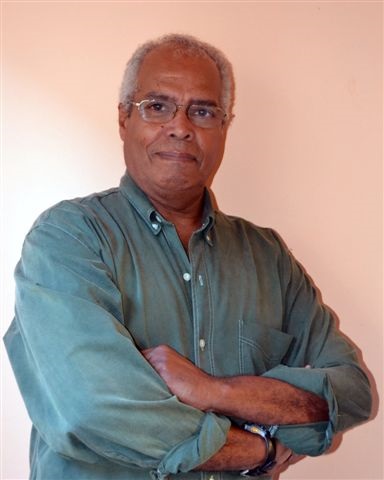
Faustino de Jesús Zamora Vargas
Supernatural
God calls us to know him personally and experience his presence, not merely to know about his attributes. Job came to know him amid suffering, and Mos...
A Touch from God
All our neighbors, regardless of their character, appearance, or good works, need Christ because the human problem is sin. It is not for us to choose ...
Decisions in the Fear of God
As we believe God’s Word, our minds are renewed, and we can leave behind the guilt of past sins. Christ’s forgiveness has given us a new identity: alt...
Charles Spurgeon
God's Precious Treasure: You!
My beloved friends, what a grand paradox unfolds: God's truth reveals His greatest power most brilliantly displayed in our deepest weakness. Though we...
Kept from the Evil One
Beloved, we hear two voices of keeping: the Father’s promise and the Son’s prayer, both flowing from one heart of love. Our preservation comes not fro...
Hark! the Opened Ear
My beloved friends, the very root of all true faith and enduring obedience is the blessed posture of receptive listening, an "opened ear" to God's voi...
Omar Soto
Lord, Let Your Light Shine Upon Our Plans
We can present our plans, desires, and expectations to God as an offering, asking his light and favor to confirm them while still acknowledging our ne...
Finding Comfort Along the Journey
Patience should characterize us, but we also need to discern when to wait and when to act. Paul, prevented from visiting the Thessalonians and distres...
Our Responsibility—preparing the Way for the Lord
In the deserts of the world and of our own lives, we are given the responsibility of preparing the way for the Lord. This requires a new way of living...

Milagros García Klibansky
I Am
Let us remember who we are in light of who Christ is. He is the bread of life, the light of the world, the good shepherd, the resurrection and the lif...
Planning
The Ten Million Harvest reminds us that even ambitious plans can fail. When our plans change, impatience can lead us to struggle in our own strength u...
The Father’s Embrace
A childhood of daily conflict brought my adolescent pain to the surface in tears. When our strength runs out, we can look to the cross and take refuge...

Gregory Bishop
Love and Respect in Marriage
A Spirit-filled life is expressed through worship, gratitude, and mutual submission out of reverence for God. In marriage, submission never means tole...
A Life That Shines
In Christ, we are a people blessed, adopted, and raised up by grace alone. We do not deserve it, yet we are beloved children and heirs of the kingdom....
The Gift of a Tender Heart Toward Others
In Christ, we are a blessed people, called to live in a supernatural way worthy of our calling. Transformation is not optional: it begins by renewing ...

Samuel Acevedo
Christmas – the God of the Impossible
The Magnificat is a song of victory and deliverance that can become our own when we experience God’s saving visitation. From his throne, God sees our ...
God Rewards Those Who Seek Him
Without faith it is impossible to please God: we must believe that He exists and that He rewards those who seek Him. This faith goes beyond logic and ...
Be Still, and Know That I Am God
God is our refuge, strength, and ever-present help, even when everything seems to be falling apart. Therefore, being still does not mean being passive...

Alberto González Muñoz
The Royal Palm
The royal palm stands out for its height and beauty, but that very height exposes it to lightning; its shallow roots also make it vulnerable to hurric...
The Betrayal of Judas
Judas lived alongside Jesus, heard his teachings, and witnessed his miracles, yet handed him over for thirty pieces of silver. His greatest betrayal w...
Unanswered Prayers
God does not grant all our requests, even when we pray in faith and ask for something that seems right and necessary to us. Prayer is not a way to sat...