Decisions in the Fear of God
Yahweh is good, a stronghold in the day of trouble; and he knows those who take refuge in him. — Nahum 1:7
Be careful that you don't let anyone rob you through his philosophy and vain deceit, after the tradition of men, after the elements of the world, and not after Christ. — Colossians 2:8
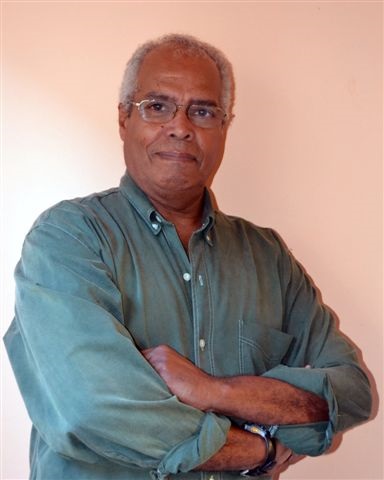
Author
Faustino de Jesús Zamora Vargas
Summary: As we believe God’s Word, our minds are renewed, and we can leave behind the guilt of past sins. Christ’s forgiveness has given us a new identity: although we still sin during sanctification, we no longer belong to the bondage of sin. Let us not allow deceptive philosophies or preaching focused on the past to obscure his grace, his promises, and his call to obedience. What we believe about ourselves influences our decisions. When facing problems and uncertainty, let us not trust our own judgment or act impatiently; instead, let us ask God for guidance in prayer and follow his voice.
When we choose to believe what God says in his Word, our minds are renewed. The liar who has blinded the understanding of this world so that the gospel of Jesus Christ will not be known does everything he can to make Christians live feeling guilty about past sins, disappointments they have suffered, losses, and the depraved acts of our old nature.
There are pulpits, too, that, finding nothing encouraging to say on God’s behalf, play into the devil’s hands with a kind of empty chatter that accords with anything but Christ. God raised the sword of his Word to instruct us definitively on this matter. The forgiveness God brought about on the cross of Calvary is the gateway to the fullest expression of his grace. Christians know this, but the devil has been granted a little power to tempt us, to test us. Deceptive philosophies come from his mind. “But we have the mind of Christ” (1 Cor 2:16).
When will we believe God and feel truly freed from all guilt and sin? If we do not believe that we have truly been freed from slavery to sin, it is as though we were telling God that his promise of redemption for humanity is a utopia, that Christ died in vain, that his blood did not really have the power to cleanse us of all wickedness. In the process of sanctification we will sin, but we no longer belong to the lineage of the children of disobedience, because we now bear a new identity that has been brought to completion in Christ, the Redeemer (the one who paid our ransom from slavery to sin).
We have not fully freed ourselves from slavery to sin because the traditions and deceptive philosophies of the world try at all costs to swallow up the eternal truths about our liberation. There are still pulpits that preach more about sin than about God’s grace and constantly call to mind the past that Christ erased forever with a restorative forgiveness full of promises and blessings, as well as calls to obedience. As long as you believe that you are “a wretched sinner,” the devil will be celebrating, and you will go on dragging God’s incomparable grace along as though it had become chains of death. Your decisions will reflect your sense of identity and belonging to the Lord of Lords. The Word of God says: “But now God has reconciled you through Christ’s death in his mortal body, in order to present you holy, without blemish and beyond reproach before him, provided that you remain firm in the faith, well grounded and steadfast, without abandoning the hope offered by the gospel. (Col 1:22–23).
If you want to know what God says about you as a Christian redeemed by the blood of Christ, I encourage you to read verses 3 through 7 of chapter 1 of the letter to the Ephesians. What you believe about yourself will determine the quality of your decisions and the way you face life. We constantly make decisions because of problems, uncertainties, and needs we must meet and, sadly, at times impatience and the desire to have our own way will lead us down dark paths and into dead ends. Yet the Word of God urges us not to trust our own judgment, but to trust him and his wondrous mind, thus preventing the inevitable calamities of foolishness. Solomon wrote it down for us today: “Trust in the Lord with all your heart, and not in your own understanding” (Prov 3:5).
The Christian life brings blessing when we ask the Lord for direction in making decisions, aware that, as heirs among his heavenly children, we enjoy a privileged place in his heart. We are not just anybody, nor are we second-class citizens. He wants us to choose life. Sometimes we do not know what to do simply because we have not taken the time to ask God in prayer. Yet Christ assures us with his extraordinary love: “My sheep hear my voice; I know them, and they follow me” (John 10:27).
May God bless his Word!