Fear, a Starting Point Toward Power
When I am afraid, I will put my trust in you. — Psalms 56:3
For even when we had come into Macedonia, our flesh had no relief, but we were afflicted on every side. Fightings were outside. Fear was inside. — 2 Corinthians 7:5
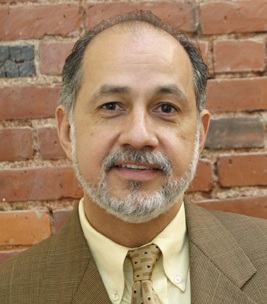
Author
Dr. Roberto Miranda
Summary: We suffer when we trust too much in our own strength, reject counsel, and seek God only as a last resort. Wisdom begins when we soberly acknowledge our frailty and God’s unlimited wisdom and power. Both the fear of the Lord and fear in the face of a crisis can move us to trust in Him. David turned his fear into a declaration of faith, and Jehoshaphat, faced with an overwhelming threat, humbled himself to seek God. We should neither pretend to possess a sufficiency we do not have nor allow terror to paralyze us. Let us acknowledge our fear, seek help from God and others, and use our weakness to cling more firmly to the God who will never leave us.
Many people suffer because they prefer to do things on their own. They trust too much in themselves and in their own strength. They seek God only as a last resort. They do not heed advice, nor do they seek wisdom from Him. They stubbornly insist on doing things their own way, using their own inadequate resources.
The writer of Proverbs gives us a sound warning: “Trust in the Lord with all your heart, and do not lean on your own understanding” (Proverbs 3:5). The beginning of wisdom will always lie in a sober recognition of our immense limitations and our essential frailty, while at the same time we are overwhelmed by a sense of the unlimited wisdom and infinite power of the God whom we serve and in whom we live and move and have our being. That is why the Bible also repeatedly says: “The fear of the Lord is the beginning of wisdom” (Psalms 1:7).
In fact, not only the fear of the Lord, but fear itself, can be a good starting point for confronting a crisis or tragedy. David puts it this way: “When I am afraid, I trust in You” (Psalms 56:3). In the case of this king and warrior, his fear of his enemies serves as a platform from which to declare his trust in the Lord. The recognition of his weakness drives him to place his hope in God, who is his shield and his defense.
The Bible tells us about another great king who experienced great fear when he learned of a powerful army that was advancing relentlessly toward Judah to invade and destroy it (2 Chronicles 20). In this case, the very desperation of the situation compelled King Jehoshaphat to go directly to the throne of God to ask for help and receive wisdom. Verse 3 of this chapter tells us: “Then he was afraid; and Jehoshaphat humbled himself to seek the Lord.” Jehoshaphat did not remain petrified in a posture of terror. From there he leapt into the arms of his mighty God and cried out with all his heart alongside his people.
Do not be afraid to admit that you are afraid! In our country we have a saying: “It is better for people to say, ‘Here he fled,’ than, ‘Here he died.’” Wise Solomon puts it even more graphically: “For a living dog is better than a dead lion” (Eccl. 9:4). Many times, it is far better to acknowledge that you are afraid and do not know what to do than to pretend to possess a self-sufficiency that you do not actually have.
It is better to seek help from God or from others than to insist on drawing water from your own dry well with illusory resources. Use your weakness and your fear to cling more firmly to your God. On the day of fear, resolve more than ever to place your faith in the God who will never leave you. Then you will be able to say with David: “Have mercy on me, O God, have mercy on me; for my soul has trusted in You, and in the shadow of Your wings I will take refuge until the calamities have passed” (Psalms 57:1).