
Gregory Bishop : Associate Pastor
Summary: Gregory Bishop is an Associate Pastor at Congregación León de Judá since 1998. He has a degree in history from Amherst College and a degree in Biblical Studies from Gordon Conwell Theological Seminary. Before joining CLJ, he served with college students and men in recovery. As an Associate Pastor, he focuses on spiritual formation, pastoral care, and outreach ministries. He also shepherds the English ministry. He is married to Kennis Akemi and has two children, Noah Jonathan and Charis Megumi.
Gregory Bishop often refers to himself as an “Adopted Gringo” who has served here at Congregación León de Judá as Associate Pastor since 1998. He feels called to impact lives with the reality of Jesus Christ by shepherding in a multi-ethnic setting.
Before coming on staff at CLJ, Greg studied history at Amherst College (BA, 1990), and Biblical Studies at Gordon Conwell Theological Seminary (MDiv, 1997). He served with college students through InterVarsity Christian Fellowship at Williams College and with men in recovery through Youth Challenge Christian rehab ministries in Hartford CT. He also spent 15 months traveling throughout Latin America under the Parish Pulpit Scholarship, granted through Gordon Conwell.
As Associate Pastor, Greg has focused his efforts on the spiritual formation and pastoral care of God’s people. He designed our Discipleship curriculum, and helped to develop our children’s ministries, both now pastored by others. He has also developed outreach ministries for men in recovery, and provides pastoral care through counsel and visitation. Most recently, Greg has shepherded our fledgling English ministry, now attended by a wide diversity of people from various national, ethnic, and socio-economic backgrounds.
His wife, Kennis Akemi, works as a Speech Pathologist in a hospital context, and ministers with children and through worship dance. They have a son, Noah Jonathan (b. 2007), and a daughter, Charis Megumi (b. 2009).
Publications
Love and Respect in Marriage
We are discussing Ephesians 5 and the importance of living a life filled with the Holy Spirit. This includes purposefully seeking God with a spirit of worship and thanksgiving, as well as submitting to each other out of reverence for the Lord. Today, we will specifically focus on marriage and the concept of submission. It is important to understand that submission does not mean allowing oneself to be abused by another person or society. In fact, Christian submission is never an excuse to let yourself be abused. The word speaks of submission in a Christian context, which means respecting and loving your partner as a complementary companion, rather than a servant. It is important to understand and respect the differences between men and women, as God made us each unique.
The speaker discusses the concept of submission in marriage as described in the Book of Ephesians. He emphasizes the complementary relationship between men and women and the importance of recognizing and respecting each other's differences. He notes that the man's role as the head of the household is not about command and control, but about being a sacrificial servant for the welfare of his family, as exemplified by Jesus washing the feet of his disciples. The woman's role is to submit to her husband's leadership with respect, which is like medicine and oxygen for his soul. The speaker encourages men to love their wives as Christ loved the church, and for both partners to learn each other's love languages to express emotional love in a way that is received and appreciated.
A Life That Shines
The book of Ephesians reminds us that we are a blessed people, with every spiritual blessing in heavenly places in Christ Jesus. We are spiritually alive and exalted, called to live a new life in Christ. The text in chapter 5 tells us to walk worthy of the call with which we were called, imitating God and walking in love as Christ did. We should be careful with our inner world, words, thoughts, and attitudes of the heart, so that our offering is a fragrant smell before God. We should define ourselves as saints, and certain things should not even be mentioned among us because they are out of place. It is time to end moral games and walk as Christ walked. We have a high calling, and the Lord wants to do wonders among us.
We have a high calling to walk as Christ walked and be careful about our words and actions. As Christians, certain things should not even be mentioned because they are out of place and under our dignity. We are a new creature in Christ with a new identity. We must make a difference between Christians and the world, be in the world but not of the world. We must be different and shine as light. Confession of our struggles and sins is important in finding healing and being able to overcome them. We should confess to a mature and trustworthy person who can pray for us and give good advice.
The Gift of a Tender Heart Towards Others
The Book of Ephesians begins by saying that we are blessed in the spiritual, heavenly, and supernatural environment, but also ends by saying that we have a call to be a supernatural people and to walk worthy of the call with which we were called. We are called to be a diamond of God's grace to demonstrate the multifaceted wisdom of God in the world. The Lord requires a change in the Christian life, and it starts with the renewal of the mind. We need to remove the old man, who is corrupted according to deceitful desires, and put on the new man, created according to God in righteousness and true holiness. We need to speak truth and discard lies, be angry but not sin, and let go of bitterness, anger, wrath, shouting, gossip, and malice. Instead, we need to be kind, merciful, and forgiving to one another, as God forgave us in Christ. We are a new creature in Christ, and the old life is no longer for us.
Discipleship involves removing the mask and being honest about our struggles with sin. Anger is not a sin in itself, but holding onto anger and bitterness can prevent the flow of God's anointing. Forgiveness is key to removing this obstacle and promoting healing. It is not about excusing or minimizing the offense, but canceling the debt and releasing the burden. Forgiveness does not necessarily require reconciliation, and it can be a long emotional process. Work is also important, as it promotes healing and allows us to share with others. Our words have the power to promote life or death, and we must strive to speak words of life. Ultimately, we must strive to have a tender heart towards others, showing double compassion and love, just as God has shown us grace and forgiveness. This Christmas, let us put on the new man and live in the grace of God, giving and forgiving as we have received.
You Can't Shine Alone
In Ephesians 2, we see that God breaks down the enmity between Jews and non-Jews to create a new humanity, a new people. The Church is a prophetic example of this new Kingdom on Earth, where people from different nations come together as one family, built on the foundation of the apostles and prophets with Jesus as the cornerstone. We must be united by the Power of the Holy Spirit, not by natural affinity. The joy of salvation should be shared with those who feel excluded and rejected, as the Lord welcomes them home. We are a supernatural people, and God is forming a new nation in the world.
The Church is a living temple built on the apostles and prophets, with Jesus Christ as the cornerstone. We are all living stones that the Lord is building together to form a holy temple for God. We must pray and seek the Holy Spirit to unite us as a diverse Church, filled with the glory of God. Love and acceptance of each other, despite our differences, is crucial. We are called to be a bilingual, multiracial, multi-ethnic Church, demonstrating the multiform wisdom of God. This is revival, and we must embrace this call to be a diamond Church that shines with the power of the Holy Spirit.
There Are Good Works Prepared for You
In this sermon, the speaker discusses how Christians are called to be a supernatural people and inhabit the spiritual environment around them. He uses the example of the Book of Ephesians, which was written for people who lived in a city full of spiritism and idolatry. Through Christ, believers have the right to move in the spiritual environment and have spiritual power. The speaker emphasizes the importance of understanding where we came from before we met Christ, as we were dead in our sins and deserving of punishment. However, by God's grace, we have been saved through faith and are now diamonds of His grace.
The world is polluted with sin and influenced by the prince of this world, the devil. We are all born as children of wrath and deserve punishment for our sins. However, God's grace and love for us is greater than our sins and He gave us life and raised us up through Christ. We are now seated with Christ in heavenly places and have spiritual authority to fight against the enemy. Our feelings do not define our reality, but rather the truth of God's Word.
Each One Has the Measure of the Holy Spirit That He Desires.
The Holy Spirit is a person who can be grieved by our actions, and our level of fullness of the Spirit depends on what we do. Ephesians is a letter about spiritual warfare, and Christians have been granted authority to act on Jesus' behalf in the spiritual realm. Anger in itself is not a sin, but it becomes a sin when we handle it improperly, hold onto it, and let it accumulate. Forgiveness is a practice that pleases the Holy Spirit and is necessary for emotional hygiene.
Forgiveness is essential for a healthy life, even non-Christian psychologists recognize this. Forgiveness means canceling the debt owed to you and releasing the burden of holding a grudge. It does not necessarily mean going back to being friends with the person who hurt you, but rather forgiving them from afar. To prime the pump for the Holy Spirit to flow in your life, engage in activities such as speaking to each other with psalms, hymns, and spiritual songs, always giving thanks to God, and submitting to people in authority in your life. Praise with all your heart and give thanks to God for everything, even in the midst of difficult times. Christians can be honest about their problems, but they should speak them to God instead of always complaining.
Serving Jesus Without Jesus Is Torture
The pastor speaks about the filling of the Holy Spirit and the need for each person to be a vehicle for the Holy Spirit. The Book of Judges shows how the Lord puts his spirit on his people to fight against their enemies. Gideon is an example of a fearful and unqualified man who, after being touched by the Holy Spirit, blew the trumpet with authority from heaven, and the whole nation followed him. The Holy Spirit clothed Gideon, as if he was acting for him, or as if God was acting through him. The pastor encourages the congregation to be clothed with the Holy Spirit and be vehicles for His power.
The message is about the importance of being filled with the Holy Spirit and being used by God. The speaker uses the example of Samson, an anointed man who was chosen by God to deliver his people from the Philistines. The Holy Spirit fell on Samson four times, giving him supernatural strength to do things that he couldn't do on his own. The speaker encourages the audience to seek the fullness of the Holy Spirit and to allow the Holy Spirit to move within them, even if it causes restlessness or discomfort. He also stresses the importance of living a holy life and not using Samson's example as an excuse for sinful behavior. Finally, the speaker mentions that the Holy Spirit can amplify natural talents and abilities, making it easier to serve Jesus effectively.
The God Who Tests Us
The story of Joseph, the earthly father of Jesus, teaches us that God tests us to prepare and train us, to strengthen our faith, and to show us what is in our hearts. Just like silver and gold are tested in a crucible and furnace, God tests our hearts. Satan tempts us to fail, but God tests us to shine. We cannot be proven without being tested, and the bigger the test, the bigger the victory. The Lord allows us to go through trials to teach us humility, to make us more understanding of others, and to show us that we are not as strong as we think we are. He tests us to put down deep roots in Him, to prepare us for the real battle, and to make us strong Christians who are not easy to beat.
The Lord puts us through tests to strengthen our faith and prepare us for our calling. He uses small tests to see if we can be trusted with more, like money or responsibilities. The Lord also uses the desert as a training ground, where he tests us and teaches us to rely on him. The Lord is not cruel, but he wants us to be prepared for our destiny. We must not harden our hearts, but trust in the Lord and pass the tests he puts before us.
Lukewarmness - the Very Effective Temptation of the Devil
In the final message to the churches in Revelation 3, Jesus speaks to the church in Laodicea, a self-sufficient church in a wealthy city known for its fine clothing and medical schools. However, they had become lukewarm in their faith, like their water supply. Jesus rebukes them for their lack of passion and reminds them that he is the faithful and true witness, the beginning of God's creation. He urges them to seek him and his presence, the only thing that can fill the void in their souls. Christians should enjoy life, but know that true joy comes from God. Moses is an example of someone who was truly passionate about seeking God's presence.
The speaker encourages the audience to hunger for God and seek joy in serving Him. He uses examples from the Bible, such as Moses' desire to see God and the sinful woman's devotion to Jesus, to illustrate this point. He also discusses the concept of sacrificing earthly pleasures for heavenly riches, and the importance of having eyes of faith to see the invisible wealth that God has for us. The speaker emphasizes the joy and blessings that come from serving God, and encourages the audience to seek hunger for things of the spirit through fasting.
The Year of the Open Door for God
The letter in Revelations 3:7-13 is addressed to the Church in Philadelphia, which had been excluded from the synagogue and had little strength. The devil has a plan to neutralize the Church, and he often tries to shut doors between God's people and God. However, Jesus has the key of David and can unlock any door in the universe. The government is on His shoulders, and the door to heaven is open for business. This door is a door of blessing, power for ministry, and a door of access to the Throne of the living God. Even if we feel weak, God values faithfulness over success, and He can use small things. God is looking for faithful people, and we should be faithful in 2017.
God doesn't look for strong people, He looks for faithful people. In 2017, we don't need good luck because we have a God who can open any door. No matter how weak we feel, God fights for us and will keep us faithful. We have a place in God's house and are marked with His Name. Let's hold on to our faith and not let anyone take our crown, because the best is yet to come. We end this time by coming to the Lord's table and accepting Christ as our Lord and savior.
The Year of the Door Opened by God
The Letter of Jesus to the Church of Philadelphia is relevant to the Congregation Lion of Judah on New Year's Day. The enemy has plans to neutralize the Church of Jesus Christ, but the good news is that God has the key to the house of David and can open any door in the universe. Even when the believer feels small and weak, fidelity to God is more important than success. God cares about the little ones and values small things. The Church needs to pray for the Power of God to flow and change people's hearts. God wants to show His glory through our weaknesses.
God wants to show His glory and power through our weaknesses. He promises to protect and strengthen us, and to give us a crown and citizenship in the city of God. He will write His name on us three times to show that we belong to Him. Jesus has the key to open any door, and 2017 is declared the year of the door opened by God. We are invited to accept Christ as our Lord and Savior and make a covenant with Him.
The Gift of Christmas - Glory, Peace and Joy for All the World
In this sermon, the pastor discusses the prophecies in Isaiah 9 and the fulfillment of those prophecies in Luke 2. He highlights five qualities of God revealed in these passages: a glorious God, a God of peace, a God of joy, a personal God, and a God of universal accessibility. The pastor emphasizes that God's glory shines through in the birth of Jesus, causing wonder and amazement. He also notes that God is a God of peace, bringing an end to wars and violence, and that Jesus is the prince of peace. The pastor encourages listeners to focus on Jesus during times of crisis and to trust that God will bring peace and joy even in the midst of storms.
The speaker talks about the joy and abundance that comes with celebrating Christmas and the birth of Jesus. They emphasize that Jesus came for all nations and all people, and that joy is a decision that we can make. The speaker encourages the church to be a place for all nations and to fulfill the universal mission of the Gospel. They remind listeners that Jesus is a personal savior who understands human struggles and invites listeners to receive him in their hearts.
The Gift of Christmas - Glory, Peace and Joy to All the World
In this sermon, the speaker discusses two passages of Scripture, one from Isaiah and the other from Luke, that describe the birth of Jesus Christ. Both passages point to the divine nature of Jesus, his impact on humanity, and his universal ministry. The speaker identifies five qualities of Jesus as revealed in these passages: a God of glory, a God of peace, a God of joy, a personal God, and a universal God. The speaker emphasizes the importance of meditating on the glory of God and the peace that Jesus brings to our hearts, even in times of trial and difficulty. The speaker concludes by encouraging listeners to remember the message of Christmas and the impact that Jesus has on their lives.
The speaker discusses the themes of joy, peace, and personal and universal aspects of God in relation to the Christmas story. He emphasizes the decision to choose joy even in difficult times and the idea that Christ was born for all people, not just a select few. He ends with an invitation to invite God into one's heart and to approach Him with confidence and sincerity.
The Temptation of Success
The letter to the church in Sardis warns against the danger of being satisfied with human success and settling for it, instead of seeking more of God's spirit. The church had a reputation for being alive, but Jesus sees that they are dead inside. The devil uses the temptation of success to neutralize the power of the church. The letter reminds the church to be vigilant, repent, and remember what they had received and heard. The 7 spirits of God are always available for the church, but they must want it. Conformity and complacency kill, and the church must keep moving forward with God's call.
The speaker reminds the congregation of León de Judá that there is still more for the church to achieve. He urges them to recover their hunger for God and to stay awake, as time is short before the Lord's return. He emphasizes that each member of the church is called to be a priest, serving in the glory of God, and to keep their uniform clean. The speaker invites those who have not yet accepted Christ to do so, and they close with the sacrament.
Giving Thanks
The Thanksgiving service is a tradition where we come together to give thanks to God for His provision and care, similar to the ancient Hebrews who came before God periodically to give offerings of thanks. In many nations, the time of harvest is a time of Thanksgiving. We are called to be an evangelistic presence for the Kingdom of God in our city and nation and to serve as an agent of life and renewal for the community. We are primarily an immigrants congregation, and we can shine as light and healing in our society. God uses this Church to serve the community in various ways. Generosity and gratitude are essential virtues for serving the Kingdom of God and the communities we are in. The pattern of offerings in the Old Testament was atonement offerings followed by thanksgiving and fellowship offerings. In Chronicles 16, King David invites people to sing to the Lord, give to the Lord from their resources, and worship the Lord in the beauty of holiness. When we come forward to give our offering, we express gratitude for what God has done and will do in the coming years.
The sermon is about giving thanks to God for all that He has done, including material provisions and better employment, and for what He will do in the future. The pastor emphasizes the importance of recognizing that everything comes from God's hand and prays for God to complete the good work He has begun among them.
Giving Thanks
The pastor speaks about the tradition of bringing a special offering to the Lord during the Thanksgiving weekend, as a way of expressing gratitude for the abundance and provision that the harvest season represents. He highlights the importance of the Church's role in making an evangelistic, prophetic, and service-oriented presence in the community, and acknowledges the generosity of the members who continuously support the Church's social services and missions. He also emphasizes the spiritual and material dimensions of gratitude and generosity, as exemplified in the biblical pattern of offerings and sacrifices. The pastor identifies several things that the Church is grateful for, including the buildings and constructions, the development as an institution, the blessing to the city through spiritual and social ministries, the diversity and harmony of the congregation, the spiritual gifts, the families and children, the provision in the material sphere, and the anticipation of greater things to come. He concludes with a prayer of thanksgiving and prophetic faith for God's continued mercy and goodness.
False Prophets
In the letter to the church in Thyatira, Jesus addresses the issue of a false prophetess named Jezebel who was sowing deceit and leading the Christians in that church to participate in sinful activities, such as worshiping idols and committing fornication with temple prostitutes. Jesus warns the church to not tolerate her teachings and promises to throw her into great tribulation if she does not repent. He also commends the genuine Christians in the church for their love, faith, service, and perseverance. The message emphasizes the importance of discernment and authenticity in the church, as well as the need to be aware of false teachings and seductions that can lead us astray from God's will.
In Revelation 2:20-23, the prophetess Jezebel is mentioned as having deceived the servants of God in the church at Thyatira by justifying sexual immorality and false teaching. This is compared to the Old Testament Queen Jezebel who corrupted Israel with pagan worship and killed Jehovah's prophets. The spirit of Jezebel represents a false, counterfeit church that is in conflict with the true, biblical church. Tolerance of people is good, but tolerance of false teaching is a sin. The Lord is looking for a clear church that is courageous and clings to the truth, even in the face of pressure to conform to the world. Jezebel is warned of a strong judgment if she does not repent, and in the Old Testament, the medicine for Jezebel was a strong one, as seen in the actions of King Jehu.
How Can We Resist the Seduction of the Devil?
The letter to the church in Pergamum in the book of Revelation emphasizes the importance of being a winning church in the face of spiritual warfare. Pergamum was a major city in the Roman empire and a spiritual center that was home to the throne of Satan. The devil used direct and indirect tactics to neutralize the church, including the seductive teachings of Balaam. Balaam was a spiritualist in the Old Testament who combined faith in God with other spirits and was asked by King Balak to put a curse on Israel. Despite God telling him not to curse Israel, Balaam was seduced by the promise of money and power and ultimately failed. The lesson for the church in Pergamum and for us today is to resist the seductive and compromising teachings of the devil and remain faithful to God.
The story of Balaam teaches us that God's people cannot be cursed by man because they are blessed by God. However, the devil can seduce us and tempt us into sin, which can lead to God's discipline. Balaam tried to curse God's people but ended up blessing them because God had already blessed them. Balaam's strategy was to make idolatry attractive and delicious, using food and sexuality to tempt people. Greed is a form of idolatry, and we must be careful not to fall into the devil's seduction. The gift of repentance is always available, and we can come out of hiding and into the light to be healed. We don't have to do it alone, as this church is a hospital where sinners can be healed. The best antidote to the devil's seduction is the hidden manna, which is better than any tempting food or pleasure. In the end, we will eat well with Jesus in heaven.
We Have to Take Up the Cross
The second letter in the book of Revelation is addressed to the church in Smyrna, which was undergoing persecution and suffering for their faith in Christ. The message to the church is that despite their tribulations, Jesus is the first and the last, the one who was dead but lived again, and therefore they should not fear. Jesus acknowledges their poverty and suffering but reminds them that they are rich in Christ. The letter also mentions the blasphemy of those who reject Christians and the synagogue of Satan. The message for the church is to remain faithful, even unto death, and they will receive the crown of life. Martyrdom is a common theme in the Bible, and although it may be difficult to understand, it is a reminder of the ultimate sacrifice made for our faith. The letter reminds us that despite suffering, joy and wealth in life cannot be bought with money, and that health and joy come from the Holy Spirit.
This sermon is about the church in Smyrna and how they were going through a difficult time of persecution and slander. The speaker reminds us that Christians have always been slandered and accused, but we should not be surprised because Jesus himself was accused of being a demon. The real enemy is not the people who slander us but the spirit behind them. The speaker encourages us to be faithful in the midst of trials and trust that God has a purpose in them. The reward for faithfulness is the crown of life, and even in death, the Christian wins because they do not have to fear the second death. The speaker uses the example of Polycarp, a leader in the church in Smyrna who was burned at the stake for his faith, as an example of someone who is now a star in the hand of Jesus.
You Have to Hate What God Hates
The book of Revelation is important for us today because it reveals the spiritual reality behind the physical world. The Lord revealed himself to John as the exalted and glorified Christ. The churches are represented as 7 golden lampstands, which symbolize the presence of Jehovah among his people. The stars in Jesus' right hand represent angels or human leaders of each church. The first letter is to the church of Ephesus, which was a fighting church in the midst of a city filled with idolatry. The Lord commends them for their hard work and patience, but rebukes them for leaving their first love. He calls them to repent and return to their first works, or their candlestick will be removed. The Lord calls us to be a strong, warlike, sweating church for the Lord's work, fiercely dedicated to the truth of the Bible.
In this sermon, the speaker emphasizes the importance of being a faithful and passionate church for Christ. He warns against false prophets and encourages the church to discern the spirits and evaluate the content of the message according to the word of God. He also stresses the need for the church to be in love with Jesus, to remember where they fell from, and to repent and do the first works. The speaker recommends spending time with new believers as a way to rekindle the passion for Christ and be grateful for God's forgiveness.
Living a Life Waiting for the Master
The passage in 1 Peter 1:13-21 calls on Christians to be alert and focused on the things of God, especially in a world where sin and temptation are increasing. The phrase "gird up the loins of your mind" means to be ready for action and to have a concentrated, game face on. This is based on Jesus' teaching in Luke 12:35-40 where he encourages his disciples to be ready for his return at any moment. Peter also emphasizes the need to be sober and fully focused on the grace that will be brought at Christ's return. Christians must keep their eyes fixed on the end goal and push through pain and trials because the reward on the other side is worth it.
The speaker talks about the coming of Christ and the importance of fixing our minds on it. Jesus is currently invisible to us, but one day he will be manifested on the other side, and every eye will see him. The speaker believes that supernatural clouds will be formed when the heavenly air interacts with the earthly air, and that Jesus will come on those clouds. When Jesus comes, he will bring grace to us, and we will be transformed. We are not normal people, but glorious beings who will shine like Jesus after being raised up. The speaker encourages us to resist temptation and be holy because we are made for another world, and our destiny is a glorious one.
Wisdom Is Looking for You
In this sermon, the speaker discusses how life can be complicated and challenging, but God's wisdom is available to those who seek it. God speaks through the Bible and can provide guidance and blessings in all aspects of life, from health to finances to relationships. However, the speaker cautions that wisdom is not a quick fix or a guarantee of a trouble-free life, and Christians must still obey the principles of wisdom in their daily lives. The speaker emphasizes that wisdom comes from God and is based on unbreakable principles, and Christians should not neglect the natural aspect of life that also contains God's wisdom.
As Christians, we sometimes neglect the natural aspect of life and rely too much on supernatural miracles. This can lead us to neglect God's wisdom in practical situations. We need to seek God's wisdom in every aspect of life, from work to relationships, to financial decisions. Proverbs is full of wise principles for life that, if followed, can lead to a fulfilling and successful life. We need to be careful of foolishness around us and ask God for wisdom in navigating life's situations.
Conflicts in the Church
In this sermon, the speaker discusses conflicts in the Church by looking at the disagreement between Paul and Barnabas over whether to bring John Mark on a missionary trip. He emphasizes that conflicts are natural and to be expected in any group of humans, but it is important to choose one's battles wisely and handle conflicts in a Christian and anointed way. The speaker also highlights the importance of unity in the Church and the need to work towards maintaining the unity of the Spirit. He closes by discussing how conflicts can be handled in good and bad ways, and emphasizes the importance of focusing on the problem, not attacking the person.
This sermon discusses conflicts and how to handle them in a healthy and respectful way. The speaker uses the example of the conflict between Barnabas and Paul in the Bible and how they fought, but ultimately resolved their disagreement in a respectful way. The speaker emphasizes the importance of assuming good faith, respecting the other person, and practicing empathy. The sermon also mentions the conflict between two sisters in the Church, Evodia and Sintique, and how the Apostle Paul asked for a mediator to help resolve their conflict. The speaker encourages people to seek help when in a conflict and to be self-aware of their own faults.
Love Does Nothing Wrong
Love does nothing wrong and is not rude or disrespectful. Courtesy should come from the heart and be based on respect for the human being in front of us, recognizing their value and dignity. People are not objects, they are precious and made in the image and likeness of God. Love does not cross limits or invade personal space, but it does not mean we have to be overly cautious or unable to be relaxed and joke around. We should be careful not to dehumanize others or lower their dignity, as each person is worth and precious. We must treat everyone with honor and respect, even those who may be poor or needy. Jesus comes in disguise, so we should treat each person as if they were a visit of honor.
The speaker emphasizes the importance of showing respect and love towards others, regardless of cultural differences or personal beliefs. He gives examples of how people may unknowingly offend others, such as cutting someone off in traffic or being too rushed to acknowledge people around us. He also acknowledges that cultural differences may play a role in how people interact, but the key is to have love that forgives offenses and to adjust oneself to be respectful in a multicultural environment. The speaker also cautions against using personal beliefs, such as anointing, as an excuse for improper behavior towards others. Overall, the message is to treat others with dignity and respect, just as Jesus treated everyone he encountered.
Put Down Deep Roots
Psalm 1 is the introduction and basis for all the other Psalms. The Psalm talks about the blessedness of the person who meditates on the law of the Lord and does not follow the advice of evil, the way of sinners, or sit with mockers. This person is compared to a tree planted by streams of water that bears fruit and prospers, while the wicked are compared to chaff that the wind blows away.
Prophet Jeremiah also internalized Psalm 1 and used its message in his prophecies. In Jeremiah 17, the just man is compared to a tree with deep roots, while the man who trusts in man is compared to a bush with shallow roots that dries up in drought.
Love Is Kind
In this sermon, the speaker talks about the importance of love in the Christian community, using First Corinthians 13 as a basis for discussion. They focus on the second sentence of verse 4, which states that love is benign or kind. The speaker defines kindness as concrete actions that show love, such as opening a door for someone or remembering a person's name. They caution against confusing kindness with being nice, which can be motivated by self-interest. The speaker cites examples from Jesus' life, such as healing the sick and feeding the hungry, as models of kindness. They also emphasize the importance of seeing every person as worthy of respect and attention.
The pastor talks about the importance of kindness and how it is a reflection of God's love. He encourages people to be kind even to their enemies and shares personal testimonies and biblical references to support his message. He also compares kindness to engine oil that lubricates human relationships and prevents emotional sludge from building up. Kindness is essential in any group or community to prevent friction and maintain trust.
In This Building Every Stone Is Important
In First Peter chapter 2, the construction of a spiritual building is discussed, which is being built by God using living stones, which are the people who have accepted God's mercy. Each person is an important part of this building and has a place chosen by God. However, to fit into the building, each person may need to undergo a process of preparation and formation by God. The Church's mission, function, and identity as a spiritual house and holy priesthood is to offer acceptable spiritual sacrifices to God through Jesus Christ. While the Church has various ministries and programs, it is not a hospital, school, social agency, or business, but a place where the God of the universe lives and where people learn to worship and serve Him.
The church is a place where people can host the King of the universe and become priests offering sacrifices before the Presence of God. Jesus is the cornerstone of the church, and everything is based on Him. The church is called to be a multi-ethnic, multi-lingual community of believers who identify themselves as a chosen lineage, a royal priesthood, a holy nation, and a people acquired by God. Our highest calling is to worship God and proclaim His virtues to the world. As royal priests, we have a noble calling to represent God to the world.
The Contented Heart Has a Continuous Banquet
Gratitude is the key to a happy heart and a continuous banquet. The Word of God says that all the days of the afflicted are difficult, but the contented heart has a continuous feast. Thanksgiving is like a superfood that cures anxiety, worry, and envy. It also beautifies the face and fosters healthy relationships. We should not thank God for every circumstance, but in every circumstance, knowing that He prepares a table before us in the presence of our distressers. We must exercise gratitude as if it were an exercise, strengthen our muscles of gratitude, and learn to eat from the continuous banquet that is in front of us. The best self-help book is the Bible, and one of the best self-help tips is gratitude.
Thanksgiving is the key to enjoying life and savoring its moments. The Apostle Paul modeled this in the Book of Philippians by thanking God for the people in his life. A grateful heart generates good vibes, becomes a magnet for blessings, and releases God's anointing. Lack of gratitude is a lever for Satan in your life, leading to sin and rebellion against God. Thankfulness strengthens faith and releases blessings. Being ungrateful with what God has given you is belittling the giver, and it can lead to sin and violence. Ambition is healthy when it comes from God, but nonconformity and dissatisfaction with what you have can never bring true happiness. For the content of heart, life is a continuous party.
The King’s Heart Is in the Hand of the Lord
The Book of Esther shows how the spiritual movement of God prevails over political and governmental power. Proverbs 21:1 reminds us that the king's heart is in the hands of the Lord, and He directs it wherever He pleases. As a Latino community, we have a role to play in intercession and mediating the presence of God in our nation. We should also be involved in society and make our presence felt in political structures. Our faith should never be in a party or person, but in God who can change hearts and countries. We need to pray for immigration reform and acknowledge that God is the God of justice, mercy, and grace. We place our hope in Him for a just and generous change in the situation of immigrants in the United States. We pray for a move of providence and divine power and mercy so that we can give God all the honor and glory.
The King's Heart Is in the Hand of Jehovah
The book of Esther is a chronicle of how prayer and spiritual processes prevail over human processes and governmental processes. Christians have always bent their knees as a community to ask for God's intervention in times of crisis. Despite political efforts, this battle has to be fought in the arena of the spiritual world and spiritual warfare. Our first and last hope is in the almighty God who can change the hearts and directions of the parties. We must put our hope in God and cry out to him for intervention in the issue of immigration reform. We send waves of power and authority over Washington and every legislature of this nation, asking for a transformational change. To God be the glory, honor, and power. Amen.
The 3 Stages of Implementing a Vision - Build, Affirm and Enhance
The speaker discusses the challenge of translating big dreams into concrete actions in order to make them a reality. He emphasizes the importance of perseverance and sticking to the vision in spite of setbacks and difficulties. He uses examples from the Bible and his own experience, such as the process of building a church. He also notes that small victories and steps forward will eventually snowball and bring greater resources and momentum.
To turn a vision into reality, it needs to be broken down into a project and designed with specific details. Then, it requires execution one step at a time until the vision becomes a reality. To achieve this, one needs determination, energy, persistence, discipline, systemic thinking, teamwork, and the ability to find allies. One also needs to cultivate an elitist mentality and the capacity to think structurally. Developing a personal life vision that includes becoming the kind of person who can implement God's dreams is also crucial. Honesty, humility, lucidity, good readings, and edifying conversations are essential.
Three Stages in the Realization of Each Vision - Edify, Affirm and Enrich
In these days, the speaker has been giving "horizontal sermons" that deal with the practical implications of the Gospel for everyday life. The focus is on turning dreams and visions into reality by taking concrete actions. It is important to cultivate our minds and sensitivity with the principles of the Word to unleash our potential. Successful people have the ability to execute and turn their visions into visible actions. It is normal to feel fear and discouragement when translating visions into reality, but we must discipline ourselves to hold onto the vision and prevail over emotions. The vision will gain its own life and density as we commit to it and gain allies. The development of a vision follows a natural progression: vision, project, design, components, and execution.
The process of achieving a vision involves turning it into a project, designing components, and executing it. It is important to have qualities such as determination, persistence, discipline, systemic thinking, seeking allies, and analytical capacity to achieve a vision. These qualities can be developed through specific exercises, such as reading, cultivating good relationships, and continuous intellectual exercise. It is important to conceive personal transformation as a lifelong vision and submit to the correct stimuli to develop these qualities.
A Journey of Spiritual Growth
The life of Abraham is a journey of faith, both geographically and spiritually. God called him to leave everything and go to an unknown place, promising to bless and protect him if he trusted in Him. Abraham took the risk and God fulfilled His promises. However, Abraham also had his failures, such as lying about his wife in Egypt. Despite his faults, God remained faithful and blessed him. The tests and trials of life are for us to learn and trust in God more. We must learn to love God above all else, even if it is a process.
The story of Abraham and Lot is a lesson in faith and trust in God. Abraham had a family conflict with his nephew Lot, but instead of fighting for the best land, he chose to be generous and let Lot choose. Abraham trusted that God would take care of him. Later, when Lot was captured in a war, Abraham had to decide if he would trust God enough to fight for his nephew. Through these tests, Abraham learned to let God fight his battles and to walk by faith in God's promises.
The Simplicity of Knowing That Jehovah Is My Shepherd
The speaker reflects on Psalm 23 and the simplicity of knowing that God is our shepherd. He emphasizes the importance of listening to the voice of Jesus and trusting in His provision. The speaker also discusses the importance of simplicity and innocence in our faith, and the idea that as we mature spiritually, we become more like children. The speaker shares a personal story of God's provision to illustrate the point that Jehovah is our provider and we will lack nothing. Finally, the speaker discusses the importance of rest and how sometimes we resist it in our busy lives.
In Psalm 23, God is compared to a shepherd who leads his sheep to delicate pastures and still waters. The sheep are not very intelligent and need the shepherd to force them to move to new pastures and to rest when it is time to do so. Similarly, as humans, we often resist rest and live in a hectic society. God invites us to rest in Him and enjoy delicate pastures, which can be found in a person, a relationship with Him. He knows what truly refreshes and renews our souls. The paths of justice that the shepherd guides us on may not always be easy, but we can trust that He knows where He is leading us. Sometimes we have to be ready for changes in our lives to continue growing and moving forward. Ultimately, the life of a Christian is dynamic and requires trust in the shepherd to guide us through the dark paths and valleys of life.
Living Joyfully - Living with Jesus
In Philippians 3, the apostle Paul emphasizes the importance of being genuine Christians and being aware of deceptions that come. He warns against those who preach a false gospel and emphasizes that Christian salvation is not by works, but by faith in Christ. Paul encourages us to focus on Christ and to let His character and personality become a part of us. Knowing Christ is excellent and should be treasured above all else. The importance of joy is also emphasized, as it is the strongest security of the Christian and helps us withstand temptations and attacks from Satan. In conclusion, Paul encourages us to stand firm in the Lord and to be imitators of Christ.
The speaker discusses the importance of falling in love with Jesus and having an intense passion for Him. He shares examples from the Bible, such as the sinful woman who wept at Jesus' feet and the Gadarene evangelist who begged to follow Jesus. The speaker encourages the audience to forget the past and focus on loving Jesus, saying that this is the only healthy addiction. He also reminds listeners that Jesus is God and should be loved with an urgency and passion above all else.
Everything You Do Has Spiritual Effects
The physical world and the spiritual world are connected, and our physical actions can have spiritual effects. We are called to present our bodies as a living sacrifice to God and worship Him with our physical actions. However, it's important not to fall into a superstitious mentality and believe that certain objects or actions are blessed or cursed. The apostle Paul warns against false teachings that focus on rules and taboos, and reminds us that true holiness comes from our relationship with Christ. Our actions should be guided by our faith and love for God, not by superstition or empty rituals.
The focus should be on a personal relationship with Jesus, not on rules and superstitions. We need to die to our old selves and focus on living for Christ. We should do everything in the name of Jesus, with love and compassion, and seek to glorify God in everything we do, both in the church and in the world. We should flee from sin, especially sexual immorality, and remember that our bodies are temples of the Holy Spirit. We were bought with a price and should glorify God in our bodies and spirits.
Reflecting the Glory of God
The Bible talks about a revolutionary transformation that comes from God's Holy Spirit power rather than human resolutions. When we turn our lives to Jesus, a veil is removed from our eyes and we behold the glory of God. This transformation is not a mild adjustment, but a radical metamorphosis of who we are as people. It's about freedom and having the right ruler, God, in charge of our lives. God changes names throughout the Bible to reflect the revolutionary transformation that comes with knowing Him.
The sermon discusses the concept of change and revolution in Christianity, specifically through the act of baptism. The speaker emphasizes the need for a revolutionary passion for personal change, a hatred of sin, and a reliance on the power of the Holy Spirit. The speaker also notes that God's love is unconditional and not dependent on one's ability to change themselves.
Shine the Glory of God
In this sermon, the speaker discusses the difference between making New Year's resolutions and experiencing a revolutionary transformation in one's life through the power of the Holy Spirit. He emphasizes the importance of introspection and removing the veil that prevents us from seeing the glory of God. The speaker also discusses the concept of freedom and how it comes from having God as our ruler. He encourages listeners to embrace a total transformation in their lives, rather than just making small changes. Finally, he discusses the symbolism behind baptism and how it represents a cleanse and a new identity in Christ.
Baptism symbolizes the burial of our old selves and our resurrection as new people in Christ. We must have a revolutionary passion for personal change and hate sin to truly experience this transformation. However, we cannot do it by our own efforts, but through the power of the Holy Spirit. We must declare our independence from sin and remember that we are loved by God regardless of our flaws. The Holy Spirit acts as a divine GPS, guiding us towards the right path and transforming our hearts.
True Worship
The name Judah means praise, and as the Lion of Judah, our church is called to spiritual warfare through praise and worship. Throughout the Christmas story, worship is a recurring theme. The Magi came to worship a new king, and they understood the fear and reverence necessary in doing so. Worship is a central part of our lives as Christians and should be the center around which everything we do revolves. The Greek word for worship used by the Magi implies falling down on your knees or face and paying tribute to a great king. The phrase "Son of God" in the Bible also implies king, and Jesus is the divine King installed by God. We are called to serve the Lord with fear and rejoice with trembling, taking refuge in Him.
The speaker discusses the importance of worshiping God, using the example of the three kings who traveled to worship Jesus. Worship, the speaker argues, is the key to bringing people from different nations together and creating a new kingdom among us. The speaker emphasizes the importance of sincere, focused worship, and notes that worship can take many forms, from loud singing to silent contemplation. Ultimately, worship is about surrendering to God and declaring him as our King.
Genuine Worship
The Lion of Judah congregation's fundamental calling is to praise and worship God. The Christmas story highlights the theme of praise and adoration, from the angels appearing to Zacharias during congregational worship to Simeon and Anna spending their days in the temple praying and worshiping. Even John the Baptist leapt in adoration while still in his mother's womb. The author encourages the congregation to have a heart of wonder and astonishment towards God, and to also have a healthy fear of God's power and authority. The three Wise Men understood the spirit of reverence before God and came to pay reverent tribute to the new king being born. Worship is an important part of a believer's life, and there are many words in the Bible that refer to worship.
Worship is the essence of a believer's life and is like breathing. In Psalm 2, it describes the kings conspiring against God, but God has installed his son, Jesus, as king. The wise men came to worship Jesus, and it was prophetic that they were from different countries, as it is a sign that all nations will come to worship Christ. Worship unites us, and it is not just about high ideals or good programs, but about having a common experience of worshiping a king. However, not all worship is sincere, and it is essential to worship with our whole body and be committed and determined to worship Jesus. The Lord Jesus can become our magnificent obsession, and we are a kingdom of priests and worshipers.
Blood of Christ
The power of the blood of Jesus is the key to our faith. The Apostle Paul emphasized that the center of our faith is based on blood, the blood of Jesus, which is the basis of the power that we live as Christians. The blood of Jesus can cover our shame and heal us. The story of Abraham shows that God made a covenant with him, and the blood of the animals that Abraham sacrificed symbolized the covenant. God appeared to Abraham and walked through the divided animals, demonstrating that if He didn't keep His word, He would die. He fulfilled that promise on the cross, underlining His faithfulness with His own blood.
The story of Abraham and God making a covenant with him through the sacrifice of animals shows that God is serious about his promises and will even underline them with blood. Later, God provides a substitute sacrifice for Abraham's son, Isaac, foreshadowing the sacrifice of Jesus on the cross. The blood of Christ is what sets us free from sin and shame, and it is what justifies us before God's law. We can ask for the blood of Christ to cover us legally and spiritually, and it is through his blood that we overcome the enemy. The presence of God is dangerous, but the mercy seat, covered with blood, allows us to approach him with confidence and love.
There Was Gossip...
The text from Acts 6 talks about the growing pains of the early church, where as the church grew, there were administrative and organizational issues that arose. These issues, like neglecting widows, were not intentional, but they happened due to lack of coordination. The speaker emphasizes the importance of organization in a growing church, and how it is necessary to ensure that the natural and organic processes of growth can take place. The text also reminds the speaker of the early days of León de Judá, where there was minimal infrastructure and organization, and how crises often lead to the realization of the need for organization. The speaker acknowledges that growth comes with its own set of challenges and pains, but it is important to recognize them and work towards solutions.
The story of the widows in the early church is a reminder that growth brings challenges and conflicts. The problem of neglecting the Greek widows was likely an oversight due to the large number of people from different backgrounds in the church. The Apostles took action to solve the problem by delegating responsibility to others and not neglecting their own duties of prayer and preaching. The story teaches us to recognize and repent of our prejudices, approach conflicts without seeing the other person as an enemy, and find win-win solutions.
Do Not Reject God's Gift
The gifts of God often come in imperfect vessels, and we need to be humble enough to receive them in whatever form they come. We should not reject the move of God just because it is manifesting itself in unattractive ways. We have a role to play if we want the Holy Spirit to be active in our lives and in our churches. Sometimes the move of God starts in small and simple ways, and we need to be persistent and flow with it to allow it to build. We should not wait for some mystical experience to receive the gifts of the Spirit, but rather start using them and letting them flow through us.
The move of God often starts in small, simple, unimpressive ways. People often expect perfection in the manifestation of gifts like speaking in tongues or healing, but God often works gradually and through imperfect vessels. We should not let fear or complexity keep us from entering into the move of God and using the gifts He has given us. We need to be humble and use what we have, and God will give us more. Don't reject the gift, use it with humility and thanksgiving.
Do Not Reject the Gift of God
The gifts of God often come in unattractive packages, but we should not reject them because of this. We must discern the divine content in these packages and be humble enough to receive them. The Apostle Paul says in 2 Corinthians 4:7 that we have this treasure in clay vessels, so that the excellence of the power may be from God and not from us. We must also fan into fire the gift of God that is in us, as there is an active part we must play in manifesting His gifts in our lives. We must be alert and judge the manifestations of God's gifts, and sometimes we must step out in faith to stir up the movement of God in any environment we find ourselves in.
The manifestation of God's gifts in our lives can be difficult and imperfect, but we must not let fear and complexity prevent us from interacting with them. We must persist in exercising our gifts by faith and allowing them to manifest gradually, even if they are not initially what we expected. We cannot let our desire for quick results prevent us from going through the process of spiritual and personal growth that God wants us to undergo. We must learn faith, humility, patience, tolerance, and to believe by faith and not by sight. God uses little things and humble people to bring about his purposes.
The Rest of the Lord
The message is about the invitation to rest in the presence of God, which is often denied by people. The people of Israel, who God brought out of slavery in Egypt, fell under God's judgment and wandered in the desert for forty years due to their rebellion and sin. However, God continues to speak and invites people to rest in Him. The presence of God brings rest, and rest is from God. Christians can have a life of inner rest, but they often live with the opposite. Jesus is never in a hurry, and the eagerness and restlessness come from the other side. To rest, one has to be humble. There is rest that is sinful and lowers the guard for Satan. The message is supported by Bible verses from Psalms, Isaiah, Deuteronomy, and 2 Samuel.
Rest is important, but there is rest that is not of God and can even leave us vulnerable to temptation. Examples in the Bible include David, who took a vacation when he should have been fighting the battles of the Lord and ended up falling into sin. False rest lowers our guard for Satan, while spiritual rest brings us closer to God. Impediments to spiritual rest include being too busy building our own houses instead of letting God build them, working for God with pride, and not being connected to the true vine of Jesus. Resting does not mean being passive, but rather being connected to God and serving Him.
Jehovah Is My Shepherd
In this sermon, the speaker reflects on Psalm 23 and emphasizes the personal relationship between God and the individual. He notes that God is not just a pastor, but MY pastor, who knows every detail of our lives. The speaker also highlights the idea of rest and refreshment, not just in physical terms, but also in the spiritual sense. He asserts that God can guide us to the proper waters that will truly satisfy our needs. Lastly, the speaker delves into the Hebrew meaning of comfort, which involves turning or returning, suggesting that God has the ability to restore and renew us when we are tired and weary.
The word for "comfort" in Psalm 23:3 in Hebrew means "to turn or return". The speaker reflects on a scene of a little sheep stuck and unable to stand up, like how we sometimes feel lost and helpless. But God is our shepherd who comforts and guides us on paths of righteousness. Even in the darkest moments, God is with us and uses his rod and staff to protect us, discipline us, and examine us. The speaker also emphasizes the importance of being teachable and accepting the hard stuff that comes with growing in Christ. Finally, the image of God preparing a table before us in the presence of our enemies is a reference to the ceremonial table in the temple with the bread of the Lord's presence, a symbol of worship and provision.
The Fatherly Heart of Jesus
The speaker reflects on the paternal heart of Jesus, who was a single man with no biological children, but demonstrated a special kind of love towards people. The speaker notes that Jesus called people 'my son' or 'my daughter' only two times, and both times were within a crowd of people with special needs. The speaker suggests that Jesus chose these moments to communicate that the Father's heart is for each person, no matter their defects or challenges. The speaker reflects on their experience as a parent, where they always have their children on their mind, and suggests that God has that same kind of love for each person. The speaker concludes by saying that God loves us, even when we don't know it, and knows our hearts.
God is a Father who knows us and looks at us even when we don't know it. He sees our potential and looks for us when we are lost. He cares for us even in our sins and troubles. In the story of the paralytic and the woman with the issue of blood, Jesus shows his paternal heart by forgiving their sins and eagerly searching for them in the crowd. We should not hide from God, but instead, embrace his love and joy of being found.
Hidden Stars
The desert is the perfect school of faith, where God calls and forms his servants. In Deuteronomy 8, God reminds us that he called Israel into the desert to test and afflict them, to know what was in their hearts, and to teach them that man shall not live by bread alone, but by everything that comes out of the mouth of the Lord. God wants us to remember where our provision comes from, so that we do not forget when we enter the promised land and become prosperous. The desert may seem eternal, but it is a prelude to the promised land, and what we learn there stays with us for the rest of our lives. God calls us to go through his training, to come out stronger and more mature in our faith. We are part of a special generation in the life of Congregación León de Judah, where God is testing us to see if we trust him to draw water from the rock, provide manna, and guide us with a pillar of fire and a cloud. We are called to shine like stars, to walk taller and more confidently, to know that our God is faithful and that he will provide for us.
What Do You Want?
The speaker shares a testimony about his two-year-old son learning the word "I want" and then asks the audience what they want from God. He reads from Isaiah 61 about the good news that Jesus brings and the transformation that he can bring to people's lives. The speaker emphasizes the importance of combining the power of the Holy Spirit with study and dialogue for life change. He encourages people to seek God and ask for what they want from Him. The prayer at the end asks for transformation in lives and the city, and for hidden stars to rise up and shine.
Are You in God's Place and Time?
The message is about keeping our appointments with God and being in the right place at the right time. The story of Jacob's dream and the Apostles waiting in Jerusalem for the Holy Spirit show that God has specific appointments for us and it's up to us to be where we need to be. The verse in Ephesians 2:10 also emphasizes that God has prepared good works for us to walk in, but it's up to us to discover them. The story of Philip and the Ethiopian in Acts 8 shows that when we flow with what the Holy Spirit wants to do, we can be led to do great things for God.
The key to flowing with the Holy Spirit is to be where God wants us to be, doing what He wants us to do. We see this in the story of Philip and the Ethiopian, where Philip was prompted by the Spirit to approach the Ethiopian and share the Gospel with him. When we are in our position, we are in the flow of the Holy Spirit and the anointing awaits us. It's important to remember that we don't need to pray about certain things because we already know God's will, such as visiting those in need in hospitals and jails. We also need to be careful not to get ahead of God or be late to be in step with Him.
Crowned with Glory and Honor
The speaker begins by reading Psalm 8 and reflecting on how majestic God's creation is. He recalls a conversation with an atheist about the beauty of nature and how it points to God's existence. The speaker then focuses on the idea that God has crowned each human being with glory and honor, giving them dignity and self-respect. This crown also represents power and authority, as Adam and Eve were called to rule over the earth. The speaker emphasizes the importance of praising God, even in times of struggle and hardship, as it brings strength and silences the enemy. Children are also capable of worshiping God and their praise has a special power. The speaker ends by referencing the movie Chariots of Fire, where a Christian athlete feels God's pleasure when he runs.
The sermon discusses the concept of Christian self-esteem and how it differs from pride. It emphasizes the idea that every human being has been crowned with glory by God, and it is our responsibility to reflect that glory in our lives. However, sin and shame can overshadow this glory, and it is important to recognize our worth as children of God and strive to live with honor and dignity. The sermon also touches on the idea of earning crowns through perseverance and endurance, similar to how athletes abstain from certain things to win the gold medal. Ultimately, the goal is to hear Jesus say, "well done, faithful servant."
Psalm 1 Is the Personal Mission of Every Christian
Psalm 1 is the personal mission of every man and woman of God who wants to finish their career with success and glory. The psalm states that blessed is the man who does not walk in the counsel of evil, nor is in the way of sinners, nor has sat in the seat of mockers. To be a blessed man or woman, we have to say no to certain things and certain attitudes. Instead, we should delight in the law of the Lord and meditate on it day and night, for the word of God has power and is the key to the Christian life. Reading the Bible is like having an encounter with an electrical power of the Holy Spirit, and the words are like seeds that have the power to transform us.
The Bible is an inspired book that has the power to transform us. It is an acquired taste and requires us to meditate on the word of God, filling our minds with it rather than emptying it. Satan tells us we can't memorize verses, but we can. Meditating on the word can transform us, making us strong and immovable. Let us be a people deeply rooted in the word of God, transformed by its power.
The Gift of Tongues (Part 2)
The pastor continues his series on the gifts of the Holy Spirit and focuses on the gift of tongues. He shares a personal experience of witnessing the gift of tongues as a teenager and how it transformed his understanding of God's presence. The gift of tongues is defined as the ability to pray, worship, or prophesy in a language unknown to the speaker. The pastor addresses various misconceptions and defenses people have towards the gift of tongues, encouraging them to open their hearts to what God has for them. The pastor reminds the congregation that God has always been in the business of pouring out His spirit on His people.
The anointing of the Holy Spirit has been present throughout the Bible, from the Old Testament to the New Testament. God has always poured out his spirit on his people to fulfill his ministry. In the New Testament, Jesus promised to send the Holy Spirit to his disciples, which he did on the day of Pentecost. The disciples spoke in tongues, and many were converted. The Holy Spirit continued to be poured out on people as they preached the gospel, and it is still happening today. The book of Acts ends with the message that the preaching and pouring out of the Holy Spirit will continue.
Who Knows Christ Is Different as Before
The text talks about the transformation that occurs when someone accepts Christ. The process of sanctification, becoming more like Jesus, is a long process and cannot be achieved by willpower alone. It requires being connected to God's power through prayer, reading the Bible, and congregating. Sometimes, God uses shocks or strong medicine to wake us up and loosen the sedimented dirt in our lives. He uses rough people or situations to smooth out our rough edges. It is all part of the Holy Spirit's process to transform us to be like Christ.
The Holy Spirit works in us to change us to be more like Christ. Baptism represents a cleansing of our sins, and the Holy Spirit softens our hearts. Confessing our sins to each other and praying for each other leads to healing. We must also rid ourselves of things that lead us to sin and fill our lives with the things of God. The blood of Jesus purifies us and covers our sins. We must cling to God's mercy and love and be transformed by it. We ask for God's purifying spirit to transform us and make us more like Jesus.
Come to the Party and Enjoy God’s Love
The parable of the lost son in Luke 15 is often seen as a story about a wayward son who comes back to his father and is welcomed with open arms. However, the true focus of the parable is on the older son who stays home but is lost in his heart. The parable is part of a series of stories about finding lost things and celebrating their return. The invitation in the parable is not just to find what was lost but to share in a mystical, invisible celebration that is happening all around us. The older son in the story is missing out on this celebration, and the story invites us not to miss it as well.
The parable of the lost son in the Bible portrays two sons with different attitudes towards their father. The younger son demands his inheritance, squanders it, and returns home to his father's warm embrace. The older son remains dutiful, but when his father throws a party for the younger son's return, he becomes angry and resentful. He sees himself as a slave working for his father and views God as a slave driver. He also sees his father as stingy and miserly, viewing the world as a limited supply of blessings. This attitude is called legalism, which views our relationship with God in terms of rules and expectations. The lack of grace in legalism leads to personal insecurity and judgment of others. Grace, on the other hand, is unmerited divine favor.
The Importance of Listening Well
In Acts 10, we see the example of how the Apostle Peter learned to hear from God in different ways. Listening is a learned skill, and Peter learned through experiences such as the miraculous catch of fish, walking on water, and denying Jesus. In this chapter, we see how God spoke to both a non-Jewish man named Cornelius and Peter. Cornelius had a vision of an angel instructing him to send messengers to Peter. Meanwhile, Peter was on a rooftop and had a vision of a sheet with unclean animals and a voice telling him to eat. At first, he resisted, but the voice spoke to him again and reminded him that God had made the animals clean. This was a scandalous message for Peter, as he believed that these animals were unclean according to Old Testament law. However, he learned to go with the flow and trust that God would reveal things to him later on.
The passage being discussed is Acts 10, where Peter receives a vision from God telling him not to call anything impure that God has made clean. Peter doesn't fully understand the vision at first, but when some men come from Cornelius' house, he realizes that God is talking to him about people, not just food. Peter goes to Cornelius' house, where he preaches a message and the Holy Spirit fills the gentiles who were present. Peter learns that God doesn't show favoritism and changes his paradigm. The author then shares a personal testimony of a paradigm shift that happened in their own life when they visited an inner city church.
When They Try to Trick You
In Joshua chapter 9, the Israelites were living in victory after conquering Jericho and Ai. However, they were deceived by a group of neighboring tribes who came pretending to be ambassadors and offering a peace alliance. The Israelites had a healthy suspicion but were deceived by the clever lies and appearance of the tribes. They did not consult God before making an alliance with them and faced consequences later. The lesson is to always be alert and have our spiritual antenna up, not to be carried away by appearances or clever lies. We must consult God before making important decisions.
The speaker reflects on why the Israelites did not consult God before making an alliance with a pagan nation. They may have thought they didn't need to ask God for advice, acted based on emotion, or simply forgot to pray. The speaker reminds the audience that our hearts can deceive us, and it's important to stay connected to Jesus through spiritual disciplines such as prayer and planning. They encourage using an agenda to plan important things such as prayer time and suggest finding a specific place for prayer. Staying connected to Jesus is essential, as apart from Him, we can do nothing.
What Do You Do When You're Sinking?
The pastor preached about Jesus walking on water and how God lets us go through tests before rescuing us. The focus is on Peter's fall when he took his eyes off Jesus while walking on water. The message is that we learn from our falls in life and that God is there to lift us up when we slip. Peter learned to walk in the supernatural and preach thousands of people every day. He also learned that when he falls, there are strong arms there to catch him. The highest point of Peter's discipleship was when he recognized Jesus as the Christ of God, and Jesus changed his name to Peter, meaning rock. The message is that we should keep our eyes on Jesus and trust Him to lift us up when we fall.
The passage discusses Peter's journey and how he learned important lessons from God. Even though Peter had moments of pride and made mistakes, God always reminded him of who was in control. When Peter denied Jesus three times, he learned the importance of repentance and returning to God. The passage reminds readers that even in their lowest moments, God's love for them remains constant and that they can always return to God's house. The author encourages readers to reflect on their own moments of downturn and remember that God's love and forgiveness are always available to them.
Called to Be an Armor Bearer
The passage from Acts 4 introduces a man named Joseph, also known as Barnabas, who is referred to as the "son of encouragement". Encouragement is defined as inspiring with courage, spirit, or hope, and spurring on or stimulating. The story of Jonathan and his armor bearer in 1 Samuel 14 demonstrates the importance of being an encouraging supporter to leaders, as the armor bearer follows Jonathan into battle with a heart and soul commitment. Even though they are uncertain of the outcome, the armor bearer throws his heart into the effort with Jonathan.
The speaker talks about the importance of being an encourager to those in leadership and to our friends. Using the examples of Jonathan and David, and Barnabus, the speaker emphasizes the need to be a faithful and encouraging supporter to those in leadership, even if we may disagree with them. He also stresses the importance of being a good friend and reminding our friends of the promises and good purposes that God has for them, especially in times of difficulty. Lastly, the speaker talks about Barnabus, who was chosen to encourage and include those who were traditionally excluded from the church. Overall, the message is to be an encourager to those around us, and to remind them of God's faithfulness and promises.
When God Doesn't Do What We Want
The Christian life is full of surprises, both good and bad. The story of Joseph in Genesis 48 shows how God can surprise us with unexpected blessings, like when Jacob blessed Joseph's younger son Ephraim instead of his older son Manasseh. Joseph protested, but Jacob knew what he was doing and said that Ephraim would be greater. We must trust that God has a plan for our lives, even when we don't understand it at the time. The Apostle Paul also experienced a thorn in the flesh, but learned that God's grace is enough in our weakness. We must trust in God's plan and His surprises.
God sometimes scandalizes us by asking us to do things we wouldn't want to do, by being too merciful to people we don't think deserve it, by having judgments that seem too strong, or by doing things in unexpected ways. We may not always understand why God does what He does, but we can trust in His holiness and wisdom. Sometimes our biggest scandals come from the tests and trials we face, but we can find comfort in God's grace and power. The story of Job reminds us that we may not always get answers to our suffering, but we can trust in God's goodness and sovereignty.
Ephesians 5 - Submit to One Another
The governing principle of Ephesians 5:22 is to submit to one another out of reverence for Christ. The Apostle Paul provides three examples of how to apply this principle in different areas of life: the family, parents and children, and slaves and masters. For husbands and wives, Paul instructs wives to submit to their husbands as to the Lord, and husbands to love their wives as Christ loved the church. While the word "submit" is not used for husbands, the concept is still present as men must submit their natural impulses and tendencies to love their wives as Christ loved the church. This treatment of women was revolutionary for the first century, as women had no legal rights and were the property of their husbands.
The speaker discusses the historical context of the Bible's teachings on marriage and the roles of men and women within it. He acknowledges the oppressive treatment of women in many cultures throughout history, but emphasizes that the teachings in the Bible call for a complementary relationship between men and women based on mutual respect and love. He discusses the concept of submission, arguing that it is not a tool of oppression but rather a way for women to access their power and dignity. He also calls on men to treat their wives with the same self-sacrificial love that Jesus showed to the church. Overall, he sees the Bible's teachings on marriage as a way to bring out the full potential of both men and women in their relationships.
John 11 - Tears of Hope
This sermon is based on John 11 and the story of Lazarus. The speaker talks about how Lazarus was a close friend of Jesus, and how Jesus delayed for two days when he heard that Lazarus was sick. The speaker goes on to discuss how sometimes it seems like God is delaying in our own lives, and how we can still have hope in those situations. The speaker also talks about how Jesus asks Martha if she believes in him, and how we too may be asked to profess our faith in difficult situations. Finally, the speaker discusses how Jesus wept when he saw the sadness of those around him, and how this shows his love for us.
In John 11, Jesus weeps over the death of Lazarus, showing his deep emotional connection to the pain and suffering of those around him. He raises Lazarus from the dead in a demonstration of his power over sin and death. The word "hope" in the Bible is not a weak or passive term, but rather one that speaks to an optimistic expectation that God can work even in the most difficult situations. Abraham is an example of this kind of hope, as he believed in God's promise of a son even in the face of physical impossibility. Hope is a strength and key to resilience in difficult times. Many members of the congregation have faced overwhelming tragedies and difficulties, but find hope in their faith and in crying out to God.
What Do You Think of Yourself?
In Romans 12:3, we are reminded not to think of ourselves more highly than we should. We must have a sane view of ourselves and our abilities. This is important because pride can prevent us from working well as a team in the body of Christ. The story of Moses shows us how God can humble us when we are too prideful, while the story of Jairus and the bleeding woman shows us that our identity should not be found in our social status or achievements, but in our faith in Jesus. Jairus, a man of influence, humbly asks Jesus for help, while the bleeding woman, a marginalized person, has faith in Jesus' healing power. Both miracles teach us to find our identity in Jesus, not in worldly things.
The story of Jairus and the woman who touched Jesus' cloak teaches us about the healing power of Jesus and his love as a father to all his children. The woman had suffered for 12 years with an unclean identity and had spent all her money on doctors. She believed that if she touched Jesus' cloak, she would be healed, and she was. Jesus then called her "daughter" and told her that her faith had saved her. Similarly, Jairus was a successful man in society, but he needed the love of Christ just as much as the woman did. We are all children of God, and our self-concept should not depend on our circumstances or what others think of us. We are not the Christ, but we are unique individuals who can do something in the Kingdom that no one else can do.
Full Time Christians
The parable in Matthew 21 tells of a man with two sons. The first son initially refused to work in his father's vineyard, but later repented and went to work. The second son said he would work, but did not. Jesus used this parable to speak to the Pharisees about part-time Christianity. He emphasized the importance of seeing oneself as a full-time Christian, and being a steward of one's time, serving God in every aspect of life, and being a soldier for Christ. Christians must not make divisions in their lives and must ask God what He wants them to do with their time. Taking time to plan and reflect on how one has used their time is important. Everything we do is for the glory of God, whether at church, work, or home. We must be willing to fulfill our mission and live a marked life, recognizing that we are not accidents and have a purpose to fulfill.
God wants us to be full-time Christians, stewards of our time, serving Him with joy and without reservation, and soldiers who submit to His authority. We must plan our time and give an account for how we use it, serve out of gratitude and joy, and be willing to do things even when we don't want to. God breaks us and trains us to be useful for His kingdom, and we must align ourselves with His authority. The sacrament is a time to examine ourselves and surrender everything to Christ, making Him the Lord of our lives.
Univision : the Path of Faith - Part 1
The Univisión series "El sendero de la fe" explores the growing number of Hispanics who are turning to Christianity, either through the Catholic charismatic movement or in one of the growing Latino, Protestant, Evangelical, or Pentecostal congregations. Many believers say they have had a new birth experience in Jesus Christ, and these evangelical churches offer a deep spirituality that fills a natural desire for affirmation and closeness with God. The Rev. Greg Bishop of the Lion of Judah Congregation explains that being a Christian is something extreme that radically changes life, but it is something that is done without imposing. Unlike most Catholic parishes in the country, there are also evangelical congregations whose sole purpose is to attend to the needs of the communities they serve through worship in their language, educational programs, and even immigration services.
Ephesians 3:1-13
The Apostle Paul goes on a tangent in his letter to the Ephesians, explaining why he is in jail and how he has been given a special grace from God for the gentiles. He talks about a mystery of Christ that has been revealed to him and other holy apostles and prophets, which was not known before. This mystery is that through the gospel, the gentiles are heirs together with Israel, members together of one body, and sharers together in the promise in Christ Jesus. The Apostle Paul was given the grace to preach this gospel to the gentiles and make known the administration of this mystery, which was kept hidden in God for ages past. Through the church, the manifold wisdom of God should be made known to the rulers and authority in the heavenly realms, according to his eternal purpose which he accomplished in Christ Jesus our Lord.
The Apostle Paul reveals a mystery in Ephesians 3, that through the gospel, gentiles (non-Jews) are now heirs together with Israel and members of one body, sharers together in the promise in Christ Jesus. This was a radical concept at the time because previously, salvation and knowing God were mediated only through Israel. The Apostle Paul was called to administer this mystery on earth, and it took preachers, ministers, and Christians to help this new community of Jews and gentiles come into being. The church is not an institution or organization, but a living, breathing organism that brings together people from radically different backgrounds. God will be glorified by every different type of person and nation that he has created on the face of the earth, and becoming a Christian changes you into being more and more yourself, more and more the person that God has created you to be.
Jacob the Hustler
The story of Jacob in Genesis 25 is about a person who needed to be smacked up tight on the head a few times by God. Jacob was a supplanter, always trying to take someone else's place, and he even tried to steal his brother's birthright blessing. However, Jacob valued the things of God, and God loved Jacob despite his flaws. The story of Jacob is like a soap opera, filled with human garbage, sin, lying, conflicts, and messiness. But God is able and willing to work with our messes and problems, and He has a purpose for each of us.
The story of Jacob in the Bible is like a soap opera filled with lies, cheating, and conflicts. Jacob tricks his father Isaac into giving him the blessing meant for his brother Esau. He then has to run away and sleeps on a rock where he has a dream where God shows him the spiritual reality going on behind the messiness of his life. God makes big promises to Jacob of blessing and saving the world through him, but Jacob is just thinking about surviving day to day. He eventually gets to the house of his uncle Laban, who is just as sneaky as Jacob.
It Is All About God - Not About You
The process of God changing us is a long one, but he is committed to it. We often think that we need to change ourselves, but it is about God doing a full makeover in our lives. The Bible is full of stories of God finding broken, hurt, ashamed, and sinful people and healing and molding them. One of these stories is Adam and Eve, who tried to cover themselves with fig leaves and hide from God when they realized their sin. This is a common pattern for us too: we try to fix things ourselves, realize we can't, then hide. But God is always there, ready to find us and help us through the process of transformation.
The story of Adam and Eve in the Garden of Eden shows how they tried to cover their shame and hide from God after they sinned. But God showed them grace by covering their shame with the garments of an animal, which required blood to be shed. This concept of grace is also seen in the story of Jacob and his wives, where Laban tricks him into marrying Lea instead of Rachel. Despite the messy situation, Jacob eventually learns about the power of grace and love.
Gideon
The Book of Judges is about a time when the people of Israel were living in the land, but were surrounded by pagan nations who worshiped idols and demons. They would often adopt the idols of their neighbors and stray from the living God, and God would allow their enemies to oppress them until they cried out for help. God would then send a judge to deliver them, and this cycle would repeat. One of the judges God sent was Gideon. However, despite being known as a great warrior, Gideon started out as a worrier, or a worry wart, and was not initially confident. When God appeared to him in the form of an angel, Gideon questioned why God had allowed such oppression to happen to them. But God saw potential in Gideon, and chose to use him to save Israel from the Midianites.
The story of Gideon in the Bible highlights three types of fear that we can relate to – fear of an overwhelming enemy, fear based on insecurity about God being behind us, and fear of feeling small and insignificant. God sees us in a certain way and sees who he has made us to be, even if we don't see it ourselves. Like Gideon, we need to go through a process of learning to view the world differently and internalize the vision of our own potential. Having someone who believes in us can help us see ourselves in a more positive light and achieve greatness.
The Eyes of Jesus
In this sermon, the speaker reflects on the different looks of Jesus in the Bible, emphasizing that every look is a look of love, although not always a soft or gentle one. The speaker notes that God's love is not always kind or nice, but is a determined, intense, and fierce love that protects and disciplines. The speaker also highlights the importance of looking beyond appearances and seeing the potential within people, as Jesus did with Peter and Nathaniel. The sermon includes references to various Bible passages, including Mark 3 and Revelation 1.
The love of God is a fierce love that disciplines those who deceive others. Jesus rebuked Peter for trying to stop him from suffering because he knew that all the disciples would be influenced by a lie from Satan. Similarly, Jesus was angry with the people who were selling things in the temple because they were mistreating the gentiles' space, which God had set aside for them. God's love is willing to discipline his children to protect them from harm. Christians should be willing to speak the truth with love, even if it makes people uncomfortable or angry. The recent protests against same-sex marriage are important because they affect society as a whole, and Christians should care about what happens in society because we are all in the same boat.
The Pioneering Spirit
The pioneering spirit is the willingness to go where one has never gone before and take risks in the name of God. It requires walking by faith and not by sight, being willing to fail, and breaking from the past. As immigrants, we are already pioneers, pushing forward for a better future for ourselves and our families. The story of Joseph and the Japanese immigrants shows how even forced immigrants can embrace the pioneering spirit and trust in God's plan. As a church, we are called to be pioneers and follow God's lead into uncharted territory.
The speaker discusses the idea of immigrants being missionaries in the country they are in, using his own family's story as an example. He encourages embracing and adopting the country while still maintaining cultural and ethnic identity. The US is discussed as a country with both Christian principles and national sins, and the importance of Christians being vocal against these sins is emphasized. The speaker concludes by calling on immigrants to be missionaries and bring a different perspective that enriches society.
The Rich Young Ruler - Mark 10:17
This sermon is about the story of the rich young man who asks Jesus what he must do to inherit eternal life. The young man is not a bad person, but he thinks he is good because he has obeyed the commandments since childhood. Jesus tells him to sell all his possessions and give to the poor and follow him, but the young man goes away sad because he has many possessions. Jesus says it's hard for rich people to enter the Kingdom of God, but all things are possible with God. The sermon emphasizes that Jesus came to save sinners, not just good people. Jesus looked at the young man with love, but he knew that the young man's wealth was an idol that needed to be removed from his heart. The sermon encourages listeners to identify their own idols and turn to God for forgiveness and salvation.
The sermon discusses how idols can be anything that we put in place of God, such as money or relationships. Jesus tells a young rich man to sell everything and follow him, which is a hard thing to do. Jesus tells us that we must be willing to put everything on the table and trust that he will take care of us. This is a risk, but there is a blessing and joy on the other side, even if it costs everything in this life. The sermon emphasizes that we must take up our cross every day and define ourselves as radical disciples of Jesus.
The Rich, Young Man
In this passage, a rich young man asks Jesus what he must do to gain eternal life. Jesus tells him to obey the commandments, and the man claims to have kept them all since he was young. Jesus then tells him to sell his possessions and give to the poor, and the man leaves sad because he has great wealth. Jesus tells his disciples that it is hard for a rich man to enter the kingdom of heaven, but with God, all things are possible. He also promises that those who have left everything to follow him will be rewarded in the renewal of all things. The passage highlights the importance of recognizing Jesus as God and not just a good teacher, and the danger of seeking only to fulfill the minimum requirements rather than truly surrendering everything to follow Christ.
The passage talks about Jesus challenging a rich man to sell everything and give it to the poor in order to follow him. Jesus explains that it is difficult for the rich to enter the Kingdom of heaven because where your treasure is, there your heart is also. Jesus loves us too much to let us worship false idols and challenges us to give up the things we treasure too much. He invites us to take a risk and trust that he is telling the truth about heaven and the blessings that come with following him. The Christian life is all about trust and letting go of the things we hold on to tightly.
Letting Yourself Be Conquered by God
The pastor discusses the importance of surrendering to God and being obedient to His commands, rather than trying to use God to justify our own desires. He uses the story of Joshua encountering the prince of the army of the Lord as a pre-incarnate manifestation of Jesus, and how the angel's response of "neither for us nor for our enemies, but on my own side" shows that it is not about God being on our side, but us being on God's side. He also cautions against using God as a good luck charm, as Israel did with the ark in battle, and emphasizes the importance of obedience and surrender to God's will.
The sermon discusses the story of Israel carrying the ark into battle, thinking it would bring them good luck. However, God reminds them that He is not their pet and they need to submit to His authority. The sermon also mentions the importance of being broken by God, as seen in the stories of Moses, Peter, and Paul. Jesus also experienced suffering in the Garden of Gethsemane before His crucifixion, but He submitted to God's will. The sermon encourages listeners to reflect on areas in their life where they need to submit to God and reminds them that God will conquer them before using them for great things. The importance of fasting and prayer is also emphasized, with a focus on the heart rather than legalism.
Isaiah 43:18 - I Do New Things
God is the God of new beginnings and can make all things new. In Ezekiel 47, God shows the prophet a vision of a river flowing from the temple of God, bringing new life wherever it flows. God challenges us to be part of this flowing river and not be stagnant like swamps. He changes names in the Bible and has a new name for each believer written on a white stone. When we meet Jesus, God gives us a new heart, a new wardrobe, and a new song. In Revelation 21, God promises to make a new heaven and a new earth.
The speaker reads from Revelation 21 and talks about God's promise of a new heaven and a new earth. He shares his excitement for people coming to church and being transformed by God's love. He encourages listeners to be open to change and to allow God to work in their lives. He shares the story of a man in the Bible who had excuses for not wanting to change and reminds listeners that they need to make a decision to allow God to transform them. He ends with a personal testimony and invites listeners to come to the altar to pray and receive Jesus.
Isaiah 43:18
The speaker draws from Isaiah 43 and Ezekiel 47 to remind listeners that God can make all things new, even in the desert places of our lives. He asks if we are swamps or streams, and encourages us to embrace the new names, new birth, new clothes, and new song that God has for us. The speaker also reminds us that God is always changing and moving, and we need to be willing to change and move with Him. The ultimate goal is a new heaven and new earth, where we will be clothed in glory and be with God forever.
God's spirit is like a vegetable juice or wine that expands and breathes, and we need to be flexible and breathe with it to flow with the change that God wants to do on us. Sometimes we prefer our misery because it's familiar to us. We need to decide if we really want to change and be willing to do so. If we do, there is a promise that streams of living water will flow from our innermost being. We need to let God flow into us and be willing to change with Him. The invitation is there for anyone who wants to say yes to Jesus in a special way. We say yes to God and invite Him to pour out His new wine today.
God Is Not Tarrying (Exodus 13:17)
God is never late, even though it may seem like it. He sometimes guides us on a detour or a longer path to avoid bigger problems. Quality work takes time, and God wants quality Christians. He may solve problems quickly, but He also wants long-term change, which takes time. A bad habit is not undone in an instant, and God wants established Christians. David had to go through a long and difficult process before he became king, during which he learned valuable lessons and established an army. God doesn't like undercooked Christians, and we should strive to be well-rounded and mature.
In this sermon, the speaker discusses how God sometimes puts us through long processes to shape us into mature and established Christians, and to give us a powerful testimony. He uses the example of the Apostle Paul, who had to spend three years cooking in Arabia before he was ready to preach the Gospel. He also talks about how God forced Adam to go through a time of need so that he would recognize that it is God who meets his needs. The speaker also shares his personal experience of searching for a church, and how God closed every door until he found the right path. The speaker encourages listeners to trust in God's plan and to be patient in the waiting process.
Love Awaits Everything
The sermon focuses on the concept of love waiting for everything, as mentioned in 1 Corinthians 13. The preacher confesses to having wished for the opposing baseball team to lose, highlighting how often we do not truly hope for the best for others. The sermon goes on to discuss various examples from the Bible of people who had hope for others, including Moses, Barnabas, and Paul. The preacher encourages listeners to have hope for others and to see their potential, even when they have failed in the past.
The speaker talks about having a love that waits on people and sees potential in them. He uses the example of Barnabas who saw potential in John Mark, who eventually wrote the Gospel of Mark. He emphasizes the importance of not being judgmental and taking a long-term perspective on people. He also talks about taking a broader perspective of a person's context and remembering our own shortcomings to have mercy on others. He concludes by talking about looking at people with eyes of faith and using the examples of Samuel anointing David as king and God seeing potential in Jacob.
Transforming Lives, Transforming the City (Isaiah 61:1-4)
The prophet Ezekiel had a vision of a temple being rebuilt in the last days, with a river flowing out of it that brings life to everything it touches. This river represents the Holy Spirit of God that flows out of the Church and brings life to the dead places in the world. Jesus rules on the basis of the power of an indestructible life, which is contagious and transforms those who touch it. The spirit of God is essential to changes that can happen, and it's not by might nor by power but by His spirit that people's lives can be rebuilt. Lion of Juda Church believes in the moving of the spirit of God, and it's more important than anything else, including education, intelligence, political actions, and economic development. Out of spiritual transformation comes progress, education, political, and social change. We need to become poor to really experience God's blessing in our lives, recognizing our brokenness and emotional brokenness.
The speaker discusses the process of rebuilding that happens in a person's life when they recognize their need for God. This involves healing broken hearts, breaking chains of addiction, and opening eyes to see the spiritual world and God's presence. The speaker also emphasizes the reality of spiritual warfare and the enemy's desire to degrade and deface the image of God in each person. However, the speaker reminds listeners that Jesus came to proclaim the year of the Lord's favor and restore what has been lost to Satan's influence. The good news is that God wins in the end.
Featured Speakers

Dr. Roberto Miranda
Resilience: Competent in Christ
In this sermon, the speaker continues the theme of resilience and focuses on the ability to face challenges in life, even when they seem too big or in...
Resilience: Calls for Transformation
The sermon is about resilience, how to be resistant to adversity, and how to use pain and life struggles to become stronger. The Apostle Paul talks ab...
Living in the Power of the Resurrection
The resurrection of Jesus Christ is the crowning event of the drama of salvation. It is the basis of everything in Christianity and gives hope for the...
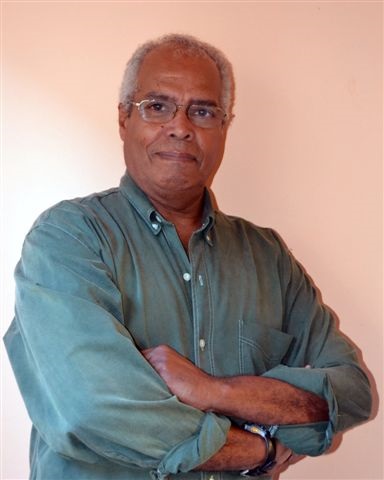
Faustino de Jesús Zamora Vargas
Supernatural
We are designed to experience the supernatural, but this comes from truly knowing God personally, not just intellectually, by actively engaging with H...
A Touch from God
For a long time I have prayed for those around me, but I often found myself selectively wondering whom God truly wanted to save. However, I realized t...
Decisions in the Fear of God
Believing in God's Word renews the mind and frees us from guilt and sin. We have a new identity in Christ and are no longer slaves to sin. However, de...
Charles Spurgeon
God's Precious Treasure: You!
My beloved friends, what a grand paradox unfolds: God's truth reveals His greatest power most brilliantly displayed in our deepest weakness. Though we...
Kept from the Evil One
Beloved, we hear two voices of keeping: the Father’s promise and the Son’s prayer, both flowing from one heart of love. Our preservation comes not fro...
Hark! the Opened Ear
My beloved friends, the very root of all true faith and enduring obedience is the blessed posture of receptive listening, an "opened ear" to God's voi...
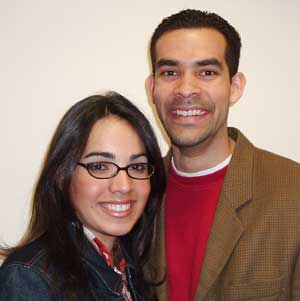
Omar Soto
Lord, Let Your Light Shine on Our Plans
In Psalm 90:16-17, the writer asks God to bless their plans and bring favor and glory to their work. This type of prayer can be beneficial in addition...
Finding Comfort During the Day
In this passage from First Thessalonians, the Apostle Paul expresses his impatience and desire to see his spiritual children in Thessalonica, despite ...
Our Responsibility - Prepare the Way for the Lord
The passage from Isaiah 40 speaks of preparing a way for the Lord in the deserts of our lives. It calls for reversing things, going in a new direction...

Milagros García Klibansky
I Am
Have you ever wondered who you are? In the Gospels, Jesus repeatedly declares "I am" and defines his identity as the bread of life, the light of the w...
Planning
We often make plans without considering God's will, and when they don't work out, we become frustrated and fight against the current. However, when we...
The Hug of the Father
When we hit rock bottom and feel like we can't continue, open arms are waiting for us at the cross. God will receive us no matter our past or circumst...

Samuel Acevedo
Christmas - the God of the Impossible
In Luke 1:46-49, Mary sings a song of victory and war, known as the Magnificat. She exalts God for looking upon her baseness and promises that all gen...
God Rewards Those Who Seek Him
The message discusses Hebrews 11:6, which states that it is impossible to please God without faith and that those who seek God will be rewarded. The m...
Be Still, and Know That I Am God
In Psalm 46, the key text of Palm Sunday, the prophetic Word of Zechariah 9:9 is echoed. The message is about waiting for our King and Redeemer to res...
Alberto González Muñoz
The Royal Palm
The royal palm tree is a symbol of pride and sovereignty, but its greatest beauty, its height, is also its greatest weakness. Similarly, pride and arr...
Judas' Betrayal
The name Judas has become unpopular due to its association with Judas Iscariot, who betrayed Jesus for thirty pieces of silver. Judas's greatest betra...
Unanswered Prayers
Just because we pray for something doesn't mean God will grant it. We can't command God to obey us, and we shouldn't fall into the trap of thinking th...