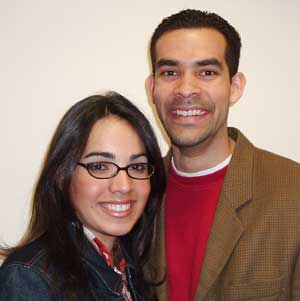
Omar Soto
Summary: Omar Soto is a pastor originally from Puerto Rico with a Bachelor of Science in Exercise Science and Health Promotion and a Master of Divinity. He is currently completing his Doctor of Ministry at Gordon Conwell Theological Seminary with a concentration in Preaching. He teaches at Gordon Conwell and coordinates Youth United for Christ ministry. He lives in Massachusetts with his wife and son and desires to lead others to a relationship with Jesus Christ.
Omar Soto is originally from San Juan, Puerto Rico. Shortly after graduating from high school, he received his call to the pastoral ministry. Omar holds a Bachelor of Science in Exercise Science and Health Promotion from Universidad Sagrado Corazón in Santurce, Puerto Rico, a Master of Divinity from Andover Newton Theological School, and is currently completing his Doctor of Ministry at Gordon Conwell Theological Seminary with a concentration in Preaching.
In addition to his ministry in the local church, he also teaches at Gordon Conwell's Boston campus in the area of Preaching. Omar maintains an active relationship with other youth ministries in Boston and southern New England as Youth United for Christ ministry coordinator. Omar resides in Massachusetts with his wife Aidimarys and their son Lucas. Omar's great desire is to lead others into a transforming relationship with the Lord Jesus Christ.
Publications
Lord, Let Your Light Shine on Our Plans
In Psalm 90:16-17, the writer asks God to bless their plans and bring favor and glory to their work. This type of prayer can be beneficial in addition to asking for God's plans for our lives. The start of a new year can bring both good and bad, and we must trust in God's affirmation and guidance in all situations. Like Moses, we may have fears and doubts, but we are clay vessels in God's hands. Evangelism is a crucial aspect of our faith, but we should allow God to work through us to reach hearts. We must also remember that God affirms us and sees our worth, even when we may have low thoughts of ourselves.
The speaker encourages his audience to see themselves as valuable and important to God, even if they may feel overlooked by others. He shares a story of a friend who experienced an act of kindness and challenges his audience to consider how they can do the same for others, even those from different communities. He prays for God's guidance and affirmation in their lives and for His blessing on their journey.
Finding Comfort During the Day
In this passage from First Thessalonians, the Apostle Paul expresses his impatience and desire to see his spiritual children in Thessalonica, despite his own tribulations. The message is about finding comfort during the journey of waiting and discerning when it is time to wait and when it is time to take action. We must be careful that our desire to see God's hand in our lives does not overshadow our desire to see His blessings edify the lives of others. We should seek the well-being of others and find comfort in the truth that when we seek the well-being of others, God will take care of what we need to be in our place as well. As we approach Christmas Day, we should reflect on how we can be conduits of God's blessings to those around us.
The prayer asks for guidance and protection during the busy holiday season, and for the ability to find time to pray and help others. The speaker asks for a peaceful rest and renewal of energy, and for inspiration to live in accordance with God's principles. The prayer is given in the name of Jesus.
Our Responsibility - Prepare the Way for the Lord
The passage from Isaiah 40 speaks of preparing a way for the Lord in the deserts of our lives. It calls for reversing things, going in a new direction, and thinking differently. We must prepare the way for the Lord ourselves, as it requires work and responsibility. The story of Mary's encounter with the angel Gabriel shows how we can prepare for the impossible by opening ourselves to the mysteries of God and confronting the impossible with confidence in God's promise. It also requires humility and contemplation of the hope that comes with Christmas. The journey to the manger should transform our lives according to God's purposes and designs. We should focus on the true meaning of the season and reflect on the arrival of Jesus as King in our lives.
The speaker asks for God's blessing on everyone present, especially the Serrano family and their friends. They ask for God's word to stay with them and for His grace to continue to be present.
God Wants Us to Develop
The Book of Jeremiah chapter 29 encourages seeking peace in the city in which one is situated. This is particularly relevant in situations of oppression and exile, where healthy relationships and interactions with others can bear witness to the light of God within us. However, caution is advised against false prophets who distort the truth of God. It is important to seek God's guidance in all aspects of life, and to trust in His sovereignty and plans for us. Despite challenges and difficulties that may lie ahead, we must continue to walk in faith and encourage one another with the knowledge that we belong to the Lord.
The speaker encourages the audience to trust in God, even in uncertain times. He reminds them that all things work for the best for those who love God, and encourages them to reflect God's love and fruit of the Spirit in their daily lives. He ends with a prayer for protection, strength, and courage for the audience, and blesses them in the name of Jesus.
How Should a Christian Vote?
The speaker addresses the controversial topic of voting in the upcoming election from a Christian perspective. Rather than focusing on who to vote for, the speaker urges Christians to consider how to vote based on the principles of the Kingdom of God. The speaker emphasizes the importance of prayer for those in positions of power and the church's responsibility to stand firm in the principles of the word of God and denounce injustices. The speaker warns against putting hope in political figures and systems, as our true citizenship is in heaven. Ultimately, the speaker encourages Christians to make their decision based on what God is demanding of the church today and to remember that whoever is elected, we have a call to pray for them.
The speaker encourages the church to pray for whoever is elected on election day and to prepare themselves for when God intervenes. He believes that the church can make a mark by voting and defending the principles of the Kingdom of God. He urges the church to read books and understand the issues in society and politics so that they can align themselves with the principles of God's word. The speaker prays for wisdom, courage, and discernment for the church to denounce and declare the truth and justice of God. He asks for God's protection, peace, and strength for the church to face whatever tomorrow may bring. The speaker closes with a blessing and a greeting of peace.
Will I Be Able? Will I Be Able to Do This?
The speaker poses the question of whether we have ever asked ourselves if we are capable of facing challenges in life, and offers examples such as work projects, academic struggles, parenting, marriage, and personal struggles. He suggests that when we view challenges through our own human eyes, we tend to feel less capable, but when we view them through God's eyes, our capacity increases. He emphasizes that God is a God of peace and wants us to be calm and hopeful in Him. The speaker cites Hebrews 13:20-21, which refers to God as the God of peace who raised Jesus Christ from the dead, and who can empower us to do His will. He encourages listeners to ask God for wisdom and gifts of the Spirit to help them face challenges, and reminds them that God can work in and through them to accomplish His purposes.
God works in us and through us to make us competent and live according to His principles. He disciplines us to show us the path He wants us to follow, not through punishment, but through correction and teaching. He wants us to be strong and well-equipped, and He sends His angels and puts people around us to help. We should react with love, not according to the patterns of this world. Jesus is in us, and He equips and prepares us to face any challenge. We should allow every situation to become our learning laboratory and see the hand of God at work. We should align ourselves with the desires of God's heart and live according to His word. May God bless and keep us and grant us His peace.
After You've Suffered a Little While...
The speaker shares a message of encouragement and hope from Isaiah 41:10-13, reminding listeners not to fear because God is with them and will support them. They then reflect on the hymn inspired by 1 Peter 5:10, which acknowledges that suffering is a necessary part of growing and maturing in faith. The speaker shares various passages from 1 Peter and James that speak to the role of suffering in the Christian life, and encourages listeners to cast their anxiety on the Lord and remain vigilant against the enemy.
You are not alone in your suffering, there are others going through the same thing and God is with you. He will perfect, affirm, strengthen, and establish you. Trust in God's plan for your life and give Him the glory forever.
Let Us Not Get Tired of Doing What God Asks of Us
God is beautiful, mysterious and complicated. We may not always understand how God is working in our lives, but we can trust that He has a big and beautiful plan for us. We should not lose our focus on Him and instead, fix our eyes on Him. Circumstances steal our strength, but when we focus on God, He gives us strength to face what lies ahead. We should take advantage of every opportunity to connect with God, even the simple moments. God wants our cups to overflow and we should trust in Him. We thank God for all that He has done and all that He will do in our lives.
Effective Prayer
The effective prayer is not just a formula or a set of rules but has different dimensions. Confessing our offenses to others and seeking healing through prayer is crucial for effective prayer. A just person is someone who is right with God and others and has no deceit in their spirit. Effective prayer also requires examining our motivations and being at peace with God. It is not necessary to pray for hours or have grand gestures, but simple and sincere prayers can be effective. When we operate from a place of love and seek reconciliation with others, our prayers have power. We should never give in to unbelief but have faith like a seed.
Turn to the person next to you and say "Your prayer is powerful because you are a just person." Let's all remember this and keep it in our hearts, allowing the Holy Spirit to make it relevant in our lives. Let us have faith like a small seed that grows into something bigger.
The Prayer That Nourishes Our Trust in God
The passage in 1 Samuel chapter 30 tells the story of David and his men coming to Cyclag, finding the city burned and their wives and children taken captive by the Amalekites. David was distressed and the people even spoke of stoning him. However, David strengthened himself in the Lord his God and sought direction from God. He asked if he should pursue the marauders and God said yes. This prayer that nourishes our trust in God is a prayer that has to be proven in high-pressure situations, seeks resources, is open to God's direction, and knows how to wait on God's response. Trusting in God is synonymous with difficult situations and we have to learn to trust Him in those times.
The speaker encourages listeners to trust in God during times of waiting and desperation. They suggest using resources such as the Bible, prayer, and inspirational books to help guide one's path. The speaker also uses the analogy of a dance with God, where He takes the lead and guides us through difficult situations. The speaker ends with a prayer for guidance and faith.
Trust in God in the Midst of Waiting
In this sermon, the speaker emphasizes the importance of having a courageous faith and trusting in God's timing, even in the midst of waiting. He acknowledges that waiting can be difficult, but suggests that God may be using it to develop spiritual qualities such as perseverance, confidence, patience, and subjection. He also warns against being distracted during the waiting period and encourages listeners to intentionally seek to do good and trust in the Lord.
The speaker encourages trusting in God and doing good even in times of confusion, frustration, and waiting. Delight in God and commit your ways to Him, acknowledging Him in all things. Fear the Lord and depart from evil, and trust that God has our best interests in mind. The speaker asks God to instill life, peace, and encouragement in those who may be considering giving up, and for God to guide and bless them.
No Matter What, Trust God!
The message of the sermon is to trust in God no matter what, inspired by the motto of a children's summer camp. The first point is to trust God no matter where you are, as the scripture says that God is with you wherever you go. The second point is to trust God no matter what happens, even if it's a difficult situation or a bad diagnosis. The third point is to trust God no matter what people do to you or what you do to others; repent and trust that God will help make amends. Lastly, no matter how you feel, trust God, as the Psalmist says, "To you, O Lord, I will lift up my soul, my God in you I trust." The message is an exercise of faith, as the pastor admits to struggling with it himself.
The pastor acknowledges that he is just like everyone else and that the message for tonight is to trust God no matter what happens in our lives. He leads a prayer asking for God's blessings and guidance in all situations.
The Olympic Spirit of the Son of God
The speaker reflects on the idea of the Olympic spirit and how it relates to the life of a child of God. They discuss the dedication and sacrifice required to achieve success as an athlete, and how the same determination is needed in the long-term marathon of life as a Christian. The speaker encourages listeners to identify and remove anything that may prevent them from moving forward in their faith, with the ultimate goal of fixing their eyes on Jesus. They emphasize the importance of running with purpose and direction in order to obtain an incorruptible prize.
In Philippians 3:12-14, Paul encourages us to run the race of life with a sense of purpose and direction, and to strive towards an incorruptible prize - the supreme call of God in Christ Jesus. He emphasizes the importance of humility, forgetting what is behind us, and extending ourselves towards what is ahead. Our goal is found in what Jesus has for us, and we should wake up each day with the expectation of getting closer to that prize. Even when we fall or face frustration, we should keep our eyes on Jesus and continue towards the goal he has established for us.
Jesus - the Giver and Keeper of Promises
In 2 Peter 3, the author warns of scoffers who have lost their faith in the promises of God. The author reminds us that the Lord does not delay his promises, but rather, he is patient with us and desires for all to come to repentance. The passage encourages us to hold onto hope in the promises of God, even when we face trials and tribulations. The author also reminds us that God is not a man to lie or repent, and that even if we have broken promises in the past, God's promises remain steadfast and true. We may not always see the fulfillment of these promises in our own time, but we can trust that God is faithful and will fulfill them in his own time.
The speaker talks about living by the promise of God and how it gives us a sense of fullness, confidence, and courage to face whatever comes our way. He emphasizes the importance of repentance as a habit in our daily lives and explains how it means changing direction when we realize that what we were doing was not bringing us satisfaction or meaning. He reminds us that our source of life is found in Jesus and that we should keep our gaze fixed on Him, even when our circumstances are contradictory to the promises we believe. The speaker concludes by urging us to seek peace in God and to take our eyes off our circumstances, recognizing that we have failed but that God can restore us and our relationships.
Lives That Reflect Christ
The speaker discusses how to live a life that reflects Christ, focusing on five points. First, the life of a believer is a life of faith, walking by faith and not by sight. Second, it is a life of light and peace, reflecting the peace of God in all interactions with others. Third, it is a life of love, sacrificing personal desires to serve others and promote unity. Fourth, it is a life of forgiveness, letting go of grudges and reconciling with others. Fifth, it is a life of obedience, following the example of Christ and obeying his commands. The speaker emphasizes the importance of these qualities in reflecting the light of Christ in the world.
This sermon discusses the importance of walking as Jesus walked, which involves living a life that reflects light and peace, being defined and stable in one's vocation, feeding one's spirit and not satisfying the desires of the flesh, being diligent, and seeking to understand God's will in everything. The speaker emphasizes the need to be intentional in living a life that reflects Christ and encourages listeners to examine themselves and work on areas that need improvement. The sermon ends with a prayer for God's grace and guidance in this process.
Transfigured to Serve
The speaker shares a premise that all revelation of anointing and power in church services should be used for the restoration of each person as a child of God. He notes that the presence of God is powerful and overwhelming, citing examples from the Bible of people who could not resist it. He acknowledges the desire to stay in this presence but emphasizes the importance of being equipped to serve and impact the community. The speaker finds a secret in the passage of the Transfiguration and shares that all of us have something of an evangelist in us. He concludes by urging us to share what God has given us and impact those around us.
The speaker shares insights from Matthew 17 about the transfiguration of Jesus and how it relates to the manifestation of God's glory in our lives. He emphasizes that all of us have a part to play in evangelizing and sharing God's love, and that the purpose of anointing and power is for the restoration of relationships. He challenges the church to seek a transfiguration experience that expands our light exponentially and allows God to work through us in all areas of life. The speaker also emphasizes the importance of discernment in the face of worldly manipulations and the need to persevere in faith during these crucial times. The prayer at the end asks for God's guidance and for the spirit of Elijah to manifest in us once more.
Listening Well to Build Better
The Sermon on the Mount teaches about the values of the Kingdom of God and how disciples of Jesus should live. The message encourages us to seek the Kingdom of God first in everything we do. Jesus warns against judging others and reminds us to treat them the way we want to be treated. He then draws two illustrations of two paths, two fruits, two declarations, and two builders. The narrow path leads to life, and the broad path leads to destruction. Jesus is not making things sound difficult but reminding us to appreciate what is hard to earn.
In Matthew 7:13-29, Jesus talks about two paths, two fruits, two statements, and two builders. He says that the path to eternal life is narrow and difficult, but the path to destruction is wide and easy. He also says that one can know a person by their fruits, and that a good tree cannot bear bad fruit, and vice versa. Jesus emphasizes the importance of not just saying "Lord Lord" but actually doing the will of God. He compares building one's life on a solid foundation to building a house on rock, and building one's life on a weak foundation to building a house on sand. Jesus encourages listeners to build their lives on the foundation of Christ and to listen well to His words in order to build better. He reminds listeners that trials and tests of life are necessary to validate the quality of our foundation, and that we need to put our trust in God in all circumstances. The message is a call to live a life that reflects being a true disciple of Christ.
What Is the Reward That Motivates You to Do What You Do?
In the Sermon on the Mount, Jesus addresses his disciples on how they should live in light of the principles of the Kingdom of God. He speaks about attitudes, treatment of others and one's relationship with God. In chapter 5, Jesus talks about loving one's enemies and giving respect to those who don't necessarily deserve it but are deserving of it in God's eyes. In chapter 6, Jesus warns against being motivated by vainglory and seeking applause from others. He emphasizes doing things for God's reward and not seeking earthly rewards. God's rewards are not necessarily measured in cash, but rather can come in the form of having a good conversation with a loved one.
The best reward comes from God, and His rewards come according to what He understands is best for us. When we pray, we should have a moment of intimacy with God, and not use vain repetitions or fillers. Our spiritual practices should have the correct motivations, such as honoring God and bringing glory to His name. We should not get carried away by the greed of our eyes, which can lead to a focus on money and compromise our morale. We cannot serve God and riches, and should seek to make treasures in heaven. The root of all evil is the love of money.
Jesus' Perspective on Divorce
The sermon discusses the need for integrity and respect in marriages, particularly in the context of infidelity. The speaker emphasizes the importance of protecting one's marriage through mutual respect and love, and the dangers of pride and fantasies. The speaker also addresses the need for modesty and discretion in dress, particularly in a church context, to take care of one another. The speaker acknowledges the high divorce rates among Christians and emphasizes the importance of the church in providing pastoral counseling and support to strengthen and heal marriages.
The sermon focuses on living in accordance with the teachings of Jesus, specifically in regards to marriage and being true to one's word. Divorce rates within the church are discussed, and the importance of maintaining strong, healthy marriages is emphasized. The need for a strong, robust Church that lives in accordance with absolute truth is also highlighted. The importance of being careful with one's words and promises is stressed, and the need for balancing church commitments with personal/family time is discussed. Overall, the message encourages living a balanced life in accordance with Jesus' teachings.
The Humble Heart Receives God's Blessing
The Sermon on the Mount is Jesus' thesis on how a disciple should live and align themselves with the principles of the Kingdom of God. It can be divided into three parts: attitude, motivation, and action. The first principle is that the humble heart will receive God's blessing. This means recognizing that we need God's grace and blessing in our lives. The second principle is being the salt and light of the world, reflecting God's love and grace through our actions. Justice is defined as living in accordance with the will of God, not our own interests. Jesus also teaches us to control our anger and not let it control us. In summary, we must align ourselves with God's principles and live justly to be true sons and daughters of God.
In this sermon, the speaker discusses the importance of living in accordance with God's principles. They focus on the teachings of Jesus in Matthew 5, particularly the importance of honesty, humility, and integrity in our relationships with others. The speaker emphasizes the need to settle accounts and make amends with others before praying to God. They also touch on the topic of living with integrity in the context of marriage, acknowledging that this is a complex and sensitive issue that requires careful consideration. The speaker encourages the audience to reflect on these teachings and incorporate them into their daily lives. They end the sermon with a prayer for blessings, protection, and rest.
Change the Foundation from Sand to Rock
In Matthew chapter 7, Jesus tells a parable about two men building houses, one on a solid foundation and one on sand. The man who built on the solid foundation was able to withstand the storms of life, while the man who built on sand suffered great ruin. Jesus is referring to the importance of building our lives on a foundation of faith in Him.
The parable concludes the Sermon on the Mount, where Jesus teaches about the attitudes and motivations behind a holy life. He begins by talking about the poor in spirit, the mournful, the meek, and the merciful, emphasizing the importance of the condition of the heart over material possessions.
Choosing the Right Foundation
In this sermon, the speaker discusses the parable of the two foundations found in Matthew 7:24-27. The parable emphasizes the importance of building a strong foundation for our lives by paying attention to the teachings of the Lord and acting on them. The speaker notes that both the prudent and foolish builders put in effort to build their houses, but the difference is that the prudent builder chose a more secure foundation. The speaker also discusses the importance of understanding the place we are building on and interacting with it actively. The speaker notes that Jesus is identifying his teachings as the foundation to build on, specifically referring to the Sermon on the Mount. The Sermon on the Mount contains qualities that define a true disciple of the Kingdom of God. The speaker also notes that the allegory of the rain, rivers, and winds that beat against the houses can be interpreted as life situations or the day of the last Judgment.
The parable of the two foundations can be interpreted as life situations that test the type of character we have, or as the day of the last Judgment. Jesus is making a clear distinction between those who listen to Him and do what He says, and those who do not. He emphasizes that our lives must reflect what it is to live according to the Kingdom of God, and that we will be known by our fruits. The success of building our lives on the correct foundation depends on how we apply the words of Jesus and make the effort to live according to them. It is never too late to build on the correct foundation, which is Jesus. We must be sensitive to His voice and adjust our lives in light of His desires. We can be confident that He will always support and strengthen us, no matter the situation.
The Pearl of Great Price
The formation of a pearl is a process that takes years and begins with an irritant entering an oyster, causing it to release a substance known as mother-of-pearl. The substance covers the irritant, forming the pearl. In the Bible, the pearl of great price is often interpreted as Jesus, but the preacher suggests that we are the pearls and Jesus is the merchant seeking something of great value. Our experiences of pain and irritation, whether accidental or intentional, are the layers of mother-of-pearl that make us valuable to Jesus. The preacher encourages us to see ourselves as valuable pearls and to recognize that the Lord sees the value in our lives, even when we don't.
The Lord sees the value in each of us, no matter how small or despised by others. He takes pity on us and knows our struggles. We should allow Him to determine the value of our lives, not other people. We should see ourselves in the light of His truth and let Him fulfill His purpose in our lives. The Word of God is life, light, and truth, and we should let it affect us deeply. Let us be content with being part of His Kingdom and finding our unique identity through Him. May His love abound in our lives always. Amen.
Make God's Love Known at the Moment He Gives You the Opportunity
The book of John elaborates on the events that happened after the resurrection of Jesus. The disciples experienced mixed feelings of abandonment, frustration, doubts, fear, joy, amazement, and expectation. In John chapter 21, Peter and the disciples go fishing but catch nothing until Jesus appears and tells them to cast the net again. They catch a large number of fish, and Jesus invites them to eat. However, the disciples had forgotten Jesus' teachings and promises, which reflects humanity's ease of forgetting important things. James 1:19-25 reminds us to receive the implanted word with meekness and be doers of the word, not just hearers. We must live with an awareness of Jesus' teachings and promises, reflecting our role as the salt and light of the world.
The speaker encourages listeners to be mindful of Jesus in their daily lives and to be salt and light to the world. He challenges them to remember Jesus' teachings and to live them out in their interactions with others, even in difficult situations. He also emphasizes the importance of discernment and being open to opportunities to share God's love with others. The speaker prays for listeners to be transformed into Christ's image and for God's blessing and protection as they go about their lives.
Interview March 7, 2012: My First Encounter with Jesus
Greg Bishop shares his personal experience of how he came to accept Jesus Christ as his Lord and Savior. At 15 years old, he thought Jesus was cool and believed he represented peace and goodness. However, his Christian friend told him that Jesus was either the Son of God or nothing at all. Despite this, Greg continued exploring other spiritualities until he had a spiritual experience that made him realize the reality of the spiritual world. He began attending his cousin's Pentecostal church and eventually gave his life to Christ. Later on, he had an experience of being filled with the Holy Spirit and speaking in unknown languages. Overall, Greg's experience shows the role of the Holy Spirit in bringing people to Christ and the transformative power of accepting Him as Lord and Savior.
In this sermon, Pastor Greg talks about his experience of receiving the filling of the Holy Spirit and speaking in tongues. He also shares his personal experience of Jesus and how he sees Him at a table waiting for his answer to sign a document of commitment. Pastor Greg encourages the church to give their lives fully to Christ and trust in Him to multiply their efforts, just like Jesus multiplied the loaves and fishes. He invites everyone to take a step of faith and truly give themselves to Jesus, knowing Him as their Lord and Savior.
Going Back to First Love
The message is about returning to our first love, which is our passion and devotion to Jesus Christ. The passage from Revelation 2:2-5 talks about the church in Ephesus, which had been doing good works but had lost their first love. The first love can be interpreted in two ways: the love for other believers and non-believers, and the personal passion and devotion toward Jesus. The routine of life can easily put out the flame of love, and we need to be intentional in re-capturing it. The recipe for re-finding that first love is to remember where we have fallen from and repent, and do the first works. We may need to put some things aside for a moment to find that central resource.
The speaker discusses the importance of finding one's first love for God and how this can be achieved through repentance and turning towards a life full of love and passion for the Lord. He encourages listeners to reflect on their own love for God and to seek out the essence of that love by removing any obstacles in their lives. The speaker acknowledges that this series will be a challenge for him and hopes that his passion for God will inspire others to do the same. He ends with a prayer asking for God's guidance in helping listeners find their first love for Him again.
Aware of the Unconscious
The message is titled "Aware of the Unconscious" and discusses how much of our behavior is determined by our unconscious feelings and actions. The speaker uses examples of situations where we act unconsciously, such as in relationships or job opportunities, and how dangerous it can be if we are unaware of this behavior. The speaker also references two biblical stories, one about Elisha and his servant and the other about the road to Emmaus, to illustrate how important it is to be aware of the unconscious and to seek God's perspective.
The sermon discusses the importance of being aware of the unconscious and how God reveals new opportunities to us. The speaker uses the stories of Jesus revealing himself to his disciples and Elisha's servant seeing the army of angels to illustrate how God removes the blindfold from our eyes so that we can see things clearly. The speaker emphasizes the need to align our actions with this new reality and to be open to the revelations that God has for us. The sermon concludes with a prayer for the congregation to be more aware of God's plans for their lives.
We All Need Another Chance
In Luke chapter 13, Jesus tells the parable of a man who had a fig tree planted in his vineyard, but it did not bear fruit. The owner wanted to cut it down, but the vinedresser asked for another chance to fertilize it and see if it would bear fruit. This parable teaches us that we all need another chance to bear fruit in our lives, to live according to the gospel of Christ Jesus. We may have potential, but if we do not execute based on that potential, it is useless. We need to live ethically and transmit our life of faith to practical life, even when it is difficult to love or forgive someone. God gives us second and even multiple chances, but we need to take action to bear fruit and live according to His will.
The speaker encourages listeners to submit to leaders with different philosophies, and to strive to align with God's expectations. He uses the parable of the fig tree to illustrate God's mercy and grace, and urges listeners to take advantage of opportunities for change and growth. The prayer at the end asks for God's guidance and help in making necessary changes in character and behavior.
Take the Risk and Live According to the Truth
The pastor encourages people to visit the church's website and listen to sermons throughout the year, as the Bible is versatile and the message may impact someone differently at different times. He talks about taking risks in life and how many people avoid it due to fear. He shares examples from the Bible of people who took risks, such as the lepers in Second Kings, Esther confronting the king, and Sadrac, Mesac, and Abednego not bowing down to an idol. The pastor emphasizes that taking risks can lead to transformation and a closer relationship with God. He gives an example of couples avoiding conflict by not having conversations and encourages them to take risks and have those difficult conversations.
The speaker encourages listeners to take risks in their relationships with family, friends, and God. He acknowledges that it's difficult to confront conflicts, but it's important to have those conversations to bring about reconciliation. He emphasizes the need to trust in God and to believe in His promises, even in uncertain situations. Ultimately, taking risks can lead to victory and growth.
God Keeps Creating Your Life
God is in the business of creating our lives, forming and fashioning every detail to forge the person and character He wants us to be. Just like in the creation of the universe, when God began to form the earth, it was still formless, disorganized, and dark. But the Spirit of God was moving over it, even in the chaos. And when God spoke the words, "Let there be light," He Himself stood in the darkness and brought light into it. Similarly, in the midst of our own chaos and disorder, God is there, and He will bring His light and order into our lives. We need to believe that what God will do in our lives will be good, even if it may hurt at times. We need to trust in His plan and purpose for us, and let His light shine in our darkness.
God Continues to Create Your Life
The message today is about God continuing to create our lives, just like how He created the world in Genesis. Even when our lives seem messy and dark, God is there and His Spirit is moving over us. We need to wait for the light that God will bring into our lives, which is not just external but also an internal illumination by God Himself. Despite losses and difficulties, God can bring a new direction and meaning to our lives that will be good, just like how God saw His creation as good in the book of Genesis. We need to believe in God's plan for our lives and trust that what He brings will be good.
See Failure as the Matrix of Success
The speaker reflects on the different stories and dramas of people's lives, acknowledging that some are starting the new year with a sense of optimism, while others face difficult times. He believes that failure is a necessary part of the Christian life, as it allows one to grow and move to another level. He cites examples from the Bible, including Abraham, Moses, David, and Peter, who all experienced failures but ultimately fulfilled God's purpose in their lives. He also tells the story of Samson, whose strength was in his hair, and how he fell into failure after revealing his secret to Delilah. Despite his torture and imprisonment, Samson's hair began to grow back, giving him hope for the future.
The sermon is about how failures can become opportunities for growth and success in our lives, using the example of Samson from the Bible. Despite Samson's many failures, including losing his strength and being captured by his enemies, he ultimately found strength in God and was able to use his final act of destroying a building to defeat his enemies and fulfill God's purpose for his life. The speaker encourages listeners to have a positive outlook on failure and to trust in God's plan for their lives, even when things seem difficult. The sermon ends with a prayer for God's blessings on the listeners and for the church's Wednesday night services to be a source of renewal and connection with God.
The Lord Himself Will Give You a Sign
The Christmas story from Isaiah 9 talks about the birth of Jesus, who is called Counselor, Mighty God, Everlasting Father, and Prince of Peace. Christmas is a time of new beginnings for many people, but it can also be a time of stress or sadness for others. The context of the Christmas story was a time of darkness, chaos, and violence, but God gave a sign in the form of Jesus to bring hope and light into the world. The story of the virgin birth, the wise men, and Herod's plot shows that the Christmas story is not just a beautiful image, but a real event that happened in a challenging time. God's desire to enter into our lives and transform our existence is what Christmas is all about.
Christmas is a time when God intervenes in our lives and transforms our circumstances. He rescues us from conspiracies and provides for us through unexpected means. The birth of Jesus is the most precious gift that God has given us, and if we want this Christmas to be different, we need to invite Jesus into our lives. He brings light, peace, strength, and direction to our lives, and we need to rest our whole lives in Him.
The Manifold Wisdom of God
The passage in Ephesians 3:10 talks about the multiform wisdom of God, which means that God has different sides that we can experience and learn about. As a church, we reflect this multiformity through our diverse members from different generations and cultures. We cannot put God in a box and must be open to experiencing Him in different ways. It's important to learn to live in harmony with each other, not judge, but discern and distinguish what is good and not so good. Our faith grows when we dare to process complex and gray areas of the Bible. We must pray, ask, and search, trusting that God will answer in His time and way.
In Romans 14, Paul talks about the importance of living in harmony with each other and not judging others. Judgment is important for discernment, but we must be careful not to cause others to stumble. We should focus on what contributes to peace and mutual edification. In Colossians 3:12-14, we are told to clothe ourselves with love, patience, humility, and forgiveness. We should bear with one another and forgive each other just as Christ forgave us. We must wait for God and not lose faith in our pursuit of Him. The speaker encourages the congregation to continue attending Wednesday services not for the guest preachers, but for the pursuit of God's riches in glory. They pray for the fullness of Jesus to be manifested in their midst and for a new revival in the church worldwide.
Better to Give Than Receive
The speaker expresses his joy in the sustenance and victories provided by God, as well as the growth and needs of the León de Judá Congregation. He presents a graph illustrating the importance of financial contributions to meet the increasing needs of the growing membership. He emphasizes that the church's goal is to impact lives with God's love and that financial contributions are a way to support that work. The speaker acknowledges the sensitivity of the topic but stresses that the intention is not to abuse or exploit people. He concludes by encouraging the congregation to respond to God's favor by contributing to the work of the church.
The speaker encourages the congregation to show gratitude to God by responding in love and giving back to Him. Giving is not just about financial contributions, but also about giving time, affection, and commitment. The speaker emphasizes that giving brings greater blessings than receiving and challenges the congregation to dare to believe in God's provision. He also assures them that their giving is not about squeezing money out of them, but rather about contributing to a wonderful work that God is doing in their midst. The speaker ends with a prayer for God's blessing and guidance.
God Has Chosen You to Build
In this sermon, the speaker asks what motivates us to continue building in our lives and to not give up when things get tough. He shares his experience running a half marathon and how the encouragement of others motivated him to keep going. Using the example of David and Solomon in 1 Chronicles, the speaker encourages listeners to take hold of their lives and not let fear hold them back. He reminds them that God is with them and will not abandon them until the work is finished. The speaker encourages listeners to get their hands on the situation and not forget to encourage others along the way.
The message is about being a builder in your personal life, family life, and ministry. Encouraging others is important, and if God is calling you to motivate someone, don't let go until He tells you to stop. Even if it feels clumsy at first, start with baby steps and approach someone with genuine encouragement. Don't give up on what you're building, even if it feels hopeless or you've tried multiple times. God will not let go of your hands until the work is completed. Pray for wisdom and guidance to build solid, healthy, and abundant lives for yourself and those around you.
Reaching That for Which Christ Reached Me
The speaker discusses the idea of not letting past memories steal the energy needed to achieve what Christ has called us to. He references Philippians 3:12-14 and explains that forgetting the past doesn't mean erasing memories, but rather not letting them distract us from our goals. He shares his own experience of struggling with past traumas and insecurities, but eventually embracing God's call on his life. He encourages listeners to overcome habits that numb inner pain and to focus on running the race God has set before them.
The speaker discusses the importance of focusing on Jesus and getting rid of negative habits and thoughts that hold us back from reaching our potential. He emphasizes the need to think about things that are true, honest, just, pure, kind, and of good reputation. He also shares a personal testimony about how God helped him overcome negative habits and thoughts in his own life. The speaker encourages the audience to do the same and to rely on God's strength to overcome obstacles and challenges. The message concludes with a prayer for God's guidance and strength in our lives.
Love as the Force of Our Motivation
The author reflects on the importance of love as a fundamental aspect of our faith. They explain how love is the force of our motivation, and how it is manifested through our service to God and others. The author emphasizes that the greatest way in which the love of God was manifested was through the person of Jesus. They also discuss how we can verify the love of God in us by responding with love to God and neighbor. The author encourages readers to live by the mandate of loving our neighbor as ourselves, and to use our freedom to serve each other out of love. They also provide examples of how living in the love of God can help us to refrain from breaking God's laws. Finally, the author challenges readers to think about how they can serve the people around them and show the love of God.
The story of the Good Samaritan teaches us about the importance of showing love and compassion to others. As believers, we are called to love our neighbors and serve them as Jesus did. This can be difficult, especially when we have been hurt in the past or when society tells us to look out for our own interests. However, by experiencing God's love and reconciling our lives with Him, we can become agents of reconciliation and love in the world. We must be genuine in our love and not just put on a mask for church or religious settings but live out a lifestyle of love in all aspects of our lives.
Claim God's Blessing - Though It Hurts
In Genesis 32, Jacob wrestles with an angel all night until he dislocates his hip but refuses to let go until he receives a blessing. This story shows that sometimes God fights with us to bring about change and transformation in our lives. Jacob was not a perfect man, but he recognized the divine presence in the struggle and held on for a new identity and a new reason for being. Similarly, Jabez in 1 Chronicles 4 invokes God's blessing for a total change in his life. We too can hold on to God in the midst of our struggles and ask for a new name and a new identity.
The story of Jacob wrestling with God teaches us to hold on to God and not let go until we receive His blessing. We should declare blessings over others, but it must be intentional and according to God's plans for their lives. We all have struggles, but we must hold on to God and claim His blessings. We should also impart blessings on others through our actions and deeds. Let us go forward with an intentional life, recognizing the hand of God in our struggles. We pray for God's blessing and for the strength to deal with our daily lives. Amen.
Cover the Lives of Others
The speaker talks about the reality of spiritual warfare and how we must be prepared for it. He mentions the various forms that the devil's tricks can take and how we have a responsibility to not only protect ourselves but also others. He emphasizes the importance of being strong in the Lord and putting on the full armor of God to resist the devil's wiles. The armor includes girding our loins with truth, covering our hearts with the armor of justice, putting on good shoes of the gospel of peace, and taking up the shield of faith and helmet of salvation. The speaker emphasizes the need to protect our minds from negative thoughts and influences that can drag us down.
The speaker emphasizes the importance of maintaining one's spiritual armor, including the shield of faith and the helmet of salvation, in order to resist the attacks of the enemy. He encourages listeners to use the tools and words that God has given them to inspire and direct others towards God, but also to be mindful of the right time to speak. He reminds them that God is sovereign and can use all things for good, even in the midst of pain and suffering. He encourages listeners to pray for and cover their brothers and sisters in the church, and to be brave warriors for the Kingdom of God. The speaker concludes with a prayer for God's protection and strength.
X-Ray of the Heart (Part 2)
The speaker discusses instances in the Bible where Jesus was able to see into people's hearts and know their thoughts and intentions. He talks about how difficult it is for people to admit their faults and how this tendency to remain silent and hide our mistakes is not Biblical. He emphasizes that God does not despise a contrite and humble heart and that the grace and mercy of God is abundant in the Bible. He also notes that striving for holiness does not mean living in perfection, but rather it is a process of reaching towards perfection.
The speaker discusses the topic of shame and guilt and how it affects Christians. He believes that shame is one of the strongest emotions that Christians deal with, which can manifest itself in hiding and withdrawing from those we have hurt. However, he emphasizes that Christians have a great High Priest, Jesus, who sympathizes with our weaknesses and was tempted in all points as we are, but without sin. Therefore, we can approach God confidently before the throne of grace to obtain mercy and grace for timely help. The speaker also encourages us to see temptation as an opportunity to do good instead of thinking of it as something negative. He concludes by reminding us that God is always watching us, not with a sense of guilt, but with the desire to restore us to the image He wants for us and to live the abundant life He has for us.
When the Lord Approaches Your Bush of Figs
The pastor talked about the passage in Mark where Jesus cursed the fig tree because it had no fruit. The speaker shared their own thoughts about the passage and how it made them think about how God is always available to meet our needs, but what if God is hungry for us? The speaker suggests that we need to be available to satisfy God's hunger for us. They also talked about how we tend to justify ourselves when we cannot give what is expected of us, and how important it is to manage our time and respond to the time that God wants to work in our lives. They ended by reading a passage from Romans about the importance of getting up from sleep and putting on the weapons of light.
The speaker discusses the hunger of God for his people and their fruits. They discuss the need to discard the works of darkness and put on the weapons of light, and to live honestly and in a way that pleases God. The speaker notes that people often say it is not yet time to give God what he wants, but that now is the acceptable time for salvation. They emphasize that God is hungry for a fruitful, abundant life for his people and for them to live in his time, not their own. The speaker encourages listeners to think about whether they have fruit to offer God, and to reconnect with him if necessary. They pray for God to guide them towards producing sweet, nourishing fruit in their lives.
X-Ray of the Heart
The message is titled "X-ray of the Heart" and the speaker talks about how all of us have a heart condition that needs to be filled with the love of God. He refers to Hebrews 4:12-13, which says that the word of God is alive and effective and can discern the thoughts and intentions of the heart. The speaker then uses the example of an angioplasty to explain how even small things, like a clogged artery, can cause big problems if left unchecked. Similarly, the speaker says that Jesus takes x-rays of our hearts and wants to deal with those areas that are not healthy. He encourages listeners to identify any blocks they may have in their hearts, such as anger, greed, or idolatry, and attend to them before they cause bigger problems. The speaker also emphasizes the importance of taking care of oneself, both physically and emotionally, and not being a slave to work.
The speaker talks about how small things can have a big impact on our health and uses the analogy of clots in the body. They then transition to talking about how Jesus wants to treat our hearts and form us in His image. The prayer at the end asks for God's blessing on everyone and for wisdom and discernment to hear His voice and fulfill His purposes.
Let's Talk About Jesus
The preacher reflects on the question of what to preach about and realizes that the main topic should always be Jesus. He emphasizes that we should never think that we know everything about Jesus and that he is still actively transforming lives. He uses the story of Zacchaeus to illustrate how Jesus can interrupt our routines to spend time with us and bring about life-changing encounters. The preacher highlights how Zacchaeus was moved by Jesus' presence and decided to make amends for his wrongdoings, leading to salvation and a new perspective on life.
The passage talks about different types of encounters with Jesus, including unexpected encounters like the one with Zacchaeus, planned meetings like the one with Martha and Mary, decisive encounters like the one with the first disciples, and encounters that can be both a blessing and a conflict like the one with Lazarus. These encounters can interrupt our routine and break stereotypes, and they remind us to balance service and devotion in our relationship with God. Overall, the passage emphasizes the importance of being open to Jesus' interruptions and messages, even if they challenge our expectations or comfort.
Protect the Unity of the Church
The speaker stresses the importance of protecting the unity of the church, as it is essential to understanding the values of God's Kingdom. Unity does not mean uniformity, but rather a sense of alignment in thought and feeling. To protect the unity of the church, one should focus on what they have in common rather than differences, and be intentional about nurturing the aspect of the image of God that promotes harmony among people. The history of the church shows that denominations arise due to differences in interpretation, but this church celebrates diversity and welcomes people from different backgrounds.
The speaker talks about the importance of protecting the unity of the church, despite differences in beliefs and personalities within the congregation. He emphasizes the Biblical principle of not judging others, and having realistic expectations of fellow church members who are all sinners on a journey towards perfection. He encourages choosing to motivate rather than criticize, rejecting gossip, and resolving conflicts using the methodology taught by Christ in Matthew 18. He also acknowledges that there may be times where someone must be removed from the church for the sake of unity, but this should be done according to Jesus' process. The speaker emphasizes that the church is like a family, and all members should work towards promoting peace and mutual edification within the congregation.
Search Me, Oh God, and Test Me
The speaker reflects on the difficulty of truly surrendering oneself to God's will, despite the beauty of the words that express it. He references Psalm 139, in which the psalmist asks God to examine his heart, acknowledging that only God can truly know one's character. The speaker notes that this process can be uncomfortable and vulnerable, like a physical exam at the doctor's office, but it is necessary for spiritual growth. He emphasizes the importance of letting God examine us on his own terms, without conditions or reservations. The speaker concludes by urging listeners to have the courage and willingness to let God work in their hearts.
The speaker talks about the importance of examining one's heart and allowing God to test and reveal the hidden things within. He emphasizes the need to keep one's heart pure and avoid being influenced by the world around. He also touches upon the idea that every temptation is an opportunity to do good if one responds according to God's will. The speaker ends with a prayer for God's blessings on the listeners and a request for the message to resonate with them.
Seek the Kingdom of God and What Else?
The speaker shares a personal testimony about how his faith was affirmed during a recent prayer session. He encourages the audience to strengthen their own faith and belief in God's promises. He then addresses a question from a member about what it means to seek the Kingdom of God and his justice. He explains that seeking the Kingdom of God is adopting a new ideology and living according to Jesus' teachings, which were different from the prevailing ideology of the time. He encourages the audience to adopt this new way of thinking and living.
In this sermon, the speaker discusses the concept of seeking the Kingdom of God and its justice. He compares the medieval feudal system to the Kingdom of God, where people would submit to a lord and adopt the values and principles of that region. Similarly, to seek the Kingdom of God means to submit to its principles, values, and responsibilities. The speaker emphasizes that seeking the benefits of the Kingdom should not be the motivation, but rather a desire to promote, contribute to, and protect the welfare of the Kingdom. The responsibility to protect the unity of the church is also highlighted, as it is the responsibility of each individual. The speaker suggests that the beatitudes provide insight into how to live in the Kingdom of God.
In Search of Something Better
In this sermon, the speaker talks about the aspect of faith that drives us to seek something better. He refers to Hebrews 11, which mentions the heroes or patriarchs of faith who died without receiving what was promised to them. Despite this, they longed for a better promise and looked for a homeland that was heavenly. The speaker emphasizes that faith seeks something better, not just personal desires or whims, and that God wants something better for his children. He encourages listeners to question what they are looking for and to approach God with faith.
The message of the sermon is that we should have faith in God and seek His guidance in our lives. We should ask for His favor and blessings, but our intentions should be pure and not driven by selfish desires. Our ultimate aim should be to fulfill God's promise of eternal life with Him. While God will fulfill His promises to bless us in this life, our ultimate perfection will be achieved in the afterlife. We should seek Jesus and trust in His guidance as the author and finisher of our faith.
On Faith
The speaker begins by asking the audience how many of them have faith, emphasizing the importance of having conviction and certainty in what is expected and not seen. He then explains that faith is about believing in something or someone, even beyond what our senses can prove. He relates this to our faith in Jesus Christ and the belief in his ability to save us. He presents a graph that shows the dynamic of faith in our relationship with God, where our actions respond to God's actions in our lives. He cites Bible verses to support the idea that our response to God's actions is necessary for our salvation and that God continues to act in our lives, even when we struggle. The talk emphasizes the importance of faith in our lives and our relationship with God.
The speaker discusses the four dimensions of faith. The first dimension is certainty or conviction in something, which leads to a direct relationship with God. The second dimension is faith as a gift of the Holy Spirit, which is activated in times of difficulty and moves through a person supernaturally. The third dimension is faithfulness or trustworthiness, which is influenced by faith in the Lord Jesus. The fourth dimension is the fruit of faith, which is demonstrated through a person's fidelity and trustworthiness. The speaker emphasizes the importance of understanding these dimensions of faith in order to strengthen one's relationship with God and others.
The 4 Dimensions of Faith
The speaker is meditating on the four dimensions of faith in our lives, starting with the faith that leads to salvation. He explains that this faith is essential and is activated when God puts his fingertip in a person's heart. He emphasizes that this faith cannot be fabricated artificially and is activated when a person feels a sense of conviction in their heart. The speaker believes that this dynamic of faith is revolutionary and can change a person's life.
The speaker believes that faith is not something that can be fabricated, but rather something that is activated by God's conviction in our hearts. This faith leads to salvation and is based on what God is doing in our lives. The speaker also discusses four dimensions of faith: faith that leads to salvation, faith as certainty, faith as fidelity, and faith as a gift. The speaker ends with a prayer for God to take us to a new dimension of faith and bless us in our daily lives.
Reasons Found
The sermon focuses on the idea of mixed motives and conflicting intentions when approaching God. The story of the centurion in Luke 7 is used as an example of how our intentions can sometimes collide with God's intentions for our lives. The Pharisees, who had previously criticized Jesus, were sent by the centurion to ask Jesus to heal his servant. However, the centurion later sends a message saying he is not worthy for Jesus to come under his roof, but asks for Jesus to heal his servant with just a word. The sermon encourages us to approach God with genuine intentions to grow in our relationship with Him, and not just for personal gain. The verse in Hebrews 4:12 is mentioned, explaining that the word of God discerns the intentions of the heart. The sermon concludes by emphasizing that it is important to align our lives with God's intentions.
The story of the paralytic who was healed in Luke 5 shows that Jesus saw the first need of the boy was a restoration on the inside. Similarly, God wants a direct connection with us, not just to fulfill our secondary desires. We should seek first the kingdom of God and His justice, and all other things will be added to us. We should have clear intentions when we approach God and not have mixed motives. We should align our intentions with God's desires for our lives.
Road Assistants
The speaker reflects on Psalm 23 and verse 6, which says that goodness and mercy will follow us all our lives. The speaker believes that God uses different beings and entities, such as angels and Jesus, to accompany us on our journey. The speaker also mentions the importance of wisdom and intelligence as path helpers, found in Proverbs chapter 4 and chapter 8. Finally, the speaker emphasizes the role of the Spirit of God as an important way helper, who intercedes for us in our weaknesses and reveals to us the things that God has already granted for our lives.
The Holy Spirit is always with us and helps us in our weaknesses. God has already granted us his promises according to his will for our lives. We should be aware of God's continuous presence in our lives and move according to that promise. We should not let fear dominate us but have the conviction that God is seeking to fulfill his promises in us. We should be still and calm and know that God is with us. We should trust and believe in God's word and be renewed with hope. We should rest peacefully in God and ask for his direction and revelation. We bless each other with God's joy, strength, and victory. We pray and thank God in Jesus' name. Amen.
Loving to the End
The passage from John chapter 13 talks about how Jesus loved his disciples until the end, even knowing that one would betray him and others would deny him. The message is that God loves us unconditionally, no matter how we may have failed Him in the past or may fail in the future. We should trust in His love and allow it to consume us so that we can become the men and women that God wants us to be. The prayer at the end asks for God's blessing, protection, and guidance as we leave and for the words we have received to continue to echo in our hearts.
The Privilege of Knowing Someone Well
The sermon is based on Psalm 139 and the importance of knowing someone well in establishing a healthy relationship. The speaker uses the movie "What Women Want" as an illustration of the gift of being able to listen to what someone thinks. However, he cautions that both minds can be overwhelming and dangerous. The psalmist expresses that God knows everything about us, even our thoughts from afar. Knowing someone well is a privilege and responsibility that helps in communication and understanding their needs, desires, doubts, and fears. The psalmist also acknowledges his faults and sins, but despite that, he affirms that God's hand is upon him. The sermon ends with the example of Psalm 73, where the author expresses his doubts and struggles, but ultimately affirms his faith in God.
The psalmist in Psalm 139 recognizes that God knows him intimately and that he can express himself freely before God. God affirms, strengthens, and guides him, no matter what he is going through. The psalmist is overwhelmed by the knowledge of God's love and omnipresence, and realizes that nothing can separate him from that love. He asks God to search his heart and test his thoughts, and guide him in the eternal way. The speaker encourages us to know others as they are, just as God knows us, and to love them as God loves them. This equips us to connect with others and love them in the way God intends.
God's Eyes Are Upon You
The eyes of God are always upon us, watching over our lives and paying attention to all aspects of our life. God's desire is to enrich our lives, and he is always attentive to our needs. Biblical references such as Psalm 32:8, Psalm 33:18, Psalm 34:15, and Jeremiah 24:4-7 all affirm God's watchful eye upon us. God watches over us to choose those whom he wants to bless with an intimate relationship with him, like Joshua, Gideon, and David in the Bible. Even when we are minding our own business, God is watching and paying attention to our actions and thoughts. The pastor reminds us that we need to be intentional in developing a good friendship with God and others around us.
The pastor speaks about how God's eyes are always on us and how there are benefits and challenges that come with that. The benefits include God's protection, guidance, and desire to be active in our lives. The challenges include being careful of our actions and living in a way that brings joy to God's eyes. The pastor ends with a personal testimony of how God comforted her during a difficult time.
The Importance of a Friend (Part 3)
The speaker talks about the importance of having healthy friendships and valuing the people God places in our lives. They also discuss the different ways we can approach our relationship with God, including seeing Him as our God, Father, and friend. The speaker emphasizes that love is the foundation of any relationship, and we must obey God's command to love our neighbors and ourselves. They suggest practical ways to demonstrate our love for God and others, such as helping those in need and serving others.
The speaker discusses the concept of friendship with God and how it is based on love. He emphasizes the importance of serving others as a way of showing love to God and reflects on the idea that hurting others can damage our relationship with God. The speaker believes that the ultimate purpose of love is to return to its originator, God. He cites Bible verses that illustrate God's desire for a close relationship with us, one based on friendship. The speaker encourages listeners to talk to God and to seek a deeper understanding of His love.
The Importance of a Friend (Part 2)
The speaker is continuing their discussion on the importance of friendship and how it is part of the nature of God in us. They mention that not all friendships are the same and that there are different levels of intimacy. The speaker also talks about the dynamic of interpersonal relationships and how we all come with a tag that says "as is." The speaker shares an interesting point from a book they read, which is that when we meet someone for the first time, the subconscious question that arises is "does that person like me or not?" They also share several biblical verses that shed light on the importance of friendship and the different types of friendships that exist.
The speaker discusses the importance of friendship and the risks and benefits that come with it. He uses examples from the Bible, including the story of Job and his friends and Jesus choosing Judas as a disciple despite knowing he would betray him. He encourages listeners to seek out genuine, healthy friendships that challenge them to grow and live according to their values.
The Importance of a Friend (Part 1)
The importance of a friend is ingrained in the very nature of God, as we are created in His image. People are searching for genuine friendships, and it is part of our nature to desire connection and interdependence. A friend is someone who professes and lives an intimate affinity with another based on shared values, without exceeding the limits of what can be fair or honest in that relationship. Friendships can develop quickly or take a long time, but the key is intentional time dedicated to knowing and making oneself known. Jesus himself had concentric circles of friends, and it is okay not to be a 20 for everyone.
In this sermon, the speaker talks about the importance of friendship and how it can be difficult to find true friends. He references biblical examples, such as David and Jonathan, and Jesus and his disciples, to illustrate the value of close relationships. He emphasizes that true friends are not just people who make us laugh, but also those who are willing to confront us when we are doing something wrong and help us grow. The speaker encourages listeners to seek out and cherish these types of friendships.
The Privilege of Being a Disciple
Being a disciple of the Lord is a privilege, and it is different from being a student. A disciple seeks to learn beyond what books can teach and has a direct connection with the teacher. Jesus' relationship with his disciples is an excellent example of discipleship, and in John 15, Jesus shares the most intimate secrets of the Kingdom of God with them. Knowing something gives a sense of value and importance, and it helps to impart a blessing to others. When someone shares a secret with us or teaches us something, it makes us feel important and builds a strong bond of trust and friendship.
The love of God is unconditional, but our love for Him and others is conditional. In order to receive blessings and answers to our prayers, we must remain in obedience to God's commandments. Jesus calls us to love one another as He has loved us, and to remain in Him in order to bear fruit in our lives. In a postmodern generation where truth is subjective, it is important for us to remain faithful to what Jesus commands of us as His disciples. Our privilege as disciples is having direct access to the Father and the ability to bear fruit in our lives through our connection to Jesus.
The Right Mindset to Achieve Your Goals
In this sermon, the speaker talks about the importance of changing our way of thinking to achieve our goals and resolutions for the new year. He references Romans 12:2 and urges the audience to keep their eyes on God's promises and trust in Him, even in difficult circumstances. He also emphasizes the importance of acknowledging God in everything we do, seeking His guidance and being willing to accept challenges that He brings into our lives. The speaker acknowledges that it's not easy to release control to God, but believes that doing so will lead to great things.
The speaker urges the audience to release control of their lives to God and trust that he will straighten their paths. He acknowledges that this can be a painful process, but it ultimately leads to a stronger and more upright stance. The speaker encourages the audience to have faith and believe that God will provide for them, even in difficult situations. He prays for God's protection and blessings over their lives and asks for grace and discernment in dealing with others. The speech ends with a blessing and a reminder to serve those around them.
A Company Promise
The sermon discusses the concept of a promise and how it generates a sense of hope and confidence. The speaker gives examples of promises made in different situations, such as marriage vows, promises to pray for someone, and loan agreements. The greatest gesture of a promise, the speaker says, is seen in the covenant God has made with his people. The sermon looks at biblical examples of God's promise of companionship, such as in Exodus 33 and Joshua 1. The speaker emphasizes that God's promises are beautiful and reassuring, but also notes that they do not guarantee an easy path and that we must strive to be brave. The sermon concludes with the reminder that we have a company promise from God.
The speaker talks about the promise of God's company and protection in the midst of life's difficulties, using Joshua's conquest of 31 kings as an example. They encourage the audience to be brave and not fear, knowing that God is with them wherever they go. They end with a prayer for the church and for a member who is experiencing health issues.
The Best Gift That Satisfies
The speaker talks about how during Christmas time, people look for ways to satisfy their needs and desires through gifts. However, even if they receive what they want, they will not be completely satisfied. The speaker then refers to the story of the Samaritan woman who had been through several marriages and was not satisfied. Jesus tells her that if she knew the gift of God, she would ask for water and never be thirsty again. The speaker emphasizes that the gift of God is offered by God himself and has an unlimited resource. The true meaning of a gift is not just in the gesture but also in the content. The gift from God is not designed to gather dust but to last for eternity. To accept this gift, there must be sensitivity in the heart.
The gift of discernment is important in our lives and we should ask God for it. Discernment helps us distinguish between good and bad and perceive if something comes from God or not. Examples of discernment in the Bible include King Solomon, Nehemiah, and Jesus. We need discernment in our personal lives to make decisions and avoid headaches. By being part of a church that is in line with God's call, we have a direct connection to heaven and access to unlimited resources. However, before receiving God's gift, we must fix a couple of things in our lives. God wants to deal with our interior and offer us something new to experience of His love.
The Gift of Discernment
The speaker emphasizes the importance of discernment as a gift to add to our Christmas list. Discernment is defined as the ability to distinguish and understand the origin and motivation of actions and words. Biblical references such as Samuel, Solomon, Nehemiah, and Jesus demonstrate the importance of discernment in understanding God's will and the times we live in. The speaker encourages us to ask for discernment to understand the times we live in, God's eternal designs and purposes, and to flow in prophetic words given to the church.
Discernment is an important gift from God that we need to ask for in order to make wise decisions in life. It's important to discern whether decisions we make are aligned with God's will or our own desires. We also need to discern prophetic words given to us by others and evaluate whether they are from God or not. We need to protect ourselves from the deceiving subliminality of the enemy through society and learn to listen to the Holy Spirit, who reveals God's secrets to us. Our conscience is also an important tool that God uses to communicate with us. We should ask for the gift of discernment instead of material possessions.
Enough Faith to Take the Extra Step
In Luke 22, Jesus tells Peter that Satan has asked to sift him like wheat, but Jesus has prayed for him so that his faith does not fail. The shaking in our lives separates what is disposable from what is desired and what is bad from what is good. When something seems to be over, it doesn't mean that God is done with us. The conclusion of a season in our life does not determine our destiny. We need to keep walking and not cut the momentum of other people or plans that God has for us. We should remember that another season will also begin that will bring its joys and its new tears and sufferings.
In life, we often face situations that shake us, such as in the areas of character, family, work, health, and even in the church. These situations can cause us to lose our focus and vision, but they are opportunities for God to polish us and remove what is disposable, ugly, and dirty in our lives. We should not blame the devil or run away from the situation, but instead, we should focus on what God wants to bring out of it and become the person He wants us to be. Just because something seems to be coming to an end, it does not mean that something new will not begin. We should stand firm and trust in God's dreams for us.
There Is No Enduring Vocation That Is Not First Shaken
The message is about the idea of momentum and how it connects to the Bible passage in Luke 22 where Jesus warns Peter that Satan has asked to sift him like wheat. The speaker explains that shaking separates one thing from another, and in the same way, our lives go through different shakings. He emphasizes that to have a sense of vocation, a lasting ministry or a sense of calling, we have to face moments of shaking. The speaker uses the example of Peter's denial of Jesus to illustrate that lack of faith can be a reason for failure, even if one has received a revelation from God. He emphasizes that the mere fact that there is a revelation does not mean that it will materialize until something happens between us and God to release the power of that word.
The speaker discusses how God brings words into our lives that at the moment sound rich, but we may not experience the power of those words until something more abundant happens in us. The story of Peter is used as an example, as Jesus knew what He was doing with Peter and knew his potential, but also had to deal with him and shake him on many occasions to bring out the best in him. The speaker emphasizes that the Lord knows what He is doing in each of us and wants to work with us individually and as part of a church. He encourages reflection and meditation on how God wants to work our character and person so that we can be effective servants and radical disciples committed to His Kingdom.
A Momentum, a Divine Impetus
The author speaks about how God is moving in our lives and how we need to have the correct discernment, intention, and heart to be able to discern it. He speaks about the divine momentum or impetus that God provides, which is like an energy that comes from God that we cannot manipulate but rather comes directly from him. He gives examples from the Bible of people like Joseph and the people of Israel who experienced a divine momentum despite adverse circumstances. The author encourages us to understand how God moves in our lives and to accept and receive it.
In this message, the speaker reflects on the story of the Israelites in Egypt and how they multiplied despite the efforts to contain them. He then shares a personal story of how the Wednesday prayer service at his church initially struggled to attract people, but eventually grew with the help of prayer and faith. The speaker emphasizes the importance of being in the right mindset and having faith to receive God's blessings. He also encourages congregating and being part of a community to promote the momentum of God's movement.
When It Rains, It Thunders
The speaker reflects on death as the end of one stage that begins another. He talks about how, in the midst of difficult situations, Jesus confronts us and asks if we truly believe in Him. He uses the story of the prodigal son to illustrate how death can represent the end of one stage in life, but the beginning of another. The speaker emphasizes the importance of how we proceed with this new stage, as it can mark a new beginning or not. He encourages us to make God real in the midst of difficult situations in order to move forward.
The beginning of a new season in our lives can be difficult and tumultuous without God as the axis of our lives. However, with God, even if the storms of life come, we can remain steadfast and fulfill the purpose God has intended for us. When facing a time of transition, we should remember that it is an opportunity from God to consider His desires for our lives. We should not leave these words as a mere "that's nice," but rather take action to organize our lives and ask God to direct our steps. We should pray for God to reconcile our lives with Him, reveal His purposes for us, and affirm us at these crossroads in our lives.
When Jesus Doesn't Hurry
The story of Lazarus in the Bible teaches us about the power of Jesus over life and death. Jesus waited four days before going to see Lazarus, and Martha questioned why he didn't come sooner. Jesus asked her if she believed in him and his power to resurrect the dead. The story shows that even in moments of pain and trauma, we must have faith in God and his plan, even if it doesn't make sense to us. We must trust that everything will work out for the best, even if God doesn't do what we expect him to do. The story also teaches us that sometimes God works in mysterious ways that we may not understand, but we must have faith and trust in him.
In a dream, the speaker fell but felt the presence of God lifting them up. The speaker prays for God to inspire us to live a life according to His commands and to have faith in His power to bring life and light to our situations. They ask for blessings for those listening and for safety on their journeys home.
Give Thanks for God's Mercy in the Desert
In Psalm 63, David expresses his thirst for God's mercy and his longing to see God's power and glory even in the midst of being in the desert and being persecuted. Despite his anxiety and restlessness, he can still testify to God's goodness and mercy, saying that his mercy is better than life itself. This phrase speaks to the idea that even though life may not be perfect, God's mercy and love are greater than any circumstance we may face. It is important to reflect on and testify to the blessings that God has given us, even in the midst of difficult times. David's words remind us to seek God's presence and to trust in His help and protection.
David's words in Psalm 63 show his deep longing for God, even in the midst of difficult circumstances. He acknowledges that God's love is better than life itself and praises Him for His mercy. We should follow David's example and seek God in all situations, allowing Him to inspire our lives and give us new perspectives. We should remain sensitive to hearing God's voice and obeying it. We pray for God's blessing on each other.
A Divine Moment
The speaker recaps last week's sermon on meditating on one's conduct and attitudes, citing examples from the book of Haggai. He talks about how God brings divine momentum, and how it is important to discern and ride that wave. He shares examples from the book of Acts and personal experience. He cautions that momentum can also go in reverse, citing examples from the Bible.
The speaker discusses the concept of momentum in life and how it can be positive or negative. He uses the example of Joseph from the Bible and how his momentum was initially positive but then became negative when his brothers sold him into slavery. However, the speaker emphasizes that even during negative momentum, God is still with us and can use it for good. He also warns against disbelief, conformism, trying to ride someone else's wave, and focusing too much on oneself, as these can all hinder God's momentum in our lives. The speaker encourages listeners to discern what God is doing in their lives and to take risks in order to catch the wave of God's momentum.
Wake Up
The passage from Haggai 1 speaks about the people of Israel who were returning to Jerusalem after their 70 years in exile in Babylon. They were discouraged and had settled into exile, comfortable with their present situation. They were also insensitive to God's heart's desire to return them to the place where he first planted them. They were focused on a prophetic word from Jeremiah, which was intended for a specific period of time. God wants to awaken our spirit and heart, to raise, excite, incite, provoke and open our eyes to His desire for our lives. We need to meditate on our ways and seek God's will.
The message is to wake up and be aware of what God wants to reveal in our lives. We shouldn't let our circumstances or achievements cloud our understanding of God's plan for us. We need to broaden our perspectives and align our priorities with God's will. We should come to church with an awakened heart and an expectation of what God wants for us. We should avoid negative news and focus on the positive things happening around us.
Seek Wisdom
The speaker talks about the importance of seeking wisdom, which is mentioned frequently in the Bible. Wisdom is equated to the person of Jesus and seeking it is urgent. The speaker cites Proverbs 2, which urges seeking wisdom like treasure. The speaker also cites Ecclesiastes 7, which advises against dwelling on the past and reminds us that wisdom is good and profitable. The speaker encourages enjoying good times and reflecting on adversity, as both are things of God that we may not understand. Seeking wisdom helps us understand how to live through difficult times and see God in the midst of them.
The speaker talks about the importance of seeking wisdom from God in both good and bad times. He encourages listeners to ask for wisdom to deal with themselves and their own internal struggles, which can then lead to transformation in their relationships and circumstances. He ends with a prayer for God's blessing and guidance.
The Man Propose and God Dispose
The speaker reflects on the saying "man proposes and God disposes" and discusses the concept of not always receiving what one desires. He shares a personal story about trying to ride roller coasters at an amusement park and being repeatedly thwarted by technical issues. He then talks about how not receiving what one wants can be a learning experience and shares biblical examples of Moses, Elijah, and Daniel not receiving what they asked for. He emphasizes that even though God may not always grant our wishes, He still does great things for us.
The message is about how sometimes we don't receive what we ask for because it is not intended for us. The examples given include Daniel, Peter, and Paul from the Bible. The speaker suggests that if we don't receive something, it may not be good for us, it may not be the right time, or our prayer may not be in line with God's will. He encourages us to discern and understand why we may not be receiving what we ask for. The message emphasizes the importance of praying in line with God's will rather than our own desires.
How to Pray
The subject of prayer is always important and relevant. In Luke 11 and Matthew 6, Jesus teaches his disciples how to pray. He emphasizes the importance of taking time to pray and making the most of that time. Jesus warns against praying with a sense of arrogance and using repetitive words as if to impress God. Instead, Jesus encourages simple conversation with God, and emphasizes that God already knows what we need before we even ask. The beauty of prayer lies in its simplicity and sincerity.
The speaker encourages simplicity in prayer, reminding listeners that even a simple statement like "Lord, I can't take it anymore" is a valid prayer. He emphasizes the importance of keeping prayer sincere and genuine, rather than trying to impress God with fancy language or requests. The speaker also suggests that prayer can take place at any time, in any setting, and encourages listeners to take intentional time to connect with God. He ends with a prayer for blessings and renewed strength for his listeners.
Celebrate Life as Jesus Celebrated It
The speaker talks about the importance of celebrating life as Jesus did. He encourages the audience to be imitators of God by emulating the example of Jesus. He cites examples from the Bible where Jesus celebrated with people, even those who were considered sinful by others. The speaker emphasizes the importance of being spontaneous in celebrations, which creates a sense of familiarity with people. He shares a personal experience of a water balloon fight at a barbecue to illustrate this point. The speaker concludes by saying that celebrating with others can lead to the formation of beautiful friendships.
The author shares about the importance of celebrating and affirming what God is doing in the lives of others, whether it is in friendships, marriages, or any other relationships. He emphasizes the need for spontaneity and intentionality in celebrating, and also being aware of any potential distractions or misinterpretations. The author shares personal experiences and examples from the Bible to illustrate his points. Finally, he encourages treating others with purity and respect, especially in one-on-one interactions.
Building Our Faith
The message is about building up our faith and becoming more entrenched in our relationship with Jesus. The text suggested for this message is 2 Peter 1:3-7. The first step is having faith in the Lord Jesus, which leads to good conduct or virtue. Then, we should seek to understand God's will and have self-control, which includes submitting to God's actions in our lives and controlling our pride. Finally, we must add patience to our faith, which means persevering in our journey with God and being patient with ourselves.
The speaker discusses the importance of patience, piety, brotherly affection, and love in building a strong Christian faith. He emphasizes the need to align oneself with God's will, to show self-control and perseverance, and to demonstrate love and devotion to God and others. By incorporating these values into one's life, the speaker suggests that one can experience a more fruitful and fulfilling spiritual journey. The message is concluded with a prayer asking for God's blessings on the congregation.
Even When?
In Psalm 90, the psalmist asks God to teach us to count our days in such a way that we bring wisdom to our hearts. There are times when God turns his back on us due to our wickedness and stubbornness, but we can appeal to him to show us mercy and grace. The psalmist asks that God's work and glory appear in us and that his light shines upon us to confirm the work of our hands. We must have faith and believe that God will supply our needs and open doors for us, even in difficult situations such as not being able to get a job due to lack of papers.
The speaker talks about the importance of having faith and seeking God's favor in difficult situations. They encourage listeners to approach God with clear intentions and align their actions with His will. The speaker also shares a personal testimony of receiving confirmation from God through a messenger. They end by praying for listeners to exchange their sadness and sorrows for God's joy and promises.
No One Knows the Day or the Hour
The topic of the return of Christ is a controversial and complex issue, and this message aims to explore some theological perspectives on the subject. The verse from Mark 13:31-33 is cited, which states that no one knows the day or the hour of Christ's return, not even Jesus himself. The post-millennial, amillennial, pre-millennial, and pre-tribulation perspectives are briefly explained, with the pre-millennial, post-tribulation perspective being the one that León de Judá Congregation aligns with. The message ends with a reminder to cling to Christ and our relationship with God.
The speaker talks about the end times and the tribulation that the church will go through. He also mentions that the nature of fallen humans causes the evil in the world, not God's allowance. The speaker believes in the promise of a new Heaven and earth, but is unsure about the details. He encourages listeners to be prepared for the second coming of Jesus, as it will come unexpectedly like a thief in the night.
What God Does in Us Is Better Than Happens to Us
The speaker shares a message on how what is happening in a person is greater than what is happening to them. He uses Acts 4:29 as an example of how the disciples prayed for boldness despite threats from authorities. The speaker highlights five situations that happen to people, such as being a victim of injustices or someone saying or doing something that a person disagrees with. He explains that what God does in a person is counteracting those situations by giving them a spirit of peace, meekness, and wisdom, and making them an agent of His justice. The speaker emphasizes the importance of being in tune with God and not being influenced by what is happening around us.
The justice of God is not the same as the justice of this world. In the face of injustices, God can make us agents of His justice. When we are diagnosed with a disease or face challenges, God's work in us is much greater than what happens to us. The joy of the Lord is our strength because He rejoices in each one of us who are His creation. All things work together for good for those who love God. God is in action now and what is happening in us is much greater than what happens in our environment around us. We can get into the correct tune to see what God is doing in our lives.
Adjusting Our Expectations to God's Plans
The speaker discusses the concept of expectations and hope in Isaiah 43:18. He relates the process of expecting and waiting for a child to the expectations and hopes we have in our lives. He emphasizes the importance of not being too attached to our expectations and instead trusting in God's plan. He encourages listeners to prepare for the fulfillment of their hopes and to be ready to adjust their mindset and behavior to embrace the new reality. The speaker ends by expressing his excitement for the arrival of his son and his readiness to adjust to the new demands of fatherhood.
In this sermon, the speaker talks about the importance of adjusting our expectations to align with God's expectations. He uses the example of preparing for the arrival of his newborn son and how he and his wife have had to adjust their plans to accommodate the new addition to their family. He encourages the audience to be aware of the new things that God wants to bring into their lives and to adjust accordingly. He emphasizes the importance of delighting in the Lord and aligning with His desires for our lives. The speaker ends the sermon with a prayer for God to fulfill the expectations and hopes of the audience and to teach them how to live in alignment with His plans.
One More Night with the Frogs
The meditation titled "One more night with the frogs" is based on Exodus 8, where God sends a plague of frogs to Egypt because of Pharaoh's stubbornness. The frogs represent anything that stagnates us, such as character traits, addictions, or procrastination. The meditation emphasizes the need to deal with these frogs intentionally and not put it off until tomorrow. When we start to kill these frogs, it may cause pain, discomfort, and disgust, but it is necessary to get rid of them. We must have the courage and commitment to open up to what God wants to do in our lives and bring freedom to our hearts. We cannot continue to linger around and fight with the same thing over and over again. Instead, we must deal with it today and start saying, "Lord, take these things out, we are going to kill these things, even if it stinks for a while." Afterward, what will remain is the glory of God and what God wants to do in our lives.
The speaker talks about the story of the plagues in Egypt, specifically the plague of frogs. He emphasizes the importance of dealing with the "frogs" in our lives, which are the things that prevent us from experiencing God's blessings. The biggest frog we may face is stubbornness, which can separate us from God's plan for our lives. The speaker encourages the audience to identify these areas of their lives and deal with them now, rather than waiting until tomorrow. The speaker ends with a prayer for discernment, courage, and wisdom to face these areas of our lives and reconcile with God.
A Church Without Walls
The pastor shared his experience at a multi-ethnic ministries conference, where he spoke about building multicultural ministries and the challenges that come with it. He shared a comment he made that hit a nerve with African-American attendees, but they were able to understand each other better after discussing their different perspectives. The pastor then talked about Zechariah Chapter 2 and how it talks about Jerusalem being a city without walls, with God as a wall of fire around it and His glory living in the midst of it. He talked about the new learning that comes with being part of a church without walls and how God is the one who protects us from outside influences.
The speaker discusses the concept of a church without walls and how it applies to the larger plan of God, which includes multiple cultures and ethnic groups. He emphasizes the need for openness and willingness to learn and adjust to new dynamics and people. He also highlights the importance of unity within the church as a prerequisite for seeking unity with other groups. The speaker shares a personal anecdote about helping a person in need and emphasizes the importance of depending on the power of God for guidance and nutrition.
Faith for What?
The speaker discusses the importance of faith in accepting and living the things that God has determined for each individual's life. He emphasizes the need to trust that God will complete the good work He has started in our lives, even through difficult times. The speaker also discusses the role of comparison in personal growth and development, emphasizing the importance of comparing oneself in a healthy and educational manner. The speaker concludes by referencing the story of Peter in John 21, emphasizing the importance of following Jesus and not comparing oneself to others.
The speaker discusses the importance of faith in accepting and fulfilling God's intended purpose for our lives. He emphasizes that comparing ourselves to others or relying on our own limited understanding will only lead to confusion and doubt. Instead, we must have faith in God's word and trust that He will guide us towards our unique calling. The speaker prays for God to strengthen our faith and bless us as we strive to fulfill His purpose.
Word Based Faith
The message focuses on faith in love and how it is grounded in the word and promises of God. The speaker emphasizes that faith brings power into our lives, giving us a sense of purpose and direction. They also discuss the importance of delighting in Jehovah and aligning our personal desires with the desires of God's heart. Ultimately, our faith is intended to lead us to the good works that God has prepared for us to walk in.
This message is about the importance of faith in our lives. Even when we face stumbling blocks and make mistakes, if we have faith in the calling and vocation that God has placed in our lives, we will eventually find our way back to the path. Our faith should be grounded in the promises of God and the Lord Jesus himself. Through faith, we can trust that God will make something good out of any situation, even if it is not what we expected. We can also trust that God will meet us in all circumstances, whether on land, in the air, or under water. The speaker prays for the strengthening of our faith and for the affirmation of God's promises in our lives.
Walk by Faith and Not by Sight
Walking by faith means trusting in God's word and promises, even when we can't see them. Other voices may try to distract us, but we must focus on what God is doing in our lives. We are vessels of God's power, even though we are fragile and breakable. We must not focus on what we see, but on what is unseen and eternal. We must trust in God's plans and believe in his promises, such as the promise of rest. A testimony is shared about a pastor who was ministered to and given deep sleep during a church vigil.
During a church vigil, a woman with a prophetic gift prayed for the troubled pastor and told him he would have a deep sleep. The pastor fell asleep on the altar and snored loudly. The speaker encourages listeners to walk by faith and not by sight, and to trust that God will allow them to rest peacefully.
An Anointed and Diverse Community (Part 2)
The passage in 1 Corinthians 12 speaks about the dynamics of a supernatural body, which is the body of Christ. This body is made up of a community of believers who have received the Holy Spirit and have been given particular gifts by God. These gifts are not earned, but are given by God's grace. The body is nourished by these gifts and by intentionally coming together as a community. It is important not to reject or evade other members of the body, as every member is necessary and serves a purpose. There should be no sense of inferiority or superiority, but rather a mutual care and respect for each other.
The speaker talks about the diversity of people in the body of Christ and how every person is important, no matter their position or background. He uses the analogy of the human body and how every organ is necessary for the body to function properly. He emphasizes that the blood of Jesus is what unites us all and maintains the unity in the body of Christ. He urges the audience to reject any prejudices or biases and celebrate the diversity that God has created. He also emphasizes the importance of spreading the blessing of God to others outside of the church.
A Diverse Anointed Community
In 1 Corinthians 12, Paul talks about the baptism by the Holy Spirit, which is different from the baptism in the Holy Spirit. Jesus is the one who baptizes in the Holy Spirit, and the Holy Spirit is the one who baptizes us into the body of Christ. It is important to understand the difference between Christian anointing and non-Christian spirituality. Christian spirituality is focused on Jesus and the glory of God, while non-Christian spirituality is focused on the person doing the magic. God takes very different people and makes them one in the body of Christ, and each person has a gift of the Holy Spirit to use for the common good. To truly move in the supernatural anointing of God, we must let go of how we want to use our gifting and let the Spirit immerse us into the community of faith.
The true anointing of God will immerse you into a diverse community of Christ. It means connecting with people from different cultures, socioeconomic backgrounds, and personalities. Though it can be messy and uncomfortable, it is part of our calling to be a part of a super natural community. We should celebrate our cultural identity but also redefine who our people are as God's people. We must repent of any prejudices we may have and be a peculiar people on the face of the earth. There are two major impediments to being a part of the community of God: an inferiority complex and a superiority complex. We should not bury our talents and should try new things to find out what our gifts are. We must also value the parts of the body that seem weaker. Discomfort is part of being in an anointed super natural community, and we must be willing to sacrifice our comfort to move in the true anointing of God. The calling is to have equal concern for each other and to be a part of a diverse community of Christ.
An Anointed and Diverse Community (Part 1)
Today's sermon is about the importance of being baptized in the Holy Spirit and being part of a supernatural community with a supernatural mindset. The baptism by the Holy Spirit occurs when the spirit inserts us into a larger community of people, and this implies using the gifts that God has given us to serve others. It is important to distinguish genuine Christian spirituality from pagan spirituality, which involves manipulation and is focused on the person wielding the magic. Genuine Christian spirituality is focused solely on Jesus, and the fundamental difference is that Jesus is Lord and in control. Different gifts of the Holy Spirit are given to different people, but they are all given for the common good of the entire body of Christ. A supernatural community is a multi-ethnic community and includes people from different socioeconomic backgrounds. To move in the Holy Spirit, we must be baptized into that body and redefine who our people are.
The speaker discusses the importance of being a diverse and anointed community in the body of Christ. He references the story of Jesus getting upset over sales tables being set up in the court of the Gentiles, which was meant to be a space for all people to connect with God. He emphasizes that cultural and ethnic differences should not divide the body of Christ, as we are all called to be citizens of the Kingdom of God. He also mentions that inferiority and superiority complexes can limit our connection with the body of Christ, and encourages people to get involved in various ministries to find their gifts. The speaker ends with a prayer for the spirit of God to do a supernatural work in the church.
Testing Brings Hope
The speaker focuses on the importance of faith in Christ Jesus in one's Christian life. He highlights the truth that no matter how many good deeds one does, if the person of Jesus is not present, it's not good enough. He cites a passage from Romans 5 that says tribulation produces patience, which produces trial and hope. The speaker emphasizes that God uses everything in life to form the kind of person He wants us to be. He stresses the importance of hope in facing the tests of life and concludes that our hope is in Christ Jesus.
The speaker discusses the importance of declaring faith in the Lord and living a life that reflects that faith. They emphasize that God's love is constantly poured out on us and that we should live according to what that love asks of our lives. The speaker encourages the audience to think about how they are living before God and to rearrange their lives and souls to show their love for Him. They end with a prayer for wisdom and discernment in their lives and for the audience to leave with peace and confidence in their eternal life with God.
Complete the Work, Lord!
The speaker reflects on a phrase from Acts 1, "the things that Jesus began to do and teach." He focuses on a story from Luke 17 where Jesus heals ten lepers, but only one returns to give thanks. The speaker emphasizes the importance of having a grateful heart, which turns one's focus from "me" to "others" and glorifies God. When we experience the touch of God, it should cause us to return to Him and enjoy even more than what we have received.
The speaker talks about the story of the ten lepers who were healed by Jesus, and how only one returned to express gratitude. He emphasizes that Jesus not only heals physical ailments, but also emotional and spiritual wounds. He leads a prayer for healing and gratitude, and declares a blessing on the congregation.
The Immigrant Community Is at the Heart of God
The speaker, a pastor, finds inspiration in the word of God and reflects on the immigrant community's connection to God throughout history. He emphasizes that all humans, regardless of skin color or nationality, are part of God's chosen people, with a purpose and identity connected to God. He emphasizes that the benefits of belonging to God's people come with responsibilities, including resisting sinful desires and responding to injustice in a way that reflects God's justice rather than human retribution. He encourages listeners to see their lives through God's lens rather than the world's lens and to trust in God's power to lift them up and equip them.
The speaker acknowledges the difficulties of life but reminds listeners that God's grace is enough and his power is perfected in weakness. He encourages listeners to trust in God and take each step with Him. He blesses agencies working for the immigrant community and political leaders, and asks for the Church to recognize the purpose of immigrants in blessing the land. He closes with a prayer for encouragement and strength in God's plans.
It's All About Time
The speaker shares that it's all about time and how we are in the time of God. He references Ecclesiastes 3 and how there is a time for everything. He talks about how God can be before us, behind us, beside us, and not there at all, but that even in the desert, God has a purpose. He encourages everyone to think about where they are in their life right now and to know that it's the time of God, and that God is with us. He leads everyone in a prayer for blessings in the New Year and encourages people to bless those around them. They end the message with a song about believing in the power of God.
Everything Has Its Time. and Your Time Is Drawing Near.
The speaker talks about the importance of living in God's time and how it is a matter of timing. He quotes Ecclesiastes 3 and explains that there is a time for everything, including a time to be born and a time to die, a time to plant and a time to uproot, a time to cry and a time to laugh, and so on. He talks about how God is with us in different ways, sometimes in front of us, sometimes behind us, sometimes next to us, and sometimes not there at all. He encourages everyone to embrace God's timing and to know Him in new ways. He leads a prayer for God's blessings on everyone's lives and declares that it is God's time for new things to happen in the new year. The speaker ends the message with a song and encourages everyone to celebrate the new year with the new wine called 'Jesus'.
The song encourages people to choose the new wine called 'Jesus' instead of getting drunk on the streets. It celebrates the new year and encourages people to have fun.
On Wings of an Eagle
Isaiah Chapter 40 talks about how God will comfort his people who have been exiled due to their sin of idolatry. The chapter emphasizes the importance of preparing the way for the Lord and making straight paths. It also reminds us that we are like grass and dust before God, and that we need to have a new vision of ourselves in order to see the Glory of the Lord revealed. The chapter ends by emphasizing that God tends to his flock like a shepherd, gathering the lambs in his arms and carrying them close to his heart.
The chapter begins with a message of good tidings for Zion, reminding us that God is bigger and smarter than we are. We should not think we know better than God or try to take control from Him. We should trust in Him and have hope, as He gives strength to the weary and increases the power of the weak. We can fly on wings like eagles if we spread our faith and let God carry us. We need to grow up and prepare ourselves by repenting, humbling ourselves, and having faith. Let us hope in the Lord and believe in His wisdom and power.
On Eagle's Wings
The passage in Isaiah 40 talks about comforting the people of Israel who were in exile for their sins. The chapter speaks of a time when their exile will end and they will return to their homeland. The author emphasizes the importance of recognizing our smallness and unworthiness before God in order to allow Him to carry us like a shepherd carrying lambs. The chapter also speaks of the power and reward of God, who will come with his arm to rule. In order to prepare the way for the Lord, we must straighten the paths and deal with the obstacles in our lives. Overall, the chapter emphasizes the importance of recognizing our smallness before God and trusting in His power and love.
The speaker talks about the wisdom and power of God, and how we should trust in Him rather than thinking we know better. He uses the example of driving with his young son in the car, and how his son trusted him even though he didn't understand the situation. He also talks about the beauty of nature and how it shows God's greatness. He encourages the listener to wait on God and trust in His strength, and to spread their wings and fly like eagles. The speaker prays for new strength and for God's purposes to be fulfilled in the listener's life.
What Do You Want Me to Do for You?
The passage from Luke 18 tells the story of a blind man who asks Jesus for mercy and to restore his sight. Jesus asks him what he wants, and the man says he wants to see. This story reminds us that we should be specific when asking God for something and have the right intentions behind our requests. We should not ask for things just for personal gain or recognition, but to serve others and see God's blessings in our lives. In this time of God, it is important to analyze our intentions when approaching Him and settle any accounts we may have with others or with God. The Word of God discerns the thoughts and intentions of our hearts, and we should approach God with humility and sincerity.
The speaker talks about how sometimes God has to deal with us in a face-to-face way to correct and call us. We need to be clear with God before we can see what we are waiting for. Sometimes it takes time for God to work in us, but we need to have an open heart and ask God what He wants to do with us. We should not ask for personal whims but for what God wants to do in our lives. We are collaborators with God and should work hand in hand with Him to establish His Kingdom. The speaker blesses each listener and their lives, families, and everything they do.
God in the Midst of Tribulation
The speaker reflects on the recent disaster in Haiti and the realization that there are events of nature that we cannot control. He turns to Ephesians 3:14-21, where Paul acknowledges the power of God and prays for the church in Ephesus to be strengthened with power in their inner being. The speaker emphasizes that this power is not just for the sake of strength but to help us understand the love of God, which is beyond measure. He reminds us that God can do more than what we can ask or understand, and that God can work through us to bless others. Ultimately, we are empowered by God's spirit to face the challenges of life and to do more than we could on our own.
The speaker is encouraging the audience to be proactive and to let God work through them in small ways that may seem insignificant, but can lead to something greater. They pray for God to fill them with power and for them to live to the fullness of what Christ is. The speaker concludes by asking God to bless and keep the audience and to give them his peace.
The Impossible Becomes Reality
The distinctives of Christmas are that it happened in a moment of tremendous anguish, but amazing things happened in spite of this. Christmas was also a time of supernatural revelation, fulfillment of prophetic promises, and Emmanuel, which means God with us. It was a time when the impossible became possible and a new life began. We should remember these principles in our lives and not let the routines of life overwhelm us. God is able to bring us back and supernatural things will happen to confirm His presence in our lives. We should make this Christmas a different one and enter into the true meaning of Christmas.
The Impossible Becomes Possible
The speaker reflects on the hallmarks of Christmas, including the fact that it happened during a time of distress and supernatural revelation, and that it fulfilled prophecies. Christmas represents God's time with us and the beginning of a new life. The speaker encourages listeners to remember these aspects of Christmas and to recognize that even in difficult times, God can transform our situations and make the impossible possible. The speaker concludes with a prayer and a call to offer our lives to God in worship.
May we keep a sense of awe and appreciation for the mystery of the incarnation each day, and may we be blessed in the name of Jesus.
We Are the Hands of God
The speaker shares an experience he had at a vigil advocating for immigrant rights. He was asked to speak from a spiritual perspective and prayed, asking God to handle the situation, but was surprised when a senator spoke after him and said, "Yes, God everything is in your hands but we are your hands." The speaker reflects on the idea that we are collaborators with God and each have unique gifts and characteristics that contribute to God's plan. He emphasizes the importance of continuing to sow seeds and water them, even if we do not see immediate growth, and that God will not forget about us even if we do not respond to His call right away. The speaker encourages listeners to remember that we are God's hands in the world and to continue collaborating with God to bless others.
Sometimes when we feel like we are in a spiritual desert, it may actually be a break that God is giving us to recharge our batteries and to assimilate all the things that He has revealed to us beforehand. We should be thankful for these deserts and use the time to meditate, pray, and seek God's guidance. We are collaborators with God, and we should remember that we are the hands of God, serving to fulfill His purpose in our lives and in the lives of others. We should pray for God's protection and mercy, and lift up those who are struggling.
Don't Worry
The pastor reflects on how God always finds a way to bring a word that reaches the heart and how the Word of God is alive and effective. He encourages the listeners to trust in God's words and seek Him first, as everything else will fall into place. The pastor uses the phrase "Hakuna Matata" to remind the listeners to not worry and find peace in God's love. He emphasizes the importance of actively seeking God and building a relationship with Him. The pastor also uses the example of a troubled marriage to illustrate the importance of communication and compromise in a relationship.
The speaker encourages listeners to live in harmony with each other and with God's love, reminding them to not worry and seek God in all things. He emphasizes the importance of making changes and connecting with others as children of God. He prays for those facing difficult situations and asks for God's peace to be ministered to them. The prayer concludes with a request for guidance and strength in facing the surprises of life.
Life Is Short
The author reflects on the story of Lazarus' resurrection in John 11 and how it reminds us of the promise of eternal life. The character of Jesus shows us that he can change the natural course of our lives and has authority over life and death. The author emphasizes that death is a part of life and that we should trust in God's timing. The author also shares a passage from First Thessalonians that reminds us that we have a promise of eternal life through Jesus.
The most distinctive aspect of our Christian faith is the promise of eternal life. We hope to reunite with loved ones who have passed away and be in the presence of God. God understands the pain of losing a loved one and has the power to raise them up. In heaven, we will have glorified bodies and be in the presence of God. Though we may suffer in this life, the Lord is with us and strengthens us. It is important to believe in the promise of eternal life and trust in God's control over life and death.
Fill Me with Your Glory! Are You Fit to Receive It?
The speaker talks about the story of Isaiah in chapter 6 of the Bible, where God calls Isaiah to be a prophet. Isaiah's initial response was to feel unworthy of such a calling, much like other characters in the Bible who have encountered God. The speaker points out that at that time, the people of Israel were in exile, and they had forgotten about their relationship with God, turning to worship other gods. Despite this, God had not disconnected from his people and chose Isaiah to reveal his intentions to them. The presence of God is so heavy that it cannot be contained, and it reveals everything that is hidden. The speaker encourages us to ask God to reveal his glory to us, even though it may be overwhelming. God sees the beauty in us before he sees our sin, and he can transform us if we walk in his ways.
The speaker talks about how God can use anyone for his purpose, even if they are not considered wise or powerful by society. He shares his belief that there is something in the air and that God is doing something in his people. He encourages listeners to answer God's call and be willing to be purified and commissioned for his work. The speaker ends with a prayer for God to put in us the desire to do his will.
God's Heart for Your Home
In this sermon, the speaker discusses the heart of God for his house, which refers not only to a structural building but also to the body of believers who make up the church. The speaker emphasizes the importance of sharing what is in one's heart with others and the desire God has to share his heart with his people. The speaker references First Kings Chapter 9, in which God tells Solomon that his eyes and heart will be on the temple forever. The speaker emphasizes the need for believers to stay under God's cover and not be influenced by other things that may draw them away from God's intended path for them.
The speaker discusses the importance of paying attention to God's intentions and messages. He references the story of Solomon and how God's eyes and heart were on the temple he built. The speaker emphasizes the need to be under God's covering and to listen to his messages, as there may be consequences for ignoring them. He also mentions the seriousness of God's discipline and the importance of living with integrity and following God's commandments. The speaker encourages readers to read 1 Kings 8 and 9 for further insight.
I Do New Thing
The passage from Isaiah 43:18-19 calls for us to forget the past and embrace new things that God has planned for us. This can be difficult, but it requires intentional seeking and acceptance of new things. In Matthew 14:22-33, we see how Jesus orchestrated a situation for the disciples to experience something new, and Peter was the only one who had the courage to walk on water with Jesus. In our lives, we must also have the courage to embrace new things that God has for us and ask for discernment to know what is truly from Him.
The sermon focuses on the story of Peter walking on water with Jesus and how it teaches us to step out of our comfort zones and trust in the Lord. The speaker emphasizes the importance of discernment and not being afraid to try new things, even if they seem crazy. He also discusses the humbling experience of failure and how it can lead to growth and blessings from God. The speaker encourages the audience to seek out new things and to trust in God's plan for their lives. The sermon ends with a prayer for blessings and protection for the audience.
When the Eternal Touches the Internal, It Transforms the External
In Isaiah 40:28, the Scripture reminds us that the Lord is the everlasting God and creator of the ends of the earth, and His intelligence is unfathomable. When the eternal touches the internal, it transforms the external. The eternal refers to God, who desires to invade our internal world and transform it. The internal world of humans is deceitful, and there is a constant struggle between the eternal and internal worlds. The eternal world contains secrets and mysteries that God wants to reveal to us, but it depends on how we respond to His treatment. The León de Judá Congregation has had a direct relationship with God, and He has ministered to each one of us in different ways. God wants to bring something new to the church, as Pastor Miranda preached last Sunday.
The speaker believes that God is doing great things in their church, but there is still more that the Lord wants to do. He references a message preached by Pastor Miranda about new things that God is revealing, and believes that the church will be stretched to a new level, beginning with the leadership of the Pastor. The Pastor has mentioned that he has a prophetic and apostolic call, which the speaker believes will require a level of dedication and submission from the church. The speaker encourages everyone to support the Pastor in prayer and to be receptive to the changes that God may bring in their lives. He also emphasizes that God accepts us as we are, but if we come with a genuine desire to connect with God, then change will come naturally.
My Faith Is Like My Radio...
The speaker reflects on a message given by Pastor Roberto and the importance of understanding the word of God. He references the parable of the sower and how understanding is necessary for transformation. He also discusses the need to be in the right place to hear God's message clearly and the importance of the condition of one's heart. The speaker is inspired by the Pastor's acknowledgement that the church still lacks and is not yet prepared for what God has for them, and reflects on what he himself can do to receive additional revelation.
The pastor reflects on a recent sermon about the church being unprepared for what God has in store. He discusses the importance of being vulnerable and open to change in order to enter a new dimension of spiritual growth. He also reminds listeners of the responsibility to examine everything and discern what is good and bad according to God's lens. The pastor urges listeners to call on God to reveal great and hidden things that they do not know, and to be prepared to respond to God's plan.
Meditate on the Word of God
The speaker encourages the congregation to continue attending Wednesday services, as they believe that God is doing something special in the Church at this time. They read from Nehemiah Chapter 8, where the people of Israel gathered to hear the Book of the Law being read. The speaker emphasizes the importance of meditating on the Word and delving deeper into its meaning. They also highlight some of the verses that were read earlier in the service, including Psalm 86, Psalm 121, and First Corinthians 10:3-5. The speaker urges the congregation to submit their thoughts to the obedience of Christ.
The speaker emphasizes the importance of taking every thought captive to the obedience of Christ, and surrendering anxieties to God. He encourages the audience to read and meditate on the Bible, recognizing its value and power to transform lives. The speaker ends with a prayer for wisdom, supernatural revelation, and blessings for the audience, and urges them to greet each other in peace.
One of the Few
To be one of the few means that you are not part of the general population, but rather part of a different group with a set of principles and values. Jesus talks about the importance of being one of the few in several texts in the Bible. To be one of the few, there are seven things that one must do, including having priorities straight, having a teachable heart, owning up to mistakes and doing everything possible to make amends, not giving up in the face of life's circumstances, understanding the meaning and value of success in one's life, staying true to the process God has us through, and trusting in God's plan.
In this sermon, the speaker talks about what it means to be one of the few, someone who is called by God and has a sense of purpose. They outline eight points that define someone who is one of the few: working on priorities, having a teachable heart, recognizing faults and working on them, understanding what success means, learning to be vulnerable, understanding sacrifice, having an intimate connection with God, and being intentional in one's dealings with God and others. The speaker emphasizes the importance of staying true to the process and being persistent in pursuing one's calling. They also emphasize the importance of having a genuine connection with God and recognizing that salvation is not enough, but one must also have a sense of calling and purpose. The speaker ends with a prayer for their audience to be covered and guided by God in all these aspects.
Take Up the Mantle of Authority
The passage in 2 Kings 2 tells the story of Elisha's attachment to Elijah and their journey through different cities, each with a specific meaning. Jilgal is the city of new beginnings, Bethel is the city of dreams and visions, and Jericho is the city of past victories. The Jordan River represents the place where one passes from death to life and crosses from a past life to a new one. Elisha's attachment to Elijah was hindering him from fully entering into the ministry that God had for him. The message also touches on the concept of "parasites of society", which are people who depend on others and don't take responsibility for their own lives.
The speaker discusses the concept of dependency in different aspects of life, such as childhood, relationships, and faith. He gives examples of people who become too reliant on others to fulfill their needs and urges the audience to develop self-sufficiency. He also talks about the story of Elisha and Elijah, highlighting the importance of personal encounters with God and seizing the authority given by Him. The speaker encourages the audience to reach their own Jordan and embrace new stages in their lives, even if it means leaving behind familiar things. He shares a personal anecdote about his own struggle with dependency when he moved to the United States.
Your Next Divine Appointment - Are You Ready?
The speaker shares an experience of meeting a stranger on a train who asked him about his faith. He reflects on what distinguishes the Christian faith from other religions and philosophies, concluding that it is the promise of eternal life offered by Jesus Christ. He cites examples of other religions' beliefs in reincarnation or limited access to eternal life, and highlights a verse in the book of Revelation that speaks to this promise. He encourages listeners to consider the importance of having a foundation of faith and to embrace the promise of eternal life offered by Jesus.
The distinguishing factor of Christian faith is the promise of eternal life. Christianity offers an abundant life both here on earth and for eternity. It is important to remember the reality that is coming in the future and to be alert to it. Even small things like wearing a shirt with a Christian message can lead to religious conversations with others. Christianity is marked by both the love and power of God, and the promise of eternal life. The death of a loved one can reveal the first love of Christianity. The promise of eternal life separates Christianity from other philosophies of life. The promise of the return of Jesus is a foundation of faith that provides a sense of firmness and hope that nothing else can provide. The reality of the return of Jesus is getting closer every day.
Transformed Lives
In celebrating the process of education and learning in the León de Judá Congregation, we must remember that the ultimate goal is lives transformed by the power of God. Knowledge is limited, but it becomes complete in Christ. Learning must be done with humble receptivity, knowing that if the mysteries that God makes known to us come from His heart, that is a great treasure to be shared intentionally and wisely. The foundation of all things must be love, as without love, knowledge and actions are useless. God wants us to know Him as He knows us, and this is based on a love relationship. A well-educated people can filter out sin and prevent stubbornness.
The knowledge we gain from the Word of God functions as a filter to remove sin and stubbornness from our lives. Our relationship with God is based on mutual love, and when God reveals His mysteries to us, it should prompt a greater sense of commitment to Him. This knowledge should not just be for the sake of learning, but for a fuller, richer life that we can share with others. We should seek to constantly grow in our knowledge of God and not become complacent in our faith. We should see opportunities for discipleship as a chance to reach a higher level of preparation and equip ourselves to be useful to those around us. We should remember that God loves us and wants to reveal the secrets of His heart to us, and we should love Him in return to experience the abundance of all He has for us.
Today I Want to Talk About Sex
The speaker shares a message about the importance of guarding our sexuality as a community of faith. They acknowledge that human nature is fragile and that sin can manifest in multiple ways, but specifically highlight the need to focus on our sexuality. They explain that sex, as God's creation, is beautiful and pleasurable but only when practiced within the context of marriage. The speaker emphasizes the spiritual dimension of sex and the transfer of energies that takes place during the act. They acknowledge that sexuality is a complex issue with many ramifications, and that the Church cannot afford to ignore it as a taboo subject. They encourage restoration for those who have suffered in their sexuality and call for a biblical, God-directed understanding of sex between couples. The speaker believes that the world has distorted God's intended purpose for sex and that God wants to restore healthy, beautiful, and precious sexuality within the context of marriage.
The speaker talks about the importance of restoring sexuality in individuals and couples, as well as promoting an environment where people feel free to express their struggles without fear of judgment. He emphasizes the responsibility of the church to help restore those who have fallen into sin and warns that self-righteousness should be avoided. The speaker also discusses the challenges of maintaining healthy sexuality in a world where values have been distorted, and stresses the importance of aligning oneself with God's truth. He encourages perseverance in doing good and warns against the seductive power of sex in today's society.
Opening Wells of Life
In Genesis 26, Isaac reopens wells that were previously dug by his father, Abraham. Water was crucial for survival, and Isaac's persistence in opening these wells shows his dedication to providing for his family. Isaac also honors his father by calling the wells by the names his father had given them. The relationship between parents and children is important, and the Commandment to honor one's parents is crucial for living a good life. The promise of the Commandment encompasses many aspects of life, and failing to honor one's parents can lead to a lack of experience of God's Blessing.
In this sermon, the speaker reflects on the story of Isaac and his relationship with his father Abraham, specifically their efforts to dig and maintain wells. The speaker emphasizes the importance of honoring one's parents, as it is one of the commandments with a promise of abundant life. The wells represent various aspects of life, including faith in God, family, and relationships. The speaker urges listeners to be intentional about keeping these wells open, as life circumstances can easily flood and cover them. The story also teaches the importance of seeking peace and avoiding contention and enmity. Parents have a responsibility to maintain the family well, but children also have a responsibility to keep it clean. The speaker concludes that one generation blesses the other by opening the wells, but it is up to the next generation to keep them open or close them by their conduct.
Every Crisis Is an Opportunity
The speaker shares about a message he received from a preacher about God's plan for the church and the importance of having faith in it. He then tells the story of a boy named Juan Sebastián de Sidón who lived with his mother during a time of great need and drought. One day, a man named Elijah visited them, and although the mother gave him their last bit of food, a miracle occurred, and their flour and oil barrels were full again. Later, Juan Sebastián fell ill and died, but Elijah brought him back to life through prayer. The speaker highlights the connection between Juan Sebastián and Jezebel, who was also from Sidon, and emphasizes the need for boundless faith in seeing God's miracles in our lives.
The story of Juan Sebastian from Sidon teaches us that God is sovereign and in control, even in the midst of difficult circumstances. We must have supernatural faith and trust in God's promises, even when we cannot understand them. This requires sacrifice and a willingness to let go of our own limitations and trust in God's provision. As a church, we must prepare ourselves to see God working in a powerful way, even when the world may think we are crazy.
Bold Faith Receives Its Reward
In Mark 5, there is a story about a woman who had been suffering from a blood issue for 12 years. She had spent all her money on doctors who had not been able to help her. In her society, she was considered unclean and had to isolate herself from others. One day, she heard that Jesus was passing by and decided to go and try to touch his cloak, believing that it would bring her healing. When she touched his cloak, she was healed, and Jesus felt power go out from him. He asked who had touched him, and the woman, fearful and trembling, came forward and admitted it was her. Jesus called her "daughter" and told her that her faith had healed her. The message is that even though we may feel like we are just one in the crowd, Jesus knows our identity and can heal us if we have faith.
The story of the woman with the issue of blood and Jairus is a reminder to us that we may feel like we are just one more person in the crowd, but to Jesus, we have an identity and a purpose. We need to have a daring faith and push through the crowd to reach Jesus, even if we may face criticism or opposition. The grace of God is working in us every day, but there may be an unusual grace at work that is calling us to respond to God's call in a new way. We need to let go of the things that are holding us back and push through to reach the resource of life and power that is found in Jesus.
Moving to a New Level to Leave New Marks
The message is about moving to a new level to set new records, inspired by the Olympics. The speaker talks about the determination of athletes to achieve their goals and encourages listeners to also move to a new level in their lives. He discusses different reasons for moving, including circumstances, personal choice, and God's call. He emphasizes that change is inevitable and that resisting change is not productive. There are three types of people who resist change: those who are comfortable where they are, those who are afraid of change, and those who are unsure of what lies ahead. The speaker encourages listeners to embrace change and move forward in their lives.
The speaker discusses the topic of change and how people react to it. He identifies three categories of people: those who resist change because they are comfortable where they are, those who push for change for selfish gain, and those who boldly move towards change and help others do the same. The speaker emphasizes that moving towards a new level requires sacrifice and a willingness to pay the price. He also encourages listeners to reflect on their individual call to move towards a new level and leave a new mark, whether it be in their personal lives or in the context of the church. The speaker draws from Jesus' teachings about discipleship and the call to leave a greater mark than one's teacher.
Why Does God Allow Satan to Bother You?
The passage in Luke 22:31-32 emphasizes Jesus' words to Peter that Satan has asked permission to sift the disciples like wheat. This shows that Satan has to ask permission to bother God's chosen ones, and it is a reminder that we are chosen and sealed by God's Holy Spirit. The disciples couldn't believe that they would abandon Jesus, but it had to happen for God's plan to be fulfilled. The example of sifting wheat shows that we need to be shaken like wheat to remove the bad and keep what is truly useful for God's purposes. This passage fills us with hope because God knows what we are capable of and whatever Satan does will work for God's purpose in our lives.
The author discusses the concept of being shaken like wheat in order to remove the bad and keep the good, and how sometimes people struggle to accept that God has a purpose for them due to their own internal struggles and hidden sins. The author also emphasizes the importance of prayer and seeking God as a church body, rather than just individually. The author shares a personal experience of feeling the spirit of God and being called to address certain things in their life. The author encourages the church to make a regular effort to seek God, not just wait for special prayer calls.
How to Respond to God's Call?
The speaker shares their personal story of accepting God's call to become a pastor and emphasizes the importance of understanding and responding to God's call in our lives. They believe that the Hispanic church has a call to impact society and that León de Judá church is like a laboratory for forming and equipping leaders. The speaker encourages young adults and adolescents to understand the specific purpose God has for their lives and to lead a life of vocation.
The speaker believes that each person has a specific calling from God, and that it is important to understand and fulfill that calling. He gives examples of how different professions can be used to serve God, and emphasizes the importance of having faith in oneself and in God's plan. He also discusses the story of Simon Peter and how he initially doubted his calling, but eventually realized the power of God's call.
The Life Aligned with Christ Will Reach Its Destiny
The speaker shares his experience of seeing a message in the sky that read "You + God = a happy face" while on vacation in Florida. He reflects on the basic elements of life, such as air, food, water, and light, and how we plan our lives around these needs. He then turns to John 1:3-5, which declares that in Christ is life and the light of men. He emphasizes the importance of aligning our lives with Christ to reach our true destination and find purpose and meaning in life.
In this sermon, the speaker talks about how we all have a designated space in our lives that is meant for God, but many people try to fill it with other things like money, possessions, or relationships. He uses the example of a child trying to fit letters into a box to illustrate the importance of recognizing who this space truly belongs to. He also explains how Jesus is the origin of all things and how his spirit, bread of life, water, and light can bring order and clarity to our lives. The speaker emphasizes the importance of aligning ourselves with God and allowing him to guide us towards his plans for our lives.
Work with the Hands of Jesus
In Luke 13:10-17, Jesus heals a woman who had been bent over for 18 years. When Jesus puts His hands on someone, things change. He challenged the authorities and system to bless her, showing that He is willing to challenge man-made rules to bless us. We have a choice to respond to His call and understand that His hands are continuously working in our lives. The author identifies three types of hands: crossed and closed, quick to point and judge, and down and discouraged. To counteract the hands that are tired and drooping, we need hands that are willing to lift them up and strengthen them. The Lord is in need of those hands today.
The speaker discusses the importance of having hands that are willing to work and bless others in the name of Jesus. He encourages listeners to put their hands to the plow and push forward, no matter the terrain. He gives an example of blessing a stranger in a bookstore and how it can impact someone's life. He emphasizes the importance of intentionality in our actions and how it can cause changes in the people and situations around us. The speaker invites listeners to ask the Lord to seal this word in their hearts.
Qualify to Receive Blessing
The book of James encourages us to find joy in trials because it produces patience and growth in our faith. Temptation can also arise during these trials, but we must seek wisdom from God to navigate them. We can ask for wisdom through prayer and listening to the word of God, but we must also be doers of the word and not just hearers. The goal is not just to know the principles, but to live them out in our daily lives.
In this sermon, the speaker discusses the importance of not just listening to the word of God, but also putting it into action. He uses the analogy of a mirror, explaining that just as a mirror reflects our physical appearance, the word of God reflects our spiritual state and helps us to examine ourselves. Additionally, the word of God can transform us into the image of Christ, but this can only happen if we take action and do what the word requires of us. The speaker shares a story of a man who was hesitant to help a stranded woman, but eventually took action and was able to push her bus to safety. He uses this story to illustrate the cost of doing what the word of God requires of us, which may be difficult or unpopular, but ultimately leads us to become more like Christ. The sermon ends with a quote from Luke 6:46, where Jesus challenges his followers to not just call him Lord, but also to do what he says.
When God Gives You a Stone
The passage from Matthew 7:7-11 encourages us to ask, search, and knock on the door in prayer. However, what happens when we don't receive what we ask for? The author suggests that there may be a hidden message in the "stones" that God allows in our lives. Using the example of different stones with stories in the Bible, the author encourages us to pay attention to the stones in our own lives and discern the message from God. The author also references Revelation 2:17, which speaks of a white stone with a new name given to the one who wins.
The pastor speaks about the importance of paying attention to the stones in our lives, which may seem insignificant, but can hold hidden treasures and messages from God. He encourages listeners to ask for discernment and wisdom to discover these treasures, even if they are facing difficult situations like illness, financial struggles, or difficult relationships. The pastor leads a prayer for those who need help finding the hidden treasure in their stones and reminds them to trust in God's promises for a banquet that will last for eternity.
Is Jesus with You Still?
The speaker shares a story about his nephew running on the roof of a neighboring house and his mother jumping over a fence to chase after him, highlighting how one can assume someone is with them but they aren't. The speaker then turns to a passage in Luke 2:41-43 where Joseph and Mary assume Jesus is with them on their trip to Jerusalem, but they later realize He is missing. The speaker reflects on how sometimes in our lives, we assume that God is with us, but we don't make sure of His presence and company in our midst.
The sermon discusses the importance of recognizing Jesus in our lives and how he becomes a life resource that influences all dimensions of who we are: wisdom, stature, and grace before God and men. The passage of Joseph and Mary searching for Jesus emphasizes the need to have Jesus present at all times in our life journey. The speaker challenges the secular definition of success and defines it as staying true to the purpose of life in which God has us. He also emphasizes the importance of assuming our responsibility to pray and not hitchhiking in other people's prayers. The presence of Jesus complements and completes everything we are and do.
Pastor Omar Soto : Message of Blessing
Omar Soto gave a blessing message for visitors to the leondejuda.org website at the León de Judá Congregation on January 21, 2007.
Why Are You Still Thirsty?
In John 4, we see Jesus having a conversation with a Samaritan woman at Jacob's well. This woman recognized Jacob as her father, even though she was from Samaria, which was a group of Jews who had mixed with other pagan tribes. This caused tension between Jews and Samaritans. The story of Jacob's well made the speaker think of Isaac's story in Genesis 26, where Isaac had to work hard and fight for the material blessings that God had promised him. Even though he encountered conflicts along the way, he persisted and inherited those blessings, which were passed down to Jacob and eventually to the Samaritan woman. The point is that although God promises to bless us, we also have to do our part and work hard to receive those blessings.
In this passage, Jesus meets a Samaritan woman at a well and asks her for water. They have a conversation about the differences between Samaritans and Jews, and Jesus tells her that if she knew the gift of God and who he was, she would ask for living water. He tells her that whoever drinks from the water from the well will thirst again, but whoever drinks from the water that Jesus gives will never thirst and it will be a spring of water that springs up to eternal life. Jesus was bringing a new revelation to this woman and reminding her of God's promise to Abraham, Isaac, and Jacob. He was offering her a life that lasts forever, not just a long life on earth. Jesus was reminding her that the true source of water that can nourish us is him, and he can give our lives a new meaning. If we truly knew the gift of God, we would experience the true power of God working in our lives.
God Whispers - Can You Hear Him?
In 1 Kings 19, Elijah is filled with fear and asks God to take his life. God sends an angel to feed him and strengthen him, and then tells him to go to the mountain. There, God reveals himself through a great wind, earthquake, and fire, but then comes as a small and delicate whisper. God tells Elijah that he has everything under control and to trust him. The author shares a personal experience of asking God for a butterfly to come and sit on the table with him, and while it didn't happen, he has since seen the butterflies regularly in his life. The author emphasizes the importance of recognizing God's presence in the small and seemingly insignificant moments of life.
The speaker encourages his audience, particularly men, to seek the fullness of God's love and to trust in Him, even in difficult circumstances. He uses the example of Elijah and how God affirmed him personally but also had a responsibility towards others. The speaker urges his listeners to not settle for just knowing about God but to actively seek to know Him more and to respond to His revelations in their lives. He concludes with a prayer.
I'm Going Back for My Church
The speaker shares a message about the importance of evangelism and the promise of eternal life that comes with salvation. They pray for those actively involved in evangelism, as they are in a battle against the forces of evil. The speaker believes in the promise of Jesus' return for his church and the promise of eternal life. They acknowledge that there are different theological perspectives on this topic, but Lion of Judah believes in the premillennial perspective.
The speaker discusses different perspectives on the end times and the return of Jesus. He believes that Jesus will come for his church before the great tribulation. He reminds listeners that no one knows the day or hour of Jesus' return and that our citizenship is in heaven. He emphasizes that Jesus is the center of life and that finding peace and fulfillment can only come through him. The speaker also warns against becoming skeptical or scoffing at the promise of Jesus' return, as some did in the past. He quotes Second Peter, Chapter 3, which reminds us that God's timing is not our own and that he desires everyone to come to repentance.
Soto - the Kingdom of Heaven
The speaker describes a powerful prayer session where the group of believers took off their shoes and prayed together in intimacy before God. He explains that fasting is a discipline that changes us, not God, and that God desires to bless us but needs us to change and be transformed. The speaker then looks at Philippians 1:27 and encourages believers to behave in a manner worthy of the Gospel of Christ, being good citizens of both their earthly city and the Kingdom of Heaven. He emphasizes the importance of following laws and patterns of life, while also focusing on citizenship in God's kingdom.
The Kingdom of Heaven is a citizenship that believers need to pay attention to, and it is characterized by a new system of government defined by God, the fruits of the spirit, and the interruption and defeat of the works of the kingdom of darkness. Jesus demonstrated the Kingdom of Heaven through healing and miracles, forgiveness of sins, and total liberation from oppression. Believers are called to draw a line against the enemy and take the Kingdom of Heaven by force.
Omar Soto - the Joy of the Lord, My Strength Is
The speaker begins by asking the audience if they believe he can deliver a message in half an hour. He then prays for the audience to be receptive to the word of God. The speaker talks about the call that God has placed on the congregation to be a church of anointing and joy, but emphasizes that this call comes with challenges and blessings. The speaker uses the example of the disciples in the Book of Acts to illustrate the challenges that come with responding to God's call. The speaker then focuses on Acts 4:13 and discusses the importance of living in the anointing and joy of God. The speaker emphasizes that living in the anointing requires sacrifice, particularly of the soul and character.
The speaker talks about the sacrifice of the soul, character, and mentality, and the need for people to have support and mentorship to overcome weaknesses and addictions. He emphasizes the importance of feeling needed and loved by God, and how living in God's anointing can give a new authority and fluidity to one's life. He cites Zephaniah 3:17 as a powerful verse that highlights God's presence and coverage in our lives. The speaker also shares a story from Acts 5 about Ananias and Sapphira, and how the young men in the church buried them after they fell dead for lying to the Holy Spirit.
Haggai 1:2-7
The book of Haggai speaks about the importance of prioritizing the rebuilding of the temple over personal needs and desires. The speaker reflects on the concept of time and how it can be divided into three dimensions: personal, societal, and action-oriented. He emphasizes the importance of discerning the times in which we live and seeking God's purpose for our lives amidst the distractions of consumerism and societal pressures. The message is a call to consider our priorities and whether God is at the forefront of our lives.
The message from the book of Haggai is to consider the times we're living in and our priorities, and to take firm action towards what God requires of us. We should not just stay in the emotional phase of receiving a prophetic word but use our reasoning and discernment to become prepared Christians. Our lives are measured by time, and we should reflect upon our lives and take affirmative action towards what God is calling us to do. Only when we obey the Lord in an affirmative way can our lives make an impact around us. We should have an encounter with Jesus that transforms everything and turns our lives into something completely different. The glory of God to come will be much greater than the glory of the past.
Persistent Faith (Matthew 15)
The story in Mathew 15 about a Canaanite woman seeking healing for her daughter from Jesus can be difficult to understand because of the confrontational language used. However, the story demonstrates the persistence and great faith of the woman, who despite being a gentile and therefore considered impure by the Pharisees, recognized Jesus as the Messiah and approached Him for help. Despite initial rejection from the disciples and Jesus' use of the term "dog" to refer to her, the woman persisted in her belief that Jesus could heal her daughter and was rewarded for her faith. This story teaches us the importance of persistent faith and the impact it can have on future generations.
The passage talks about a woman who persistently seeks healing for her daughter from Jesus despite rejection from the disciples. Her faith is rewarded when Jesus heals her daughter. The speaker then shares a personal story about a child they had been ministering to who passed away, and how God's will prevailed in that situation. The message is to persist in faith and focus on Jesus, knowing that the reward may come in ways we don't expect. The speaker invites anyone who wants to accept Jesus into their heart to raise their hand for prayer.
What Do You Expect from Jesus? (Luke 24:13)
The speaker thanks God for the youth ministry of the church and asks for prayers for the youth discerning their ministerial call. He then shares a personal reflection on the expectations of life in Jesus, citing the story of two men on their way to Emmaus in Luke 24. He notes that Emmaus means lukewarm springs or lukewarm baths, and that the men were on their way to a comfortable, familiar place. He stresses the danger of spiritual lukewarmness and encourages listeners to be on fire for the Lord.
In this passage, two men were on their way to Emmaus and were approached by Jesus. They were not part of Jesus' closest circle of disciples, but they desired to have an encounter with Him. They were confused and frustrated because their expectations of Jesus were shattered after His death. They thought that Jesus was going to be a great political leader and restore order to Israel. However, Jesus' intention was to restore the hearts of the people of Israel and reconcile them with God. Jesus revealed Himself to them during their walk and broke bread with them, which allowed them to recognize Him. This passage speaks about the importance of having an intimate relationship with Jesus and not having incorrect expectations. The primary purpose of Jesus is to restore and reconcile our hearts with God, not to fix our worldly problems. We should seek to know Jesus more deeply and not just stay on the surface.
Featured Speakers

Dr. Roberto Miranda
Resilience: Competent in Christ
In this sermon, the speaker continues the theme of resilience and focuses on the ability to face challenges in life, even when they seem too big or in...
Resilience: Calls for Transformation
The sermon is about resilience, how to be resistant to adversity, and how to use pain and life struggles to become stronger. The Apostle Paul talks ab...
Living in the Power of the Resurrection
The resurrection of Jesus Christ is the crowning event of the drama of salvation. It is the basis of everything in Christianity and gives hope for the...
Faustino de Jesús Zamora Vargas
Supernatural
We are designed to experience the supernatural, but this comes from truly knowing God personally, not just intellectually, by actively engaging with H...
A Touch from God
For a long time I have prayed for those around me, but I often found myself selectively wondering whom God truly wanted to save. However, I realized t...
Decisions in the Fear of God
Believing in God's Word renews the mind and frees us from guilt and sin. We have a new identity in Christ and are no longer slaves to sin. However, de...
Charles Spurgeon
God's Precious Treasure: You!
My beloved friends, what a grand paradox unfolds: God's truth reveals His greatest power most brilliantly displayed in our deepest weakness. Though we...
Kept from the Evil One
Beloved, we hear two voices of keeping: the Father’s promise and the Son’s prayer, both flowing from one heart of love. Our preservation comes not fro...
Hark! the Opened Ear
My beloved friends, the very root of all true faith and enduring obedience is the blessed posture of receptive listening, an "opened ear" to God's voi...

Milagros García Klibansky
I Am
Have you ever wondered who you are? In the Gospels, Jesus repeatedly declares "I am" and defines his identity as the bread of life, the light of the w...
Planning
We often make plans without considering God's will, and when they don't work out, we become frustrated and fight against the current. However, when we...
The Hug of the Father
When we hit rock bottom and feel like we can't continue, open arms are waiting for us at the cross. God will receive us no matter our past or circumst...

Gregory Bishop
Love and Respect in Marriage
We are discussing Ephesians 5 and the importance of living a life filled with the Holy Spirit. This includes purposefully seeking God with a spirit of...
A Life That Shines
The book of Ephesians reminds us that we are a blessed people, with every spiritual blessing in heavenly places in Christ Jesus. We are spiritually al...
The Gift of a Tender Heart Towards Others
The Book of Ephesians begins by saying that we are blessed in the spiritual, heavenly, and supernatural environment, but also ends by saying that we h...

Samuel Acevedo
Christmas - the God of the Impossible
In Luke 1:46-49, Mary sings a song of victory and war, known as the Magnificat. She exalts God for looking upon her baseness and promises that all gen...
God Rewards Those Who Seek Him
The message discusses Hebrews 11:6, which states that it is impossible to please God without faith and that those who seek God will be rewarded. The m...
Be Still, and Know That I Am God
In Psalm 46, the key text of Palm Sunday, the prophetic Word of Zechariah 9:9 is echoed. The message is about waiting for our King and Redeemer to res...
Alberto González Muñoz
The Royal Palm
The royal palm tree is a symbol of pride and sovereignty, but its greatest beauty, its height, is also its greatest weakness. Similarly, pride and arr...
Judas' Betrayal
The name Judas has become unpopular due to its association with Judas Iscariot, who betrayed Jesus for thirty pieces of silver. Judas's greatest betra...
Unanswered Prayers
Just because we pray for something doesn't mean God will grant it. We can't command God to obey us, and we shouldn't fall into the trap of thinking th...