We Must Identify the Areas of Our Lives That God Has Not yet Dealt With
God said to the woman, "What is this you have done?" The woman said, "The serpent deceived me, and I ate." — Genesis 3:13
I find then the law, that, to me, while I desire to do good, evil is present. — Romans 7:21
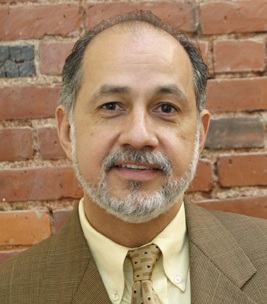
Author
Dr. Roberto Miranda
Summary: Presenting our bodies as a living sacrifice means surrendering our whole human nature to God, not just our physical bodies: our minds, wills, memories, and emotions as well. Although our spirit desires to please the Lord, some areas of our lives still resist his purposes and draw us into sin. We must not resign ourselves to living with them or focus solely on nourishing the spirit. We need to identify these areas and continually bring them before the Lord in prayer, fasting, and confession, asking him to deal with them, regenerate them, and make them instruments of holiness and righteousness.
The apostle Paul calls us to present our bodies as a living sacrifice. The Greek word translated “bodies” refers not only to the biological aspect, not only to what we would often call “the flesh”; it is broader and refers to everything having to do with human biology, everything pertaining to our human nature.
It can refer to everything that has not been dealt with by God. It can also refer, yes, to the body, to the sexual organs, to the hands, to the ears, but it also refers to all these areas we sometimes call the soul: our psychology, our will, our memories, our intelligence, our emotions. This whole aspect of us that belongs to the material realm—the material part of our lives, what interacts with the world—is what the Bible calls the body.
This is distinct from the spirit, the word the Bible generally uses to refer to our highest part, the higher part of the human being, that nature of God within us, those higher faculties of the spirit, right? They conform to the Word of the Lord, as the apostle Paul says in another passage where he speaks of two natures within him: one part of his being wants to serve the Lord and please Him, but another part is always struggling, wants to obey impure things, and is in direct contact with Satan and his demands. Paul is torn between these two things, right? He feels as though he is in conflict, held hostage by those two natures.
In Romans 12 he is saying: Hey, take that fleshly part of your lives, that part that struggles against God’s purposes, and give it to the Lord. Notice that he is not referring only to the spirit, because many people think: Well, take your spirit and present it to God, nourish your spirit, think about the things of the spirit. And all that is true, but the truth is that we must bring our flesh too.
The flesh matters, the body matters, biology matters, our human nature matters, and we must continually present that part of our being to the Lord. There are many passages here. The apostle Paul, for example, says in chapter 6: “Knowing this, that our old man was crucified with Him, so that the body of sin might be destroyed, that we should no longer serve sin.” Do you see that idea here, right? That we must put that terrible dimension of ourselves to death, because that is the part that drags us, over and over again, into disobeying what God commands us.
Chapter 7 of Romans also says: “So, when I want to do good, I find this”—this law—“that evil is present in me. For according to the inner man,” that is, according to my spirit, “I delight in the law of God, but I see another law in my members”—in other words, do you remember that he says we must not present our members as subject to sin?—“but I see another law in my flesh, in my members,” somata, “rebelling against the law of my mind and taking me captive to the law of sin that is in my members.”
It is as though, in the apostle Paul’s understanding, where does evil reside, where do sinful tendencies reside? In the flesh, in the body—whether in the unredeemed mind that God has not dealt with, or in the emotions or the will, all these aspects of our psychology and our biology.
So we must present all that again and again in prayer, so that God will continue to deal with it. That is why Paul also says: “So then it is no longer I who do that, but sin that dwells in me. And I know that in me, that is, in my flesh, in my flesh nothing good dwells; for the desire to do good is in me, but not the doing of it.”
Do you see, then, why Paul says in Romans 12, “Present your bodies”? Because that is where the problem lies. We must identify the areas of our lives that God has not dealt with, and we must continually present those areas of our being to the Lord in prayer, fasting, and confession, instead of simply saying: Oh well, that is something that is there, and I have to learn to live with it. No. We must bring it to the Lord, present it to the Lord, and ask Him to deal with it, regenerate it, and turn it into an instrument of God’s holiness and righteousness.
I urge you, in light of what God has done for us, to present your bodies, your human nature, before the Lord. We will look a little more deeply at that call to holiness in our next meditation. May the Lord bless you, and we will speak again very soon.