Hold Fast to Your Confession
Jehoshaphat stood in the assembly of Judah and Jerusalem, in the house of the Lord, before the new court; and he said, Yahweh, the God of our fathers, aren't you God in heaven? and aren't you ruler over all the kingdoms of the nations? and in your hand is power and might, so that none is able to withstand you. — 2 Chronicles 20:5-6
Most assuredly I tell you, whatever things you will bind on earth will be bound in heaven, and whatever things you will release on earth will be released in heaven. — Matthew 18:18
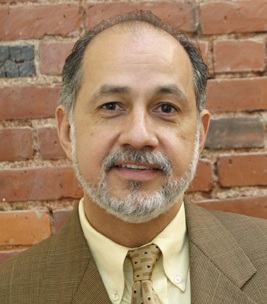
Author
Dr. Roberto Miranda
Summary: Faced with a grave military crisis, Jehoshaphat called the whole nation to pray and fast. In doing so, he made public his dependence on God and his confidence that God would answer. We, too, can overcome the fear of looking foolish by sharing our prayer requests and spiritual goals with fellow believers: speaking them aloud strengthens our commitment and helps us persevere when difficulties come. There is a time to nurture a vision in silence and a time to announce it. This does not mean sharing every prayer request; some should remain private when the Spirit directs us to keep them so. Public, communal prayer is a declaration of faith in God’s faithfulness.
Confronted with the greatest military crisis of his entire reign, King Jehoshaphat not only took time to pray and cry out to the Lord, but also committed himself publicly and visibly to seeking and waiting for an answer from God.
When King Jehoshaphat called the whole nation to pray and fast, he was binding himself to his dependence on divine help. He was committing himself publicly and spiritually! He was saying, “I believe in the power of prayer. I believe in the God who has promised to intervene on behalf of his people on the day we cry out to him. And I believe strongly enough to summon the whole nation and commit our faith publicly.” Jehoshaphat was taking a great risk in doing this. In a sense, he was putting the entire religious system on which the nation of Israel was founded to a definitive and irrevocable test.
How many times have many of us decided not to pray publicly about a matter for fear of failing and looking bad in front of others? Let’s be honest! That kind of omission, born of a defensive attitude and a lack of faith, represents a subtle expectation of defeat that robs our prayers of power. When we let others know that we are praying about a specific matter, we make a spiritual commitment that adds power and weight to our prayers. Verbalizing our requests publicly is a prophetic act, a declaration of faith that releases the power of God and invigorates our prayer.
Obviously, this does not apply when the Spirit himself directs us to keep certain intimate requests private, to be shared with the people around us only at a later time, or perhaps never. But generally, expressing our requests and spiritual decisions outwardly represents a declaration of war against the principalities that seek to weigh us down, and a strong declaration of trust in God’s faithfulness.
I tell my congregation, “Commit yourselves! Bind yourselves to your spiritual goals. Declare them. Share them with two or three people who will believe and remember what you have declared.” There is a time to cultivate visions from God in silence, in stillness and privacy. But the time also comes to announce the vision, to declare it, and to prophesy it (Hab 2:2). In this way, one becomes committed and bound to one’s declaration of faith, and it becomes harder to back down and leave the battlefield prematurely when things get hard and difficult.
So we see that Jehoshaphat not only prayed, but also gave his prayer importance and public significance. He made clear efforts to show his trust in prayer, and publicly declared his faith in the Lord. He understood that there is great power in public, communal prayer, and he committed the whole nation to a powerful act of faith.