Pay Attention to Humble Things
[Hiram from Tyre] was filled with wisdom and understanding and skill, to work all works in brass. He came to king Solomon, and performed all his work. — 1 Kings 7:14
Having gifts differing according to the grace that was given to us, if prophecy, let us prophesy according to the proportion of our faith. — Romans 12:6
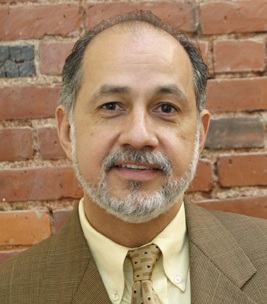
Author
Dr. Roberto Miranda
Summary: Every servant of God should seek the fullest possible development within the spiritual endowment and calling they have received. Although gifts and levels of ability differ according to God’s sovereignty, we all need to become proficient in the skills required for our service. Pastors, worship leaders, and other ministers must practice both the visible duties and the mechanical, practical, and less appealing aspects of their ministry. We must not take refuge in an escapist spirituality that despises concrete preparation. Like a marathon runner who trains with patience and persistence, we must endure monotony and continually attend to the essential tools, because this discipline distinguishes excellence from mediocrity and undergirds true greatness in ministry.
Every servant of God must strive to attain the highest possible level of development within the endowment he or she has received from God. I put it this way because the Apostle Paul says that we must minister “according to the measure of faith” we have received.
Each person has a different level of potential in the things of the Spirit. We could speak of a “spiritual endowment.” The Lord gives thirtyfold, sixtyfold, and a hundredfold. Each person receives a gift, a specific level of endowment according to God’s calling and sovereignty. Now, within that endowment and within his or her specific area of ministry, the servant of God, whether a man or a woman, must make a great effort to acquire competence—a basic level of ability and performance in the areas that characterize his or her service.
In the case of a pastor, for example, a certain level of skill is required in areas such as preaching, administration, evangelism, the care of souls, the training of leaders, and other similar skills we might mention. These are basic things, the fundamental and even indispensable tools of the person serving in a pastoral capacity. If the pastor does not develop a minimum level of competence in these areas, his ministry will be limited and will not progress to its fullest potential.
If, for example, you lead worship in your church, you must pay attention to developing your voice, your physical appearance, and your knowledge of the choruses and hymns that can bless the church; you must develop your knowledge of music, even if it is only basic theory or an instrument, and similar things. You must practice how to develop an effective, coherent devotional that leads the people into the presence of God. You must learn to pray publicly in an effective and inspiring manner.
There is a very basic, very mechanical aspect of ministry that is not very romantic, but that we must strive to master. It is precisely there that many of us who are ministers and servants of the Lord fail. We simply subscribe to a vain, escapist spirituality that underestimates the importance of developing mastery of basic skills.
We must devote time to those mechanical and rudimentary aspects of our ministries. As much as possible, we must avoid a super-spiritual, mystical ministry that refuses to consider the practical and concrete aspects of ministerial work.
The image that comes to mind is that of a marathon runner, running mile after mile, monotonously, practicing his sport patiently and persistently, perfecting his body and increasing his endurance in preparation for the race.
The ability to tolerate monotony and to pay attention to the humble and less attractive aspects of ministry is what often separates ministerial excellence from mediocrity. That constant attention to the humble but fundamental tools of ministry, whatever that ministry may be, is the foundation of true ministerial greatness.