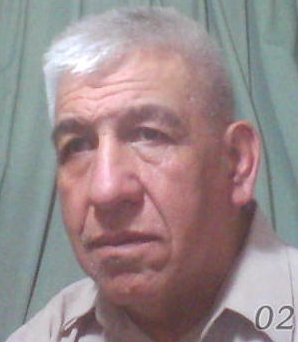
Jorge Ayllon Navarro
Summary: Jorge Ayllón Navarro is a Bolivian civil engineer who now works as a computer systems analyst. He is a devout Catholic who attends Mass regularly but seeks to deepen his relationship with God every day. He participates in CLJ through the internet and appreciates the open comments and opportunities for guidance, advice, and prayer. He has five children who are all professionals and married with children.
Jorge Ayllón Navarro was born in 1946 in the city of Sucre, Bolivia and now lives in Santa Cruz. He graduated as a Civil Engineer (in the Civil Construction branch) from the Universidad Mayor de San Andrés in La Paz. He has worked in various companies in Bolivia as works director. He has recently dedicated himself to programming and works as a Computer Systems Analyst, providing technical support to his clients. He has five children, all professionals, married with children.
Jorge writes: "I have always been a Christian, a Catholic, and I attend Sunday Mass punctually. But I don't want to be just a Christian on Sunday, but I want to seek God every day and learn more from His Word, so I said to myself: I am going to speak directly with God. I'm going to look for him through the Internet, in the sky and if possible in the whole universe. I'm going to go to his home, I'll visit him where he lives, but it wasn't necessary because as soon as I started looking for him, God came out to meet me and received me with open arms. I participate with CLJ through the Internet where it gives rise to open comments, which encourages opinions, guidance, advice, prayer, which I am just learning to do in a more open, more participatory language and free expression."
Publications
Love of God or Fear of Punishment?
There is a concern among Christians regarding the fear and fear-mongering being spread by some post-apocalyptic prophets who loosely prophesy natural disasters and hellish punishments. The author believes that the doctrine of Jesus Christ is based on love, sacrifice, and free will, not fear. He encourages Christians to approach Jesus Christ out of pure and sincere love, not fear. The author also calls for the leaders of congregations to better determine the differences between fear and fear-mongering, as they can limit the healthy understanding of the Bible. He hopes for a strong and discerning church that trusts only in Jesus Christ and not in earthly leaders. May the Lord help us achieve this understanding and peace through His perfect love.
My Testimony
The narrator lived a simple life filled with alcohol and promiscuity, but eventually realized the error of their ways and turned to God. They regret their past actions and hope for forgiveness and blessings. They have raised their children with passion but feel the pain of their lack of love. They hope their testimony can show that it's never too late to turn to God and be saved.
What I Saw
The speaker, a civil engineer, has traveled extensively and has seen a lot of poverty. They were particularly struck by a young child and their donkey, who were collecting dirty water from a nearby puddle. The speaker wonders where God is in all of this suffering, and decides to become a Christian in order to love and help others. The poem ends with a call to love others as ourselves, as commanded by God.
Our Relationship with God - the Key Piece in the Formation of Our Children
The influence of parents, family and religion are important in shaping a child's beliefs and values. If we instill in our children a love for God from a young age, it will benefit them in their Christian life. Our relationship with God should be a daily approach through prayer, reading the Word and meditation. Our example of a godly life is important in influencing the people around us. Let us walk guided by God's Light and Word and be sowers of love and God in our children.
Commentary on the Poem “The Motives of the Wolf”
The wolf kills first out of hunger, while human beings wound and hunt even when there is no need. Francis succeeds in taming him through peace, food, and a mutual promise. However, while living among people, the animal discovers envy, anger, hatred, lust, deceit, abuse of the weak, and hypocrisy. Beaten and driven away when he shows humility, he returns to the mountains, where the beast within him comes back to life. His story reveals that evil can hide within our ego and present itself as natural: this “bad leaven” feeds resentment, vengeance, and uncontrolled passions. We must recognize this inner corruption and treat every creature with sincerity, mercy, and justice.
Hidden Evil
Evil can remain hidden deep within the human heart, concealed by the ego until it seems natural. Vanity, the desire for superiority, and the pursuit of satisfaction at any cost can lead us to despise those in need and to cause pain, death, and destruction. Behind pride and the apparent satisfaction of being better than others, we accumulate evil that can ferment when the opportunity arises. Therefore, we must remove that evil leaven and everything that harms our relationship with our Heavenly Father. Instead of allowing ourselves to be ruled by human passions, we must be guided by the Word of God, reject temptation, and turn away from evil.
Featured Speakers
Dr. Roberto Miranda
Resilience: Competent in Christ
In this sermon, the speaker continues the theme of resilience and focuses on the ability to face challenges in life, even when they seem too big or in...
Resilience: Calls for Transformation
The sermon is about resilience, how to be resistant to adversity, and how to use pain and life struggles to become stronger. The Apostle Paul talks ab...
Living in the Power of the Resurrection
The resurrection of Jesus Christ is the crowning event of the drama of salvation. It is the basis of everything in Christianity and gives hope for the...
Faustino de Jesús Zamora Vargas
Supernatural
We are designed to experience the supernatural, but this comes from truly knowing God personally, not just intellectually, by actively engaging with H...
A Touch from God
For a long time I have prayed for those around me, but I often found myself selectively wondering whom God truly wanted to save. However, I realized t...
Decisions in the Fear of God
Believing in God's Word renews the mind and frees us from guilt and sin. We have a new identity in Christ and are no longer slaves to sin. However, de...
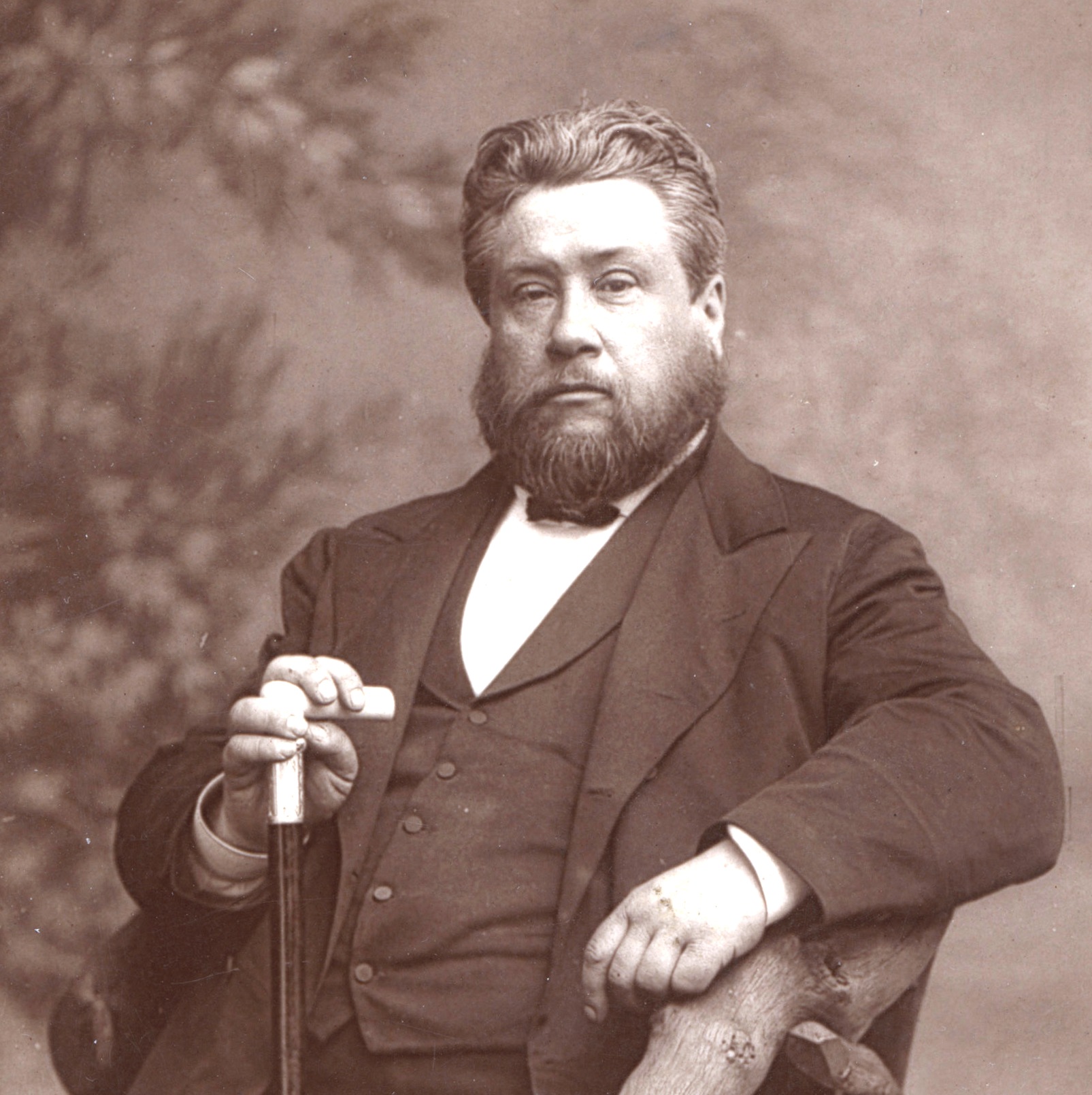
Charles Spurgeon
God's Precious Treasure: You!
My beloved friends, what a grand paradox unfolds: God's truth reveals His greatest power most brilliantly displayed in our deepest weakness. Though we...
Kept from the Evil One
Beloved, we hear two voices of keeping: the Father’s promise and the Son’s prayer, both flowing from one heart of love. Our preservation comes not fro...
Hark! the Opened Ear
My beloved friends, the very root of all true faith and enduring obedience is the blessed posture of receptive listening, an "opened ear" to God's voi...
Omar Soto
Lord, Let Your Light Shine on Our Plans
In Psalm 90:16-17, the writer asks God to bless their plans and bring favor and glory to their work. This type of prayer can be beneficial in addition...
Finding Comfort During the Day
In this passage from First Thessalonians, the Apostle Paul expresses his impatience and desire to see his spiritual children in Thessalonica, despite ...
Our Responsibility - Prepare the Way for the Lord
The passage from Isaiah 40 speaks of preparing a way for the Lord in the deserts of our lives. It calls for reversing things, going in a new direction...

Milagros García Klibansky
I Am
Have you ever wondered who you are? In the Gospels, Jesus repeatedly declares "I am" and defines his identity as the bread of life, the light of the w...
Planning
We often make plans without considering God's will, and when they don't work out, we become frustrated and fight against the current. However, when we...
The Hug of the Father
When we hit rock bottom and feel like we can't continue, open arms are waiting for us at the cross. God will receive us no matter our past or circumst...

Gregory Bishop
Love and Respect in Marriage
We are discussing Ephesians 5 and the importance of living a life filled with the Holy Spirit. This includes purposefully seeking God with a spirit of...
A Life That Shines
The book of Ephesians reminds us that we are a blessed people, with every spiritual blessing in heavenly places in Christ Jesus. We are spiritually al...
The Gift of a Tender Heart Towards Others
The Book of Ephesians begins by saying that we are blessed in the spiritual, heavenly, and supernatural environment, but also ends by saying that we h...

Samuel Acevedo
Christmas - the God of the Impossible
In Luke 1:46-49, Mary sings a song of victory and war, known as the Magnificat. She exalts God for looking upon her baseness and promises that all gen...
God Rewards Those Who Seek Him
The message discusses Hebrews 11:6, which states that it is impossible to please God without faith and that those who seek God will be rewarded. The m...
Be Still, and Know That I Am God
In Psalm 46, the key text of Palm Sunday, the prophetic Word of Zechariah 9:9 is echoed. The message is about waiting for our King and Redeemer to res...