
Steve Johnson
A biography has not yet been provided by the author.
Publications
Do You Have Access to God?
Jesus, the Son of God, is our perfect high priest and the only mediator who gives us access to the Father. Unlike the priests who repeatedly offered sacrifices and entered the Holy of Holies only once a year, Jesus offered himself once for all our sins—past and future—and remains at God’s right hand ministering on our behalf. We therefore never graduate from the gospel or become responsible for overcoming sin through determination, procedures, or self-improvement.
Jesus fully understands our weakness because he endured temptation in every way, yet without sin. When we fall into guilt and shame, God does not hold us at a distance but invites us to approach his throne confidently for mercy. That invitation also applies while temptation is still pressing. Rather than concentrating on the sin until it consumes us, we must turn our attention toward Jesus, take refuge in him, stand firm, and flee temptation as commanded. Grace is not a license to continue sinning; its greater work is to empower holy living. We should hold firmly to our faith and come daily to Christ for forgiveness, strength, compassion, and freedom.
A Call for Obedience
Jesus’ hard words call us to decide beforehand that we will accept and obey his teaching rather than reason our way around it. Love for Christ and obedience cannot be separated: genuine love is not merely warm feeling, while obedience without love becomes legalism. This does not mean that one failure proves we do not love God; rather, the life of a believer is generally characterized by seeking obedience and bearing fruit. We should therefore examine ourselves with reverent seriousness, never presuming upon mercy.
Obedience does not earn salvation. We come to God as sinners through trust in Christ and his sacrifice; obedience belongs to sanctification, the lived expression of our new relationship with God. Nor do we obey through our own strength. The Holy Spirit dwells with us, reminds us of Jesus’ words, convicts us, and supplies the desire and power to follow them. We must learn Christ’s commands, practice saying yes in small things, and refuse to choose only the teachings we prefer. Every act of obedience is spiritual, worshipful, and loving, displaying a life in which God has made his home.
Why Do I Have to Suffer?
Our present sufferings cannot compare with the glory God will reveal in us. Creation, believers, and the Spirit all groan because the world is not yet as it should be, but God will redeem and restore it. Hardship is therefore not meaningless: it can deepen our longing for God, produce perseverance, character, hope, righteousness, and peace, and shape us into the image of Christ. This does not make suffering good in itself, mean that God is against us, or require us to seek pain. We may pray for healing, provision, restored relationships, and deliverance, yet we should not become so intent on escaping that we miss what God wants to teach us. In our weakness, when we do not know how to pray rightly, the Spirit intercedes according to God’s will. We may not discover why a particular trial occurred or how God used it, but we can trust that he works in all things for the good of those who love him. We should receive hardship as training, submit to God’s work, and hold firmly to the hope that suffering will end and restoration will come.
A Potluck Dinner - What Nourishment Are You Bringing to Church?
A church service is like a potluck dinner: everyone should arrive prepared not only to receive, but also to contribute something that strengthens the whole body. God may use a hymn, instruction, revelation, tongue, interpretation, prophecy, prayer, worship, practical service, or quiet intercession for others. These examples are not exhaustive; the essential posture is a heart ready to hear from the Lord and serve the congregation.
Participation must also be orderly and discerning. No single gift should dominate the gathering, tongues should be interpreted, prophetic words should be weighed against Scripture and what we know of God, and speakers retain responsibility for whether they speak. The purpose of every gift is edification, not personal prominence.
Reflections on Christmas
Christmas announces an astonishing but true reality: the Creator entered our broken world as a poor baby in a manger. Jesus came in an unexpected way, challenging the assumptions that kept many from recognizing the promised Savior. Like Israel, we remain bound by oppression, difficult circumstances, and our own sin, so we also need deliverance. God sent his Son not to condemn the world but to give eternal life to those who trust in him. Jesus, fully innocent, bore the penalty of our sins on the cross and rose again so that we could be saved and restored to relationship with God. This gospel is not merely a pleasant seasonal story; it is the greatest truth, and our lives should be built around it rather than distracted by presents, expenses, and celebrations. Christmas also renews our hope that Jesus will return. Though the delay makes expectation difficult, we must remain ready, allowing both his completed salvation and promised return to shape how we think and live.
Do You Feel Loved?
To live in the fullness of God, we must continually trust and experience his unchanging love, just as a marriage flourishes when each person knows the other remains committed. In Ephesians 3, God gives power through the Spirit not primarily for outward displays, but so that we may know Christ’s love, remain rooted in it, and be filled with God’s fullness. This love surpasses intellectual comprehension, yet we know it by faith and through an ongoing life of experiencing God’s faithfulness.
God is Father of one family: in Christ, the former division between Jew and Gentile has been broken down, and believers are united as one church. Christ dwelling in our hearts is therefore not merely a past conversion event; we must depend on his love daily, as a tree continually needs its roots and a building its foundation. Nothing can separate us from this love. Its assurance gives freedom to grow, persevere, turn from sin, love others, and glorify God together. If we lack that assurance, we should yield ourselves to God, seek prayer, and ask to walk continuously in the love that unites heart, mind, faith, and experience.
Ephesians 2
Through Christ, outsiders are no longer aliens but full citizens and members of God’s household. Jesus breaks down the walls between Jews and Gentiles and leaves no room in the church for racial, cultural, social, economic, or status-based divisions. Everyone begins as a foreigner and joins Christ on equal terms.
God builds the church on the foundation of the apostles and prophets, with Jesus as the cornerstone who aligns, supports, and holds the whole structure together. We are both the materials God joins together and workers called to serve under his direction. Therefore, we must not force our own plans or treat church as a performance to watch; we should work faithfully while remembering that our congregation belongs to the larger global and historical church.
The Locust Swarm
Broken promises, sin, and rebellion bring guilt, shame, damaged relationships, and other forms of desolation, like successive locust swarms consuming everything in Israel. Sometimes others sin against us, but we must also examine our own choices rather than blame people or refuse to face our past. Even selfishness that seems small can steadily eat away at our lives. The proper response is repentance in two inseparable forms. Active, outward repentance turns from destructive behavior toward what God commands; it may require concrete changes and months of patient work. Spiritual, inward repentance goes deeper: we rend our hearts, grieve over sin, and abandon the pride that expects blessing merely because our behavior has improved. We cannot undo what we have already done, so we must trust God to deal with it. When outward change and heartfelt sorrow are united, we truly return to the Lord, who is gracious, compassionate, slow to anger, and abounding in love. Therefore, even amid severe brokenness, we can cry out to God and seek his pity, restraint, and restoring blessing.
Featured Speakers

Dr. Roberto Miranda
Resilience: Competent in Christ
In this sermon, the speaker continues the theme of resilience and focuses on the ability to face challenges in life, even when they seem too big or in...
Resilience: Calls for Transformation
The sermon is about resilience, how to be resistant to adversity, and how to use pain and life struggles to become stronger. The Apostle Paul talks ab...
Living in the Power of the Resurrection
The resurrection of Jesus Christ is the crowning event of the drama of salvation. It is the basis of everything in Christianity and gives hope for the...

Faustino de Jesús Zamora Vargas
Supernatural
We are designed to experience the supernatural, but this comes from truly knowing God personally, not just intellectually, by actively engaging with H...
A Touch from God
For a long time I have prayed for those around me, but I often found myself selectively wondering whom God truly wanted to save. However, I realized t...
Decisions in the Fear of God
Believing in God's Word renews the mind and frees us from guilt and sin. We have a new identity in Christ and are no longer slaves to sin. However, de...
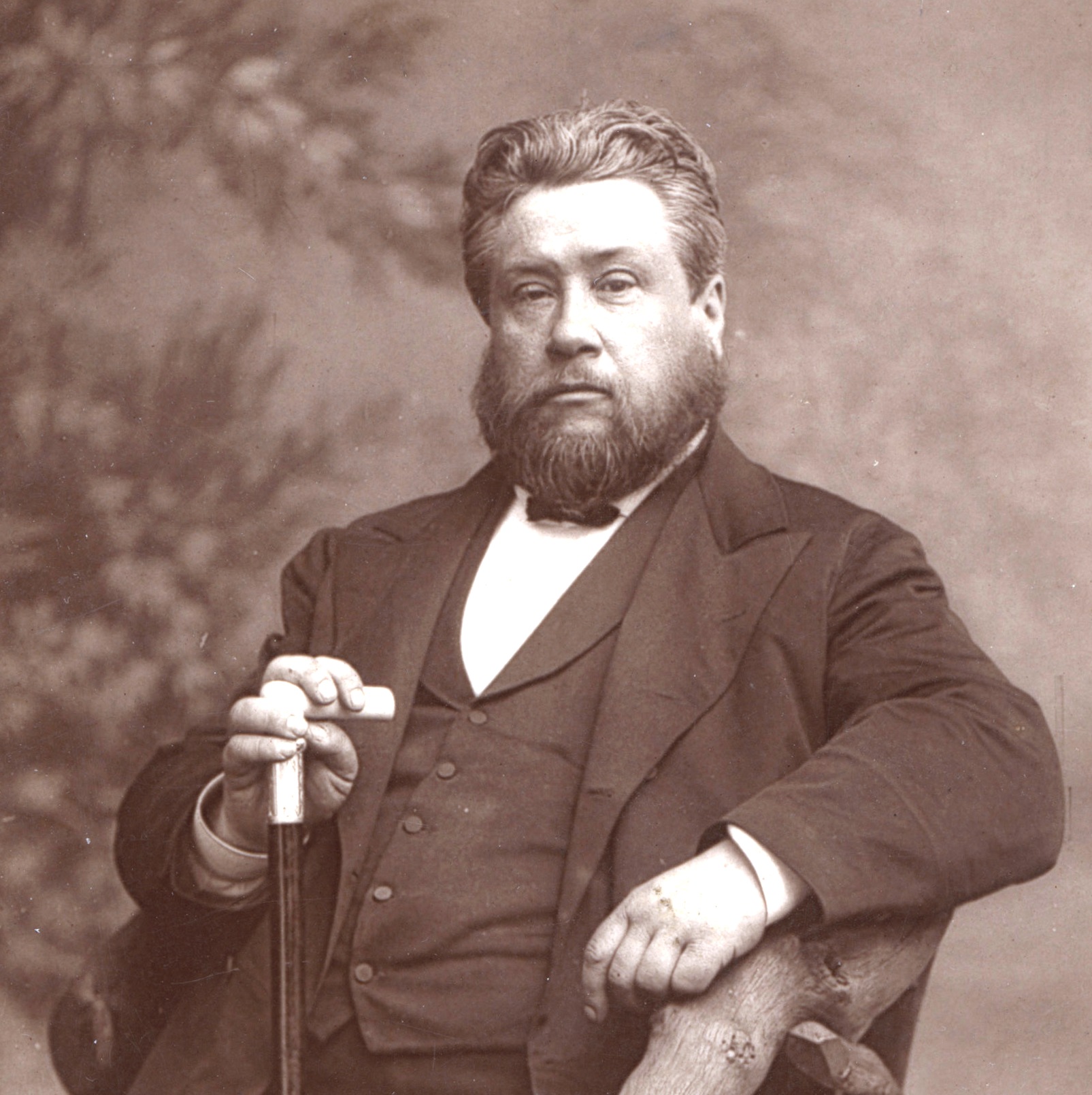
Charles Spurgeon
God's Precious Treasure: You!
My beloved friends, what a grand paradox unfolds: God's truth reveals His greatest power most brilliantly displayed in our deepest weakness. Though we...
Kept from the Evil One
Beloved, we hear two voices of keeping: the Father’s promise and the Son’s prayer, both flowing from one heart of love. Our preservation comes not fro...
Hark! the Opened Ear
My beloved friends, the very root of all true faith and enduring obedience is the blessed posture of receptive listening, an "opened ear" to God's voi...

Omar Soto
Lord, Let Your Light Shine Upon Our Plans
We can present our plans, desires, and expectations to God as an offering, asking his light and favor to confirm them while still acknowledging our ne...
Finding Comfort Along the Journey
Patience should characterize us, but we also need to discern when to wait and when to act. Paul, prevented from visiting the Thessalonians and distres...
Our Responsibility—preparing the Way for the Lord
In the deserts of the world and of our own lives, we are given the responsibility of preparing the way for the Lord. This requires a new way of living...

Milagros García Klibansky
I Am
Have you ever wondered who you are? In the Gospels, Jesus repeatedly declares "I am" and defines his identity as the bread of life, the light of the w...
Planning
We often make plans without considering God's will, and when they don't work out, we become frustrated and fight against the current. However, when we...
The Hug of the Father
When we hit rock bottom and feel like we can't continue, open arms are waiting for us at the cross. God will receive us no matter our past or circumst...

Gregory Bishop
Love and Respect in Marriage
We are discussing Ephesians 5 and the importance of living a life filled with the Holy Spirit. This includes purposefully seeking God with a spirit of...
A Life That Shines
The book of Ephesians reminds us that we are a blessed people, with every spiritual blessing in heavenly places in Christ Jesus. We are spiritually al...
The Gift of a Tender Heart Towards Others
The Book of Ephesians begins by saying that we are blessed in the spiritual, heavenly, and supernatural environment, but also ends by saying that we h...

Samuel Acevedo
Christmas - the God of the Impossible
In Luke 1:46-49, Mary sings a song of victory and war, known as the Magnificat. She exalts God for looking upon her baseness and promises that all gen...
God Rewards Those Who Seek Him
The message discusses Hebrews 11:6, which states that it is impossible to please God without faith and that those who seek God will be rewarded. The m...
Be Still, and Know That I Am God
In Psalm 46, the key text of Palm Sunday, the prophetic Word of Zechariah 9:9 is echoed. The message is about waiting for our King and Redeemer to res...