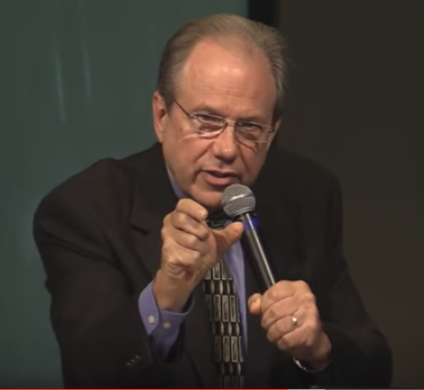
Brandt Gillespie
A biography has not yet been provided by the author.
Publications
David Cries Out
David, a man after God's own heart, struggled with deep issues of sin but also experienced God's unfailing love. He repented of his sins and asked for forgiveness in Psalm 51. When confronted by the prophet Nathan, David acknowledged his sin and mourned deeply. Our choices to sin can give others an excuse to sin, and we must strive to become more like God every day. The journey is hard, but the transformation is worth it.
God’s Prerequisite for Success
Being thankful is essential to maintaining internal peace and balance in our lives. The Bible calls us to give thanks always, and a lifestyle of gratitude requires us to accept the sovereignty of God in our lives. Focusing on God's payment for our salvation and all that Jesus has done for us leads to a greater sense of thankfulness and allows God's peace to rule over the turbulence of life. A thankful heart leads to joy in serving God and doing more for Him than we ever could through mere duty. So, cultivate and guard thankfulness as a prerequisite to becoming a person of vibrant faith.
Taking the Training Wheels Off Our Prayers
Prayer is not meant to be habitual or structured, but rather communion with God. The Spirit helps us in our weakness, offering intercession through wordless groans. To become effective in prayer, we need to move beyond rote and reasoned prayer and into the mysterious and vulnerable arena of intercessory praying in the Spirit. This involves coming into agreement with the mind of God, praying in unintelligible expressions that take us to supernatural places in His presence. This is the kind of praying that empowered the disciples on the Day of Pentecost and launched the Church in the Book of Acts. We must take the "training wheels off" and soar into this next realm of prayer to fulfill God's divine calling and see breakthroughs in His Kingdom.
Make Time, Take Time to Know God
David, a warrior King, wrote Psalm 86 during a season when he was being chased and hunted by enemies. In this heartfelt prayer, David cries out to God for mercy and acknowledges that God is a God of compassion and mercy. David became a man after God’s own heart because he took the time to know and value God’s heart. We should pursue God for who He is and allow Him to imprint upon us whatever demarcations He chooses to imprint upon the scroll of our soul. At the end of the day, we are His message to the entire world. Let us make time and take time to know God like David did.
Focus on What God Is Passionate About
Paul encourages us to focus on heavenly things and set our passions and desires on what God values. Our earthly existence is just a vessel for the true treasure, Jesus within us. Let us ask God for the empowerment to make Jesus the center of our lives.
Find a Way and Wash Another’s Feet
God’s kingdom overturns worldly, authoritarian models of power by revealing that genuine authority serves. Jesus, fully secure in His identity and power, humbled Himself to wash His disciples’ feet without surrendering His Lordship; through service, He showed what true Lordship and leadership mean. As we put on Christ, we must move beyond artificial identities, relinquishing pretense, self-will, and self-aggrandizement. Though this stripping away can be painful, it enables the instability of our human personas to be replaced by Christ’s steady and faithful nature. Bearing His image means following His example: rather than grasping for status, we should find practical ways to serve and wash one another’s feet.
The “Hinge Point” of History
In Gethsemane, Jesus faced agonizing suffering and asked whether salvation might be accomplished without drinking the bitter cup. Yet He completely surrendered to the Father’s will and endured the cross for the joy of redeeming us from sin and raising us to new life. His death and resurrection form the hinge point of history: God the Son, incarnate in human flesh, offered His life as the eternal sacrifice for sin, rose in glory, and reigns forever. We owe everything to His obedience. May His resurrection life renew our hearts and minds as we receive forgiveness, freedom from shame, healing for body and heart, peace for troubled minds, and an enduring heritage in His unshakable Kingdom.
Want Truth? Listen to Jesus!
Before Pilate, Jesus declared that His kingdom is not of this world and that He came to testify to the truth. Pilate found no basis for a charge against Him, yet religious leaders stirred the people to demand His crucifixion. Christ’s kingdom stands opposed to human kingdoms built through force, manipulation, power plays, and selfish ambition—even when such kingdom-building appears within the Church. Amid political, media, technological, educational, and entertainment voices competing to define truth, we must let Jesus’ words resonate deeply. Everyone who is on the side of truth listens to Him, for He and His life-giving words are enduring truth. Let us draw close to the Way, the Truth, and the Life.
God Abandoning God: What Could Seem Stranger?
Jesus, fully God and fully human, carried the world’s sin as the spotless sacrifice. Because the Father in His holiness could not look upon that sin, Jesus endured a brief but terrible separation from Him. This anticipated loss of communion—not merely the coming scourging and death—was the deepest anguish of Gethsemane. On the cross, Jesus experienced the ultimate human tragedy of abandonment and cried out to God before surrendering His life. Our own choices to sin also separate us from the Father, despite His desire for an unbroken relationship with us. Yet Christ paid for our sins so that we may receive His sacrifice and regain eternal communion with God. Calvary brings connection, reconciliation, resurrection, and everlasting life.
The Art of Following
The culture of “I” and “me” has deeply shaped us, weakening the Church’s witness by replacing genuine discipleship with self-fulfillment and worldly methods. God calls us not merely to lead, but first to follow Christ in his way and order. Jesus, though fully God, took the nature of a servant, humbled himself, and obeyed even unto death. This servant-hearted obedience is also meant to become our essence.
Because cultural values surround us like water surrounds a fish, we cannot fully recognize their influence without the Holy Spirit’s help. We must invite God to expose hidden alliances with the world, break sinful patterns and ideological entanglements, and restore simple, childlike faith. Hearing God is not merely about enjoying his presence; it must lead to obedient lives that make a difference beyond worship gatherings.
The Art of Following
God calls us to recover the art of following in an increasingly self-centered culture. The Church loses power when it embraces that self-sufficiency or replaces God’s way with gimmicks to attract people. Jesus reveals the true model: though he was God, he became a servant, humbled himself, and was obedient even to the cross. His greatness and his service do not contradict each other; likewise, we must wait for the Father’s instructions, submit to his authority, and respect the healthy leadership he establishes. Following Christ is not merely about enjoying the comfort of his presence, but about allowing his voice to transform us so that we can influence those around us. Because we are immersed in the values of the world, we need the Holy Spirit to expose our carnality, deceptions, and bondages. We must repent of enthroning the ego, return to a simple, childlike faith, and say yes to every word of God. Then we will be able to change the world without violence: by serving, living courageously, bearing witness with wisdom and love, and proclaiming the message of saving grace without watering it down.
Building Big Lives Not Big Churches
God is continually renewing us into Christ’s image, calling every believer—not only public or formally trained leaders—to carry the gospel wherever we live, work, learn, and play. We must not waste today waiting for a better opportunity: ministry begins in our homes, workplaces, and friendships, where ordinary presence, faithful conduct, and genuine care communicate Christ. Relationships beyond church circles should be cultivated patiently, treating people as human beings rather than evangelistic projects.
The church’s aim is not primarily to build large programs or institutions but to grow mature people with greater capacity, strength, wisdom, honesty, and love. Programs are only tools toward that end. Leadership betrays this purpose when it uses people to advance its own vision; trustworthy leaders instead lay down their lives for people’s growth and release their God-given individuality and gifts.
Becoming Honest
God calls us to become a community shaped by both grace and truth, held together perfectly in Jesus Christ. Truth without grace can crush people, while grace without truth can excuse sin. Like David, we discover that hiding failure produces spiritual dryness, division within ourselves, and loss of life; confession opens the way to forgiveness, freedom, and renewed vitality. Hiddenness develops as we learn which behaviors receive approval and which bring judgment, creating a public persona while concealing our struggles. We therefore need more than private examination: we need trustworthy relationships where our rationalizations can be challenged and our brokenness received with gentleness. Vulnerability may expose us to pain, but continued concealment leaves us in poverty of spirit and empty religious patterns. We should ask God what layer he wishes to uncover and, with wisdom, take a concrete step toward honest disclosure. When others confess, we must respond humbly, remembering our own weakness, bearing their burdens, and turning confession into a healing process. God is forming a people who can love, restore, and endure one another as we unveil our lives.
An Irresistible Presence
God’s holy presence makes us alive and transforms us beyond what human effort can accomplish. Saul’s life reveals both our God-given potential and the fragility of undeveloped character: under the Spirit’s anointing he became a different person and spoke with boldness, yet fear, jealousy, and destructive influences later ruled him. Even men sent to capture David—and Saul himself—were overcome by the prophetic atmosphere around Samuel. Prophecy here is not merely foretelling the future or pursuing charismatic excess; it is speaking God’s word with divine boldness and authority. Our culture will not be transformed by its own tools, psychological analysis, or human striving, but by an unmistakable encounter with God’s power. We therefore need communities that preserve the holy flame, cooperate with the Spirit, live together in love and sincerity, and make God’s presence available to others. This requires hunger, surrender, and responsible steps of faith: we receive God’s word, take risks, exercise spiritual gifts, and trust him to act in his own way.
Featured Speakers

Dr. Roberto Miranda
Resilience: Competent in Christ
In this sermon, the speaker continues the theme of resilience and focuses on the ability to face challenges in life, even when they seem too big or in...
Resilience: Calls for Transformation
The sermon is about resilience, how to be resistant to adversity, and how to use pain and life struggles to become stronger. The Apostle Paul talks ab...
Living in the Power of the Resurrection
The resurrection of Jesus Christ is the crowning event of the drama of salvation. It is the basis of everything in Christianity and gives hope for the...
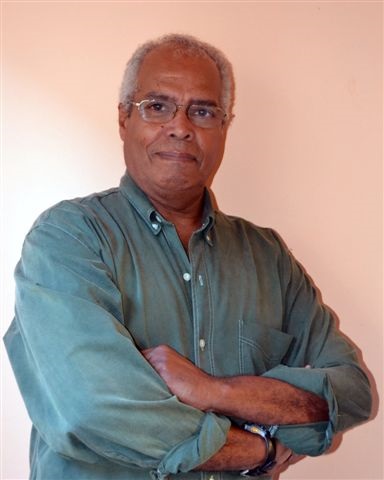
Faustino de Jesús Zamora Vargas
Supernatural
God calls us to know him personally and experience his presence, not merely to know about his attributes. Job came to know him amid suffering, and Mos...
A Touch from God
All our neighbors, regardless of their character, appearance, or good works, need Christ because the human problem is sin. It is not for us to choose ...
Decisions in the Fear of God
As we believe God’s Word, our minds are renewed, and we can leave behind the guilt of past sins. Christ’s forgiveness has given us a new identity: alt...
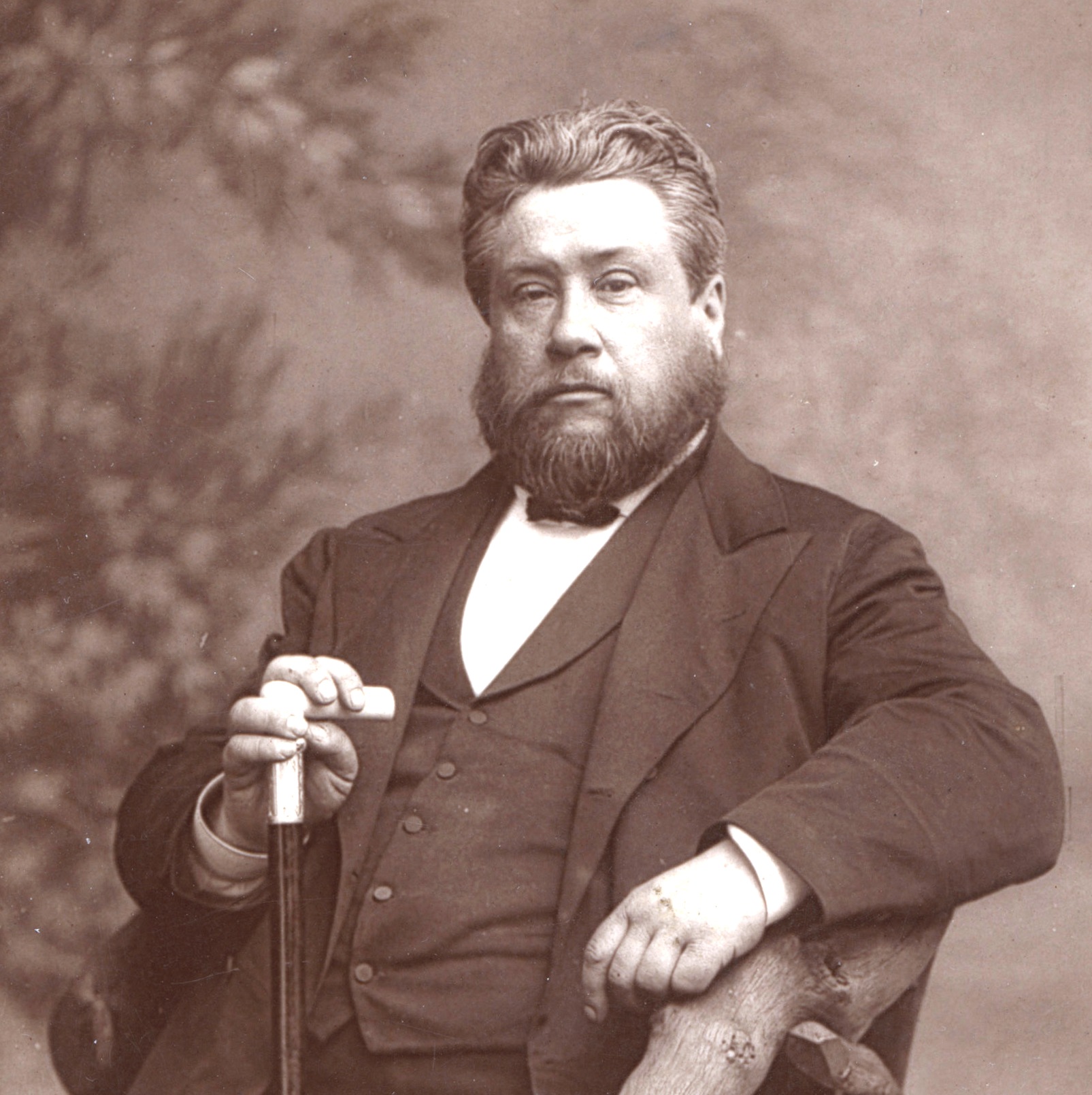
Charles Spurgeon
God's Precious Treasure: You!
My beloved friends, what a grand paradox unfolds: God's truth reveals His greatest power most brilliantly displayed in our deepest weakness. Though we...
Kept from the Evil One
Beloved, we hear two voices of keeping: the Father’s promise and the Son’s prayer, both flowing from one heart of love. Our preservation comes not fro...
Hark! the Opened Ear
My beloved friends, the very root of all true faith and enduring obedience is the blessed posture of receptive listening, an "opened ear" to God's voi...

Omar Soto
Lord, Let Your Light Shine Upon Our Plans
We can present our plans, desires, and expectations to God as an offering, asking his light and favor to confirm them while still acknowledging our ne...
Finding Comfort Along the Journey
Patience should characterize us, but we also need to discern when to wait and when to act. Paul, prevented from visiting the Thessalonians and distres...
Our Responsibility—preparing the Way for the Lord
In the deserts of the world and of our own lives, we are given the responsibility of preparing the way for the Lord. This requires a new way of living...

Milagros García Klibansky
I Am
Let us remember who we are in light of who Christ is. He is the bread of life, the light of the world, the good shepherd, the resurrection and the lif...
Planning
The Ten Million Harvest reminds us that even ambitious plans can fail. When our plans change, impatience can lead us to struggle in our own strength u...
The Father’s Embrace
A childhood of daily conflict brought my adolescent pain to the surface in tears. When our strength runs out, we can look to the cross and take refuge...

Gregory Bishop
Love and Respect in Marriage
A Spirit-filled life is expressed through worship, gratitude, and mutual submission out of reverence for God. In marriage, submission never means tole...
A Life That Shines
In Christ, we are a people blessed, adopted, and raised up by grace alone. We do not deserve it, yet we are beloved children and heirs of the kingdom....
The Gift of a Tender Heart Toward Others
In Christ, we are a blessed people, called to live in a supernatural way worthy of our calling. Transformation is not optional: it begins by renewing ...

Samuel Acevedo
Christmas – the God of the Impossible
The Magnificat is a song of victory and deliverance that can become our own when we experience God’s saving visitation. From his throne, God sees our ...
God Rewards Those Who Seek Him
Without faith it is impossible to please God: we must believe that He exists and that He rewards those who seek Him. This faith goes beyond logic and ...
Be Still, and Know That I Am God
God is our refuge, strength, and ever-present help, even when everything seems to be falling apart. Therefore, being still does not mean being passive...