The Soul's Sacred Scroll of Remembrance
Bless the LORD, O my soul, and do not forget all His kind deeds. — Psalms 103:2
Always giving thanks to God the Father for everything in the name of our Lord Jesus Christ. — Ephesians 5:20
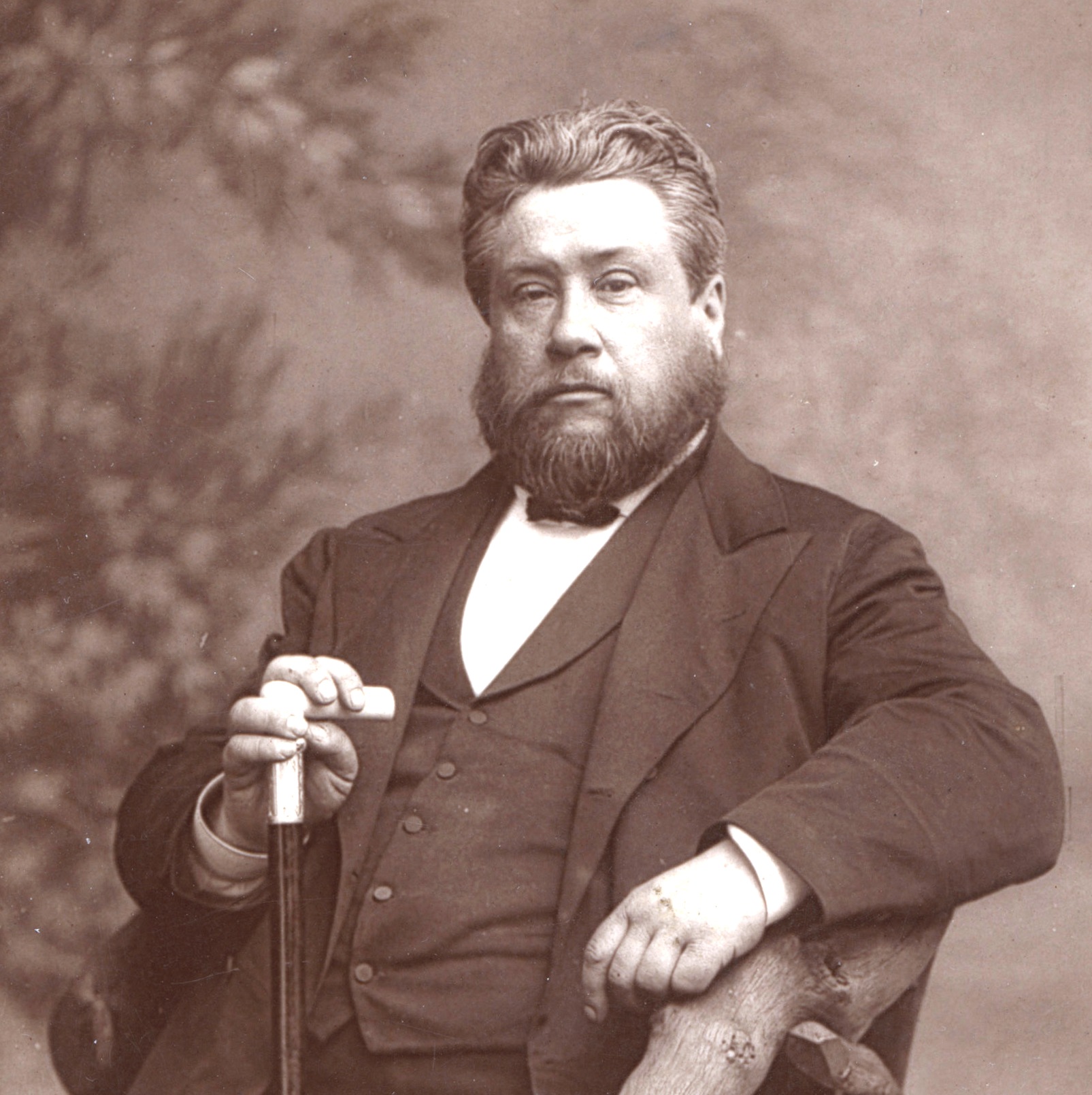
Author
Charles Spurgeon
Summary: Beloved, let us command our souls to remember and not forget all God's benefits, for our hearts are prone to wander from gratitude. True thanksgiving means specifically recalling His acts of forgiveness, healing, and redemption in our lives, recognizing His compassionate, gracious character that is slow to anger and abounds in steadfast love. This foundational practice of remembrance is our sacred resistance to despair, allowing His mercy to shape our common life.
Ah, beloved, how prone are our hearts to wander from the green pastures of gratitude! We can possess a very treasury of divine kindnesses, a history rich with God’s tender mercies, and yet allow the fleeting shadows of the present moment to obscure the sun of His goodness. Is it not a profound tendency of our fallen nature to forget the bounties that fill our cup to overflowing? My soul, command yourself! Bless the Lord, and forget not *all* His benefits! This is no mere conjuring of a pleasant mood, no idle reverie, but a foundational practice for a robust and vibrant faith.
True thanksgiving, dear friends, is never a vague murmur upon the wind. No, it acquires specific names! Cast your mind back, Christian, to the concrete acts of God's hand in your life: Has He not forgiven your iniquities, healing diseases of body and spirit? Has He not redeemed your life from the very jaws of danger, crowning you with steadfast love and tender mercies? He satisfies your hungering soul with good things and renews your strength like the eagle's. Our praise does not arise from ignoring our brokenness, but from recognizing His goodness precisely where sin, sickness, and peril have left their mark.
And what character lies at the heart of such remembrance? Our God, He is compassionate and gracious, slow to anger, and abounding in steadfast love! He does not deal with us according to our sins, but removes our transgressions as far as the east is from the west. Like a father, He has compassion upon His children, for He knows our frame, He remembers that we are but dust. This divine understanding of our frailty doesn't diminish His holiness, but means His mercy perfectly fits us as we truly are. This thanksgiving, born of the Spirit and voiced in our gatherings, even in "evil days," is our sacred resistance to despair, a confession that darkness is not the final interpreter of reality. Let us remember truthfully, and let that remembered gift become a merciful, common life among us.
(Source: A modern reflection adopted from the style of Charles Spurgeon)
What do you think?
What do you think about "The Soul's Sacred Scroll of Remembrance"?
Related Content
The Transformative Journey of Gratitude and Grace
Psalms 103:2 • Ephesians 5:20
Believers, it is a profound human tendency to forget the mercies we have received, even when our lives are rich with them. We can possess a history of...
Remembered Mercy and Eucharistic Life: Thanksgiving as Ecclesial Participation in Grace
Psalms 103:2 • Ephesians 5:20
A person can possess a history of mercy and still forget it. Psalm 103 begins at precisely that fracture. The psalmist does not wait for gratitude to ...
Read in Context
Click to see verses in their full context.