The Lord Promises to Remember Our Sins No More
And they shall teach no more every man his neighbor, and every man his brother, saying, Know Yahweh; for they shall all know me, from the least of them to the greatest of them, says Yahweh: for I will forgive their iniquity, and their sin will I remember no more. — Jeremiah 31:34
In whom we have our redemption through his blood, the forgiveness of our trespasses, according to the riches of his grace. — Ephesians 1:7
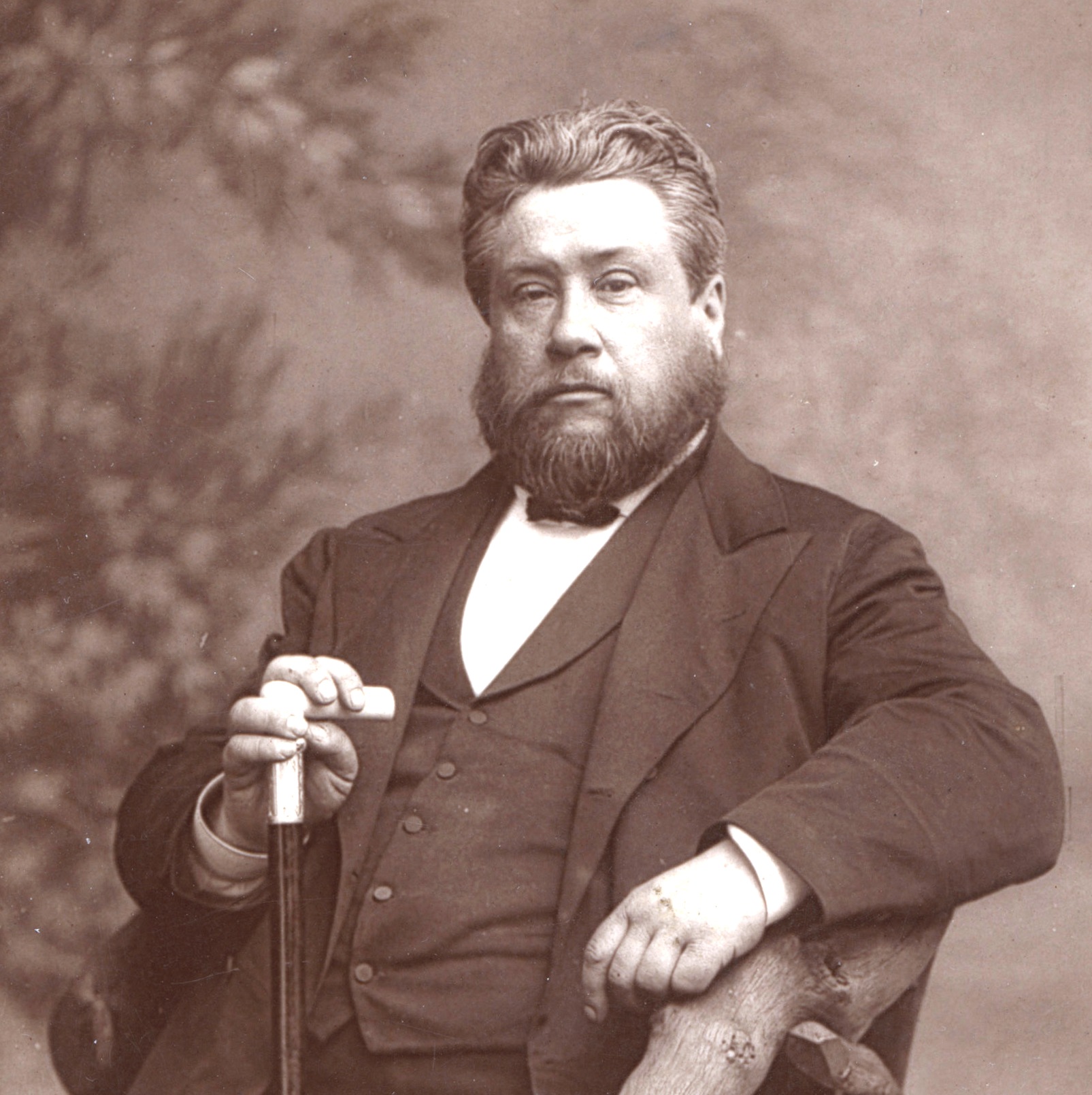
Author
Charles Spurgeon
Summary: When we come to know the Lord, we receive forgiveness and discover his grace. His promise not to remember our sins means that, through the atonement, he regards us as though we had never sinned. In Christ, the believer is accepted with a divine righteousness that surpasses Adam’s human innocence. Our sins will not be brought up again to punish us or cause God to love us less: the debt has been canceled. As long as we live, we should grieve over our transgressions and shortcomings, but also rejoice that they will not be held against us. This undeserved forgiveness moves us to hate sin and remain watchful so that we do not disobey him.
When we know the Lord, we receive the forgiveness of sins. We know Him as the God of Grace, who overlooks our transgressions. What a happy discovery this is!
But how divinely this promise is expressed: the Lord promises that He will remember our sins no more! Can God forget? He says He will, and He means what He says. He will regard us as though we had never sinned. The great atonement so effectively took away all sin that, to the mind of God, it is as though it had never existed. The believer is now as accepted in Christ Jesus as Adam was in his innocence; yes, even more so, for the believer wears a divine righteousness, whereas Adam’s was merely human.
The Great Lord will not remember our sins in order to punish them, or to love us one bit less because of them. Just as a debt, once paid, ceases to be a debt, so the Lord completely cancels the iniquity of His people.
When we lament our transgressions and shortcomings—and this is our duty as long as we live—we must at the same time rejoice that they will never be brought up against us. This leads us to hate sin. God’s undeserved forgiveness leads us to be watchful so that we never offend Him again through disobedience.
Source: The Cheque Book of the Bank of Faith. Translation by Allan Roman.
http://www.spurgeon.com.mx/chequera/meditames/abril.pdf