The King's Unseen Robes: Our Call to Compassion
He executes justice for the fatherless and widow, and He loves the foreigner, giving him food and clothing. So you also must love the foreigner, since you yourselves were foreigners in the land of Egypt. — Deuteronomy 10:18-19
Then the King will say to those on His right, ‘Come, you who are blessed by My Father, inherit the kingdom prepared for you from the foundation of the world. For I was hungry and you gave Me something to eat, I was thirsty and you gave Me something to drink, I was a stranger and you took Me in, I was naked and you clothed Me, I was sick and you looked after Me, I was in prison and you visited Me.’ — Matthew 25:34-36
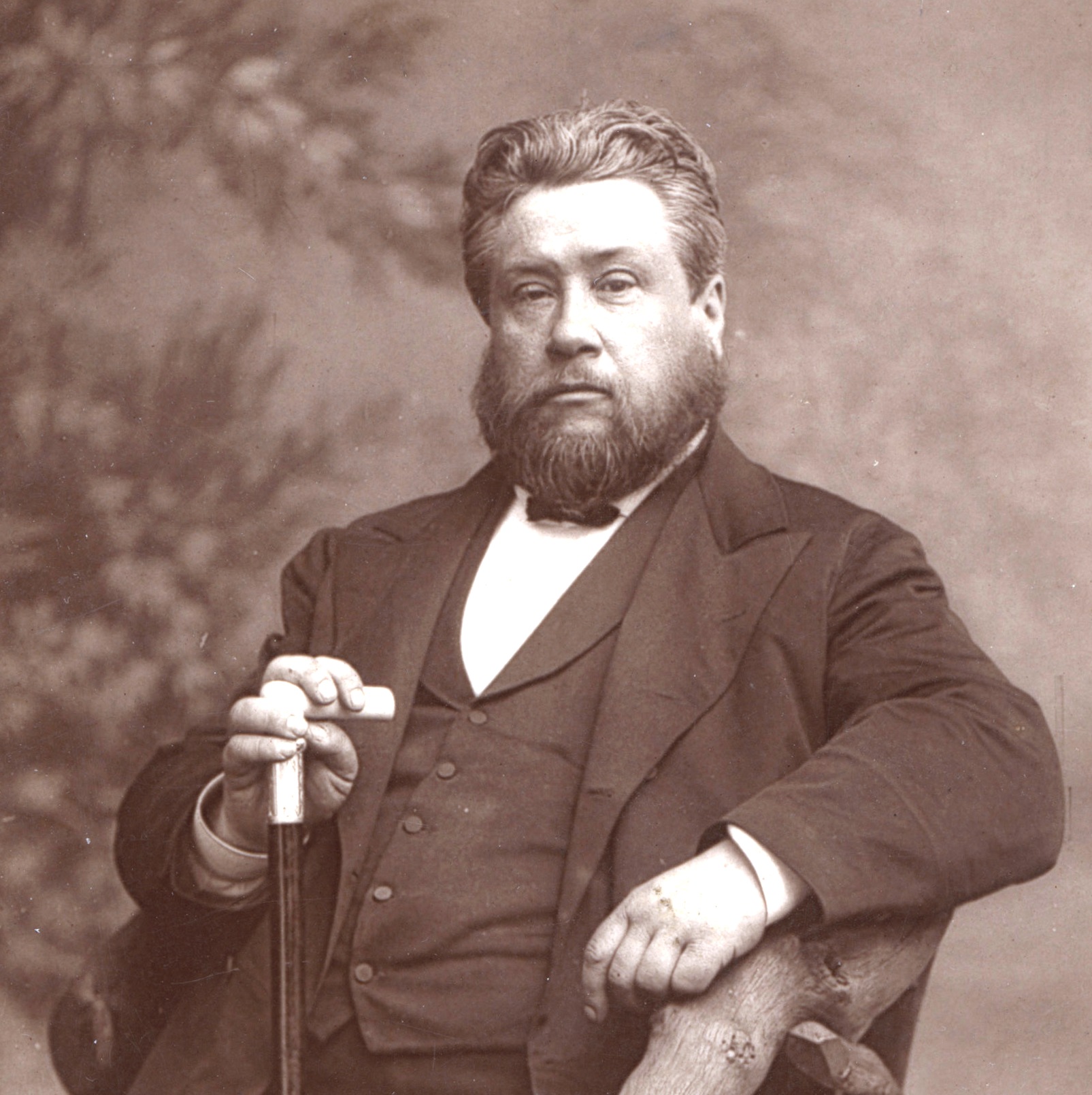
Author
Charles Spurgeon
Summary: My dear brethren, God's ancient call to cherish the vulnerable was profoundly deepened by our Lord Jesus. He teaches us that acts of kindness shown to the hungry, the stranger, and the imprisoned are not merely good deeds, but acts done directly to Him. Let us therefore see Christ in every "least of these," making justice and mercy the very breath of our walk, for in this sacred service, we participate in God's ongoing work.
My dear brethren, let us pause and consider a truth as ancient as the covenant, yet as fresh and vital as the very breath we draw. From the earliest days, God’s own heart for the vulnerable was etched into the very fabric of His law. He commanded His people, Israel, to cherish the widow, the orphan, and the sojourner, not as a mere dictate, but with a profound call to remembrance: "You yourselves were strangers in Egypt!" Was this not a divine summons to cultivate empathy, to transform the memory of their own liberation into a spring of compassion for all who lacked status or protection?
But oh, what a profound and glorious unveiling did our Blessed Lord Jesus provide! He did not merely reiterate this ancient command; He deepened it to an astonishing degree. When He spoke of the great final judgment, He declared, with breathtaking directness, that acts of kindness shown to the hungry, the thirsty, the stranger, the sick, the imprisoned, were not merely good deeds performed for others, but acts done directly to *Him*. Mark this well, my friends! The suffering stranger at your gate, the desolate refugee, the weary soul without a home—these are not simply objects of our charity, but the very presence, the living "guise," of our returning King!
This is no longer a call to simply imitate a distant God, but a holy invitation to direct identification with Him. We are not merely *acting like* God; we are actively *serving God Himself* in His "least of these." Does your heart not stir at such a privilege? It speaks not of burdensome duty, but of a spontaneous outpouring of love, seeing Christ in every vulnerable face, in every outstretched hand. The truly righteous, our Lord teaches, "did not know" they served Him directly, for their compassion flowed from a heart utterly transformed by His grace, uncalculated, unmerited.
Therefore, let us look upon our fractured world, with its cries of displacement and need, and ask ourselves: How do we treat those who bear the King's unseen robes? For in every "least of these," we are offered a glorious opportunity to encounter our Liberator. Let justice and mercy be the very breath of our walk, for in this sacred service, we participate in God's ongoing work, and reveal our boundless love for the King who Himself knew no home.
(Source: A modern reflection adopted from the style of Charles Spurgeon)
What do you think?
What do you think about "The King's Unseen Robes: Our Call to Compassion"?
Related Content
The Unveiling of God: from Empathy's Memory to Christ's Embodied Presence
Deuteronomy 10:18-19 • Matthew 25:34-36
The scriptural narrative reveals a consistent and deepening call to care for the vulnerable, culminating in a profound redefinition of our relationshi...
The Ethics of Alterity: the Interplay of Deuteronomy 10:18-19 and Matthew 25:34-36 in Biblical Theology
Deuteronomy 10:18-19 • Matthew 25:34-36
The biblical narrative, while spanning centuries of cultural and linguistic evolution, maintains a remarkably consistent ethical core regarding the pr...
Read in Context
Click to see verses in their full context.