God's Holy Paradox: Hating Evil, Loving Souls
Hate evil, O you who love the LORD! He preserves the souls of His saints; He delivers them from the hand of the wicked. — Psalms 97:10
And we urge you, brothers, to admonish the unruly, encourage the fainthearted, help the weak, and be patient with everyone. — 1 Thessalonians 5:14
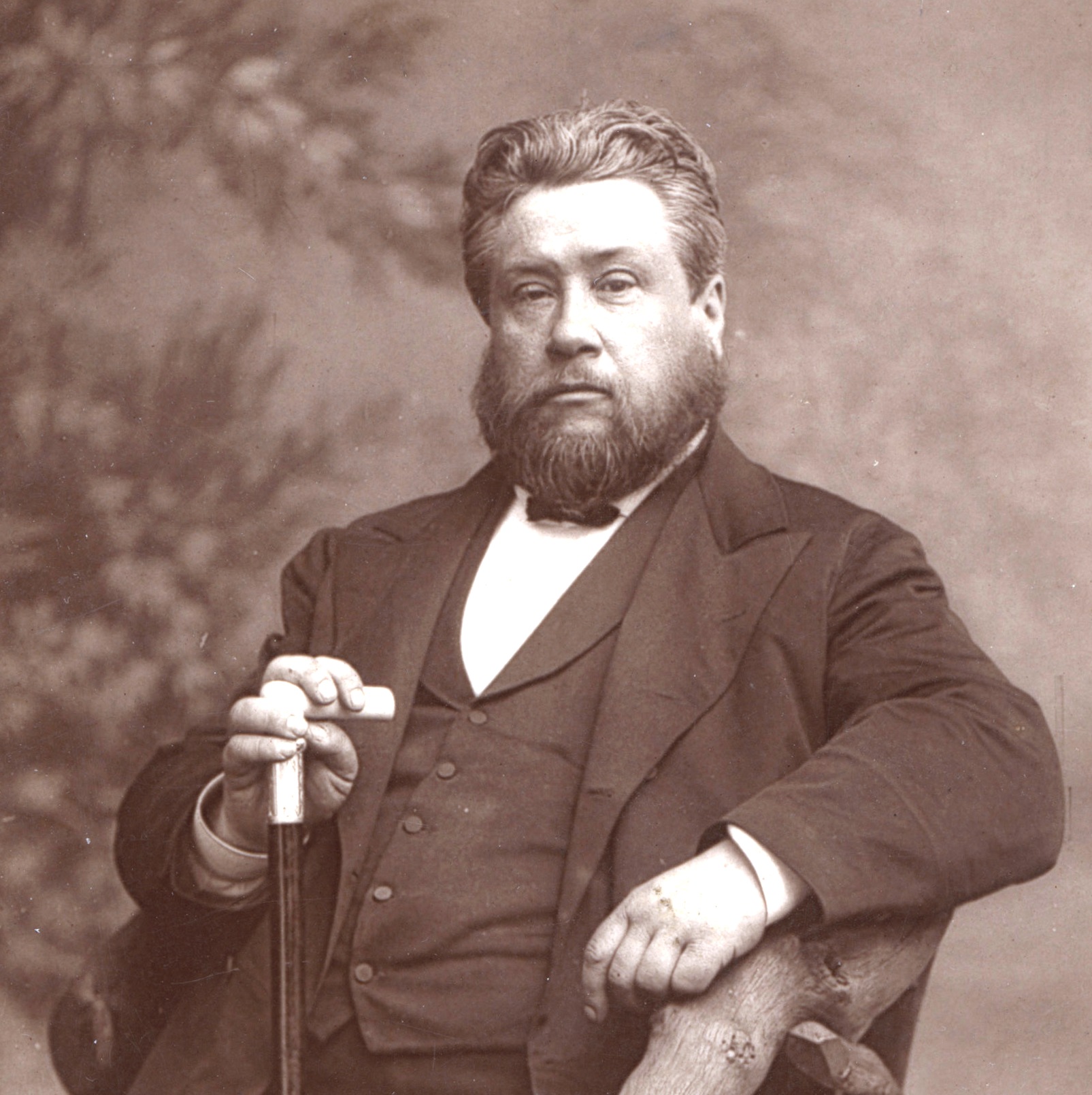
Author
Charles Spurgeon
Summary: My beloved, we are called to walk a glorious path: to fiercely hate the serpent of wickedness while extending tender, long-suffering grace to every human soul. This divine paradox, not a contradiction, reflects the very genius of God’s heart, teaching us to recoil from sin yet never let our hatred of the deed spill into hatred for the person. Like our magnificent God, who perfectly displayed this tension at the cross, we too must stand unwavering against darkness while relentlessly engaging with tailored mercy and compassion.
Oh, what a perplexing, yet glorious, path is laid before us, pilgrims of Christ! Our journey through this fallen world often presents a profound tension: a holy command to utterly despise the vile serpent of wickedness, coupled with an equally strong mandate to extend tender, long-suffering grace to every human soul. Is this a contradiction, my dear friends? No, a thousand times no! It is the very genius of God's heart, revealed for our instruction.
The very fiber of our renewed hearts must recoil from sin. To love the Lord truly is to develop an active, unwavering revulsion towards all forms of evil—individual acts, stubborn rebellion, systemic injustice, the deliberate distortion of truth. We are called to hate, with a fierce, covenantal opposition, everything that stands against God's holy character. This divine revulsion is a safeguard for our souls, aligning us with the pure light of heaven.
Yet, consider, my brethren, the Lord Himself. Though His holy eyes blaze against iniquity, He is "slow to anger." Were His perfect justice swift as lightning, who among us would stand? His patience is not weakness, but a strategic, redemptive delay, creating space for repentance, allowing His grand plan of grace to unfold. We are called to reflect this!
This means our engagement with others requires a discerning touch. To the unruly, the disruptive, a firm, loving word of admonition—not to crush, but to call home. To the fainthearted, those "small-souled" ones burdened by grief or fear, we offer profound comfort and reassurance. To the weak, those susceptible to sin's grip, we provide tangible help, bearing their burdens.
And over all these, my beloved, stretches the boundless canopy of "patience with them all." This long-suffering mirrors our God's, enduring ill-treatment without retaliation. We are to abhor what is evil, yes, but *never* let our hatred of the deed spill over into hatred for the soul. We fight the malady, not the patient. This is the cruciform ethic: overcoming evil, not by mirroring it, but by actively engaging it with mercy and compassion. We love the unruly brother, and precisely because we love him, we patiently admonish him towards repentance.
This sacred tension, my beloved, is the very breath of God's character, perfectly displayed at the cross. There, His absolute hatred of evil and His infinite patience toward sinners converged. Let us, then, live this divine paradox, unwavering in our stand against darkness, yet relentless in our patience and tailored grace, reflecting our magnificent God until His glorious day dawns.
(Source: A modern reflection adopted from the style of Charles Spurgeon)
What do you think?
What do you think about "God's Holy Paradox: Hating Evil, Loving Souls"?
Related Content
The Divine Paradox: Righteous Hatred and Relentless Patience
Psalms 97:10 • 1 Thessalonians 5:14
The Christian walk is often perceived as a delicate balance, particularly when confronted with the stark realities of human brokenness and systemic ev...
Theological Synthesis of Moral Opposition and Pastoral Forbearance: an Analysis of Psalm 97:10 and 1 Thessalonians 5:14
Psalms 97:10 • 1 Thessalonians 5:14
The intersection of Old Testament covenantal ethics and New Testament pastoral praxis presents a profound framework for understanding the biblical res...
Read in Context
Click to see verses in their full context.