Tighten the Screws on Us
Author
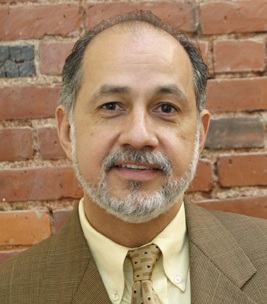
Dr. Roberto Miranda
Summary: Like Judah facing a superior enemy, in times of crisis we must acknowledge our weakness and turn our eyes to God. After praying, we also need to keep silent, rest inwardly, and await his direction, trusting that he knows the problem and has a plan. The word we receive must be discerned as genuinely divine, rather than mere emotion or human reasoning; not everyone who calls himself an apostle or prophet truly is one. But when God speaks clearly, we must stand firm, even if his instructions contradict our fears, desires, or natural calculations.
The church needs to prepare itself like a spiritual army: cultivating intimacy with the Spirit, integrity, humility, discipline, seriousness, and submission to authority. It is not enough to become excited during a worship service; we must obey in practical ways, pray, study the Word, seek the anointing, and persevere. It is time to “tighten our screws,” abandon lukewarmness, and live out the gospel fully. If we humble ourselves and seek God, he will provide sure direction for facing the battle and fulfilling his purposes.
The word I want to share is very much in keeping with what our sister Gloria was exhorting us about this morning, and it is simply a sermon that I am going to call a prophetic sermon, and it is entitled “Tighten Our Screws,” what do you think? Let’s call it that: Tighten Our Screws. It is in Second Chronicles, chapter 20, and I say that it is a prophetic sermon, a prophetic word, because you know how sometimes the only thing I have is practically a verse, a couple of phrases in my mind, and I even wrote some notes, but I do not know where they are. I think the Lord took them away from me so that I would simply trust him for what he wants me to say. That is perfectly fine.
Second Chronicles, chapter 20, and you know the story of Jehoshaphat. I preached about it a few months ago, several months ago. Go to verse 13, Second Chronicles, chapter 20, verse 13, and let me give you the background to this moment here in verse 13. Jehoshaphat, king of Judah, receives an urgent report: there is a crisis in Judah, the nation he leads. You remember that Israel had been divided in two; there had been a civil war, and there was the kingdom of Judah and the kingdom called Israel, although originally they were both Israel, but now there were two kingdoms: Judah and Israel. The northern kingdom was called Israel, and the kingdom in the southern part was called Judah, and Jehoshaphat was king in Judah, the southern part of the divided kingdom.
Jehoshaphat was a godly man, a man who feared God, a man who revered the word of God. He had worked very hard to get the people of Judah to straighten out their ways, but news comes to them that an army is coming against them. An invading army has entered Judah and is approaching to invade and take possession of the entire land, drive the Hebrews from their land, subjugate them, and conquer them, and they give that report to the king. The king is obviously extremely concerned and knows that his army does not have the strength to resist this immense enemy army that is coming against him and is already inside the nation. And so he calls a meeting of the entire nation, a crisis meeting, a meeting to cry out to God because that is the only thing they have left. His army does not have the solution, so he summons the whole nation, gathers them in a large public square, and all the people assemble—with their wives and children, it says—to cry out to God and ask him to perform a miracle and deliver them.
In fact, the prayer he offers—part of it; I am not going to read all of it—I think it would be good for us to hear it because it is a very beautiful, very eloquent prayer. For example, verse 10 of chapter 20 says:
“Now therefore, behold…” He is praying publicly to the Lord; the king is praying before that immense multitude of his people while that army draws closer. It is still far away, but they are already within the land and are coming to take possession of them. So he cries out, leads the people in a public prayer, and says: “Now therefore, behold the children of Ammon and Moab and those of Mount Seir, whose land you would not allow Israel to pass through when they came from the land of Egypt, but told them to turn away from them and not destroy them. Behold how they repay us now, coming to cast us out of the inheritance that you gave us as a possession.”
And then he cries out in verse 12: “O our God, will you not judge them? For we have no strength against such a great multitude coming against us.”
Look at how beautiful those words of his are. He says, “We do not know what to do.” How many times have you found yourself in situations where you do not know what to do? I think that for a son or daughter of God, that position is sometimes the best one of all, because that is when you surrender and say, “You know what? I have already tried everything, and I cannot come up with any possible answer. I have done everything I can do; I do not have the answer. I have done my part, and when I analyze this situation, it is impossible to penetrate; I do not know what to do.” When you reach the end of your strength, right? That is a good place for the believer, because that is often when God can go into action, when we humble ourselves and acknowledge that we are weak.
Then he says, “We do not know what to do.” Unfortunately, many of us remain there. “I do not know what to do,” and then we become depressed and stop going to church, we stop serving the Lord, and we become rebellious because God does not love us and has not fulfilled his promise. But Jehoshaphat went one step further. He says:
“We do not know what to do, but our eyes are upon you.” He said it like that, publicly: “Lord, I am desperate; this nation is desperate. We do not know what to do in this very difficult situation, and therefore the only thing we can do is turn our eyes toward you and see whether you will extend your hand of rescue and help to us.”
Then the Word says that when he finished praying, he said, “Well, I am done; I have already told the Lord that I do not know what to do. What else am I going to do?” Look at what it says in verse 13: “And all Judah stood before the Lord, with their little ones, their wives, and their children.” That multitude was listening to their king pray, and it is as though the writer sets up a giant camera and pans the movie camera across the big screen. He pans the camera, and on the screen you can see that multitude of women with their children and their husbands beside them, the young people, the elderly; everyone is tense, silent, and waiting to see what is going to happen. The king has finished his prayer; there is a sense of expectation, and there is silence.
And I imagine that silence lasted several minutes. I imagine that King Jehoshaphat became uncomfortable, and all the people were uncomfortable too: What do we do? Do we leave? Do we stay? What are we going to do? Sometimes it is important to wait for the word of God, to wait for God to speak—so important. Many times we are talking, talking, talking, and praying and praying and praying, and he says to you, “Be quiet for a moment so that I can tell you what I want you to do, so that I can give you a word.” Sometimes it is important to be silent and rest in the Lord.
God has been speaking to me a great deal during this time about that: that in the midst of crises, trials, difficulties, and struggles, your soul should not be anxious, because we often burn ourselves out that way, by not waiting on the Lord. You can work hard and do many things, but you have to ask the Lord, “Lord, allow me to remain calm and quiet inside,” and sometimes to take time to rest and do nothing, because sometimes the most serious thing you can do in life is nothing. Many times that is harder than doing something. Sometimes the most powerful thing a woman or man of God can do is take a day off, not go to work, and stay home that day waiting on the Lord, praying, crying out, fasting, reading his Word, worshiping the Lord, and having a wonderful celebration with God. Wow! If we did that every now and then, who knows what would happen in our lives. Because that stillness in the Lord, that rest in the Lord, that keeping of a powerful day of rest in God—I call that powerful stillness. It is not the stillness of doing nothing; it is simply the stillness of centering oneself on God, concentrating on him, worshiping him, and doing things that glorify him. There is much that could be said about that, but now is not the time.
But they remained standing there, waiting. Then it says in verse 14: “And Jahaziel was there, the son of Zechariah, a Levite of the sons of Asaph, upon whom the Spirit of the Lord came in the midst of the assembly, upon whom the Spirit of the Lord came in the midst of the assembly.”
There was a man, a priest, who apparently came from a very specific priestly lineage. He must have been a very special man, and it says that the Holy Spirit fell upon that man in response to the prayer Jehoshaphat had offered. And that man prophesied.
It is important, brothers and sisters, that we ask the Lord to help us more and more each day to cultivate intimacy with the Holy Spirit, and that we ask the Lord to help us be a people united by the Spirit and learn to flow in the gifts of the Spirit. Listen carefully: it is very important. Now more than ever is the time for us to be filled with the energy of the Spirit, to be a people who move in the Spirit, so that when we ask God for something, we believe that he is going to do it; and so that if we pray to the Lord and say that his presence is among us, we believe that this presence will descend, because God has promised that if we ask him, he will give it.
Then the Holy Spirit came upon Jahaziel, and he prophesied and said, “Listen, all Judah and you inhabitants of Jerusalem, and you, King Jehoshaphat. Thus says the Lord to you: Do not fear or be dismayed before this great multitude, for the battle is not yours, but God’s. Tomorrow you shall go down against them. Behold, they will come up by the ascent of Ziz, and you will find them beside the brook before the wilderness of Jeruel.”
Just see whether God did not know and was not in control of the situation. He knew exactly which way those people were coming and where they would be tomorrow. He gave him directions so precise that not even GPS could have told him more accurately where those people were coming from. Before GPS existed, the Lord had already invented it up there. He has a GPS that certainly never makes a mistake. Mine has sometimes taken me to some strange places, but that one… The Lord was in control. What happens? Many times there are so many things in life, so many situations we go through in life, so many enemies we struggle against, so many problems that come upon us in life, that we think, “It is as if God has forgotten me; God does not know what is happening. And if this is happening to me, it means that God does not know what is going on, because he is good and would not allow…” But God knows. God is in control. God has a plan. The thing is that sometimes we have to seek out that plan, we have to believe God, and we have to live a life capable of unleashing God’s powerful movement.
Because if we live a disorderly, watered-down, lukewarm life, God’s purposes will not be able to be fulfilled in us. It is so important for us to live a life of integrity before God and, insofar as possible…
Jehoshaphat was a man who had his mistakes and his flaws, but he was a man who loved God and had paid the price. And I believe that is why, when he cried out, God heard him and said, “Look”—he gave Jahaziel that prophetic word and told him—“Tomorrow, do not worry; go out against them. It is an immense multitude, that is true, but they are going to come up through that place. Wait for them there, because I have a plan.” God knows.
Our church has existed for 25 years—27 years now. I have walked with the church since it began, from its earliest services, and our church has gone through many different stages, many different processes. And you sort of wonder, “Well, what does God have in store? What plan does God have for this church?” With everything that has happened, all the situations, the moves, and everything else, God has been with us, and one senses that God has a very specific plan for this church. He has a purpose for it. He knows exactly what it is, and what we have to ask the Lord is: “Lord, show us what plan you have. What do you want to do with Congregación León de Judá? Give us a prophetic word; give us prophetic instruction.” Not the instruction that comes from Pastor Miranda making plans and sitting down with a group of people and saying, “Okay, what are we going to do?” and talking in the flesh, using the mind and the conjectures of the human brain. Instead, I believe more and more each day that we have to proceed according to the prophetic word, according to the instructions God gives his people.
That is what the people of God need at this time in human history. What the church of Jesus Christ needs is a prophetic word, a word from God. Why? Because the age in which the Christian church on earth is living is a time of great crisis, when great enemies stand against the church and there is an entire system—and this is really the point of my sermon. There is a word here for the individual who is going through a crisis, but this is actually for our church, León de Judá, and also for the church of Jesus Christ in general. This sermon, this word God has given me, is preached more at that level.
But the church of Christ in the United States, in Europe, in the Western world, and in many other parts of the world is in crisis, just as Judah was. There is a very powerful enemy against it: the media, the governments. Look at this nation with a secular, rationalistic government that does not have the wisdom of God in it. And there are things that oppose the values and principles of the church of Jesus Christ in this nation, in Europe, and in many parts of the world, and I believe that the church of Christ can say, as Jehoshaphat said, “We do not know what to do, and toward you we turn our eyes.”
That is why, in this time of crisis and pressure upon the church of Jesus Christ throughout the world, we cannot depend on the human word. At other times, perhaps the church of Christ can move forward with only a general prayer and a certain degree of illumination, but Jehoshaphat could not go to the Book of the Law and try to find a solution there for that crisis. That crisis required a word directly from the mouth of God in order to resolve it; he could not depend on the other word, which is also very good, but there are times in your life when you need God himself to send you a direct message from the throne and tell you, “This is what you have to do. You are going to go to such-and-such a place, submit an application, knock on that door, and do something extreme, and that is what will solve your problem.”
There are moments when you cannot go to the Bible and say, “Oh, Lord….” No, no, no; you need a word from God, born in the spirit, cultivated within you. That word that comes fresh from the mouth of God. And I believe that at this time in human history, the church of Jesus Christ needs a prophetic word, a clear word telling it which way it must go in order to confront that enemy, behead and destroy it, and enter into the effectiveness and prosperity that God wants it to have.
And that was what Jahaziel told them. That was what God did, right? Go out against them. Look at verse 17: “…. You will not have to fight in this case”; that is, you are not going to have to fight the enemy directly. In this particular case, you are not going to have to fight; you are not going to have to confront it directly. There are other cases in which God is going to ask you—and he did ask them—to take up the swords, fight the enemy, and cut off its head directly. But God said, “In this case it will not be that way; the battle will be different.” In this case, it says, you will not have to fight; rather, what does he tell them? Look: “… take your positions, stand still, and see the salvation of the Lord with you….”
Do you see what I mean about sometimes standing still and standing on what God has said? There are times, brothers and sisters, when God speaks to you, tells you something in your heart, and gives you a prophetic word, and the only thing you have to do is stand on that word. That word has to become a carpet, a platform; you have to stand on the word God gave you and remain perfectly still upon that word. That is all you have to do. As long as you are standing on that word and moving within that word, you are invincible. That word that came from the mouth of God must inevitably be fulfilled. Heaven and earth may pass away, but that word will be fulfilled. You have to stand on that word. Do not start looking for something else; do not start doing something else, because if you step outside it, then you are in foreign, unsafe, uncertain territory.
Standing on what God has declared over your life has tremendous power, and sometimes you have to be stubborn. If God has told you something in your heart and you know that it truly is from God, a genuine word from God, stand on it.
I could tell you that many times in my life God has given me a word. Sometimes a verse of Scripture has activated it, and that word is what I have used, and that verse has sustained me until I made it through the crisis. Or he has given me a thought, and I have had to stand on that thought and believe that it is from God. And that is what has carried me forward. That has been my banner as I have fought those battles. And God has brought me through. Take your positions and stand still.
That standing still is like being still within, taking a deep breath, and not looking for people to tell you what to do. Do not go seeking advice from others: “What do you think about this? What do you think about that? What do you think about what I am doing?” That is good at certain times, brothers and sisters, but every day God tells me more and more, “If I have told you something, believe it, and do not go around consulting others just to hear what they say.” I greatly value the general counsel of others, and I seek it whenever possible, but there are things about which God tells me more clearly every day, “What I told you is what you have to do. Do not go around seeking second opinions.”
Someone has said, “If God put a period, do not put a question mark.” If God told you something, believe it, rest quietly in it, and then wait, because you are going to see the salvation of God. You are going to see the salvation of God. That is what God was telling me about the church of Jesus Christ in this time and all these kinds of things: “Do not become so anxious; do not….”
One or two years ago, I was deeply involved and very active in all the issues affecting New England, seeking revival, the unity of the church, dealing with same-sex marriage, and many other things—fighting here, going from one meeting to another, organizing things. And do you know what? It has been painful for me to have to withdraw from all those things, because, honestly, I do not like to say this, but when I arrived, people would say, “Oh, Roberto is here; now we have the solution. Let’s do it.” And it has hurt me. I have had to humble myself and step away from many of those things, and people may think—I sometimes wonder whether they will think—that I disappeared from the map, that I was not consistent in what…. But God has told me, “Be still; wait and see what I am going to do.” And I am still, but inwardly it is also a different kind of stillness. You know, I am waiting on the Lord.
And if God tells you to be still, do not go looking for other things. No matter what people tell you, and even if your mind says whatever it wants to say, obey what God tells you and wait on the Lord. And then we will see God…. He is God; he knows the problem. He knows what his church needs in this region. He knows what his church needs in this nation. So it is as though he has been surprised by what is happening.
For my part, what I say is that I have to fill myself inwardly with the power of God. I have to make sure that my life is right with God, that I am receiving the word of God, that I am eating good spiritual food, and then, from that posture of inner health, somehow draw the power of God to myself, pull in the power of God; and then, when that power is within, it knows what it has to do. I believe that is what one must do when going through difficult situations in life. Fill yourself with the power of God and draw things to yourself, so that you become a magnet that draws things toward your spirit. That is what inner stillness is: resting in God.
Then Jahaziel told them, “See the salvation of the Lord. O Judah and Jerusalem, do not be afraid or discouraged. Go out against them tomorrow, because God will be with you.” Imagine hearing that word. If you are a people with an army—if you have an army, and Jehoshaphat had an army—and another, very powerful army is coming against you, and you have asked the Lord to do something, and the Lord answers that prayer and gives someone a prophetic word, saying, “Hold your army back. This battle will not be fought that way. But go out against them tomorrow, stand in front of them, and wait for them when they come out at such-and-such a place, because you are not the ones who will have to fight.”
Brothers and sisters, the truth is that what happened to Gloria can happen to any of us: you say certain things and commit yourself to certain things, and then, when God tells you something, you draw back because what he says contradicts everything your flesh is telling you. That is why I believe we have to learn, brothers and sisters, to move by faith and in strict obedience to the Lord. Do not be led by your emotions. Do not even be led by your body, because the body is the most spoiled thing in the universe. Sometimes God is going to tell you, “I want you to go to such-and-such a place to pray and cry out. Go to church—not only on Sunday morning. I want you to go in the middle of the week, attend that special prayer meeting, and fast.” And you will say, “I am too tired. I have worked too much,” as many people here in this church and in other churches say. Admit it. We are too tired—far too tired. The body does not obey, but one has to obey the word of God.
And when one moves according to the word of God, that is where the blessing comes, because neither the body, the mind, nor the emotions submit to what God wants to do. They are fallen things; they are permeated by sin. They are not good instruments for processing what God wants.
That is why I am learning more and more every day that I must be guided by my spiritual understanding, not by what Roberto Miranda wants, says, fears, or longs for, but by what the word of God says, by what the Spirit within us says. If the Spirit tells you, “Go to church,” then look, even if you have to drag yourself there, crawl your way there and enter the church. If the Spirit tells you, “Do this,” find yourself a crane to move your arm and carry you to do what God said, but do it. Do not let yourself be led astray.
This is one of the things I tell you, my brothers and sisters. I am speaking to you now in the prophetic spirit, and I am also speaking in the pastoral spirit: many of you still do not understand what it means to live in the Spirit and in the prophetic word. I do not say this in a spirit of accusation and condemnation. I say it in a very natural way, but I say it prophetically: the Lord is speaking to you. And you have to learn what it means to live life in the Spirit, what it means to truly consecrate yourself to the Lord and to live for him, in him, and through him, and what it means to enter into that dimension.
I myself, at this stage of my life, am discovering that there are still things in which I have to operate in a different way for this season of my life. I have to tighten my own screws, and so do you. This church does too, so that God can do what he wants to do, and so that we can proceed with the integrity, uprightness, confidence, firmness, and reliability of a person who walks according to the word of God and is not led by emotions, appetites, the body, depression, anxiety, sleepiness, or anything else. No, that person walks according to the word of God—the whole word, the whole counsel of God. God wants a church like that. God wants people like that. And God is speaking to us and will continue speaking to us in that way.
Now, notice why I am saying this, because in reality I have not even reached the central point of this message yet; I am just getting to it. So he told them, “Do this,” and it seemed contrary to what reason would dictate. Reason would dictate, “Prepare yourselves, even if only to die fighting. Reinforce the walls where the enemy will arrive. Station people on the walls so that they can resist.” But God tells them, “No, go out, expose yourselves, and wait for them where they are going to come out tomorrow. The battle will not be a military one.” It was completely contrary to what reason, good leadership, military strategy, good administration—everything—would dictate. The word God gave them was completely contrary to reason. Do you see?
And then look at what Jehoshaphat told them. Well, it says, “… then Jehoshaphat bowed with his face to the ground, and likewise all Judah and the inhabitants of Judah fell down before the Lord and worshiped the Lord….”
What happened? They decided to believe that what Jahaziel had said was true—or to believe it provisionally, because you are going to see what Jehoshaphat tells them later. They fell down, worshiped, said, “Well, God has spoken to us,” and went home.
It says, “…. And the Levites stood up—well, it does not say that yet—and the Levites from among the descendants of Kohath and the descendants of Korah stood up to praise the Lord, the God of Israel, with a very loud voice….”
They also praised and glorified the Lord; they thanked him for the word they had received. They received it, consecrated it, and sealed it as the word of God. Okay, then it says that morning came, and now the moment of truth had arrived. The prophet had told them what they had to do, and very early in the morning everyone got up. And I imagine that what happened again to our sister Gloria could happen here: it is one thing when, amid the emotion of the service, everything is on fire, everyone is jumping, rejoicing, dancing, and shouting, “Glory to God!”—a visitation, a prophetic word here, another one there, something beautiful. But when we go outside and are already on our way, the emotion wears off, and once again the problem is exactly the same as it was when we arrived at church. We get cold feet again and begin to doubt and mull things over in our heads, asking ourselves questions. “Ah, that was just emotion,” the devil tells you. Someone crosses your path, you blurt out two or three curse words, and you have already lost the blessing and forgotten everything that happened at that moment, right? The devil is like that; he is unbelievably cynical. Because he likes to do that, and sometimes it is during times of greatest blessing that—make no mistake—the lash immediately comes down on your back. That is how he is.
Then look: when they got up in the morning, they went out to the wilderness of Tekoa, and as they were going out, Jehoshaphat stood and said to them, “… Hear me, Judah and inhabitants of Jerusalem. Here it is; this is the heart of this message: Believe in the Lord your God, and you will be secure; believe his prophets, and you will prosper….”
That is where I wanted to get to. That was what Jehoshaphat told them: believe in the Lord your God, and you will be secure, and believe His prophets, and you will prosper. If you want to get even closer to the heart of the sermon, remove the first part and keep only the second for a moment. Believe His prophets, and you will prosper. That is God’s word for us at this time and for the church of Jesus Christ wherever the church may be. Believe God’s prophets, and you will prosper.
That is what God is calling us to at this time. And at this time in the life of the church, the Lion of Judah Congregation, God is telling you: believe God’s prophets, and you will be blessed, you will prosper. Now, you cannot believe God’s prophets unless you believe God first; that is why he said, believe God, the Lord, and you will be secure, and as a consequence of your believing God, believe the prophets He sends, and then you will be blessed and will prosper.
How do I apply that, how do I break that down? Brothers and sisters, I feel that this is an absolutely pivotal time in the destiny of this church. As I say, I have been walking with this Congregation for 27 years, 25 of them as its pastor, and God always speaks to me at moments such as when we moved here to Boston. It was crazy to leave a sanctuary that was ours, without paying a cent, comfortable there in an exquisite neighborhood, and God tells us, move to Boston—and to come here to eat dust, tear down walls, endure cold and hard times in order to build a sanctuary here in the city; to leave one’s land and kindred, almost literally, to leave everything and come, to leave that behind and start again from scratch because God gave the word, God gave me a word. I shared it with the people, the people received the word, and with fear and trembling we set out, brick by brick, to build a new ministry. We moved here; we formally moved into this place in ’97, in December of ’97.
And we have been here, and I believe that we have seen the glory of God; we have seen God’s blessing. God has not failed us. Brothers and sisters, I tremble at the thought that we might still be in Cambridge. What would have become of us if we had stayed in Cambridge? Still a little church there. Perhaps blessed, yes, but our destiny was here, and it required a move in faith. And it required people who believed the Lord, because moving from a quiet, elegant, safe neighborhood to the decrepitude that characterized this neighborhood at that time—that had to be from God. And saying, we are going to change our name from Central Baptist Church to Lion of Judah Congregation, as we did.
Because I felt that the Lord told us, change your identity, and change your name as well. And so many other things. Why? Because we proceeded according to a prophetic word. And when I have had the courage to listen. I remember when this church was beginning over there in Cambridge—the first time, perhaps I have told you this before—the first time I stood in the sanctuary there in Cambridge to teach the Sunday school class to 12 or 15 people, I do not know whether there were 15 or 20, no more than that, all adults. And I was—I was not married yet; I was still engaged to Meche—and the first time must have been in November, because November was when we moved, November of ’82. And I stood behind that little pulpit to teach Sunday school to the adults, and this very strong sensation came into my spirit that God told me, this church was founded for you to pastor it. And let me tell you, I had not the slightest intention or desire to be a pastor. I was happy pursuing my doctoral studies at Harvard, contemplating an academic career, smoking a pipe and ….. as a professor, earning tens of thousands of dollars, elegant and happy and writing books. And God tells me, this church was founded for you to pastor it. God used Reverend Juan Vergara to found that church, and I do not know how you may take this, but God founded that church for me to pastor it. And God used him because at that time I was not prepared; I was merely a graduate student, I had never carried out my ministry, and God used him as the godfather. And God told me that, and I kept very quiet. How was I going to tell him? How do you tell the pastor of the church that the church was founded for you to pastor it?
That is a prophetic word. How did I receive it? I received it in here, and then it was transferred to my mind, and I interpreted it. What I felt, I interpreted here in my mind, and it was telling me: that is the translation. And I shared it with Meche after we went to lunch that Sunday, and she said, “You know what? I received that I was going to be a pastor’s wife.” Meche was Roman Catholic at that time, and I fell in love with her and invited her to be my wife because I knew that, in time, I was going to do the work before we were married, as I did. She was not a woman given to receiving things like that, but that day God spoke to her as well, telling her the part that pertained to her. We compared notes, and then we understood that God was…. I remained calm there; I said nothing. I myself was not sure whether it was a word from God or not, a strong impression that I felt—an impression. About a year and a bit later, Pastor Vergara said, “I have to go to Puerto Rico,” to return there with his wife. No one would ever have expected him to have to return to Puerto Rico; we did not know that he had to return to Puerto Rico. They wanted to stay; they did everything possible, and we did everything possible, because we loved Pastor Vergara and adored him and his wife, Elsie. But it was not possible, and he had to stay there in Puerto Rico. He tried to settle the matters there with Elsie’s university; they wanted her and were waiting for her there. And then I had to plunge into those waters and learn to be a pastor little by little. And I am still learning to be a pastor, 25 years later.
But the point is this: when you receive a word from God—and then I had to leave my doctorate; thank God, God allowed me to finish it, but I had to immerse myself in pastoring, change my sense of identity and of the future, surrender something I loved so much and desired so much for something that was here, something from God—you could still very well say, “But how do you know it was God, whether it was God or not?” I cannot tell you one hundred thousand percent, but I believe it in my spirit, and so far I have seen nothing to contradict that it was from God. And I never regret having done it; on the contrary, I consider myself blessed.
But when one has to take steps of faith, to dare to do things, when you believe that God… I am not going around all the time saying, “God spoke to me, God told me….” No, no, no. There are times when God tells me something, and when God tells me something, I believe it, and then I have to wrestle with it. God has told me—for example, I feel that God has told me—“I want a temple there.” I am wrestling with that word, but I have to take steps of faith in that direction. And for years I have been there, placing one piece of wood, one brick, spiritually speaking, on top of another to make that possible. And there have been difficult moments, such as this economic crisis, which seemed to disprove everything I thought, but glory to God, God has blessed us and strengthened us.
But I am continuing with it because I believe that God said it, and either I believe, or I had better leave here and stop preaching that we should believe God. Because either you believe God or you keep your mouth shut and do not preach certain things. So you have to continue with fear and trembling, and with doubt, but keep moving forward, because that is what you feel God told you, and you have not received another word; so follow that word. Stand on it.
And take one step a day, one step at a time. Brothers and sisters, what I am telling you is that when God speaks that prophetic word to you, when God speaks to a Congregation, God speaks to a man, to a woman, you have to stand on that word and follow it, follow it, follow it.
Why am I saying all this? Brothers and sisters, it is because this is, again, a pivotal time. All my life I have been waiting for a moment, a time when God would visit the earth, God would visit the world, and I keep quiet about those things because they are—well, they are very personal, very great, and very serious things. I keep them to myself, and I believe that the time has now come, and I have to begin speaking about these things, because if I do not speak about them, I believe I am grieving the Holy Spirit and grieving God’s calling for this church and for my life. So I simply have to say what I feel in my spirit, what I believe God is telling me, and then I will leave the rest to the Lord.
What can a man do but say what he feels God is telling him, and then he has to leave it to Him? But because I am so conservative, so careful not to say things, I remain silent, and I do not want the fruit to become overripe before it is picked from the tree. And I believe this is the time when our church has to march according to a prophetic word from God.
God has a purpose for this Congregation. God is preparing a visitation upon this region and upon the earth. And God needs this church as a well-prepared, well-organized, well-disciplined army, with people who march according to God’s orders and who are not questioning God’s prophetic word, which comes through His servant.
Forgive me for being so direct about these things, but God has given me a prophetic word. I am a prophet of God, brothers and sisters. I say it just like that—the first time in your life that you have heard me say that. You know that I never say anything like that, but I believe that if I do not say it, I am dishonoring the Lord, and therefore I have to speak these things, because I believe that by saying that, something that needs to be released may be released; it has to be declared, because I cannot be holier than the Pope, I cannot have more integrity than God.
And up to this point I have marched in my pastoral identity, but there is another identity, another thing that God has given me, and I repress it and hold it back and do not say it because I have so much respect for those energies. But I know that God has a purpose, has a calling; God has a move for this time in history and in this nation and this city and this region, and God wants His prophets, His Apostles, to rise up.
This is the time when the church has to walk according to an apostolic word. It is not according to the word of a man; God has to raise up His apostles and His prophets. I believe that the people of God have discerned that God is raising up the ministry of the Apostle once again, and so nowadays everyone calls himself an Apostle. But that is because there is a prophetic sense in the innermost being of God’s people that yes, this is the time for the Apostles to walk the earth once again, for the Apostle to walk the earth.
But not everyone who calls himself an Apostle or prophet nowadays is an Apostle or prophet. We must be very careful about that. But God is indeed waiting at this time for Apostles to rise up, to give the church the orders it must follow and tell it what it must do, directly from God—sealed orders that come down from the throne of God and are received by the men whom God has appointed to carry out His work. And those men must then give that word to the church, and the church has to decide whether it is going to believe them or not.
Do you understand the reason for the message? I have preached that text several times, but I have never touched on that point, and over these past few months God has been telling me, preach that. Believe His prophets, and you will prosper. And I have repressed it, but I have to say it.
And God has been doing some things in recent days; we have shared them with the leaders. I do not know where all this is leading; I do not see it concretely or clearly, but I have to take steps of faith. And I urge you to search within yourselves, examine yourselves; let us examine ourselves. I have to examine myself, I have to go through my own process, and I invite you to do the same. Are we truly prepared to do what God wants us to do?
Brothers and sisters, I tell you frankly: our church is not prepared. We are a lovely, beautiful, precious church; many people admire us and respect us, but I can tell you with complete confidence and absolute certainty that this church is not prepared to go to war. And it is not because we are inferior to other churches, but we are not prepared for what God has for us. There are many people who are not soldiers in the Kingdom of God. No, they are not; they are not soldiers. They do not have the mindset of a warrior-soldier, and they need to acquire the mindset of a warrior at this time so that we can march as an army, as God needs us to. There has to be a change of mindset; there has to be a change of mindset. There has to be discipline, there has to be seriousness, there has to be integrity.
There are people here whom—when an usher approaches them and says, “Please move over one seat so that a visitor can come and sit down”—give the usher a dirty look. They do not know what it means to be a soldier of Jesus Christ in an army. There are people whom a parking attendant tells, “Please move your car over there,” and they make that person’s life impossible because they do not know what it means to be a soldier in an army.
There are people to whom the pastor or someone says the slightest thing, and they slam a door, or give an ugly look, or rebel in their hearts; they do not know what it means to walk under authority. The pastor tells them, “Come to this meeting; the Lord wants to bless you, to do something,” and that person hears it and takes the liberty of coming or not coming because that is their business. The pastor said it, but that is not... They do not know what it means to walk under authority, and that is why they are not blessed, why they do not prosper, why they do not enter into the spiritual maturity God wants for them. That is why the word bounces off their minds and hearts, and they do not receive the nutrients of the word of God. That is why they do not gain wisdom, why they never get out of the quagmire: because they do not know what it means to obey the prophetic word, they do not know what it means to walk in discipline, and they do not know what it means to walk under authority.
If God is going to do something in this church and through this church, through my life, both you and I have to learn what it means to walk under authority. Remember, I preached several sermons—God reminded me that one preaches serious things and then forgets them. And a year ago, I was right in the middle of a series on authority. God spoke to me; sometimes we do things prophetically but do not understand them, and I preached about authority because God stirred me to preach about authority. Those sermons are there on the Internet, several of them. And I myself was reading them and saying, “Wow, this is what I have been feeling.”
And that is how God sometimes speaks. God speaks to us, and we do not even understand what he is saying. Look up those sermons; they are there on the Internet. In fact, I asked Ernst if he did it; they are right there on the front page. You can listen to them again in light of what I am saying.
If the church of Jesus Christ, at this point in its history throughout the whole world, is going to move as God wants it to move—in authority as never before in all of human history—it needs to move according to the apostolic, prophetic word. And when God’s apostles and prophets say something, the entire church has to unite like an army and march according to the orders of God’s apostles and prophets. Listen to me.
The army cannot start questioning and mulling it over in its mind: “Could it be this or that? Oh, but I think it would be better this way, that it should be...” No. You obey and move, and if you believe God’s prophets, there is prosperity and blessing. If you resist them, there is stagnation and loss. There is nothing like moving in the word that is filled with the power and Spirit of God. That word is full of nutrients; if you eat it, you are strengthened, you prosper, and you are blessed. If you do not eat it, you cannot receive the nutrients God is sending down. Understand that.
When a man or woman becomes humble and simplehearted, like a child, and responds to the prophetic word, that person is feeding at his mother’s breast; he is receiving the milk directly, which nourishes him, gives him strength, and increases his endurance. He does not have to drink canned or bottled milk; he takes it directly from his mother’s breast because it comes down from the mouth of God and goes directly to the person. And that person moves in all the power and all the authority of God. When he is doing it through his own deliberation, in his own mind, that is an inert, dead word. There is no blessing, no progress, no authority. The person who submits to authority has authority, moves forward, prospers, and is blessed. As long as that person remains there thinking he or she is such a big deal and can take the liberty of believing or not believing, receiving or not receiving, questioning or not questioning, the judgment of God is upon him or her.
And this is the time, brothers and sisters, when God is telling this church: “Time is short. There is not much time left. It is time to go to war, and you do not want the war to catch you in that condition. Prepare yourself, get yourself in order, and learn what it means to be a member of an army. Believe God’s prophets, and you will prosper. Believe God; believe this gospel that you say you have received. Believe it. Live it and accept it in its entirety. Believe God, and you will be secure. Believe his prophets, and you are going to be blessed and prosper.” That is the word of the Lord for this congregation. This is the time; there is not much time left for what God wants to do on the earth. There is not much time left. Listen carefully to me.
And God’s people need to prepare themselves for what is coming, for the battle, to go against the enemy, to march like an army, to use the prophetic word, and to use the spiritual instructions that come from the mouth of God. A heart that is prepared and healed is needed in order to move in humility and obedience.
Do you know what it says? The Lord has also spoken to me: “Unless you become like children,” says the Lord, “you will not enter the kingdom of Heaven.” You know that we must be like a child, yet many of us are so grown-up; we have been taught that we have to question everything, think everything through, and decide for ourselves whether we want to obey it or not. That is rebellion.
At another time in this church’s history, perhaps that worked, but it no longer works. It cannot work. Today, people with the heart of a child are needed. You have to determine whether the people who serve you as leaders of this congregation are people who hear from God and have servants’ hearts. And if they have servants’ hearts and hear from God, then listen to them, obey them, and move according to God’s direction.
When they tell you, “Take discipleship classes, study the Word, pray every day, seek the anointing of the Spirit,” do it. Read the Word every day, pray every day, and seek the anointing of the Spirit. Do not sit there thinking, “Should I do it or not? Oh, they said it, but it was nothing; that was just an announcement. I’ll do it...” No, no—do it. Obey. If God is telling you, “This is the time. Prepare yourself. Tighten every screw you can,” do it. Take it seriously.
“This is the time,” says the Lord. It is the time. It is time for the church to move in authority, under authority, according to the rules of authority, with discipline, integrity, and seriousness. Let us die to the world, take the gospel seriously, and be people who move according to the patterns of the word of God. That is the word. As long as you are merely someone watching to see whether others buy the merchandise, like so many in this church, you will never enter into God’s blessing. Buy the merchandise, make sure you buy it, and take it into your home. Do not stand there watching to see whether others buy it or not. Those days are already passing away, not to say that they have passed away.
“Believe God’s prophets, and you will prosper,” says the word of the Lord for our church and our time. Let us stand.
Take a moment to meditate on what you have received this morning. Take a moment and think carefully about what you have received, and ask the Lord to give you wisdom to interpret what you have received. Ask the Lord to enable you to absorb it all and live up to that word; and I ask the Lord to give me the ability to live up to what I have just declared and preached.
This word is for Lion of Judah, it is for me, and it is for the church of Jesus Christ in general. Father, teach us to know you and to know your way, to discern your voice, and to walk in obedience to you, Lord, in submission to you, in this pivotal, delicate, and perilous time in our life as a congregation and as a ministry. Teach us to discern your voice and what you want from us at this time, Lord. What do you want from us? You have invited us to know you. Your word says that the one who has money or strength should not boast in his strength or wealth, but should boast in knowing you and knowing your heart. And if you have said that, Father, we who are taking it seriously want to know you; we want to know you, we want to discern you, and we want to know where to walk and how to walk before you, Lord. We do not know what to do, and we turn our eyes toward you, Lord. We do not know which direction to take, and we turn our eyes toward you.
We believe that you are going to give us clear direction; you are going to give us instructions, Lord, because you are not a God who leaves your people in confusion or ignorance, Lord. When your people humble themselves before you and say, “We do not know what to do, we do not know how to walk, and the next part of this process is not clear to us,” we trust that you are going to speak to us and give us clear direction, Lord. Your people are listening; your people are attentive to you, and we desire and need, Lord, to hear from you at this time so that the glory may be yours alone, Lord, because we do not want to walk according to our own conjectures or our own reasoning. That is not what this time is about, Father. We need a sure word from you, Lord. Teach us to move in that clarity, O God. Bless your people, Father. Protect us from evil; protect us from our own lies and personal self-deception, Father. Help us to walk uprightly in your revelation, Father, in your word—not the word of man, Lord, not emotional things, but your word, Father, at this time in history, Lord.
Your people say, “We do not know what to do; we turn our eyes toward you.” I know, Lord, that you will guide us to a safe place. In you everything is yes and amen, Lord. Thank you, thank you, Lord Jesus. Thank you, Father. We worship you; we bless you. Amen, amen, amen.
Brothers and sisters, go in the peace of the Lord. Go with the peace of the Lord. God is with you. God loves you. He has good purposes for your life. Meditate on this word, brother; meditate on what you have heard, and keep it in your heart. Amen. Amen.