The Value of Interceding for the Lost
Lord, I beg you, let now your ear be attentive to the prayer of your servant, and to the prayer of your servants, who delight to fear your name; and please prosper your servant this day, and grant him mercy in the sight of this man. — Nehemiah 1:11
He is also able to save to the uttermost those who draw near to God through him, seeing he ever lives to make intercession for them. — Hebrews 7:25
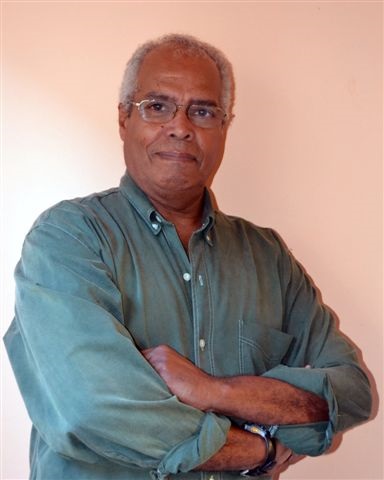
Author
Faustino de Jesús Zamora Vargas
Summary: We live amid spiritual ruin caused by sin and a lack of knowledge of God, but his Word endures. Nehemiah responded to the ruins of Jerusalem with weeping, fasting, and prayer: he confessed his own sins before asking for restoration for his people. We too see the consequences of disobedience and need to intercede for those who have turned away, those who do not know God, and all believers. Let us examine the walls of our own lives and continually entrust them to the Lord. We are weak, but Christ strengthens us through his Spirit so that we may be restored and persevere in prayer, worship, and obedience.
We live in a world that lies in spiritual ruin. Sin and ignorance of the living God, our Creator, are the sole cause of the collapse of the values upheld by His Word. Our confidence rests in the promise that the Word is eternal, remains, and will endure forever, despite the unbridled excesses of atheism’s standards.
Secularism has established its own values and disguised them with a seeming cloak of piety, but beneath it they are nothing more than distortions of the ungodly person’s character, set against God’s purposes and will: selfishness, vainglory, envy, and debauchery. “The god of this world has blinded the minds of these unbelievers, so that they cannot see the light of the glorious gospel of Christ, who is the image of God” (2 Cor 4:4).
The Word tells us that Nehemiah felt the need to return to Jerusalem to rebuild the city walls after receiving a report that they had lain in ruins for many years (Neh 1). Without walls to protect them, God’s people felt defenseless, discouraged, and without the will to rise and undertake the work. A sense of desolation and abandonment had taken hold of those who had returned from exile in Babylon. The ruin was moral as well.
That is what sin does. We lose our way; we lose our souls; and until there is confession and repentance, nothing will happen. Nehemiah prayed, confessed his own sins, and only then cried out for the restoration of his people. “When I heard this, I sat down and wept; for several days I mourned, fasted, and prayed to the God of heaven” (Neh 1:4). The following verses (5–11) express the value of a servant of God interceding for the lost—believers and unbelievers alike—and the solidarity and submission to God’s will of a man who cries out for favor on behalf of his brothers and sisters.
More than 2,000 years after Nehemiah, we do not need a messenger to come and tell us today that “the walls of our cities are in ruins and their gates have been consumed by fire.” The reality is before us. We know it, but we do not intercede enough for God’s people, asking Him to restore the ruins caused by disobedience and to work in the heart of a world that is perishing. How often do we sit down, like Nehemiah, to reflect on this? How often do we weep over the plight of a brother or sister who has turned away from the faith and fallen into moral ruin? Do we fast for the spiritual salvation of nations and peoples who deny the living God? What is the condition of the walls of our own lives?
The kingdom of God needs intercession for the lost. It is a virtue to cultivate in each of His children. God does not reject prayer; His eyes are on the righteous and His ears are attentive to the cry of the heart that prays for the Kingdom to be strengthened (Ps 34:15). The walls surrounding our life in Christ need to be entrusted to the Lord again and again. We are weak, and only in Christ do we receive the strength and power of the Spirit to build ourselves up and be restored. We are committed to praying for the lost and for all believers as well. Paul exhorted the Ephesians: “Pray in the Spirit at all times, with petitions and pleas. Stay alert and persevere in prayer for all the saints” (Eph 6:18).
Nehemiah understood the value of interceding for the salvation and spiritual rebuilding of his brothers and sisters. Rebuilding the wall would be the prelude to a spiritual restoration that would lead the people into the deepest worship and obedience. My prayer is that, in each of our peoples and nations, men and women of intercession will rise up like Nehemiah, who left the opulence and comfort of a palace, acknowledged the greatness and faithfulness of the God of the covenant, and set to work until his shirt was soaked with sweat as he laid claim to God’s promises of redemption.
God bless you!