The Armor of God
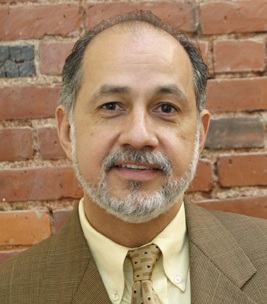
Author
Dr. Roberto Miranda
Summary: God wants to transform our entire being until the image of Christ is formed in us and to heal the wounds and distortions caused by sin and the past. This work requires consecration, discipline, and a willingness to remain under his dealings with us even when it hurts, understanding that trials can serve to purify and strengthen us. The armor of God brings together inseparable resources for spiritual and emotional health: truth frees us from deception and denial; righteousness calls us to treat others with fairness and integrity; the gospel of peace enables us to rest in the reconciliation and acceptance received through Christ; and faith helps us look to God’s promises above circumstances, losses, and emotions. The Word guides our interpretation of life, while continual prayer sustains our communion with God and enables us to view our experiences through the eyes of faith. We can live fully engaged in our responsibilities without belonging to the world, growing in spiritual sensitivity. Therefore, we must remain sober, vigilant, and clothed with the whole armor, daily surrendering our body, mind, emotions, and will to the Lord.
We are talking about emotional health. This week we have been taking a journey through that subject of how to live healthy lives in the Lord, how to be healed of our wounds, of our past deformities, and also how to maintain emotional hygiene throughout our journey. And we have said that the Word of the Lord has so much medicine, so many resources, so that we may be free, so that we may be healthy, so that we may reflect the image of Jesus Christ in our lives.
I was telling the brothers and sisters this morning that when we come to the ways of the Lord, we have to come to be transformed, amen? We have to come so that God may change us and deal with us. We cannot come with a magical mentality, as so many people come to church, just to arrive there and sit down, make a few faces and gestures, and then go back out into the street and home and live as though nothing had happened.
We, the children of God, are athletes of the Spirit, amen? That is why, when the Bible compares us, it compares us to the soldier, it compares us to the marathon runner, it compares us to the farmer who works hard, it compares us to people who are deeply involved in their process.
And unfortunately, I believe that many of us—and this is something God is saying to His people at this time and to our church—need to understand that God wants consecration. God wants the surrender of our entire being so that Christ may do the work He wants to do in our lives. The Bible says that we are to offer our bodies as a living sacrifice, holy and pleasing to the Lord.
And when the apostle says that we should offer our bodies, “soma,” what he is saying is that we should surrender our flesh, surrender our psychology, surrender our emotions, our mind, the entire human part of us that needs to be dealt with by God. Those areas of our lives which, if God does not deal with them, will cause us to stumble again and again in life.
And I have said that the Word of the Lord has teaching for us, it has resources, it has truths that, if we allow them to, will perform that restorative work God wants to do in us when we enter the ways of the Gospel. The apostle Paul writes and says in Galatians, I believe chapter 4, “My little children, for whom I labor in birth pains until Christ is formed in you.”
Do you know what God wants to do in your life? To make the image of Christ real in you, so that you reflect Christ in the way you speak, the way you feel, the way you walk, the way you treat those around you, so that you may be like Christ walking on Earth. And what was Christ like? An eminently healthy being, emotionally and spiritually; a balanced being; a being who knew who He was and who He is in the Lord; a being whose virtues were perfectly linked to one another, like a good meal that has precisely the right amount of seasoning, with everything working together to produce a delicious flavor. Wow, that is beautiful; please write that down for me somewhere.
That is what God wants to do in your life. God wants to form the image of Christ, because when you enter the Gospel, you enter with all kinds of deformities and defects, and the Lord wants to draw them out one by one and replace them with the virtues of the Word of God.
So remember that the general theme of everything I am talking about is health, healing, and how to be healed of life’s wounds and deformities, because we have said that we live in a deforming world. We live in a world permeated by sin. We live in a world that, if we let it, will twist our emotions, our minds, our attitudes—and it has already twisted them, because we are all twisted in one way or another—and part of the work of the Holy Spirit is to renew us and make us healthier and healthier each day. That is God’s purpose: that we prosper in every dimension of life.
And I want to tear that cobweb out of our minds. Being a true Christian, being a disciple, is the costliest thing you can imagine, and I believe that we do not grow more because we have such a superficial attitude toward what the Christian journey is, because we think that everything is simply about God giving me something, doing this for me, doing that for me, and we do not understand that the first thing is that we have to climb onto the altar and become a burnt offering, a sacrifice to the Lord, like a victim lying on the altar, burning beneath the Lord’s reforming and transforming fire—and that hurts.
Do you remember what I told you last Sunday? I got stuck on the words, “And having done everything, stand firm.” When we submit to God’s dealings, or when we submit to a trial that comes into our lives and allow the Lord to fulfill the entire purpose He has for that event in our lives. When we interpret it in this light: this is not merely the devil doing something; rather, it is God allowing this to come into my life with a healing and restorative purpose.
And so, in all the things that happen in our lives, all the trials, sufferings, and difficulties, there is something we can benefit from if we see it through the eyes of the Holy Spirit and the Word of God. So that is it: I was saying that we have to remain there in the fire of the crucible of God’s dealings until God fulfills His purpose, because what God wants is to extract impurities from us, to extract defects and deformities from us, so that we may then run the race of faith more lightly, amen?
I ask you, please, to write something down from time to time in your spirit, in your mind. If God speaks to you, tap there and write something, or simply say, “Lord, I receive that Word into my life.” And I have said that we are going to discuss a number of things, and what I am doing here is like an extended monologue. I stop wherever I stop, and next Sunday I pick it up again with what God gives me and what I can remember of what I said.
I have a clear recollection of what I said last Sunday, but I want to continue. Because again, what I am going to be doing, so that you understand the framework, right? is drawing from the Word of the Lord concepts and principles that help us live healthy lives. And there are a number of things there in Ephesians chapter 6, and what I wanted to provide was simply an example of how the Bible gives us a prescription for the things we can use to live sound and healthy lives and be healed of our wounds. But when I begin preaching, as often happens, I discover that there is a wealth of information there that we cannot simply pass over; instead, we have to pause for a little while.
In Ephesians chapter 6, after saying that we have to resist on the evil day, in the difficult situations of our lives, and that, having done everything, we may then stand firm, the apostle Paul has already told us that we have to take up the whole armor of God. And we were saying that we cannot afford merely to look at one part and take what we like; rather, we have to take all the resources God provides in His Word.
And then he gives an example of what some of those armors are—or rather, what some of those pieces of the armor of God are—for our emotional health and healing. And he speaks about how we have to gird our loins with truth. And I believe I told you before—I am going to go through this as quickly as possible—to gird our loins with truth.
The Roman soldier—and if someone can put that illustration of the Roman soldier’s armor up there for me—the Roman soldier had different pieces in his armor, and the first thing he had was a leather belt around here that allowed him to hold his sword and kept all the other parts of his armor joined and unified. And the apostle Paul begins with something that I believe is very aptly directed by the Holy Spirit; it is like the very center of the Christian’s life and what enables us—because the loins, it says, “having girded your loins,” means something like being prepared to charge, strengthened. The loins are the hips, the waist, and that is what you use to leap forward, defend yourself, or whatever else.
And what gives us that strength in life to fight against the forces of evil and all the influences that want to harm our lives? The Truth of God. I was saying that we have to fall in love with the Truth of God; we have to make a covenant with the truth. We have to stop playing little games, blaming others for our problems and situations, and we have to be people of integrity. I do not want to keep saying the same things, so I am going to move quickly, but wow, there is so much information there.
I have always told you that, to the extent that we suppress the truth, to the extent that we refuse to see the things we have to see, to that extent the Truth of God will always be trying to assert itself within us and make itself felt; and if we resist it, it becomes a thorn that harms us. All the neuroses and all the problems of humanity, in one way or another, arise from the rejection of truth.
And I want to tell you that we are living in a century and at a time when humanity has entered, I believe, a stage in which, I believe, a spirit of falsehood and seduction has fallen upon humanity, and upon this nation, for example. And nowadays lies and falsehood are excused in so many ways, and this nation, this society, is resisting the Truth of God.
And unless we make a covenant unto death with the Truth of God, we are not going to survive what is coming. Many Christians will fall into falsehood and heresy because they have not equipped themselves well and have not tied themselves securely to the mast of truth. And we have to stop looking around to see what everyone else is thinking, what the culture is thinking, what my friends are thinking, and how I can adapt myself to what my friends say so that I do not stand out and so that I can keep them. No, look, if you have to stand alone, stand alone, but follow the Truth of God.
I always remember Joshua’s words. Joshua said, “Choose for yourselves whom you will serve, but as for me and my house, we will serve Jehovah.” When God tells you something and when you discover something from the Truth of God, look, write it down in blood and do not let go of it even if it hurts, but live as a man or a woman immersed in the Truth of God, because that is what will enable you to be healthy. To the extent that you repress and suppress the Truth of God, to that extent you will have problems—and that applies to any kind of truth. So it is important to have your loins girded with truth.
“Wearing the breastplate of righteousness”—the breastplate is that upper part, over the chest, covering vital organs. It was made of leather, or it could be metal—but that righteousness, the breastplate of righteousness. And these concepts have many different applications, because in one dimension Paul is talking about bare-knuckle warfare against the hosts of hell that want to harm our lives and destroy us.
But I have also told you that these concepts apply to a kind of warfare that is much more commonplace, much more a part of daily life, and we also have to apply them in that dimension. And to me, that righteousness of which the apostle Paul speaks is that righteousness, that way in which we have to live in relation to the people around us, the way we have to treat others.
We have to live in the righteousness of God; we have to be just people; we have to treat others fairly. What we owe someone, we have to pay them—not only in terms of money, but honor to whom honor is due, recognition to whom recognition is due, love to whom love is due, words of affirmation to whom words of affirmation are due, and protection to those whose backs we have to watch. How often does someone come to tell us harmful things about another person, and we rub our hands together and add even more material, instead of saying, “You know what, brother? I...” Or, if you cannot confront it, simply keep quiet. Let us not gossip about others, because we cause harm; sometimes we treat people unjustly.
In our marriages, we do not treat our spouses justly; we do not treat our children or our coworkers justly. We have to be the most just people in the world; we have to live in the righteousness of God; we have to be people of integrity in the way we treat one another. And all of this about justice and fairness is very important, because many of life’s problems come when we exploit others, use others, and mistreat others.
For example, what does the Bible say? It says—and forgive me for picking on the husbands, but if there is a woman who is also harsh with her husband, then it applies to you as well—it says, “Husbands, do not be harsh with your wives, so that your prayers may not be hindered.” Isn’t that right?
So if we are treating our spouse unjustly, husband or wife—because sometimes there are wives who take advantage of their husband’s meekness, don’t fool yourself; they have a meek, humble, simple husband, and they walk all over him—that is not from God. Rebuke the devil right now; suddenly the spirit of Yiye Ávila came over me like that (laughter).
The Bible says: If we do not forgive those who offend us, God cannot forgive us. So God’s justice demands that we treat others in that way so that we can enjoy a healthy life and a healthy emotional life.
It also speaks of how, on his feet, the Roman soldier wore a kind of boot that fastened around the ankle and then around the leg so that it would remain firmly attached to him, and it also had a kind of nail in the sole so he could get a firm grip on the floor and the ground he walked on. And it is interesting that Paul says here: “The readiness,” that is, the preparation of the Gospel of peace.
And again, I believe that this idea—the thought that immediately comes to my mind—is that Paul chooses the Gospel of peace because what is the Gospel? The Gospel is reconciliation with God; the Gospel is the good news that God is no longer at odds with us, nor we with Him. The Bible says: “Therefore, having been reconciled by faith, we have peace with God through our Lord Jesus Christ.”
So it is a Gospel of peace. Paul emphasizes that the Gospel has many aspects, but here it is interesting that he chooses this aspect of the Gospel of peace, of reconciliation. And I believe there is something very important here for emotional health that we need to keep in mind, and it is this idea that I must learn to abide and rest in God’s love for my life, in God’s approval of my life. I must stop feeling guilty, as though God were an overseer who always has the whip ready to lash me if I do not please Him exactly as He wants at every moment, ready to hurl a bolt of lightning that will split me in half whenever I have a bad thought or whatever it may be.
So we often live with anxiety about God, and there are holiness churches that often become neurotic churches because they have this sort of Old Testament mindset, and we have not learned to rest in the Lord’s peace, knowing that we have already been approved through Christ Jesus and that we have a wonderful Daddy who loves us and wants to treat us well.
And you know what? Many times, when we stop seeing God as a stingy, punitive being and begin to see Him as a loving, reconciled Father, you know what? Sometimes we can do more than when we see Him as always demanding things of us. Do you understand what I mean? We must abide in the Gospel of peace.
I was telling Meche that, on our way to our church, there is a place that sells cars, and they had—perhaps some of those who drive through Summerville have seen it—a smiling gorilla about seven feet tall, terribly ugly but smiling, standing in front of the entrance to this used-car dealership. Next to it is a sign that says, “Park here; you are already approved,” meaning that whether you have bad credit, good credit, or whatever, do not worry; come and get a car because we will give you credit. So, park here; you are already approved—in other words, your credit application has been approved.
So I keep looking at that gorilla that says, “Park here, you are approved,” “you are approved,” and I say that I would love to take a picture of the gorilla, put a very tall cross next to it, the same size as the gorilla, and apply those words: Park here, because you are already approved. You get it? Did you get it? (laughs). In other words, draw close to the cross; park beside the cross because God is already pleased with your life through the cross of Calvary; God is no longer upset with you. At the cross of Calvary you find healing, blessing, hope, peace, and reconciliation with God.
And when you learn to abide in the Father’s goodwill toward your life, knowing that God wants to give you many blessings and good things, that sometimes changes your destiny. I wish I had more time to develop that, and when you are having lunch after the service, think about it a little more.
It says: “Above all, take up the shield of faith.” How interesting—it says, “above all.” The Roman soldier’s shield was like this: it was very large and could be made of wood, leather, or metal, and evidently it was meant to protect him from blows; it was a defensive weapon against the blows of an enemy soldier. “Above all.”
Why does faith have such surpassing importance? Brother, because faith is the platform for every transaction in the Kingdom of God. The Bible says that without faith it is impossible to please God. James says that if we lack wisdom, we should ask God for it, but we must ask in faith, without doubting, he says, because the one who doubts is like the waves of the sea, driven every which way. It says that whoever prays in that way should not expect to receive anything from God.
Faith is the very essence of our life, and every day we must ask the Lord to increase our faith and help us grow in faith. How do you grow in faith? Brother, you grow the hard way, bare-knuckled: by reading the Word, worshiping the Lord, keeping ourselves centered on the things of God, and memorizing Scripture. It is not as though you ask the Lord to open the top of your skull and pour faith into it; that is not how it works. Faith is something you learn through experience, through a deep engagement with the elements of the Kingdom of God; that is how you gradually become a person of faith.
You gradually become a person of faith through experience, when God deals with you and you see God throughout your life doing things as He promises. You gradually confirm the principles and ways of the Kingdom of God, and then you grow in faith. But if you are out there growing complacent, living a hundred miles away, going to church only once in a while—showing up one Sunday and then we see you again six months later—forgive me, but that is not how you grow in the Christian life. You have to pay the price; you have to be a soldier, continually marinating there, immersing yourself in the seasonings of the Kingdom of God.
But why is faith important? Because faith—look—what faith does is enable us to live in the dimension of the Spirit rather than the dimension of space. Faith is what enables you, in any circumstance of your life, to see what God is doing rather than what the world is doing.
Very respectfully, I used as an example a young couple who arrived here at church this morning; we are going to conduct the funeral of their three-month-old baby this Tuesday. And I was telling them from here, from the pulpit, that when we go through such a painful experience, if a person looks only at the circumstances of what has happened at that moment, the enemy will try to use it to deform our emotional life. When we suffer losses, when we endure great tragedies in our lives, the enemy will try to take advantage of them and fill us with resentment against God, embitter us, and instill a sense of guilt in us: Could it have been because I failed to do something, because I did not pray enough, because I was in sin, that my baby died? Or whatever it may be. The devil wants to take those things and use them to cause harm in our lives.
We have to go beyond the circumstances and cling to the Word of God, the Truth of God, what God is saying in our lives. That is why Paul also speaks here about the sword of the Spirit, which is the Word of God, because these things are joined together: faith, the Truth of God, the Word of God. When difficult situations and great losses come into our lives, we cannot focus on the circumstance we are going through, the experience we are suffering. We must rise above the maelstrom of the storm we are experiencing and try to see: What is God saying through this? What is God doing? What is God’s purpose in this? What has God declared about my life?
And that is when we must take the truths of the Gospel and apply them to ourselves. Because if you look only at the circumstances of your loss, you will be overwhelmed by the enemy, but faith is what enables you to go beyond your circumstances. When Peter was in the boat and saw Jesus walking on the water, he asked the Lord to allow him to walk on the water as well. And the Lord said to him: All right, amen, get out of the boat and walk on the water. And Peter began to walk. And as long as he kept his eyes fixed on the Lord’s authority, he walked on the water.
But the Word says: “Seeing the raging sea and beholding the storm in all its power, he began to sink.” When he was unable to use faith to look at Christ, who was above gravity and above the laws of physics, he began to look only according to his mind and what he knew about the physical reality around him. When he stopped living by faith, he began to sink. And the Lord said to him: “Why did you doubt, you man of little faith?” Brothers and sisters, we must live with our eyes fixed on what the Lord has declared, not on the experience we are going through.
In order to mature, the Christian must become increasingly detached each day from what people say, from what the world does to me, and from the circumstance I am going through, and must ask the Lord: Lord, give me the strength to live clinging to You and to what You have declared over my life. I believe that I am going to emerge from this time of trial. I believe that You are faithful to what You promise, and I know that this is simply a light, momentary affliction, but that I will press forward in the Name of Jesus.
And that is what enables us, brothers and sisters, to stop looking at what we are going through, what is happening in our lives, what happened to us twenty years ago, and to learn to ask: What does the Word of God say?
Later I am going to address another point, namely that one of the ways we can find emotional health is by knowing that we have worth in Christ Jesus, that no one else gives us our worth; rather, God gives us our worth through what we are in Him.
And one of the things I am also going to discuss is that another way we learn to grow spiritually and enjoy emotional health is by detaching ourselves from the world and fixing our eyes on the heavenly Kingdom and the world of the spirit. Because as long as you are attached to the world and attached to what others say about you, you are like a puppet that the world pulls up and down, forward and backward, jerking you around however it pleases. The child of God learns to fix his eyes on every Word that proceeds from the mouth of God, on the Truth of God.
And that is why we must exercise those muscles more and more each day, those skills for living in the spirit rather than so much in the flesh. As the child of God grows, one of the things God wants to do in us is to make us detach ourselves less from the flesh and attach ourselves more to Christ Jesus.
This week I was watching a documentary about Carthusian monks in a monastery in the French Alps, a documentary that I recommend you watch if you can. It is called Into Great Silence, and it is two hours and forty minutes of almost entering a monastery yourself, one of the most austere and demanding monasteries in the world, where these monks live almost their entire lives in a cell and emerge only briefly to attend Mass at midnight. They see one another as a community only once a week, but the rest of the time they remain shut inside their cells, reading the Bible, reading religious texts, and praying. It is as though the purpose of these men is to kill the flesh completely and shut down their senses by entering an artificial realm of silence and total withdrawal from the world so that they can come into contact with the infinite, with God.
And what these men do is incredible. Imagine living without even having a name anymore; when you die, there is no grave bearing your name. You disappear from the world completely because your purpose is to be something like an Olympic athlete of the spirit, and in order for you to sense God and encounter God, you have to gradually turn off the lights of all the senses: the memories of all your ancestors and relatives, every sexual appetite, every desire for worldly success, every sense of manhood, every emotion, every attachment to the world. You keep turning off the lights until all that remains is a being who is seeking and in contact with the infinite. Silence twenty-three hours a day.
And I say: Well, that is admirable; I find it fascinating. The truth is that it is a wonderful documentary in many ways, and the dedication of these men is admirable. But on the other hand, do you know what is beautiful about the Gospel? You do not have to do that in order to encounter the Holy Spirit, the Spirit of God. Even in the midst of the world, you can be not of the world. Even while you have a demanding job and are successful at it—whether you are a teacher, a doctor, a homemaker, or a laborer—even while you are living in the world, through faith you can become more deeply immersed in the world of the spirit every day.
And then you can have the blessing of both privileges. You can be a husband, you can be a laborer, you can be a person immersed in the world yet live as though you were in a monastery, because little by little you are shutting down that dependence you have on the flesh and on reason, and you are learning more and more to read the world through the eyes of faith, through the eyes of the Word, through the eyes of the spirit; every day you are becoming more and more of a spiritual being.
And that is what God wants: for us to learn to process life according to the dictates of faith and not merely according to the dictates of experience or emotions. We cannot allow the deformities of the past, the bad memories of the past, to dictate who we are. We live according to who we are, not according to what the world tells us we are. We cannot live attached to the world, but according to that perspective of faith, to that deep spirituality that God wants us to have.
One final weapon that the apostle Paul mentions here in verse 18: “Praying at all times, with every prayer and supplication in the Spirit, and being watchful to this end with all perseverance and supplication for all the saints.” What is Paul talking about here? Prayer. Prayer is something we cannot do without in our lives, and in a sense, we have to live in prayer twenty-four hours a day.
The apostle Paul says, “Pray without ceasing.” It is like breathing; prayer has to be like breathing. Wherever we are, we have to be in contact with the Lord, and if you feel that time is passing during the day and you have ceased to be in communication with the Lord, take thirty seconds somehow and refocus your mind on the Lord.
We must be engines of prayer, engines of prayer continually crying out and praying to the Lord, and presenting our needs and the needs of others to the Lord. And you do not have to spend four hours on your knees every day; very few of us have time to do that. But right there at your job, when you are driving on 93, when you are stuck there in a traffic jam, instead of beginning to curse and complain against God, take that time, cry out to the Lord, pray, present the needs of God’s people. I ask the Lord: Father, give me more and more of an intercessory spirit each day; there are so many needs that we can present before God.
One of the things monks do when they withdraw to monasteries is that they see themselves as people who are praying for the world; that is their calling—to be people of prayer who continually pray for the needs of the world and for the redemption of the world. Well, you know what? You can be a monk right there at your job, in your marriage—not so much in your marriage, but certainly in many different areas. You can live a life of continual prayer; you can cry out to the Lord and present your needs, continually renewing that dialogue with God in your life.
Because prayer is not simply about giving the Lord a shopping list: Lord, I want this; give me this; give me that. Prayer is also meant to keep us in communion with God and to make use of those times. That is what then enables us to see things as God sees them, to remain spiritually healthy. From time to time, take half a day to fast, or a full day, three days, or whatever it may be; present our needs to the Lord and cry out to God concerning those things we need to do. Without prayer, we cannot have the vitality we need in the Christian life.
When we pray, we make the negative experiences of life sacred, and then we can see them through the lenses of faith and the Spirit, and those things then keep us healthy and whole in the Lord. I am going to ask the musicians and worship leaders to come up here.
So, brothers and sisters, there you have some tools. The Bible says that the weapons of our warfare are not carnal but mighty in God for the destruction of strongholds. These tools that God has placed there—truth, righteousness, faith, the salvation we have in Christ Jesus, the Gospel of peace, prayer—are things that will keep us healthy at all times. When the assaults of life come, when threats to our health come, we will then know what to do.
I am not going to hold back from sharing an experience I had last night, a dream I had. Will you give me five more minutes? I want to share it with you, so that you can see how we must live each day practicing spiritual hygiene, and how, when the enemy wants to do things in our lives and the Lord reveals something to us, we must then access the things God has provided in our lives, because the devil is always trying to cause harm. And sometimes it will be open warfare, clearly spiritual in nature; at other times it will be subtler.
But last night—I could not even share this with Meche this morning—this is how God speaks to me. When there are times when Satan wants to enter, or there has been a penetration of my defenses, or there is something about which I need to be careful in the ministry or in my life, the Lord always warns me. And when I discern those moments of attack, which may somehow manifest themselves through circumstances, then God is telling me: Prepare yourself, strengthen yourself, so that the enemy cannot gain entry into that area of your life.
I was there—it was an image lasting only a moment—in the living room of our house, and for an instant I turned my gaze away from the window, away from the several windows in the living room. And when I looked back again, there was a—and I say this, look, homeless people, you know very well how much we love homeless people; this has nothing to do with that. It was simply a symbol, so no one should read too much into it, because God uses symbols only up to a certain point.
But when I looked back, there was a—how had he gotten in? I understood in the spirit that when I turned my gaze away, the idea was: I let my guard down for a moment, something came in. And there was a homeless man lying in the middle of the living room with one of those blankets they use, with one of those sleeping bags opened up, all tucked in and well covered, sleeping and seeking shelter in the living room of our house. And I wondered: How did this man get in? And this came to mind: When you turned away, he came in through the window and made himself comfortable there, seeking protection.
And then, in the dream, I said to Him—I was somewhat conscious—and I said to Him: Lord, what are You telling me through this? And then I understood that this person was a symbol of some kind of spiritual attack, of contamination or contagion that had entered our home or my life, or the ministry; I am not sure which. And then I understood that the Lord was giving me an assignment: Now go to war and defend your life and your ministry, and neutralize that.
Now, you know what? I went on sleeping, as I always do. It is not as though I am now neurotic and paranoid and will not eat or drink; it is that we are always at war with the enemy. What I now have to do is pray to the Lord and make sure that it is neutralized, because if I do not attend to it, the enemy is going to do something negative in my life.
And I believe that is how we have to live, brothers and sisters. As I say, that does not fill me with panic or anything like that, because the Christian life is a life of continual warfare. It is what the Word says: “Be sober and vigilant, because your adversary the devil walks about like a roaring lion, seeking whom he may devour.” We are at war with the powers of the devil twenty-four hours a day, and in the lives of those who serve the Lord there will always be moments of attack.
And that negative energy that entered or tried to enter my sphere of life, if it is not rejected and neutralized, can turn into something emotional, something spiritual, something marital, something financial, something affecting my health, something ministerial; that demonic energy can manifest itself like a virus in many different harmful forms. So what one has to do is put on the armor of God; begin to pray, to rebuke, to search the Bible—what is the Lord telling me?—to ask God for discernment, to sanctify ourselves more, to put down deeper roots.
When those things come into my life, you know what? Instead of feeling terrified, what I feel is joy: Thank You, Lord, because You are speaking to me. Thank You because there are defenses that alert me as to what I must do in order to preserve wholeness, in order to preserve health. This is not the first time that has happened.
And you are in the same battle I am, and what you have to ask yourself is: How can I live that life of vigilance twenty-four hours a day, seven days a week, so that the devil does not manage to penetrate my armor with his fiery darts? I have to use the sword of the Word, the shield of faith, the helmet of salvation, the footwear of the Gospel of peace—those tools God has provided—live within them, cry out to the Lord continually, surrender my life so that God may sanctify it more each day, so that the devil may have no foothold in my life, so that he may not find or know where to get hold of me, because each day I am surrendering my spirit, my life, my body, and my mind to the Lord. That is my desire, and it should also be your desire each day, so that you may live a healthy and clear-minded life every day.
May the Lord bless you. Father, we bless this Word; thank You for the armor of the Spirit that You have given us. Thank You for all the resources, Lord, that You provide us on our journey, and You have provided us with protection in so many different ways. Open our understanding so that we will not be like innocent children entering the slaughterhouse, Father, but rather men and women clothed with all the tools and all the resources of faith.
Make us a Church that is dangerous to the devil and to hell, Lord—a Church of men and women who are surrendered and sold out to the Gospel and the Kingdom of God—and teach us how to resist the enemy when he seeks to destroy us, when he seeks to harm our lives. We sanctify ourselves in You, Father; we consecrate ourselves to You.
Lord, we die to self and embrace the fullness of Your desire for us. We yield to You, Father. With the help of the Holy Spirit, lead us to that point of death where we might humble every aspect of ourselves and submit every impulse to You alone and to Your Truth, the Truth of Your Word. We submit ourselves to You like a sacrifice, Father, consumed by Your fire until all that is left of us is Jesus in His form and image. We praise You, we worship You, and we surrender ourselves to You, Lord, once more, like that holy and pleasing sacrifice before You.
Mark our spirits with this Word, Lord, and glorify Yourself in us, and get all the use out of us that You desire, in the Name of Jesus, amen. God bless you; may the grace of the Lord be with you, amen.