Romans 4 — How Does Faith Work?
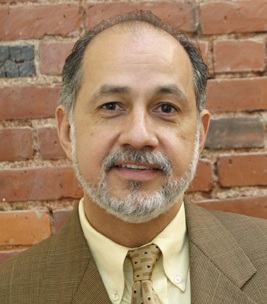
Author
Dr. Roberto Miranda
Summary: Justification and salvation come by grace through faith, not by works, religious conduct, or human merit. Abraham was counted righteous because he believed before the law and circumcision; thus he became the father of both Jews and Gentiles. The same principle appears in the Christmas story: Mary received an impossible calling with faith, while Zechariah doubted and suffered the consequences. Believing does not mean having no doubts, but trusting God more than our circumstances and moving forward in obedience, even when afraid. Faith is cultivated through Scripture, prayer, fellowship with believers, confessing God’s promises, perseverance, and concrete steps of obedience. It also requires patience, for God fulfills his words in his own time and uses waiting, opposition, and brokenness to prepare us. We must not prematurely abandon what has been promised or rely on our own ability; we are to keep our eyes on God, resist opposing voices, and face every battle with faith in his faithfulness and power.
Let us turn to Chapter 4 of the Epistle to the Romans, the letter to the Romans, Chapter 4. We are continuing our study of the Epistle to the Romans, and this morning we are going to do something a little different. I am going to combine the reading of this passage with other passages that also connect us with the Christmas drama. And it is very interesting how the Lord spoke to me about that this morning, and I will share it later, but first let us turn to Romans, Chapter 4, verses 1 through 5, and then I will show you verse 11, and this is tremendous—I think we will be able to project the text here for the brothers and sisters who are visiting and do not have their Bibles.
Chapter 4, Romans. Paul continues elaborating on salvation as being through faith and not through works. It says here, “What then shall we say that Abraham, our father according to the flesh, found? For if Abraham was justified by works, he has something to boast about, but not before God.”
That is, if Abraham’s salvation came through something good that he did, through his actions, his behavior, well, then he could boast about it, and God would have nothing to do with the matter. For what does Scripture say? In Genesis, Chapter 15, verse 6, it says, “Abraham believed God, and it was counted to him as righteousness.” Where do we find that again? When God appeared to Abraham on one of those occasions and told him, “You are going to have a son, Abraham,” and Abraham was already eighty-something or ninety-something years old—the first time He appeared to him, he was seventy-five—but afterward He told him several times, “You will have descendants.” And finally He told him how he was going to have them: that He would give him a son in his old age through his wife, who had been barren all her life and was also a woman very advanced in age. Abraham believed God, it says, and God looked upon that with pleasure and, as it were, counted it to him as works of righteousness; it pleased the Lord.
When a person lives by faith and believes the Lord, that pleases God, and God counts it to that person as a blessing.
So, “Abraham believed God, and it was counted to him as righteousness. Now to the one who works, wages are not counted as grace”
In other words, if you work forty hours a week and on Friday they give you a check for 250, or 500, or 750 dollars, or whatever it may be, they are not doing you a favor; you earned it. You worked, and there is no grace involved there at all; you simply earned that money.
“To the one who works, wages are not counted as grace, but as a debt; but to the one who does not work”—that is, the one who is given the money without having worked, the one who is given blessing and righteousness without having earned it through good behavior, but who simply believes. Look at all the times these passages speak about believing, believing. That is the link; that is the instrument God uses to make His blessings flow in the believer’s life.
“But to the one who does not work but believes in Him who justifies the ungodly, his faith is counted as righteousness.”
Let us now go to verse 11 of that same chapter. Speaking about Abraham, it says, “Abraham received circumcision as a sign, as a seal of the righteousness of the faith he had while he was still uncircumcised, so that he might be the father of all uncircumcised believers, in order that faith might also be counted to them as righteousness.”
Remember that I am going to connect all of this with the Christmas story. But what is Paul doing here in this Chapter 4? In the first three chapters, you saw him prove that the entire human race had sinned. Neither Christians, nor pagans, nor Jews could save themselves; everyone needed God’s mercy and grace.
So, in Paul’s mind, he is always—remember, he is writing to people who live in the city of Rome, Roman Christians—but he is also writing as a converted Pharisee who lived his whole life in Judaism, and the Holy Spirit had also revealed to him that what he was saying had very serious implications for all those Jews throughout the centuries and everywhere in the world, who were going to ask, “But how can that be? Then what happened to all of Judaism? And what role does Judaism play within God’s plans? Did God simply change His mind and throw all of that into the garbage, or what is the relationship now between the Israelite people and Christianity, this new dispensation in which God is dealing with humanity?”
And Paul is always trying to answer any objection the Jews might make to what he was saying. So he chooses Abraham as the supreme illustration that God works through faith and through works. Because some Jews might say, “Abraham, for example—our father—there you have it: he was blessed through the law.” And Paul says, “Ah, ah, that is not how it happened. Let us go to the story and see what happened.”
When God appears to Abraham, Abraham is not yet under the law. There is no such thing as Judaism. There are not even any Jews, because he was the first man through whom a nation was born that would be called the Jewish nation. There was no sacrificial system or anything like that. He was a Bedouin, a desert dweller whom God chose and called, and He told him, “I am going to give you descendants who will bless the earth. And I am going to give you children who will continue your lineage.”
And then Abraham, without any justification, believed what God was telling him. And God counted that to him as righteousness, and then told him about circumcision and everything else.
And Paul says, “You see, God’s covenant with Abraham was made before Judaism came into effect; therefore, that proves one thing to us: throughout all of history, God has always dealt with humanity in the same way—through grace, through faith, not through works.”
The law came after faith. And Paul says that God did that so Abraham could legally, judicially, be the father not only of the Jews, but also of the Gentiles who were not under the law. For he entered into his relationship with God outside the law and through grace, just as all of us must enter into our relationship with God. He emphasizes again and again that salvation, justification, is by grace. It is simply a matter of believing God and nothing more.
Then, in verse 17, it says, “As it is written: I have made you the father of many nations, in the presence of God, whom he believed—the One who gives life to the dead and calls things that do not exist as though they did. Against hope, Abraham believed in hope, so that he might become the father of many nations, according to what had been spoken: So shall your descendants be.”
In other words, when God spoke to Abraham, Abraham was almost dead. He was already an extremely elderly man, and suddenly God tells him, “Look, I am going to give you a son.” He had not been able to have children when he was young, and now God tells him this.
And why does it say that God calls things that do not exist as though they did? Because God was telling Abraham something impossible, something that did not exist; He was speaking to a dead man as though he were alive. He was telling him, “Your generations will be... in you all the nations of the earth will be blessed,” and that could not even be conceived, yet God was declaring it.
And what did Abraham do? Abraham believed. Abraham looked around him, looked at his body, looked at the circumstances, and did not contradict God, but said, “I believe what God is telling me.” And that pleased God’s heart. And God blessed him and dealt with him.
And we can do the same; that is ultimately what Paul is saying. Today God tells us, “My Son, Jesus Christ, is the Savior of humanity.” You cannot be saved by works; you cannot be saved by your good behavior; you cannot be saved because you are evangelicals, because you go to church on Sundays, or because you give money to the church coffers. None of that can save any person—only believing that Christ is the Son of God, the Savior of humanity.
When you believe—that is, whom are we believing? Two persons: first, we believe God, who says, “This is My beloved Son, in whom I am well pleased; listen to Him.” We believe God, and we also believe in Christ as our Lord and Savior. And it is that faith in Jesus that brings about the miracle.
And this matter of believing applies to Abraham; it applies to the Hebrews who are under the law; it applies to all the Gentiles who were to come through Jesus Christ; it applies to us in the twenty-first century.
Brothers and sisters, God’s dealings with man, with humanity, are always a matter of faith, a matter of believing God.
And this morning, I was thinking. I got up early and, as always, I was seeking what God wanted me to share with you this morning, and I faced the dilemma: well, this is Christmastime; we are already one week away from Christmas Eve, and as a pastor one wonders, “Would it be more appropriate to preach a Christmas sermon this Sunday?” But I also wanted to continue with the exposition of Romans. And there I was at a crossroads. And sometimes you get stuck and do not know which way to go, and it occurred to me to pray.
Just imagine that. What a miracle. It occurred to me to pray and ask the Lord what He wanted, and I asked Him, “What do You want me to preach this morning? How should I resolve this dilemma?” And it occurred to me to ask the Lord in my mind, “Father, would it be possible somehow to unite the Christmas story with this passage from Romans? And if so, give me understanding of how to do it.”
And brothers and sisters, I tell you, instantly, immediately, as I sat there with a cup of coffee in the chair where I sit in the mornings, the story of Mary, Zechariah, and the wise men came to mind, along with the fact that all those accounts say the same thing: we must have faith in the Lord; we must believe God’s message. God’s dealings with Mary, with Joseph, with the wise men, and with Zechariah were dealings of faith. What makes God’s miracles possible in our lives is our having faith.
Faith is the currency; it is the material; it is the instrument God uses to unleash His works in our lives. The Bible says that without faith it is impossible to please God, which means that with faith it is possible to please God.
The only way for us to see God’s miracles in our lives is by cultivating, in the Spirit of God, the capacity to believe God. And that is what Mary did; that is what Zechariah did; that is what the Christmas story is: people who believed God.
My wife and I went to see the movie The Nativity recently, and it was very interesting. That movie portrays Mary’s dilemma. As these young women read, Mary was a very young woman; she was not married, and God tells her, “You are going to have a son.” And she knew what that implied: public shame, because who was going to believe that an angel had told her that this son would come through God’s generation, God’s begetting? With that came shame; people would point at her; there was the danger that her betrothed would accuse her of betraying him. So many things.
This girl could not understand what was happening to her, and yet God told her, “I need your body to carry out My work.” Mary also had to hope against hope, as Abraham did, and decide, “Am I going to believe God, or am I going to continue living my life as I please, as is convenient for me?” And within that dilemma lay the substance of faith.
Let us turn to the Gospel according to Saint Luke, Chapter 1, so that you may clearly see how this element of faith unfolds and how, when we believe God, God can then perform His works. But I am going to show you this through two figures—not only Mary, but first Zechariah. And how interesting it is that in the accounts of Zechariah and Mary, in the birth of John the Baptist and in the birth of Jesus, there is a great deal of similarity with the origins of Isaac as Abraham’s son. In all these cases, it is always the same: a woman who biologically cannot conceive, but whom God chooses to carry a life that will bless humanity. God presents a person with an impossibility, and that person always has the option of saying, “I do not believe,” or of saying, “Yes, although I do not understand everything, I am going to believe God and join in His purpose.”
Here in Zechariah’s case, Chapter 1, verse 11, Zechariah was a priest by profession, a member of the Levitical caste. He is in the temple officiating according to his assigned duty that day, and the whole multitude, verse 10 says, was outside praying at the hour of incense. Zechariah is inside the temple performing the priestly rite, “and an angel of the Lord appeared to him, standing at the right side of the altar of incense. And when Zechariah saw him, he was troubled, and fear came over him. But the angel said to him, ‘Zechariah, do not be afraid, for your prayer has been heard, and your wife Elizabeth will bear you a son, and you shall call his name John. And you will have joy and gladness, and many will rejoice at his birth, for he will be great before God. He will drink neither wine nor strong drink, and he will be filled with the Holy Spirit even from his mother’s womb.’”
As an aside, notice that this child, even while still inside his mother’s womb, could be filled with the Holy Spirit. Many say that a child in the mother’s womb is the mother’s property, that she has the right to do whatever she wants with that child because it is simply a piece of flesh. Look, that piece of flesh could be inhabited by the Holy Spirit. So there is something there about the sacredness of life.
God’s dealings begin in the womb. It says, even before the creation of the world. It is something sacred, something very beautiful, very important. And God had a special purpose for that child who was going to be born in Elizabeth’s womb and through Zechariah. And he was going to be born to people who could not have children; they did not have the ability. And it says that “.....he will turn many of the children of Israel to the Lord their God, and he will go before him in the spirit and power of Elijah, to turn the hearts of the fathers to their children and the disobedient to the wisdom of the righteous, to prepare a people who are ready for the Lord.”
It was a very high calling that this child was going to fulfill. John the Baptist was the one who would prepare the way for the Savior of the world. He was going to be a prophet who would prepare the people through his message and his teaching. And Zechariah was going to be the instrument used by God.
But what happened? When Zechariah heard that, his mind filled with doubt. The angel sensed that he did not believe God, and Zechariah said to the angel, “...How will I know this?” In other words, what proof are you going to give me that what you are telling me is true? That was where he failed.
You know what? Many times, when God speaks to you, he will not give you any proof that it is he who is speaking to you. This morning, when I was sitting there trying to resolve my dilemma, that thought came to mind. No angel appeared to me or spoke to me in an audible voice, but I believed what God was telling me: use these texts, connect them, and show my people that throughout the centuries, my dealings with my people have always been through faith. I decided to believe that this word came from the Lord, and I had to act on it by faith. And here I am, standing here making those connections and showing what God has told me. But there is nothing to assure me that this is indeed so.
And many times, when God speaks to us, we have to be very careful not to ask the Lord for conclusive proof, because God’s dealings are by faith. Perhaps at some point God has spoken to you about something he wants to do through your life, something he wants to develop in your life, some gift he wants to give you, some calling.
I know that God is dealing with many of you and telling you, ‘I want you to go to college.’ To some he is saying, ‘I want you to be a counselor to women.’ To others he is saying, ‘I want you to mentor a couple of children and teach them. They do not have a father, but I want you to be that father to them.’ To others he says, ‘I want you to learn English because I want to use you at work and in other places.’
And we are going to hear that voice of God, and we will have to ask ourselves, like Zechariah, how will this be? Many of us say, I have no education, I never went to school, languages do not come easily to me. But when God asks something of you, simply obey; launch out in the name of the Lord. Believe God, and God will open the way as you obey the voice of the Lord.
Zechariah did not believe. His question was very different from Mary’s, because Mary also asked the angel, how will this be, since I have not known a man? But evidently Mary’s question arose more from curiosity. How are you going to do this? Whereas in Zechariah’s question there is doubt. How are you going to prove to me that what you are telling me is true? Then the angel answered him, “‘I am Gabriel, who stands in the presence of God, and I have been sent to speak to you and give you this good news.”
In other words, he invokes his authority as a messenger of God. What I am telling you, Zechariah, is true; it comes directly from God: “.....and now you will be mute and unable to speak until the day this happens, because you did not believe my words, which will be fulfilled in their time.”
Brothers and sisters, when we do not believe God, there are negative consequences. When we believe God, blessing comes. There are many people to whom God has said, ‘Receive my Son; he is your Savior. He is the only way you can enter heaven.’ And there are people who immediately begin to ask questions and challenge God.
‘Well, why are there so many denominations? And why, then, are there Catholics and Evangelicals? And what about Jehovah’s Witnesses and...’—all the questions and arguments people raise when you preach the Gospel to them, right? And whom did Cain marry in order to have children, if only Eve was in the picture and there were no other women at that time?
And there are people who never progress in the Gospel because they are always trying to find fault where there is none. They are always questioning something, right? They are always looking at the quarrels among Evangelicals, at people who behave badly in the Gospel, at people who, even though they go to church, do not do what they are supposed to do at work, at those who lie even though they go to church, at those who fall back into the world; and they are scandalized by all those things and do not enter the ways of the Lord. And they are always asking, well, what about Confucius, what about Buddha, what about Muhammad and all these things, what about science, what about evolution?
Brothers and sisters, salvation means believing God. Believing God even when your mind is screaming the opposite, even when there are arguments suggesting something different to you. Someone has said that believing in Christ is like leaping into the abyss; it is simply casting yourself forward in the name of the Lord, and there will always be voices inviting you to question what you have done. There will be situations in your life, there will be trauma, there will be financial difficulties, illnesses will come, and they will make you question whether what you did was truly from God or not.
And in those cases, we have to do as Abraham did. He looked around, saw that he was old, saw that his wife was advanced in age—one hundred years old—and that they had never had children. But Abraham believed; he grew strong in faith and said, ‘Lord, I believe you.’ And then that belief was credited to him as righteousness.
I tell you, brothers and sisters, the most important thing in the Christian’s life is to ask the Lord, ‘Father, increase my faith every day. Help me believe.’ It is not by sight; it is by believing God.
When Peter was in the boat and saw Jesus walking on the water, he said, ‘Lord’—in a burst of faith—‘enable me to walk on the water and come to you.’ His faith was great enough for him to ask Jesus Christ to give him that opportunity. And the Lord told him, ‘Go ahead, come.’ Peter got out of the boat and began to walk on the water. But what happened? He began to look at the storm’s waves; he began to hear the roaring wind; he began to see the spray from the water, and the thunder and lightning, and it says that “he became afraid.”
And what happened? His mind began to betray him. He began to say, ‘How can I do this? I am a mere man, and I am walking on water. Einstein said that you could not walk on water.’ He began to sink because he questioned; he looked at the circumstances instead of keeping his eyes fixed on Jesus, who had told him, ‘Come to me.’
And as he was sinking, he said to the Lord, ‘Lord, save me,’ and the Lord Jesus Christ stretched out his hand, pulled him out of the water, put him into the boat, and said to him, ‘Why did you doubt, you man of little faith?’
Brothers and sisters, never allow yourselves to be guided by the circumstances around you. Never allow yourself to be guided by your past. Never allow yourself to be guided by your lack of a family pedigree. Never allow yourself to be guided by whether or not you have pursued theological studies. Never allow yourself to be guided by the fact that you have not been the person most devoted to the Lord and now God is calling you. God loves to take insignificant people and turn them into giants for his glory. God loves to take the impossible and turn it into the possible.
In fact, the more impossible things seem, the more God delights in showing the exact opposite. So I encourage you not to doubt, not to question, not to look at the events and circumstances around you and question God, but rather, in the name of the Lord, to launch out and take hold of the word of God.
That is why the Lord Jesus Christ said, ‘Man shall not live by bread alone, but by what? By every word that proceeds from the mouth of God.’
We have to learn to look at what the word of God says. That is why it is so important for us to know that word, because in that word lies the way to God’s heart; through that word, you know how to open the door of blessing in heaven. Through that word, you know how God reasons, how God thinks, how God solves problems.
When you come to know that word and you see the accounts in the Bible, you see that God has always worked through the channel of faith and that this faith can change any circumstance, any situation. There is nothing in this world that will not obey the word of faith, brothers and sisters.
That is why the Lord Jesus Christ said, ‘If you have faith like a mustard seed—faith is that powerful—you will say to a mountain, “Move from there and cast yourself into the depths of the sea,” and that mountain will obey you.’ It was a hyperbole, perhaps an exaggeration, but what Christ was saying is that there is no situation you cannot resolve through faith in the God who has promised.
The problem is often that our faith is weak and we have not cultivated it. How is faith cultivated? Faith is cultivated by immersing yourself in the word of God, continually reading the texts of the word and seeing the way God has acted throughout history, and that strengthens our minds. Faith is cultivated by catching the faith of others.
I believe faith is contagious. If you associate with people who have faith, your faith will grow. If you associate with people who speak in faith, people who are bold in the Lord, people who have experiences with the Lord and know that God is real, your faith will continue to increase.
Now, if you associate with people who are continually daydreaming, whose minds are on secular and worldly things, on time and space, always with their heads buried in television and human affairs, your mind will be just as small in terms of faith.
Associate with spiritual giants, and your faith will grow as well. And your faith increases by putting God to the test, even when there is fear in your heart. Many times, brothers and sisters, when God speaks to you, you will have to take a step of faith, and you will be trembling as you do it, but keep moving forward in the name of the Lord. And even though your heart within you is saying, ‘You are going to crash into the pavement. You are crazy,’ and even though those around you tell you the same thing, keep moving forward in the name of the Lord. Keep pressing on, keep trusting in the Lord, and as you see the God of heaven open the way before you, your faith will continue to increase.
What happened to blind Bartimaeus? Bartimaeus was a man of faith. He could not see, but he heard that Jesus Christ was passing near him. And what did Bartimaeus do? He began to cry out at the top of his voice, ‘Lord, Son of David, Jesus, Son of David, save me, heal me!’ And what did the people around him do, including the disciples? ‘Be quiet; do not bother the Teacher.’ Right? They were opposing him.
You see, when you move in faith, there will always be voices around you. Many times, well-intentioned, very well-intentioned voices will want to silence you because those voices do not understand the wavelength on which you are operating at that moment. Many times, they will be people who love you; many times, they will be people who want to take care of you and protect you from making a mistake.
There are people who will tell you, ‘Look, you have been going to church too much; you are going crazy, you are becoming a fanatic. Life is not like that; you have to do this, you have to do that. “God helps those who help themselves,” the Bible says, et cetera, et cetera, right? You have never done that; that has never been seen before. No one has ever done that.’ And if you allow yourself to be swayed, brothers and sisters, that kills your faith. And sometimes, within your own heart, you will say, ‘I cannot do that. I have never done it. I do not have the training, I do not have the resources, I do not have experience in that.’
But faith is not the absence of doubt. I have learned that. On the contrary, I believe faith requires doubt at some level, because faith is what recovers and overcomes doubt. Faith is what hears the voice of the flesh but says, ‘I trust God more than the flesh,’ and it advances, moves forward, and takes deliberate steps.
As they were telling Bartimaeus, ‘Be quiet,’ it says that he cried out even louder. ‘Lord Jesus, Son of David, have mercy on me.’ And the Bible says that the Lord stopped. Do you not think the Lord heard him the first time? I believe he did. But the Lord liked to test people, and he liked to see whether they were truly going to persist or not.
Many times, we say a prayer in the name of Jesus, amen, keep eating our cereal, and think that we have already done what we were supposed to do. And God says, ‘No, I am not going to answer superficial prayers.’ God answers prayers that come from the depths of the heart. God answers the prayer that has been cultivated in darkness, through sleepless nights, in hope against hope, amid doubt, fear, anxiety, and persistence; and that is what touches the heart of God.
And when Bartimaeus’s cry reached precisely the right level, the Lord turned around and said, ‘Bring him to me.’ And how interesting that those who had been telling Bartimaeus, ‘Be quiet,’ now said to him, ‘Look, the Lord is calling you. Come, come and draw near to him.’
Faith is contagious. The world needs people of faith who show unbelievers that faith is worthwhile, that faith opens doors, that faith moves mountains. And then others are encouraged by our faith.
The Lord brought him near and said to him, “What do you want me to do for you?” as if he could not see that the man was blind, right? Because faith also requires verbal expression.
Sometimes, brothers and sisters, things have to be spoken. That is another thing: if you want your faith to grow, you must not only read the Word, rub shoulders with people of faith, and walk despite doubt and fear, but faith is also cultivated by declaring the things one expects from God as though they already existed. Some people would laugh with my mother when they... when they would ask her, “Toñita, how are you?” “Fine,” even though she had various kinds of pain, neurological pain, and there were other things going on in her life, but she would say, “Fine.” And it was frustrating sometimes, because you wished she would say, “Look, it hurts here,” or “I have this.” No, it was always the same word: “Fine.”
Because believers, brothers and sisters, can use their voices to challenge their circumstances. God speaks and creates through his mouth. God said, “Let there be light,” and there was light. “Let fish be born in the sea and birds in the heavens,” and suddenly the sea and the air were filled with living creatures. And he said, “Let there be the moon, and let there be the sun,” and light arose in the night and in the day. Because God creates through his mouth.
We are children of God, made in his image and likeness, and we too create and act upon reality through our mouths and our confession. When we learn to verbalize what we desire in God, that commits us, does it not?
It is very easy, there in your heart where there is no risk, to keep asking God for things, but many times there is doubt; there is a sense of self-protection that says, “I do not want to commit myself, because if I commit myself and then it does not happen, I will look ridiculous.”
And that is why, many times, one has to declare with discernment the things one hopes for. And I have learned in my life that often, when I verbalize certain things in faith, they happen much more quickly. It is as though something is activated.
And that is why on many occasions the Lord asks people, “What do you want me to do for you?” because something releases the power of God when one verbalizes, when one presents one’s arguments before God, when one makes a commitment before others and says, “I know that God is going to do this. I believe that God is going to bless me. I believe that God is going to bring my son to know him and deliver him from drugs. I believe that my husband is going to be converted to the Lord. I believe that my finances are going to improve this year. I believe that God is going to heal me; what is more, God has healed me, because God calls things that do not exist as though they did.
If God does it, we can do it too. There is a confession of power that releases the moving of God, and Christ said to him, “What do you want me to do for you?” “Lord, let me see; let me be healed.” And the Lord stretched out his hand, touched him, and Bartimaeus was immediately healed because there was faith in him.
And that is one of the things in which you have to persist amid the shouting of your conscience, your mind, and those around you telling you, “Do not do it; you should not.” You keep moving forward in the name of the Lord, and the sea opens before you. You have to take risks if you want your faith to be put into action.
In the Old Testament, the Lord spoke to the Hebrews when they were about to cross the Jordan River. It was spring, and all the snow on the mountains had melted; and when spring came, all that melting snow flowed downward and filled the Jordan River. It was impossible to cross it on dry ground to enter the Promised Land. And God told them, “Put the priests in front of the people. Put the ark in front of the priests,” because the ark symbolized the presence of God’s power.
Do you see? It is important, whenever you are going to undertake anything in your life, to put the power of God before you first. No matter what it may be in your life, you need to visualize the power of God and fill yourself with the Lord’s promises. You have to be like an athlete who first begins doing calisthenics and exercising; you have to praise the Lord, you have to confess the Word of God, you have to visualize what you want God to do in your life, and you have to make gestures that help you see the presence of God in your problem. And when you bring that engine up to a certain level.
Have you ever watched an airplane when it is about to take off at the airport? What does it do first? They start the engines, and those engines begin to rev up until they scream; they begin to churn and rotate until they reach maximum power, and then the pilot releases the gear, or whatever it is—I do not know how that works—but the airplane suddenly takes off, because it does not have much space and that immense bulk of a machine has to be moved in a short time. In other words, the engine does not have time to begin moving slowly, little by little, or it will never make it. It has to be powerful, and then it takes off and begins racing down the runway and can rise in time.
We have to do the same thing. Many times, we have to bring the ark of Jehovah in our minds to a certain level of specificity and clarity. We have to ask the Lord, “Fill me with confidence in you.” We have to remove and set aside all distractions and all doubts, and visualize what we want God to do in our lives. Sometimes we have to do it several times a day for weeks, preparing the space in which God is going to perform his miracle.
You know, brothers and sisters, many times people think that, when it comes to faith, God is the only player in the movie. You should know that human beings have a great, great deal to do in God’s miracles. There is a part that falls to us which God will never do.
And I believe that we have to understand this: if we want God to move powerfully in our lives, there is a part that I have to do. There is a mechanics of faith that it is important to understand. Because many times we leave everything to God and say, “Oh, yes, Lord, you are the only one.” I believe that is a mistake. Sometimes we want to be more Catholic than the pope, as they say. We want to remove ourselves from the picture, as it were, and God says, “No, I want to work in partnership with you.”
In other words, we have to learn what those rules are, what those mechanisms of faith are. And there is certainly a part involving preparation and participation on our part, in which we have to develop our visualization, confess verses and texts from the Bible, take risks, cultivate trust in the Lord, remove all distractions and all fears, ask others to pray with us, and fast.
If there are big problems in our lives, those mountains will come out only through fasting and prayer, the Bible says. There are tiny things that can sometimes be moved with a simpler prayer, but there are big things in our lives that will respond only to intensive, long-term treatment, during which we will be there lifting up the ark of the Lord in our minds, preparing it, accumulating the strength of the Spirit, and confessing all these things. And once the conditions are in place, then we will move in the name of the Lord, and God will do what he has to do.
When he said, “Put the ark of God in front; put the priests there to go with that ark, and then let the rest of the people come behind them,” he also said, “Let the priests begin to walk. And when the soles of the priests’ feet step into the water, the river will open.”
Notice that he did not do it beforehand. He did not say, “When the river opens, then cross.” He told them, “No, walk like generals even though you see the water there at its highest and think your shoes are going to get wet and you are going to look ridiculous. Keep walking forward; do not be afraid. And when you reach the very spot, at that moment....”
I believe that if we had a film in which we could see that, we would see that the moment the soles of their shoes touched the water, the water opened, and their shoes never got wet.
There is a lesson there, brothers and sisters. Many times God—because everything in life is God trying to eliminate human pride and humanity’s dependence on its own reason and on itself, so that God may receive the glory—and many times God’s processes take so long because God is dealing with aspects of our lives that first need to be worked on and treated before giving us the miracle he is waiting to give.
Many times, God’s miracle will not come when you want it to. It will take time. And notice how interesting it is that right here in the passage, with regard to Zechariah, in verse 20 of Chapter 1, he said, “...because you did not believe my words, which will be fulfilled in their time.” They will be fulfilled when? In their time.
Part of the problem of faith is that we have to wait for God’s timing and not our own. God is a God who takes time to perform his miracles. He is a cook whom you had better not rush by saying, “Come on, I am hungry; give it to me quickly.” He says, “No, no, I am going to take my time. I am going to prepare you a good meal, but it will be according to my methods and in my time.” And that sometimes makes us impatient and causes us to abandon the fight too soon.
Moses waited 80 years before entering his ministry. Abraham waited a hundred years before having his son. How long has the people of God had to wait for the second coming of Christ, even though Christ said long ago, “I am coming soon”? Just imagine.
God has his own timing, and likewise he has his own timing in our lives. God has told you things that he wants to do in your life, and it has taken a long time, and many of us have given up the fight and stopped dreaming and stopped asking the Lord and stopped praying about what God promised us. And perhaps we did so prematurely. God takes time with the things he wants to do in our lives.
I have told you that there are things God has spoken into my heart and my spirit for which I have been waiting my entire life. And I have taken risks in my life because I believed the Lord’s promise, and I still have not seen it, but like Abraham, I keep waiting. And I keep saying to the Lord, “Hey, you told me something; let us see when it is going to happen.” Because the things of the Lord are fulfilled in their time.
And that is why faith is joined to patience. If you want God’s miracles to take place in your life, it requires patience. Do not give up too soon, as the Mexicans say. Let the Lord complete his work in your life, and then, in the Lord’s time, the miracle will come; the answer will come.
Faith requires time; it requires a process. Faith is not something magical where you say a little magic word, “Open sesame,” and things happen. Sometimes God has other purposes. God wants to make use of the process of waiting, brokenness, seeking, prayer, and crying out, and all of that results in glory for his name and blessing for your life.
There are many miracles that, if God had already given them to you, you would have squandered. And first he is preparing your heart, your life, and your mind so that when the miracle arrives, you can make use of it, enjoy it, and retain it. And that is why, I tell you, the science of faith is something very, very profound.
When the Lord speaks to Mary, he tells her, “You are going to have a son.” Mary says to him, “Here I am, the servant of the Lord. Let it be done according to your will.” Mary was a simple young girl, probably ignorant and insignificant in her little village, in an insignificant region of the earth. God told her, “You are going to be the mother of an extraordinary, wonderful, miraculous being. He will be called the Son of God. He will continue the line of David, and his kingdom will have no end. He will be the Savior of humanity.”
It was something far too inconceivable for this insignificant young girl. “You will be blessed among all women,” and in the end Mary said to him, “Lord, let your will be done. Here is my body; use me however you wish.”
When the Lord speaks into your life, when the Lord places a dream in your life, it will often cost you, because the processes of faith are costly. Faith always involves struggle; it involves opposition.
The Lord spoke to me this morning about the figure of Herod; I am about to finish. In the Christmas story, Herod symbolizes everything that rises against the promises of God. Wherever there is a great promise of faith, there is a Herod.
Herod symbolizes the demonic, diabolical, earthly element that is always opposing God’s plans. That Herod may be your mind; that Herod may be a well-intentioned relative who is telling you, “Do not live according to those fairy-tale dreams.” That Herod may be someone who directly opposes you. That Herod may be an illness that arises: when you asked the Lord, “Heal me,” something worse appears in your body. That Herod may be that ........ praying for God to heal him from drugs, and now he becomes a criminal who robs banks.
That Herod is the pharaoh who tries to kill the Hebrew firstborn so that the people of God will not grow. That Herod is all those who opposed the Hebrew people when they were about to enter the Promised Land, so that they would not receive their inheritance. That Herod is Joseph’s brothers, who sell him into slavery so that he will not attain his dream.
And yet, what happens? When you believe, Herod ends up working for you. God takes opposition to shape you, to work on you, to polish you, to break you, to increase your faith, if you hold on to what God has told you. If you do not start thinking, “Well, now the boy has gotten worse, so I’m going to stop praying to see if things get better.” If your car breaks down because you received the Lord Jesus Christ and you were coming to church on Sunday, and at that very moment that car that had never broken down will not start today, and you say, “Oh, if that’s how it is, then I’m not going to be a Christian.” But you persevere, find a taxi, come to church, and keep worshiping the Lord.
The Bible says, “Resist the devil, and he will flee from you.” When one stands firm in faith in what God has declared and perseveres in taking steps of faith, the sea opens before one. Herod has to flee sooner or later; Herod dies, and you can return from Egypt so that the Lord’s will may be fulfilled in your life, as with Mary and Joseph. For a time they had to go away to Egypt, but afterward Herod dies and the Lord can continue His ministry.
Brothers and sisters, faith. Abraham, despite being the father of Judaism, taught a very great lesson, which is that God’s dealings with humanity have always been by faith. And that is what Paul sought to prove through the text of Romans, Chapter 4: that there is no such thing as a man who can be justified by his works, his actions, or his behavior. What God wants to do in our lives—the greatest miracle of all, which is the salvation of our souls—will happen when we proceed by faith. And from then on, we have to walk by faith. All our dealings will have to be by faith.
What does the word of the Lord say? The righteous shall—what?—live by faith. You have to fight all your battles through faith. The currency used to buy and sell in the Kingdom of God is faith. Whatever the situation in your life, put your faith to work, present your cause to the Lord, and act believing in God.
I ask the Lord, “Father, give me the strength to deal with every matter in my life with faith.” When I desire something in my life and have a dream, the first thing I do is begin to marinate it and soak it in faith, to soften it; and sometimes I begin praying years before the battle takes place, preparing the battle so that when the giant arrives, everything is ready and it falls with just one breath.
Sometimes there are things you have to begin praying for from the very moment the thought comes to you; you have to begin fertilizing them with prayer, with faith, with the confession that God is powerful enough to do it.
That building out there above that parking lot, brothers and sisters—I have been praying for it for years. It still cannot be seen there. It cannot be seen. But years ago, I stood in room 208, up there, while this building was still unfinished, and God spoke to me and said, “That is where the new sanctuary will be built. When this sanctuary fills up, that will be the location of the new sanctuary.”
Not a single service had yet been held here in this place. I am telling you the truth, brothers and sisters: my faith was not great enough to imagine that two services here would be filling up every Sunday. But God—I felt in my heart that this would be the place. And for years now, I have been fertilizing and, as I put it, softening that great stone of that building in prayer, and visualizing it. In my office I have a scale model, a model of the new sanctuary. And I pray continually, and my mind is always circling around that building, and I am always bringing it before the Lord. And by my saying this, do you know the commitment it represents to declare publicly that it will come to pass? But I believe in a God who performs miracles, the almighty God. I believe in a God who says, “None who trust in Him will be put to shame.”
Brothers and sisters, I can tell you that in every battle I have undertaken in the name of the Lord, in faith, God has given me victory. And I believe this will be no different. It can be the same in your life.
I am nothing exceptional. My faith often falters, and many times I am trembling when I get myself into the predicaments I get into, and I say, “Lord, how are You going to get me out of this?” But God, in His mercy, always finds a way and blesses me.
And God can do the same in your life. Nothing is impossible. Young person, God can give you victory in your studies. God can bring you out of ignorance. Elderly person, God can give you a new career, a new ministry in your old age. Woman, God can turn you into a spiritual giant, and God can provide what you need. Do not be afraid. Look toward the future, look toward that Promised Land, and say, “In the name of the Lord, I am going to possess it. In the name of the Lord, I am going to cross the Jordan. In the name of the Lord, my feet will not sink into the water; I am going to move forward. In the name of the Lord, I am going to conceive the life of God in my womb, and I am going to give birth to God’s blessing for the world.”
It does not matter that the promise seems difficult and great, or that what God wants to do in your life seems immense. Believe. Life is lived by faith. The problems, the struggles of life, the challenges of life are overcome by faith. Not faith in yourself, but in the almighty God, who is faithful to fulfill what He has promised.
A people like that is what God needs in order to do, in this time, the work He wants to do in the city of Boston, in the United States, and throughout the earth. And God can use a group of immigrants even to set an example for humanity—why not?
God can do impossible things. He used a little woman, small and uneducated, in a Jewish village oppressed by the Roman Empire, and blessed all humanity across thousands of years. Why can He not use us in the twenty-first century to bless our city and bless our nation? God can do it.
We are in the same category, or perhaps even a little higher than Mary herself. Nothing is impossible for God.
Stand up. Let us ask the Lord, “Increase my faith, Lord, on this day. Teach me the mysteries; teach me the science of faith. Teach me how to be a man, a woman of faith; how to fight my battles in faith; how to be an Abraham; how to be a Mary; how to be a wise man who came walking from far away in the Middle East, wondering whether he would find what his mind and his faith had told him he could find.” And when they arrived at the place, the Son of God was there, and they were able to make their offering and present it to the Son of God.
We can win the battle. It does not matter how we feel, what we see, or what we do not have. God blesses the person who believes. God rewards those who seek Him. It pleases God, and He counts it as righteousness, when we believe Him—when we believe that He rewards those who are faithful to Him, those who love Him, those who dare to take steps of faith and risk believing and getting their feet wet.
But the Lord says, “Do not worry; you are going to enter your Promised Land. You are going to kill the giants, and you are going to dwell in the home I have for you.”
Let us ask the Lord to increase our faith this afternoon. Father, in the name of Jesus, perhaps when we say to You, “Increase our faith,” You laugh a little, because You would say, “If you had faith like a mustard seed, I would open the windows of heaven and perform magnificent miracles before you.”
But, Father, to whatever extent You desire, give us the gift of faith so that we may always keep our eyes fixed on You alone. Let us keep our ears attuned to the words that come from Your mouth, Lord. Let us keep our eyes fixed on this marvelous Scripture that teaches us Your heart, Your faithfulness, Your power, Your continuity throughout history, Your methods that never change, and Your miraculous instrument, which is faith—believing You, Lord—which is what brings salvation and blessing into life.
We ask that this afternoon, Lord, through this word that has been preached twice, You would cause the seed of faith to be born in us, Lord. If there is anyone today who is doubting or confused, whose circumstances contradict Your faithfulness and Your promise, Father, I ask that the dawn would break and that the flame of faith, the gift of believing You, Lord, would be born in them.
Father, revive the dead dreams, Lord. Revive the hopes we left behind because we abandoned the battle too soon. Once again kindle within us the light of believing in something beautiful that lies ahead; let hope be born in us, Lord.
Father, we believe in You. We believe in You. We believe that You are the same yesterday, today, and forever. We believe that the God who opened the Red Sea can remove difficulties in the twenty-first century. We believe that You are the God who said that our young people would see visions and our old people would dream dreams, Lord, and that You would send a great revival. We believe that You can do it, Lord, that You are doing it.
We believe that You can give us a great harvest of souls, Lord; that You can heal our diseases; that You can provide for our financial needs; that You can bless our children, our lineage, Lord; that our church can grow and fill this city and be a blessing to this city, restore the ancient ruins, Lord, and bless the cities that have fallen.
We embrace Your dreams, Lord; we embrace Your purpose for this time. Help us to believe You in great things and small things, and to walk by faith, Father, as Abraham did and as all those heroes of faith named in Hebrews, Chapter 11, have done.
Thank You, Lord. Thank You, thank You. We receive Your faith. I proclaim faith in this place. I declare faith; I prophesy faith. I prophesy signs, wonders, and healings. I prophesy revival in the name of Jesus. I prophesy blessing. I prophesy a new dawn among the people of God. I prophesy thousands of souls coming to the knowledge of Jesus in this city. I prophesy the fall of the giants who laugh at the church and insult the people of God. I prophesy winds that will carry away all that pollution, that darkness that has fallen over this city. I prophesy angelic hosts coming to defend the people of God and cast out the demonic hosts that seek to possess what belongs to God. I prophesy death against all the Herods who rise up to kill our dreams and kill what You have placed in our hearts, Father, in the name of Jesus.
Raise the spiritual temperature in Your church, Father, and in this Boston community, Lord. And arise, O God; arise from Your throne, Lord, and strike the earth so that man may know that You are the King of Kings and the Lord of Lords. Hallelujah! We believe, we believe, we believe in faith.
Brothers and sisters, I want to invite you to make a gesture... leave your seats, and all who are able, come here to the front for a moment, and let us believe what we have declared this afternoon: that God is going to place faith in our hearts.
All who are able, and those who are not, simply move a little from your seat as a sign that you want to be part of this. Come all the way to the front, and let us declare God’s blessing over this city. Let us declare God’s blessing over our families.
Let us set our spirits in motion now, because that is part of the work of faith. It means believing, making ourselves uncomfortable, giving a sign to the devil and to hell, to God and to the angels, that I believe and that I am willing to make myself uncomfortable and move out of my comfort zone so that God may do His work.
God is going to perform miracles, brothers and sisters, in the name of the Lord. This is a prophetic action. What we are doing this afternoon is a prophetic action. Glorify the name of the Lord. Glorify the name of the Lord. Thank You, Lord. Thank You, God. Thank You.