Resurrections Come at a Cost
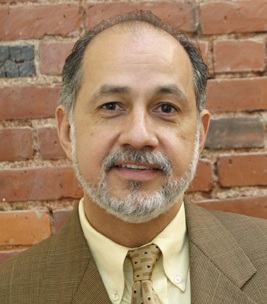
Author
Dr. Roberto Miranda
Summary: Christ’s resurrection has three essential consequences: it guarantees our resurrection and eternal life, confirms that Jesus is the Messiah and the Son of God, and makes a victorious life available to us through the same power that raised him from the dead. Yet living in that power comes at a cost. Paul experienced joy, peace, fruitfulness in ministry, and victory amid imprisonment and suffering because he counted his credentials, privileges, and securities as loss in order to gain Christ.
Knowing Jesus and the power of his resurrection also requires sharing in his sufferings and following his path of humility, obedience, holiness, and surrender. We must place on the altar whatever hinders God’s work, including legitimate things we love. This means accepting divine discipline, forsaking sin, serving, praying, studying the Word, fasting, and sacrificing time, comfort, and resources. Death and resurrection remain inseparable: we must die to the old self in order to live for God. Therefore, we confess our resistance, surrender our lives fully to Christ, and ask the Holy Spirit to fill us so that we may walk in power, fruitfulness, and integrity.
Philippians Chapter 3, verses 13 to 11. Read it with me somehow; I believe it is displayed. So listen to it or read it in your Bible. The word of the Lord says—and these are the words of the Apostle Paul speaking to his readers in the city of Philippi. The Apostle Paul says:
“...But whatever things were gain to me, I have counted them—in other words, I have considered them—as loss for the sake of Christ. And indeed, I still count all things as loss because of the excellence of knowing Christ Jesus, my Lord. For his sake I have lost everything, and I count it all as garbage, that I may gain Christ and be found in him, not having my own righteousness, which is through the law, but that which is through faith in Christ—the righteousness that comes from God through faith....”
Now focus your attention on this verse 10. It says, “...(all of this that he has just explained), ...that I may know him and the power of his resurrection and the fellowship of his sufferings, becoming like him in his death, if by any means I might attain to the resurrection from the dead....”
May the Lord bless his holy word. Amen. Brothers and sisters, today we celebrate, as we have already said in so many ways, the resurrection of Christ, an event of great importance throughout Christendom. On this day, celebrations have been held and will be held concerning the most transformative and powerful event in the entire history of humanity: in Asia, in Africa, in Australia, in New Zealand, in the Pacific, in the Atlantic, in North America, in South America—in every country and continent of the world, there are people right now, just like us, celebrating the resurrection of Christ Jesus.
That is something wonderful. It is one of the most sacred events on the Christian calendar, together with his birth and his crucifixion. The resurrection occupies an absolutely essential place.
Now, there are at least 3 dimensions that arise from the fact of the resurrection. There are at least 3 very great theological and practical consequences that arise from the fact that Christ has risen.
First, the fact that Christ has risen is a promise of eternal life for us. How many of you understand what I am saying? It means that just as Christ rose, we too will be raised. Glory to the Lord. That is what the Apostle Paul says in First Corinthians, Chapter 15: that he became the firstfruits of those who have died. Many have followed him in his resurrection since he rose, and we, if he does not come first, will follow him as well.
For the child of God, there is no death, but simply a passing from an inferior life into an eternal and perfect life in Christ Jesus, because he opened the way, he rose, and he also guarantees us our own resurrection. That is the first consequence.
The second consequence: Christ’s resurrection validates Jesus’ character and his messianic, divine nature. In their first sermons recorded in the Book of Acts, the Apostles used Christ’s resurrection as a validation of his identity as the Messiah, as the Son of God. They said that because God raised him from the dead, this is proof that he is the one whom God sent to mediate between himself and humanity.
Christ’s resurrection is unique. No other religion bases its beliefs on a risen founder. As for the other founders of the great religions, we know where their tombs are, or we know the day on which they died; but there is no talk of resurrection. They speak of other things, but no other religion claims that its founder rose bodily from the dead, historically, as we saw there for a brief moment in one of the presentations—risen bodily, when he said to Thomas, ‘Put your hand into my side and look at the wounds in my hands,’ and eating fish with his disciples at the end of one of the Gospels.
Our founder, Christ Jesus, is the Son of God, and that is why God raised him from the dead. Very important: the second consequence. And there is still a third, very practical consequence: because Christ rose from the dead, every one of us can live in the power of the resurrection right now, in this life. Glory to the Lord.
That means that God has unleashed a power. By raising Christ and conquering death, he also conquered everything that death represents in this world: sickness, poverty, sadness, depression, defeat, and spiritual and mental bondage. Christ broke all those bonds, and by rising, he delegated to us the power to live victorious lives. That is the most important thing: I can live a life of victory over sickness, depression, poverty, problems, and sin in this life through the power that raised Christ Jesus.
In other words, I can live a resurrected life here on earth while I await my final and eternal resurrection. And that is a very important consequence, and I am going to explain it a little more because of how important it is. Many of us Christians do not realize, when we enter the Christian life, that we are entering a dimension of power, victory, promise, light, hope, and the breaking of bonds through the One who defeated everything on the cross and in the resurrection.
Let me give you two examples of this. We already saw one of them here with these two sisters who sang that precious hymn and dramatically portrayed the encounter of the two Marys with the risen Christ.
You see these two women faithfully going to anoint the body of their Master, whom they believe to be dead. They have no hope that he has risen; they think he has been defeated, but they still have a wholesome desire to bless and honor the body of their Master.
How many Christians are there who love God and have a wholesome desire to honor God? But, like these women, they do not know that God has already unleashed power through the risen Christ. Jesus Christ is not dead; he is alive, as a song out there says. So they are frightened and worried, saying, ‘Who will roll away the stone for us?’ Because there is a stone covering Jesus’ tomb. A large stone had been placed there; it was a cave, and they would put a stone there and roll it over to cover it. They did not have doors in those days as we know them.
They are worried. They want to anoint the body of their Master, and they are walking by faith, but they are concerned because they do not have the strength. But what happens? The Bible says that when they arrive there, a mighty angel descends from heaven, there is a tremendous brightness, and the angel removes the stone and sits on it as a sign of the victory of the resurrection over death and over every obstacle that stands between us and the risen Christ.
And the Lord comes out and tells them, ‘I have risen. Go and testify to my resurrection.’ The obstacles of life could no longer come between those women and the glorious resurrection of Jesus. And in the same way, brothers and sisters, we can know that every problem in our lives and every difficulty in our lives has been conquered by the glory of the resurrection.
Another passage that affirms this for us is found in Ephesians, Chapter 1, verses 17 to 21, where the Apostle Paul prays. He says:
“...that the God of our Lord Jesus Christ may give us a spirit of wisdom and revelation—give us understanding, in other words—so that we may know the hope to which he has called us, and the riches of the glory of the inheritance God has given us, and the surpassing greatness—that is, there are repetitive words here—the surpassing greatness of his power toward us who believe....”
Notice: hope, riches, power—all those things—according to the working of the power of his might. What makes the riches, the hope, and the power possible? The working of the power of his might. It says:
“...which he worked in Christ when he raised him from the dead and seated him at his right hand in the heavenly places....”
In other words, God wants you to know, my brother, my sister, that the same power that raised Christ from the dead is within you now, and that you can confront every situation in your life because the power of Christ’s resurrection moves within you now, here, and always. Remember that. That third consequence of Christ’s resurrection is very important.
This morning, brothers and sisters, to sum up, we must remember that God wants us to live victorious lives through the power that raised Christ from the dead. His victory over death today guarantees us victory over life—this imperfect life in which death rears its head everywhere: in suffering, sickness, sin, conflicts, and financial and family problems. Brother, sister, I want to tell you that all those stones have been removed through the Christ of the resurrection.
Now, we could end here. I could close this sermon, give an altar call, and then you could go home and eat your Easter ham and celebrate the rest of the day—but you are not that lucky, let me tell you. There is still a little more. In fact, the most important part of this sermon is still to come—the part that I would call the prophetic part of this sermon.
So fasten your seat belts and make yourselves comfortable. Brothers and sisters, God has told me—I am going to put it that way—to tell you the following this afternoon. Listen carefully, and this is the title of this sermon: ‘Resurrections Come at a Cost.’
And God gave me that passage from Philippians 3:7–11 to provide the foundation for this declaration and this teaching that I want to leave with you. In the life of the Apostle Paul and in the words of the Apostle Paul, we have this call to each one of us this afternoon to consider the cost of living in the power of the resurrection. Because I cannot merely declare, ‘Oh yes, we have the power of the resurrection.’ How do we access that power? How do we learn to use it? How do we become instruments of that power? How can I learn to use the glory of the resurrection? And what must I do so that this power can fit within me and flow freely through me?
Paul teaches us through both his words and his life. The Apostle Paul was a man who knew how to live in the power of the resurrection. Paul demonstrates this through his victorious conduct during his imprisonment. Did you know that Paul wrote this letter to the Philippians while he was in a Roman prison? Some historians say that he was chained 24 hours a day by a long chain, always to a Roman soldier. If he went to the bathroom, he had to go with that soldier. If he ate, he had to eat with that soldier. If he slept, they changed shifts, but there was always a soldier attached to him. He was in a Roman dungeon, and from his writings we know that he did not know whether he would come out of his trial with his head still on his shoulders; he was not certain that he would live. He was there waiting to be seen by the emperor, and they could hand down a ruling for or against him. And, incidentally, his life did ultimately end in execution, though we do not know when. It was possibly not on this occasion, but at some point in his life, Paul was indeed executed for his faith.
Most of us would have become depressed under similar circumstances, but from Paul’s imprisonment came one of the most beautiful letters, one of the letters most filled with joy and grace, ever written in the Bible—and, I believe, in all human literature—the Epistle to the Philippians, from which I am reading. It has been called the epistle of joy because Paul says again and again, ‘Rejoice; again I say, rejoice. Do not be anxious about anything....’ The Apostle Paul says, the Lord is near.
Elsewhere he says, ‘Let your gentleness be known to all men. Glory to the Lord....’ And in another place he says, ‘...instead of being anxious, make your requests known before the Father, and the God of peace will guard your mind and heart in Christ Jesus our Lord....’ Glory to God.
Paul wrote a letter filled with encouragement, joy, and peace while he was in a Roman prison. That, brothers and sisters, is the triumph of the resurrection; that is the power of the resurrection. Most of us would have become depressed, thrown in the towel, and said, well, I didn’t sign up for this. I did not sign up for this kind of suffering.
God’s power was also manifested eloquently in Paul’s life through a glorious and powerful ministry, a radiant word, revelation such as no other man in all of history ever received, and healings. Paul would sometimes walk down the street, the Bible says, and his shadow would fall upon someone, and that person would be healed. Cloths.
You know, Yiye Ávila did not invent that thing with the cloths—praying over cloths so that people would be healed. The first one to do it was Paul. If someone else had done it, we would have said, oh, that is madness; that is superstition. No, Paul did it. He would pray, and handkerchiefs he had used would touch people, and they would be healed. A powerful man, the power of the resurrection, a tremendous evangelist.
Prophecy came from his mouth; gifts were manifested in every dimension. Paul said, ‘I speak in tongues more than all of you...’ and he did not say it arrogantly. The power of the resurrection was manifested in the Apostle Paul, both in his victory over the adversities, problems, and sufferings of life, and in an exceedingly powerful life of victory over evil, death, demons, and sickness.
But you know what, brothers and sisters? The power did not come easily to Paul; he had to suffer greatly. And here I am getting ahead of the subject I am presenting to you. Paul paid a high price in suffering, adversity, and every kind of trial that he had to go through throughout his life and ministry.
There, in Second Corinthians, chapter 11, verses 23 through 29, we have a long account—Paul needed 7 long verses to list all the things he had to suffer in his ministry:
“... beatings, persecution by the Jews, shipwrecks, imprisonments; he was stoned several times and left for dead...”
They throw just one stone at me and I am already saying, ‘I quit; I’m going home.’ Paul was stoned several times. He was a man who experienced firsthand what the struggle of the Gospel is like. He had to pay a high price. I imagine that people must have seen, ‘Oh, the sick are healed by Paul’s shadow,’ and must have said, ‘Oh, I want that.’ Oh, Paul lays hands on people and they receive the baptism of the Holy Spirit—like Simon the sorcerer, who wanted to pay him money—and Paul said, ‘May your money perish with you; you do not know what you are asking for.’
Many times we see the power of God flowing through a life; we see people filled with the Holy Spirit; we see people living victorious lives; we see people reflecting the joy of the Lord amid suffering and affliction, and we say, ‘Wow, I want that.’ But sometimes behind it there is a price that has been paid. There is much affliction, much suffering, many trials, much pain that has been endured, much dealing by God, much cutting on the operating table so that the person may attain the freedom, the lightness of spirit, the buoyancy that enables them to walk victoriously in the Christian life.
There is much to suffer in the faith, brothers and sisters. Do you know what cost Paul the most? What cost him the most was having to strip himself of his own self, of his illustrious past, of his personal background, of everything he considered valuable and important in life. In Philippians 3:4 through 6, the verses preceding those we read, Paul speaks about his pedigree, about his achievements and credentials according to the flesh, humanly speaking.
Paul could have said, ‘I graduated from the best university in the United States; I earned a six-figure salary; I taught at the best seminary in the entire United States. I was known as a person of authority, and presidents sought my counsel.’
Paul could have said, ‘I was born into an illustrious family, the finest family in my city, and I belong to a family line of noble people with great titles to their name.’ Paul could say all these things because they were a reality in his life. He studied under the best teacher of his time. It is believed that he was a member of the Sanhedrin, the most select group of Jewish rabbis, who possessed civil authority in addition to spiritual authority. He was a man of great authority, and he had letters authorizing him to persecute the church and imprison people, because he had power and authority.
And in Philippians 3:7 through 8, those verses we have just read, he says, brothers and sisters, that he had to leave everything behind and regard all those things that were his credentials of greatness as garbage in order to gain Christ. Dung is the word in the original Greek. Everything that gives a man so much pleasure—Paul had to strip himself of all of it and regard it as though it were nothing, and worse than nothing, as though it were something to flee from because it was repulsive.
Paul had to throw all his education, his theology, his social position, and his family into the garbage in order to become a Christian and enter into an apostolic calling. If Paul had clung to all of that, he would have lived a, quote-unquote, normal life, but he would have missed the glory of his apostleship.
Brothers and sisters, how many of you like living a normal life? I would love to live a normal life. I was telling the brothers and sisters this morning that sometimes, when I see those people casually reading a good magazine at Starbucks on a Sunday morning while I am driving to church to preach and serve the Lord during the day, I confess that sometimes I would like to live a normal life—to be able, once in a while, even if only 8 Sundays a year, to get up in the morning wearing slippers, read the entire New York Times from the first page to the last, and enjoy a, quote-unquote, normal life. And when I see you sitting there looking so nice, with your wife, or your brother, or your daughter, or whoever it may be, so relaxed while I am up here sweating bullets preaching to you, I would like to live a normal life too.
But you know what? I have understood very clearly that, as they say, if you want a high hair bun, you have to endure the pulling. Anyone who wants glory in God has to pay the price. Anyone who wants to be used by God has to abandon the idea of living a normal, comfortable life, brothers and sisters. Anyone who wants the power of Christ to flow through their life must be willing to bleed, must be willing to sweat, must be willing to shed tears, must be willing to spend sleepless nights, must be willing to seek God’s anointing, must be willing to give up things they love which are not bad in themselves but which are an obstacle to the glory of God flowing through their life.
The path to the power, the victory, the moral greatness that enables him to write the radiant letter to the Philippians from prison lies in having stripped himself of attractive things that were an impediment to entering into the power of the risen Christ.
If, when Christ revealed himself to Paul, Paul had said, ‘No, Lord. If I accept you, my colleagues will leave me, my family will disinherit me, my Jewish brothers will persecute me, I will become a nobody, I will lose my titles, I will lose my credentials, I will lose my salary, I will lose my social position,’ Christ would have said, ‘All right, Paul, do not worry. Go on; we will see each other somewhere over there. I do not think it will be good, but we will see each other at some point anyway.’
And Paul could have lived his life normally, but he would have missed that glorious victory of being a man used in an extraordinary way by the power of God. Notice that the Pharisees, the Jews in general, preferred the comfort of their religion and culture to the glory of knowing and receiving the Messiah.
But what happened? They remained barren. Their religion had no power, and in fact the great Roman persecution came, destroying all of Jerusalem, and the Jews wandered throughout the world for almost 2,000 years before they could return to their homeland, because when you cling illegitimately to life and prefer your own life to the life Christ gives, paradoxically, you lose your life.
That is why Christ says, ‘Whoever loses his life will gain it, and whoever gains his life will lose it.’ Whoever wants to preserve his life, whoever wants to preserve his normality, whoever wants to preserve himself just as he is and is unwilling to surrender his life and the things he values to Christ will never come to know the value of the resurrection.
Christ says that unless the grain of wheat falls to the ground and dies, it remains all alone, a single grain; but if it dies, it bears much fruit. That is the mystery of the Christian life, brothers and sisters, and I wish I had the tongue of a poet or the tongue of an angel so I could tell you again and again, brothers and sisters: that is the heart of the Christian life. It is leaving things we love and that are important to us and placing them on the altar so that we may experience the power of the resurrection in our lives. What we love, what we value, what matters to us—we must be willing to give it to the Lord so that the glory of God may move within us.
When God asked Abraham to give him his son, his only son—a man over a hundred years old who has one son, for whom he has waited his entire life and whom God has given him—and at the end of his life God tells him, ‘Give me that son and sacrifice him to me,’ Abraham could have said, ‘No, Lord, thank you. I love my son too much. You gave him to me, and now I am going to enjoy him until my final day,’ and he could have done so. But Abraham did not withhold his only son from God, and do you know what? God said to him, ‘Abraham, that is enough.’ When Abraham was just about to plunge the knife into his son, God sent an angel to tell him, ‘No, Abraham, stop; and because you were not willing to withhold your son from me, because you were willing to give him to me, I am going to bless you so that your descendants will be so numerous that, just as the sea and its sand—its grains of sand—cannot be counted, neither will your descendants be countable.’
And for thousands of years, an entire humanity has descended spiritually from that man of faith named Abraham, because he was willing to strip himself of what he loved.
Philippians 3:7 through 9, the first 3 verses that I read, are a preamble to verse 10, which is the most important of all. Verse 10 says here:
“... in order to know Christ, in order to know him,” it says, “and the power of his resurrection and the participation in his sufferings, becoming like him in his death.”
Three or four important things: in order to know him; the power of his resurrection; the participation in his sufferings; and becoming like him in his death.
Look at this: in order to know Christ. To know Christ, one must walk the same path he walked, says the word of the Lord. And what path did Christ walk? Read Philippians chapter 2, verses 5 through 11, where it says that Christ, though equal with God, did not cling to being equal with God, but stripped himself, emptied himself in obedience to the Father in order to save humanity, and lived a life of humility, obedience, and submission to the will of the Father. And that is what we must do. If we want to have the power, if we want to know Christ, we have to know him in what he walked through, on the path that he walked, and that means that we have to live in the same way: in humility, in submission to the Father, in obedience, in holiness, in giving the Lord everything he wants from us.
Jesus said that he spoke nothing unless he first heard it from his Father, and did nothing unless his Father commanded him to do it. Oh, that we might walk in that obedience in our own lives. Brothers and sisters, my desire and your desire should always be to give the Lord everything he asks of us, to surrender to the Lord everything that comes between him and us. How many can say amen to that? Brother, may your life be a continual bleeding of yourself, a continual stripping away; may your path and the trail you leave through your life consist simply of letting go of things, so that people can follow your path and know where you are because behind you, you are leaving things that do not please the Lord, because you are committed to making your life one of total surrender to the Lord, of continual self-emptying, so that you may know Jesus. If we want to know Jesus, we must walk as he walked.
And then Paul adds, saying, “... and I want to know him and the power of his resurrection....
To know the power of the resurrection, we must strip ourselves of many things that we love but that are obstacles. The power of the resurrection can only be reached by submitting ourselves to divine discipline and to the training of the Christian soldier. If you want the power of the resurrection, brother, give things to the Lord.
Many times we say, ‘Oh yes, I want to know Christ,’ but we hold back when we can do something for the Kingdom of God. I see these wonderful brothers and sisters here worshiping the Lord and blessing us with their music and their presentation, but do you know that behind this glorious moment there are hours and hours of rehearsal? There is a great deal of work; if you add up the hours, literally hundreds of hours, I would say, have been invested in that glorious moment. People have had to prepare songs, musicians have had to come at night to rehearse, and money and time and many other things have had to be invested. Listen to me, though: what glory flows from that investment! And I say, oh, if only the people of God understood that; if only the people of God understood that within you there is a deposit of grace, power, and energy that God wants to use—but you are going to have to bleed, you are going to have to pay a price, you are going to have to make yourself uncomfortable, you are going to have to sacrifice your privacy, you are going to have to leave your delightful little home in subfreezing temperatures to come to the house of the Lord.
You are going to have to go to your discipleship classes; you are going to have to get up half an hour earlier in the morning to read the Word of God and have a devotional time. You are going to have to take your little boy or your little girl to the youth service when you would rather stay home because it is Friday night and you have already paid the price all week long by working, and that is what you want to do. But you say, ‘No, seek first the Kingdom of God and His righteousness, and all these other things will be added unto you. And I want my son, my daughter, to receive the Word of God; I am going to invest in that.’ When your church has a financial need, you give because you know that your heavenly Father is more than faithful to restore to you everything you invest in the Kingdom of God. Instead of delighting in things that do not please the Lord—in improper reading and entertainment that impoverishes you spiritually—you say, ‘No, I am going to fast from those things so that the anointing of God can flow with greater power and freedom through my life.’ And you live a life of perpetual fasting because you are always surrendering things to the Lord, because you want to know Jesus and to know Him in the power of His resurrection.
I have learned that to the extent that I empty myself and give the Lord things that I love, the Lord flows with greater power and ease through my life, and I experience more of the joy of the Lord, and I run the race of faith more lightly, and God can use me more, and I enjoy more of the power of God flowing through me. And I see the privilege of serving the Lord in lives that are saved.
All of us want to bear fruit; all of us want to see the blessing of God flow through our lives. There is a price to pay: we must empty ourselves, strip ourselves, suffer, confess, forsake, allow ourselves to be cut open on the divine Surgeon’s operating table, live as though dead while still alive, and divest ourselves of things. The Christian life must be a life of perpetual self-emptying, of perpetual fasting. But do you know what? Even while you refrain from enjoying those things, there is a spiritual enjoyment that you feel in your heart, and you see yourself becoming a spiritual father, a spiritual mother, and you see the power of God manifested in your life, and you can say, ‘I know Christ, and I know Him in the power of His resurrection, because I see His resurrection manifested through my life.’ A life of fruitfulness, effectiveness, victory, and power can only be attained through continual surrender.
And Paul finally adds, “...and the fellowship of His sufferings...”
We can say amen to knowing Christ; we can say amen to the power of the resurrection. But how many of us can say amen to the fellowship of His sufferings? That is where we quietly begin to distance ourselves from that declaration. But Paul says, “I want to know Him in the fellowship of His sufferings.” Why? Because in order to know the resurrection power of Christ, we must know the sufferings of the crucified Christ.
I will conclude with an illustration from Romans, chapter 6, verses 5 through 8. The same Apostle Paul who wrote the other passage says:
“...for if we have been planted together with Him in the likeness of His death, we shall also be in the likeness of His resurrection....”
Do you see here, brother, death joined with resurrection? Do you know that when we are baptized in water, and the pastor immerses us in the water and does this, we go beneath the water and, for an instant, we disappear from the world?
In Christian theology, that instant of immersion in the water is like dying, and when the pastor brings you back up, that is the moment of resurrection: death and resurrection are joined together in the Christian life.
And Paul adds, “...knowing this, that our old man was crucified with Him, that the body of sin might be destroyed, so that we should no longer serve sin...”
Brothers and sisters, Paul says that our old man, our old nature, our old prerequisites, privileges, and preferences—all of that has already been crucified, neutralized, killed, in other words, at least in the spirit. And every day we must increasingly submit to the knife of God the sin that bound us and everything that prevents the divine nature from being manifested in us.
It says, “...for he who has died has been justified from sin, and if we died with Christ, we believe that we shall also live with Him....” Hallelujah! It says, “...likewise you also, consider yourselves dead to sin, but alive to God in Christ Jesus our Lord.”
In other words, brothers and sisters, we must die in order to live; we must be crucified in order to be resurrected; we must live through the Friday of crucifixion in order to participate in the Sunday of resurrection.
I am going to ask the musicians to come up here. Brothers and sisters, on a day like today, Resurrection Sunday, many superficial things are preached in churches; a great deal of dust is stirred up, many declarations are made, and many privileges of the resurrection are celebrated. But often the principle behind it is not made clear, and that is why there are many believers who are not living in the power of the resurrection, even though we are continually told that this is our spiritual dwelling place. For it is not made clear to us that there is a path to the power of the resurrection, and it is the path of self-emptying: living a life consecrated to the Lord. No more cheap grace; no more wanting to be people of power and prosperity if we are not people of crucifixion, if we are not people of holiness, if we are not people of consecration, if we are not people of service, if we are not people of devotion, if we are not people who read the Word, if we are not people who fast, if we are not people who surrender to the Lord the habits we love and the prerogatives and privileges we love, if we are not people who, when the Lord tells me or tells you, ‘Look, that does not please Me,’ immediately say, ‘Of course, Lord, take it, take it; do not worry. What else? Can I give You something else?’ No matter whether it is the thing we love most, the one who lives this way lives a life of power, and all of us have things that we must surrender to the Lord.
Say amen. I am the first. You see me up here preaching this, and I say, ‘Lord, I am shocked by what I am saying,’ because I am the first one cut by what I preach.
Many times I am afraid to preach this way because I say, ‘Father, I have climbed very high; if I fall from there, they will not be able to pick up the pieces. It is a lofty teaching; it is a great message that cuts every one of us.’
Brothers and sisters, I have a prophetic word, and I am going to read you one paragraph: Today God tells us, Lion of Judah congregation, listen carefully to this, listen carefully to this. This is the Word of God for you and for me. Children, I want to release the resurrection power of My Son upon you, but I need you to surrender your lives to Me, submit to My dealings, allow Me to operate on you, and cut away many things that are not pleasing to Me. These things prevent My power from flowing freely through you and prevent you from experiencing the power, the fruit, and the continual victory of a resurrected life. Walk the same path My Son walked—the path of obedience, holiness, self-surrender, self-emptying, and total consecration to My will. If you are willing to do this, then I will enter with all the power of the resurrection and make it possible for you to live in that same power for the rest of your lives.
That is the Word of the Lord for you and for me this afternoon—the Word of the Lord, a prophetic word from the heart of God. I want you to bow your head and pray with me. The first thing we must do is confess to God that we are not living at that level, but that we want to. So tell Him:
“Father, although I have not lived at that level, I want to live at that level. Help me. I acknowledge that this is where You need me to be. No more cheap Christianity, no more religious Christianity, no more symbolic Christianity. I want to live an authentic Christianity, a Christianity of battle, of the trenches. I want to live Christianity as my Founder did; I want to live up to the high calling in Christ Jesus. I want to be a soldier who fights the battle legitimately, with the weapons of God, in God’s way, in God’s trench, suffering like my Founder, paying the price, walking as He walked.’
Say that to the Lord, and tell Him, ‘I know that I have not measured up, but I want to measure up, and I declare my life submitted to Christ. I repent of clinging to what I like but which prevents me from entering into the fullness of the power of the resurrection. I repent, and I surrender it.’
And now, Father, I ask You: help me to live a victorious life, to be a radiant man, a radiant woman, to be a person of integrity, an ethical person who reflects the character of my Founder, my Master, my Rabbi, my Lord. May I honor my Master with the life I live. I surrender all my prerogatives to the Lord now.
And finally, I want to invite anyone who came here today and has not yet surrendered his or her life to the Lord. The prayer we have just prayed is for all those who are in the faith and need to rise to a higher level. But there are some who are not yet in the faith and need to enter into faith in the Son of God, and they need to surrender their hearts to Jesus Christ and say, ‘I too now join that Christian life.’
And I want to invite you to reflect for a moment. If you have not yet surrendered your life to Jesus, I want you to leave here having done so, because it is a great privilege and a great blessing, and it will release a marvelous life, power, and transformation; you will never be the same after that. So I want to invite you this afternoon—whether you are young, an adult, elderly, a man, or a woman—to consider surrendering your life to the Lord. And just as Paul did on the road to Damascus, when the Lord called him, he said, ‘What do You want me to do?’ And the Lord told him, ‘Go to a certain place, and there you will be told what you must do.’
And when you accept Jesus, the Lord is going to tell you, ‘Look, I am going to hide you away for a time, and I am going to tell you what you must do from now on. You and I are going to have dealings with each other, and I am going to teach you the way you should walk, and I am going to gird you and take you where perhaps you would not want to go. But trust Me, because I am going to take you to a safe place, and My dealings with you will be good, and I am going to bless you more than you could ever be blessed without Me.’
So I want to offer an invitation; I want to make an altar call this afternoon. If there is anyone in this place who has not received Christ as Lord and Savior, I want to ask you to have the courage to raise your hand right now and offer your life to the Lord Jesus.
Is there anyone who would like to surrender his or her life? I bless that hand raised here to my left. Is there anyone else? I know there are several more here, and I want to invite you. God bless you, my sister. Anyone else? This is a precious time. What better day to remember, ‘Today I surrendered my life to the Lord,’ than Resurrection Day? It will mark you for the rest of your life.
Raise your hand and surrender your life to the Lord. Have courage. Many people do not surrender their lives...this young man here as well. Many do not surrender their lives...back there as well...to Christ because they say, ‘I am embarrassed; I do not want to do this in front of so many strangers. Ah, that is for evangelicals.’ But they want to do it; in their hearts they feel a touch of the Holy Spirit, and they want to do it. There is a struggle. That is where it begins: things must be sacrificed. You must surrender your dignity, your sense of elegance, privacy, and authority. All those things must be laid at the feet of the Lord.
Humble yourself; surrender yourself to the Lord. Is there anyone else? Raise your hand. I bless you, sister, here. Is there anyone else? I know there is someone in the back as well; I acknowledge that hand. Is there anyone over here? Back there as well—God bless you. Anyone else? I know there are others here.
Brother, this is serious, and it is a precious time, a precious opportunity. Do not miss it. Do not miss that blessing. I think someone here raised a hand. What a blessing. I know there are others who want to surrender their lives to the Lord. Glory to God.
The Lord sees you. I may not see you, but the Lord is watching you; do not worry. If there is anyone, I want to begin inviting you: come up here to the front. And I want someone who is near each of them, a Christian who has already surrendered, to come and accompany them. Come over here. All of you who raised your hands, come over here for a moment. That is part of dying, part of surrendering, part of bleeding, part of daring. Brothers and sisters, there is blessing in that. That is where you begin to die; that is where you begin the path of obedience; that is where you begin the path of learning what it means to strip yourself of things you love.
Come here to the altar. Let many of you come here to God’s altar. Come here now and surrender your lives to the Lord. And brothers and sisters, I want you to pray with them. Brothers and sisters in the faith, come and pray with them; pray with them and declare them members of the Kingdom of God. Hallelujah!
If there is anyone else, come running up here and surrender your life to the Lord. And I want this to be a precious moment of solidarity with those who are surrendering their lives to the Lord. Let no one be left without spiritual covering right now.
Praise the Lord. Glory to the Lord. Come over here quickly. Come here and pray for your brother, or come and receive Christ and surrender your life to the Lord Jesus. The anointing of God is here to save, to heal, to deliver, and to do transforming things, so there is still time. Come on over.
Let the Spirit touch your life. Commit your life to the Lord. Let Him walk with you, and you walk with Him, and let Him do His work. Don’t try to do His work for Him. Let Him do the work. You may have too many doubts in your mind about what is going to happen and how it is going to take place. Don’t worry about that. Just come and yield your life before Jesus.
Hallelujah! Hallelujah! Surrender your life to the Lord. And I want you, brothers and sisters, to pray this prayer with me. Listen and repeat quietly after me. Say with me:
Lord Jesus, I surrender my life to You, and I open my heart and receive You as my Lord, my master, and my Savior. I acknowledge that You are the Son of God and that You have the power to save me. And I acknowledge that You rose again on the third day and that You are seated at the right hand of God, and today I declare that my life belongs to You, and I repent of my sins and ask forgiveness for them. I want to walk with You and for You to walk with me. Come into my heart, come into my heart, and sit upon the throne of my life.
Hallelujah! Brother, Christ says that if anyone opens the door to Him, He will come in and dine with you, and you with Him. Remember that. And I want to ask one more thing of you now; listen. Invite the Holy Spirit to come into your life, because when Christ comes in, the Holy Spirit also wants to come in. Christ wants to baptize you with the Holy Spirit and fire, the Word says. He wants to place the power of the resurrection within you. He wants His Holy Spirit to flow through you so that you can live a victorious life.
He does not want you to live on the defensive, eating with a little spoon. He wants you to serve yourself with the big spoon. He wants to kill the fattened calf and celebrate with you. He wants your Christian walk to be an abundant walk, and that is why you should ask the Lord to baptize you with the Holy Spirit right now. Say, “Holy Spirit”—tell Him—“Holy Spirit, baptize me.” Say, “Holy Spirit, fill me. Holy Spirit, come into my life and flow through me like rivers of living water.”
Now I say: receive the baptism of the Holy Spirit. And say with me, “I receive it.” Say with me, “I receive the baptism of the Holy Spirit.” Say with me, “I receive the fullness of the Holy Spirit.” And you, pray for them so that they may receive that fullness of the Holy Spirit.
I declare that as you say it, declare it, and receive it, it becomes a reality right now, in the name of Jesus. I declare victorious Christians, powerful Christians, transformed Christians, Christians electrified by the power of the Holy Spirit.
So you have two persons within you: you have the Son, and you have the Holy Spirit, and the Father also comes in there with you. You have the complete Trinity. Remember that: the Holy Spirit is within you so that rivers of living water may spring up from within you, so that there may be understanding of the Word of God, and so that there may be power to serve the Lord. I declare the fullness and the baptism of the Holy Spirit. Receive it and worship the Lord now. Thank Him, prophesy, and worship Him. Give thanks to the Lord; you now have the authority to do so. You are no longer a novice; you are not someone who is just drawing near. You are a bona fide member of the Kingdom of God, so you can worship Him. Begin to worship Him. Try out your new weapons now and tell Him, “I worship You, Lord; I bless You and give You thanks. I declare myself free, I declare myself healed, I declare myself filled with the Spirit.” Glory! Glorify the name of the Lord. Hallelujah! Glory to the name of Jesus. God is good, and His mercy endures forever. You are filled with the Holy Spirit, and you are filled with the Spirit of Jesus Christ. Brothers and sisters, be blessed on this day, and may you also be filled with the glory of God this afternoon. Amen and amen.