How Does God View Death and Life? — the Beheading of John the Baptist
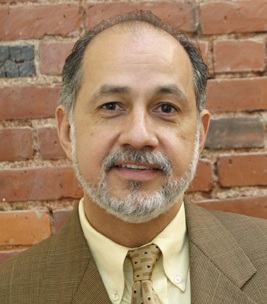
Author
Dr. Roberto Miranda
Summary: Our faith must embrace complexity because God and Scripture cannot be contained within simple explanations. John the Baptist, chosen and honored by God, was beheaded without receiving the deliverance granted to others; his story shows that faithfulness does not guarantee the outcome we expect. God is loving, compassionate, and forgiving, but he is also a consuming fire, and he works sovereignly amid life, death, blessing, and suffering.
Moreover, we always read the Bible through cultural, personal, and denominational lenses. Even seemingly clear doctrines contain interpretive difficulties, so we must examine the Word, discern the spirits, and avoid presumptuous claims or mechanical religious promises.
This does not require us to lose our fervor, cease praying, or stop trusting in the God who heals and transforms. We must cry out, fast, and ask in faith, while also leaving room for his mystery: “Your will be done, not mine.” Such awareness produces humility, tolerance in unclear matters, a deeper pursuit of God, and less confidence in ourselves. Before God, it is fitting to listen more, speak less, and walk in reverence, awe, and obedience.
I want to share with you the continuation of the message we began last Sunday, and this time, in order to stay close to the words and concepts I want to share with you, I made a PowerPoint presentation so that you can follow along, because I believe the concepts I want to share are somewhat complex.
Let us turn first to the word of the Lord in the Gospel according to Saint Mark, chapter 6, verse 14. How does one begin this sermon after a time like that? Because this might seem to be going in the opposite direction, but it is the same thing; it is the same Pentecostal energy, I assure you.
In this series of messages, we are talking about complex faith. You will recall that we have chosen several texts. Last Sunday there were about five passages of Scripture that speak to us about that God who often behaves in ways that are somewhat strange and difficult to explain easily.
We remember the passage where those boys mock Elisha, and Elisha curses them; a female bear comes out of the woods, out of the forest, and kills 42 young men who had behaved disrespectfully toward the man of God. And one wonders, how is that possible?
After that, we looked at another passage where Ahab sends a captain with 50 men to capture the prophet Elisha again, and they treat him disrespectfully, and Elisha says, well, if I am a man of God, as you say I am, let fire fall from heaven and consume the captain and his 50 men. Fifty-one are destroyed by the fire of God that comes down from above.
Another group of men comes, 50 more with their captain. They give Elisha the same order; Elisha responds in the same way, and 50 more men, plus their captain, are destroyed. Finally, this other captain arrives with 50 men, kneels before the prophet, treats him with respect, and then the prophet allows himself to be taken into the king’s presence.
We also looked at another passage where God commands Israel to destroy all the pagan nations they encounter along the way when they enter the land of Canaan. And he says, because I, your God, move as a consuming fire.
And then we moved on to the New Testament, so there would be no doubt that God acts in that way throughout all of Scripture, and there we see Ananias and Sapphira lying to the Holy Spirit concerning the price of the property they have just sold, and both of them are struck dead instantly, so they will not do it again.
And we also looked at the case where Paul, in 1 Corinthians, chapter 11, speaks about Holy Communion, which many, or some, in the church are treating disrespectfully. They are not discerning the profound and holy meaning of that moment and are simply eating however they please and acting as though they were at just any old eating binge, dishonoring the presence of God and the holiness of those symbols. And Paul says, “That is why there are people among you who are sick.” Among whom? In the church. There are people who are sick, and some “sleep,” in quotation marks. It was not that they were taking naps after eating. No, they were dead; they had been... God had also sent punishment upon their lives, and they had died from some illness, we presume. They were Christians, and God had sent his discipline upon the church in that way.
So what I wanted to do with these passages was present the fact that God sometimes moves in sinister ways and sometimes does things that do not fit with that image we have of a merciful, kind, gentle, loving God. He is loving, gentle, tender, forgiving, compassionate, but the Bible also says that he is a consuming fire. And sometimes we do not know what is going to fall, whether it is the fire of blessing or the fire of extermination. And we have to walk very carefully.
The Bible is full of complex passages like these, which invite us to have a complex faith. I believe that we do have to come into the presence of God and ask with power and authority, but we must also leave room for God to be God.
So I want to look at one more passage before getting to the heart of the sermon. Mark, chapter 6, verse 14, where we have what happened to the prophet John the Baptist. It says here that King Herod heard of Jesus’ fame, because his name had become well known, and he said, “John the Baptist has risen from the dead, and that is why these powers are at work in him.” Others said, “No, it is not John the Baptist; it is Elijah,” and others said, “He is a prophet, or one of the prophets.” When Herod heard this, he said, “This is John, whom I beheaded, who has risen from the dead.”
He is speculating: Who is this Jesus who performs all these miracles? Could he be a reincarnation of John? Who is he? Is he a prophet who, as the Bible says, would rise in the last days? Why? Because Herod himself had sent men to seize and arrest John and had chained him in prison because of Herodias, the wife of his brother Philip, for he had taken her as his wife. For John had been saying to Herod, “It is not lawful for you to have your brother’s wife.”
As a prophet of God, John was denouncing that public scandal: Herod had taken the woman away from her husband and made her his own wife. And she seems to have consented to that sort of arrangement. And Herodias was lying in wait for John and wanted to kill him. It seems the lady was no easy person to deal with. But she could not, because Herod feared John.
Herod, even though he was an evil man, recognized something of the presence of God in John. He feared John, knowing that he was a righteous and holy man, and he kept him safe. When he heard him, he was greatly perplexed, yet he listened to him gladly.
There was something in Herod that knew this man had a message different from everyone else’s, and he knew there was something of the presence of God in him. But in his wickedness, he could not break with his sin and yield. Yet he also respected this man.
But an opportune day came when Herod, at his birthday celebration, gave a banquet for his princes, military commanders, and the leading men of Galilee. The daughter of Herodias came in, danced, and pleased the king. And the king said to the girl, “Ask me for whatever you want, and I will give it to you,” and he swore to her, “Whatever you ask of me, I will give you, up to half my kingdom.”
Herod was intoxicated by the beauty of this girl and her spectacular dance before all the guests at his celebration. He had surely knocked back a few extra drinks and was a little drunk and euphoric.
“When she went out, she said to her mother, ‘What should I ask for?’” She thought, My mom is going to say a new outfit, a trip to the Bahamas, a flight with my friends for graduation day. No, but look at what her mother told her to ask for. It says, “And she said to her, ‘Ask him for the head of John the Baptist.’ Then she immediately went in to the king and made her request, saying, ‘I want you to give me the head of John the Baptist on a platter right now.’ And the king was deeply saddened, but because of his oath and those who were with him at the table, he did not want to refuse her.”
He had given his word, his royal pledge; people had heard him, and he could not back down. “And with profound sorrow, he had to fulfill his promise. And immediately the king sent one of the guards and ordered him to bring John’s head. The guard went, beheaded him in the prison, brought his head on a platter, and gave it to the girl, and the girl gave it to her mother. When his disciples heard about this, they came, took his body, and laid it in a tomb.”
John had already been imprisoned for some time, and he knew that something bad was looming over his life, and ultimately this is the outcome we see here. And I chose this passage because it is a troubling one. When you think about this man, who was chosen by God before the foundation of the world, he was chosen to be the herald of his Son Jesus Christ. Prophecies had spoken of that herald who would go before him, saying, “Prepare the way for the Lord.”
John is born under the proclamation and ministry of angels. Christ said of John that no man, no son of man born of a woman, was as great as John in all human history. And John discerned that Jesus was the Son of God and baptized him. God invested so much in this man’s life, and then, apparently because of the whim of a wicked woman and in a moment that seems almost coincidental, John was in the wrong place at the wrong time. And Herod makes a commitment without knowing what he is doing, and he has to fulfill it.
And this man, filled with the Spirit of God, apparently with such a great future and such weight upon his life—a random guard goes into John’s cell. Can you imagine that moment? And he beheads him right there, picks up his head, puts it on a platter, and carries it away. And this man dies as if he were a nobody. His disciples have to take on the task of collecting his body and carrying it away for burial.
And one wonders, why does God allow that? Notice that this is where the complex matters arise—how God sometimes works in one’s own life. Did John pray for God to get him out of prison? Did John think, Yes, God is going to get me out of prison? Because he has done so much in my life, he has invested so much in me; I know he is going to get me out of here. The days go by, and they do not get him out.
Notice how far it goes: one day John, whom I imagine to have been deeply depressed and full of doubts, sends one of his disciples to Jesus and says to him, “Lord, I want to know whether you truly are the Messiah or whether we must wait for someone else?”
Can you imagine the sadness of that question, when this man had grown up his entire life under the weight of his prophetic calling, had seen the dove descend upon the Son of God, had publicly declared him to be so, and had recognized that his cousin was the Son of God, the promised Messiah? And now, overwhelmed by how difficult his situation is to explain, he doubts and sends word to him: Lord, is it you? Was I mistaken? Or is there someone else we must wait for?
You see, that happens, but we do not like to think about it because it seems to complicate our lives. And the Lord then, it says, plunged into a whirlwind of miracles: he healed the sick, the paralyzed, and the blind, and he said to them, “Go and tell John: the blind see, the paralyzed walk. I am the Son of God.”
And yet he is there, imprisoned. Yet on other occasions God delivered people lesser than John from prison. He delivered Peter from prison and from Herod’s hands twice, twice. Yet he did not deliver the prophet John, who was an exceedingly chosen minister of God.
So what I want to invite us to do is, as I have told you, hold on to this idea that our faith should be complex. We have worshiped the Lord, we have cried out to God, and we have heard a young man testify that God has healed him. We are a church that adheres to Pentecostal ethics and theology. We believe in fasting, prayer, crying out, spiritual warfare, the gifts of the Holy Spirit, and the ministry of the Holy Spirit. But as I have told you in this series of sermons, I also want to invite us to keep a space open for the mystery of God, which so often appears in our lives.
And let us be careful about the things we sometimes say, presuming that God is going to do this or that, when God may have another plan for our lives. And may we as a church maintain that balance. Again, why do I so often preach the way I do? Why do we do one thing one day and say something else another day? You could listen to this sermon and it might seem like a denial of what we did on Wednesday, and even about Wednesday I have my questions and my concerns. There was a beautiful presence of the Lord and many things there, but we are immersed in that balance, in that complexity, and that is what faith is like. The faith of the children of God is a complex faith.
I am going to summarize what I spoke about last week. 1. We will never be able to see the Bible exactly as it is. Do you remember what I said? We will never grasp God’s message exactly as it was transmitted. Why? Because we always read the Bible through cultural, personal, and denominational lenses. We never grasp the Bible in itself. Before we read the Bible, whether we want to or not, we have always put on some kind of interpretive lenses. There is some kind of filter that prevents us from seeing it as it is, and we have to come to terms with that idea. I could develop that much further, but this is not the time to do so.
What I want to tell you is that human beings—and philosophers of knowledge and ontology, which is the branch of philosophy that deals with being, with reality—say the same thing. No one can see reality perfectly, exactly as it is. What you see is an interpretation through your nervous and neurological systems, your brain, and your culture.
Not long ago, I was watching a series of documentaries about the Aboriginal peoples on the island of Papua New Guinea, and these Aboriginal peoples still live in the Stone Age. And I wonder, when one of those Aboriginal people sees an airplane passing over his territory, what does he see? We would say, “It is an airplane.” Perhaps they see an angel, perhaps they see a demon, perhaps they see God passing by on his way to another planet. They are seeing in light of their understanding of things. And no one sees reality exactly as it is. We always see it through our culture.
The example of when we look at ourselves in a mirror: we never see ourselves exactly as we are. We see ourselves through our complexes, our culture, our aspirations. You will remember that I used the example of the man with the big nose? This brother—I was in a television interview with him—sees himself on the screen before the program begins, in profile, and he sees his big nose. And he complains and says, “Good grief, what a big nose I have.” And I tell him, “No, that nose is a beautiful nose. I wish I had such a lovely nose, so strong, so manly, so aquiline.” Because it was not that big; he was exaggerating.
How many times must this man look in the mirror and lament his nose? I think his nose is beautiful. He is a man who is about 6.4, with big bones and a large jaw and a big body; that nose suits him perfectly well, but he would like to have a tiny little nose, subdued and well-behaved.
The person who sees herself as too fat, too thin, with legs that are too fat or too thin. A man would like to have a little more weight, and look, he looks very good just as he is. Cultures change, we see ourselves in different ways, and no one sees themselves exactly as they are.
I do not know how many of you have seen that movie—I think it is Legally Blonde. Has anyone seen it? Confess. Has anyone seen it? I think it is in that movie that the young woman takes a picture of herself so she can see what she looks like, because she does not know what she truly looks like and has to look at herself in a photograph because she does not trust what she sees when she looks in the mirror.
It is true: you never know exactly what you look like, because you always see yourself through your fears, through what you believe you truly are. There is someone I know who says that she never looks good in pictures. I say, no, you look very good. We never see ourselves neutrally, objectively. Every culture sees the Bible through its own lenses and prejudices.
The eighteenth-century man saw the Bible differently from the way it is seen… Of course, there are certain constants that are there, but there are many things that we put together in different ways according to the culture to which we belong—middle class, upper-middle class.
Park Street Church does not see the Bible in the same way that we—a bunch of Central Americans, Caribbean people, and South Americans here—see it. Ultra-Pentecostal churches see it in a different way. There are things we share in common, but each person has a different Bible, although, as I say, there are also things that are always the same. Every culture sees the Bible through its own lenses and prejudices.
For example, as I was saying, how could North Americans—here in New England, for example, or in Virginia, or North Carolina, or Georgia—enslave Africans or exploit Native Americans while maintaining a vital Christian faith at the same time? Why? Because they had interpretive lenses that allowed them to do that. They selected texts, such as the texts in which Paul speaks about slaves: serve your masters with great love and great devotion. Do not abuse your faith. And they said, ah, well, that means slavery is biblically permissible. And, very conveniently, they exploited their slaves and even prevented them from reading the Bible so that they would not become human beings whom they would then have to respect.
But in any case, we see that their interpretive lenses allowed them to commit those atrocities. How could the Puritans seize the Native Americans’ lands? Because they interpreted it this way: well, if the Jews entered Canaan and took the lands away from those pagan tribes that did not know God and that, through their sin, had offended God, and God gave them the land, then we can come here—we who have come to preach the Gospel and establish the Gospel on this mighty continent—we can do the same thing, and God gives us the land. We are taking it away from sorcerers, from demon-possessed people, from people who do not know God. And besides, we are going to preach the Word to them here. We are going to create a new society, an example for all humanity. So we can do it.
And little by little they elbowed their way in, encroaching and driving the indigenous tribes out, and finally confined them to reservations in the United States. They had interpretive lenses through which they read the Word.
The Inquisition massacred Jews and Protestants while believing that it was glorifying God. Brothers and sisters, the key to everything I am telling you is that interpretive lenses are placed on us before we can ever read the Bible for ourselves.
No one approaches the Bible innocently, as though it were something you discovered in an Indiana Jones–style cave and pulled out, saying, “What is this?” and then began to read it. No. You always read the Bible through prior formation. It may be a denomination in which you grew up and came to know the Lord, a mentor who discipled you, an influential book that served as the starting point for the reflection on the Bible that you would undertake in the future, a church in which you were born and raised, or a culture. Those who have come to know the Lord here at León de Judá and have drunk León de Judá’s milk since they were little—or since they came to know the Lord—presumably approach the Bible differently from others. And even they, however, come from a Catholic background, and that is embedded in their programming as well; they are wrestling, as it were, with their Catholic background when they read Scripture and its claims.
And when they listen to me, many times they are hearing the priest from years ago. Some even call me Father every now and then; it just slips out. No one approaches the Bible neutrally—remember that. And that is important. I want to make a point: all of us suffer from this problem in one way or another.
Brothers and sisters, even some things that appear black and white are not. There are things in the Bible that seem clear, incontrovertible, beyond any doubt, and if you start digging a little deeper, you will discover that there are also things that are complex.
For example, the second coming of Christ: how many believe that Christ is coming again? Raise your hand. I think everyone does, right? He may come tomorrow; he may come in 30 years, 40 years. Honestly, we do not know for certain. But he is coming soon, that is for sure, and I may be a decrepit little old man, but I will possibly see him. I believe it; there is still time. Do not max out the credit card yet, brother. Okay? Because there are things that still…
Some people believe, for example, that without a doubt Christ will come before the Great Tribulation. How many believe that Christ will come before the Great Tribulation? You know what? There are God-fearing people who believe differently. There are seminary professors, people filled with the Holy Spirit; I myself have different ideas about that.
Now, I am telling you: do not let yourself be frightened. Go home today with your faith on that matter intact, if that is what you believe, because I do not have time to explain much about it. Perhaps one day we can talk about it. There is much more—the thing is that there are so many prophetic texts in the Bible that, if you take them all and place them on little pieces of paper on a surface, on the floor, for example, there are different ways in which you can assemble those texts, and they say subtly different things. Of course I believe that Christ is coming; I believe there will be a Great Tribulation; I believe the Church will be taken up into heaven; I believe in the Antichrist; I believe in Armageddon. But as for the chronology of those things, the sequence of those events, no one can tell me that they know it completely.
Even what you believe to be absolutely incontrovertible and undeniable came to you from North American evangelical missionaries who evangelized Latin America in the 1930s, ’40s, and ’50s and who were basing themselves on a school of thought that had arisen recently. But today, all of us who grew up under that theology believe it to be… including our brother Yiye Ávila, whom I love and respect very much; they believe it to be the absolute, incontrovertible Word of God. But study its history, and you will see that throughout the centuries the Church believed very differently—throughout the centuries. This is a recently established doctrine. But many people do not study Church history and therefore do not know that.
That is what I am saying: there are doctrines that seem absolute but are relative. Another question: are tongues the indispensable evidence that one has received the baptism of the Holy Spirit? All the dyed-in-the-wool Pentecostals are going to tell me, amen, of course they are. For example, the Assemblies of God still state in their doctrinal declaration that tongues are the initial evidence of the baptism of the Holy Spirit. However, only a few people believe that. Nowadays, most Pentecostal theologians, if they have the courage to say it, say, no, we no longer believe that. Some have to affirm it publicly because they want to keep their seminary jobs, but they do not believe it.
When you speak with many pastors—even staunch, hard-core Pentecostal pastors, speaking frankly, as they say—you will discover that many of them do not believe that. And most Pentecostal and charismatic churches today neither practice it nor believe it. But it remains somewhat nebulous and undefined, and it keeps evolving without being confronted. I believe there are many ways to receive the baptism of the Holy Spirit.
Now, I do believe that everyone who has the baptism of the Holy Spirit can speak in tongues and should speak in tongues. Tongues are beautiful and important. I speak in tongues more than all of you, but I am not going to put it that way. I believe in tongues. But I do not believe they are the initial evidence.
Now, for those who believe it, there are recordings, CDs you can buy on Amazon.com, that teach you how to speak in tongues in five minutes. Why? Because many times people have to manufacture it in order to believe it. It is not necessarily that way.
For many classical Pentecostals, it is an absolute truth, but at present this is in flux, and the Church’s position on it is changing rapidly.
Another point in my presentation. There are broad interpretive principles that we sometimes adopt unconsciously. These are principles that determine how you approach a passage. They are postulates, to use a word from mathematics, by which you say, “When I approach this passage, I am going to interpret it in light of this principle.” Those interpretive principles govern and determine the way in which we read specific passages and themes in Scripture.
Those principles determine the moral and ethical conclusions we draw from our readings of the Word. Now, those broad interpretive principles can, in turn, also be very subjective and conditioned by the time and culture in which we live. They are not absolute; they are not entirely objective.
I would like to linger on this longer, but I have promised myself that I am going to finish this sermon today, and that is why I want to move a little faster, and I ask your forgiveness. Sometimes I do not preach these sermons because I think I am going to lose you. How many are still with me? Are you following me? And if not, pretend that you are following me.
Those broad principles are also subjective and are not necessarily the absolute truth. I want to give you an example of what I am saying. Here is one of those broad interpretive principles: what precisely is the relationship between the Old and New Testaments? Where can we say, “This is Old Testament and does not apply to us,” and, “Here the New Testament begins, and this does apply to us”? Is it not true that, if you know the Bible, you know that it is often difficult?
The Bible says, for example, that we cannot eat lobsters, shrimp, scallops, or pork—imagine that. I was telling the brothers and sisters this morning, look, there are people who, if you tell them, “Look, you cannot wear makeup, short skirts, or pants,” will say, “Amen, all right.” But if you tell them, “You cannot eat pork chops or roast pork on December 24,” they say, “Well, I am sorry, but I cannot go along with that. If that is what is required, I would be better off remaining Catholic or agnostic.”
Nevertheless, the Bible says that. How many have ever eaten flambéed rabbit, with wine or something like that? The Bible says that you should not eat anything that does not have split hooves, I think that is it, or that does not chew the grass or vegetation it eats as cud. Now, how far does that go? Because I have known evangelicals who do not eat blood sausage. Do you know what blood sausage is? Sausage made with blood. Because the Bible says that the animal’s blood must not be eaten, because the life is in the blood.
And then, why do they eat those lobsters and give glory to God for how good they taste? And they eat blood sausage. Where is the interpretive principle that allows you not to eat one thing but to eat the other? Where is the principle that determines one thing or the other? There are many things that we have taken from the Old Testament and transferred to the New, and there are others that we have left behind. Why? What justifies one thing and the other?
Sometimes we do not ask ourselves those questions because they are uncomfortable. Tithing, for example—some might, quite conveniently, say that tithing ended with the New Testament because now we are under grace, we do not have to give, we are not under the law. And in one sense, there is no text in the New Testament that states categorically that we must tithe. Now, do you know what? After reading so much about these subjects, I can tell you one thing: it is true, you do not have to give a tithe; you have to give the Lord more than a tithe. Because I say that if, under the old administration, which was imperfect and limited, you had to give 10 percent, now, under this new administration, where Christ shed His blood for you and you have access to the very throne of God’s grace, how are you going to give the Lord less than you gave Him before?
But many times we have carried these things over because they are convenient for church pastors—tithing, for example. The same is true of the role of women in the church. The Sabbath is in—one of the Ten Commandments is that you shall keep the Sabbath, because in six days God made the earth and on the seventh He rested. That is one of the Ten Commandments. Do any of you keep the Sabbath? We observe Sunday, but not the Sabbath; the Sabbath is the seventh day, the day observed by the Jews.
Nevertheless, that is what we do today. Why? There was a historical development in the life of the church, which would take a long time to explain, and we ended up observing the first day of the week, not the seventh. But it is not clear why the church made that change. Theologians try to explain it, but it is not entirely clear.
Today there are women pastors; nevertheless, Paul says that women should remain silent in the congregation. Yet many theologians find a way to explain that. And amen, they may very well be right, but there are people who think that if you do not believe a woman should be a pastor, you are a troglodyte, a sinner, someone who hates women, and they think as though—no, people have the right to think the other way too.
There are different things, brothers and sisters, that are very complex in Scripture, but everyone arranges them however they want, according to their denomination and according to their church, and people find themselves a church that preaches what they want to hear. If they want to be homosexual, they look for a church that supports homosexuals. If they want women pastors, they look for a church that accepts women pastors. If they want an easygoing church that does not preach holiness, they go to a church that does not preach holiness. If they want a church committed to social work and social justice, they go to a church like that. If they want a church filled with well-behaved people wearing three-piece suits every Sunday, they go to that church. Many times, everyone looks for whatever is convenient for them.
But sometimes we do not ask ourselves why we believe the things we believe. I am speaking about just one principle, one among many: this principle concerning the relationship between the Old and the New.
In the New Testament, Paul shaves his head as part of a vow. How many churches say, “Brothers and sisters, this week we are going to fast, pray, and shave our heads”? Do you hear anyone say that? Nevertheless, Paul did it. Was that Paul who shaved his head inspired or not? Was it something from the Old Testament or from the New? No one later says simply that we must no longer shave our heads because we are under grace.
Paul did many things that we do not do today. Why? Was he in transition toward the New Testament, toward the Christian evangelical dispensation, or have we simply abandoned certain principles that God might want us to continue observing?
What part of a given Old Testament doctrine should we carry over into the New? Should Jews who convert preserve their Jewish rites and customs even as they embrace the teachings of the New Testament? You know that in America and throughout the world, Jews are converting to the Lord, and different denominations, so to speak, have been created. There are Messianic Jews who believe that they must still observe their rites, that they must observe the Sabbath and the Old Testament feasts, except that they now believe Jesus is their Messiah.
Other Jews say, “No, we are going to integrate into the Gentile church,” or simply, “No, that belonged to the old order, but not anymore; we are free in Amashia, and now we do not have to practice those things.” They do not agree with one another about these matters. There is a great deal of uncertainty in all of this. Sometimes I ask myself, “Lord, could there be some hidden blessing in observing the Sabbath?” Do not worry; we will continue meeting on Sundays, but it is a question I have asked myself many times.
And who knows? At times it has genuinely stirred something in me: one day, to gather with my family on Friday night, roast a good chicken as the Jews do, buy ourselves a loaf of bread in Newton or Brooklyn, and observe a Sabbath, celebrate a Sabbath, a Shabbat. And who knows whether there is something there? I am not going to do it as something religious, but who knows whether there might be a special blessing?
Read all the blessings in the Bible concerning the observance of the Sabbath. What about the different feasts? Here in our church there are people who secretly, as a devotional practice rather than religiously, observe some of the Old Testament feasts, and I say, “Glory to God, amen. Let them do it.” That is a blessing.
I believe that one day, perhaps in the future, as prophecy unfolds further, God may open up things that are now sealed and closed to our understanding in Scripture. And perhaps we will once again celebrate some of those things, and blessings will arise from them because God still has things hidden there in His treasure chest.
But today these things—the Bible is mysterious, and the doctrine of Scripture is mysterious. There is a great deal of uncertainty, and I am going somewhere with this, so do not worry. Why did the observance change from Saturday to Sunday? History plays a role in this. At a time when the Jews rebelled against Rome, around the year 70 or sixty-something after Jesus Christ, a prophecy was given among the Messianic Jews who believed in Jesus, telling them not to remain in Jerusalem and not to take part in the rebellion against Rome. And the Jewish Christians left Jerusalem before Rome came in with all its might and completely destroyed Jerusalem. And the Jews never forgave the Christian Jews for that.
From then on, a separation began to develop—this is a simplification, but—a growing separation began between the Jews who believed in [inaudible] and the Jews who still believed they were under the Old Testament. And the two branches of the Judeo-Christian world went their separate ways and grew increasingly distant from one another, until we arrived at the present situation, in which the Jews are over there and we Christians are here.
But was that God’s perfect will? I do not know. It seems to me that lately God has been drawing the Christian people, His church, a little closer to His people over there in Israel, and every day Israel’s clock moves a little closer to the church’s clock.
The Bible says that when the fullness of the times of the Gentile people comes to an end, God will start His clock with the Jewish people again. We can already see it: the prophecies concerning the Hebrew people are being fulfilled.
There are many mysterious things, brothers and sisters, that I want to point out to you concerning these passages. The passages from our reading that I have shared with you show this complex aspect of Scripture, as I have already told you, as well as the problematic conclusions to which these readings can sometimes lead us.
Let me ask you: how does God view death and life? Sometimes we try to put God in a box and say, “No, God does not do this; God does not do that. God loves life too much.” Look, brother, to God, death and life are, I would say, one and the same thing. Sometimes God moves in death, and sometimes He moves in life. Sometimes God is, I believe, in the earthquake, in the hurricane, in the storm, in the explosion of a supernova in space. God is in the destruction and re-creation of worlds and planets. God is there when a volcano spews out its lava and wipes out an entire forest, and then, a few days later, little plants begin to sprout again from the very lava that destroyed the forest. And a forest more fruitful and fertile than the first is created once again, because the very lava that destroyed it fertilizes it.
God moves in mysterious ways. I have never put a fence around the Lord and told Him, “You may act only in this way and not in that one.” This may sound very sophisticated to you, but many times God is at work in our lives, and I do not know whether He is working toward life or toward death. All I know is that He is good, that His mercy endures forever, and that He acts however He very well pleases.
Paul prayed to Jesus three times: “Lord, take this thorn away from me.” And he thought, “This man who has rebuked demons and healed the sick will surely take it away the first time I pray to Him.” And three times the Lord told him, “My grace is sufficient for you, Paul; My power is made perfect in your weakness.” God works in different ways.
And while I tell you, “Pray, cry out, fast, come before the throne of God and ask for His healing, ask for His prosperity, ask for His anointing,” also say, “But God, You are God, and You are in heaven, and I am on earth; let Your will be done, not mine.” We must always leave room for the mystery of God.
And we can never say, “No, if you do this, God will do that.” When you come to my office, I cannot tell you that God will certainly save your marriage if we pray and rebuke the devil. I can say that it is God’s desire, but God does not dwell inside your wife or your husband, and God does not turn that person into an automaton so that they will love you and you can preserve your marriage. Let us pray that God will do it. Fast, let us cry out to God, and do everything you can, but I do not dare tell you with one hundred percent certainty, “No, God is going to save your marriage.” Because many times God is mysterious, and besides, God has His—
That is why I do not like preaching these sermons: they get me into trouble. Listen to this: God has His limitations. What do I mean by that? God is almighty, but when His power comes down to earth and encounters human freedom, the free will that He Himself gave humanity, God must then constrain His power in accordance with the freedom of that man or woman whom He created. And then God sometimes has to bite His knuckles, wanting to do something in that person’s life, and says, “No, because I created him free, and I cannot violate that freedom. If he wants to go to hell, I have to let him, even though My heart breaks into a thousand pieces.” This humanity with all its wars, tribulations, crimes, and everything else—do you not believe that God is there in heaven, His heart torn to pieces, wanting to save this humanity, and that He says to it, as Jesus said to Jerusalem, “Jerusalem, Jerusalem, how I wanted to cover you as a hen covers her chicks, but you were unwilling”?
So I always tell people, “Look, there are three great protagonists in the world: God, the devil, and humanity.” And those three figures relate to one another in very mysterious ways. Nevertheless, I sometimes hear evangelists and preachers say, “No, give the Lord 100 pesos, sow a thousand dollars into Him, and He will give you ten thousand. Sow your car—and, incidentally, the car is always for the evangelist—sow your car, and God will give you a brand-new one. He will give you two Porsches in the driveway. He will make your barren wife fertile so that she can have children.” Those are empty words, foolish words.
And people who want to be told what they want to hear say, “Amen, glory to God,” and live foolish, superficial lives. You will never hear me say that, because I do not see it anywhere in the Bible. Now, people will come here whom I often invite, and they will want to—90 percent of what they say is good, and as for the 10 percent with which I disagree, you will see an uncomfortable smile on my face: “Well, Lord, have mercy.”
And I hope you are a congregation complex enough not to be scandalized. What I want is for you—that is why last Wednesday, for example, we had that service that was so Pentecostal, so different. We need to be a church where, when you see things with which you do not completely agree, look, set them aside. Take what you can receive, give God glory for the mystery, and do not lose sleep over the rest. Because we are a church that is always seeking the anointing, and sometimes the anointing comes in packages that are a little strange and different.
I say that receiving God’s anointing is like eating lobster: you pick up a lobster and get your mouth, your hands, and even your clothes dirty. They even have to put a bib on you so that you will not get dirty, and you crack shells, and they give you about four tools—you look like a surgeon—all for two ounces of lobster meat.
And when you finish, your plate looks like a cemetery, full of pieces of shell and a carapace that looks like a skeleton. Listen to me, though: that little piece of lobster tasted so good. And you are willing to pay 30 dollars for that little piece of lobster.
And that is how it is with the anointing: sometimes the anointing comes in a very, very strange package, and you have to break through a lot of shells to reach the true anointing. And evangelists and preachers come with a great deal of baggage that they learned from other evangelists, and they repeat it like parrots and do things the way they learned from others.
But within all that, sometimes, mysteriously, there is the anointing of God. What you have to do is get in among the foliage, take hold of the anointing, and keep that; give the rest to the Lord. And that is how a mature and powerful church is created.
You think I am sitting there drinking a pot of tea—no, no, I know what is going on—but I have learned that to enter into the mystery of God, you have to have a strong constitution. What I believe God does not like is super-intellectual people, wine connoisseurs who despise the things of God because they do not come packaged the way they want them. You have to be very careful. Sometimes I myself have to say to Him, Lord, take this intellect and bring it under discipline, because many times we do not know what God has in mind. And many people miss out on great blessings because they are super-intellectual, super-cultured, and super-refined, and sometimes God's packages come in the form of a baby wrapped in swaddling clothes, soiling His diapers—and He is the Son of God; imagine that. And whoever thinks that God comes in a fine suit and is born in the dwellings of princes misses the blessing.
Many of you—many of us—need to humble our intellect and our refinement, and when we encounter scandalous things, then we will see what God truly wants us to see. Listen to me.
However, there are also many people in the Pentecostal world repeating foolish things like parrots. And I am neither in one world nor the other; I am in both, and that is how you should be too. Because the Bible, the Word of God—and this is what I want to leave with you—is extremely complex. How does God view death and life? Does God still kill people?
I used the word “kill,” and I was going to remove it and clean it up a little, but I left it there. Because I believe that, yes, God can still exterminate a person, or someone in a church can die because something happened and God decides it is better to take that person to heaven—who knows? God does absolutely whatever He pleases.
Does God still exterminate entire groups of people? Who knows? Are there Christians who lose their lives because of presumption, sin, or an offense against the Holy Spirit? Who knows? Might there be people whom God saves before they are lost and takes to be with Him because He knows that if they remain here on earth, they will end up on drugs and killing people? He took that person as a child—who knows?
Then why did He allow that person to be born? Well, that is His business. God is mysterious, and we have to tread lightly, gently upon the earth without losing our faith, without losing our assurance that God is almighty and that He truly intervenes in our lives.
Can God allow one of His children to die of an illness for exalted purposes, so that He may be glorified, so that someone may be blessed and grow in faith? I believe He can. The Bible says that the blood of the martyrs is precious in the sight of God. I believe that some people have died so that principalities and powers might be destroyed in a city, a nation, or a pagan tribe, and that the death of that martyr released the grace of God and allowed many to come to the knowledge of Jesus. Who knows?
Does God still drive peoples out of their lands in order to give those lands to others? The Palestinian issue is very complex. I hear Christians saying, “No, it is impossible that God drove out the Palestinians,” although that entire matter is so complex. Look, God does whatever He pleases. God gave the Jews their land; that land is irrevocably theirs, and no one can take it away from them. God does what He wants; He owns the atoms of those lands.
Can God deal favorably with a dictator? Look, God uses whomever He pleases. In the Bible He dealt with Cyrus, He dealt with Nebuchadnezzar, and with Ahab himself. Once, Ahab repented of something, and God said, “You know what? I am going to forgive him,” and He had mercy on Ahab, even though afterward Ahab continued down his evil path.
God does incredible things, brothers and sisters. I think, who knows, perhaps one day I will find Fidel Castro up there in heaven, welcoming me with his beard and his uniform. Cubans, forgive me, brothers and sisters: if he repents at the last moment, before his death, God can forgive him, and He is God—who knows? God moves in different ways. Do you understand what I am saying?
He has to repent first. The thief on the cross repented an instant before dying, and the Lord told him, “Today you will be with Me in paradise.” Can God use war and natural disasters to advance His purposes in history? I believe He can. To what extent was God involved in the conquest of the Americas? Yes, entire tribes and millions of Indigenous people died, but I do not believe that happened outside the providence of God. The Americas came to know the Gospel through sinful, exploitative people, but the Gospel entered these nations of Latin America. Sometimes the movements of God, of God's will, are like the movements of hurricanes and the movements of the earth that settle the ground so that it will have greater solidity. They are movements that destroy but also create. There is death, but life also comes, and that is what happens at the level of a family or an individual, and we have to flow with that complexity of God. God wants complex people.
Could God be acting today through the war in Afghanistan, in Iran—or rather, in Iraq—to promote the spread of the Gospel? The Arab world may need a shock; those fierce, militant, and violent people are not going to convert except through powerful movements. Who knows whether God is working in the Middle East right now so that, as these Western groups enter, the doors may be opened to the Gospel?
There is death, that is true; there is sin, that is true; but God is doing something in the Middle East. We say, “Yes, God is doing it, but He cannot do it through Iraq and Afghanistan.” You do not know. Do not presume to know how God moves. God is mysterious, and He does things as He wishes.
And if that is so, then what does this say about the character of God? What are the conclusions? What conclusions should we adopt that determine how we relate to the politics, ethics, and morality of our time? These are the questions that we, as complex Christians, must ask ourselves. Is God still working in similar ways in our time, or has He somehow matured and become a little gentler after all these years of dealing with us?
Has God now abandoned His strange ways of operating in history? If you say yes, well, what does the Bible say about Armageddon? A war is coming in the end times, and many people are going to die. The Bible says that the blood will rise as high as a horse's legs. The Antichrist is coming; he is foretold in the Word and has to come so that the Word may be fulfilled.
What about the destructive plagues in the book of Revelation, where it says that millions upon millions of people will die? Who sends those plagues? What about the future destruction of the earth by fire? What about hell?
Many people say, “God is too loving and merciful to send people to eternal condemnation.” God has declared that there is indeed a hell, that there is an eternal judgment; and yet I believe that, despite all that, God is loving, merciful, compassionate, and tender, and that is why He sent His Son Jesus Christ so that no one would die in hell. But there is a hell.
And God uses all these means, brothers and sisters, to deal with humanity. Look, I will conclude here: where is Pastor Miranda going with all this? The practical effect of all this should be to inspire in us a certain humility, an attitude of tolerance in nebulous areas of Scripture.
I want to undermine some people's confidence just a little so that they will make room for more of God within themselves. That knowledge of the complexity of Scripture, of the complexity of God's character, and of the sovereign way in which He acts in our lives, our families, our nations, our culture, and our world should inspire in us a desire to seek more, to search the Scriptures more deeply, to pray more, to cling more firmly to God, to trust ourselves less, to seek more illumination, to be more tolerant of our brothers and sisters, and to be more open to God's will, however it may choose to manifest itself in our lives. It should make us more tender toward God; more and more, we should say, “Lord, let Your will be done in me. Make of me whatever You want; use me as Your instrument, because I myself do not know.”
The more I know God, as I was telling the brothers and sisters this morning, the less I know Him. The more I search the Word, the more God deals with me, the more I feel that I can no longer believe I know God. The closer I draw to Him, the farther away He moves from me; as He draws near to me, I feel that He is too great for me and that I have to become smaller, more humble, more submissive, and lower my hands.
Sometimes I do not even know what to ask of God, but I love Him more and feel closer to Him, and I need prayer more, like air; and I believe more in His power, seek more of His anointing, and have a greater appetite for Him. But I also know that He will never allow Himself to be put into my bag and that, no matter how much I love Him, if I am not careful, He will give me a smack too, because He cannot be bribed. Sometimes He turns up the fire beneath my feet, and I tell Him, “I cannot take it anymore,” and He says, “No, you can take a little more yet, because I want to form in you the man I want you to be.”
And it is the same with you. Do not put God into a box; do not try to limit Him or His Word, because His Word is far broader than you could ever imagine. Everything I am saying should lead us to an awareness of mystery. I want you to live your life with wonder. When you walk, walk as though you were walking between two immense mountains, so tall that they inspire fear and wonder in you, and you feel overwhelmed by the mystery of the universe.
How many have been in a jungle? How many have heard a storm roaring around them, and it is as though the presence of God becomes so real and the smallness of man becomes so very tiny?
That is how we should walk through life: with a sense of the mystery of God and of the way God deals with us. We have to be modest and not presume more than we should that we know what God wants, what He is, and how He acts—as though, if we pull this lever, a little monkey will pop out on the other side. No one knows. And some people I hear preaching out there nowadays preach foolishness. Why? Because they heard it from someone else, and God wants people who think, who search, who test the spirits, and who discern what is from God and what is not from God.
Everything I am saying should lead us to be silent more and speak less, allowing ourselves to be overwhelmed by the sense of mystery. It should make room for a spirituality that is less categorical, less rigid and certain, and more open to the complexity of the world we inhabit and to the mysterious and unpredictable way in which God relates to us.
I will finish with this word. In chapter 5, the writer of Ecclesiastes, in a moment of honesty, is overwhelmed by the mystery of God. To me, Ecclesiastes is the most profound book in all of Scripture. Solomon was a man to whom God gave wisdom and who later also made his terrible mistakes, but he possessed so much knowledge and examined science, art, literature, cosmology, and philosophy. He was a man who, in the end, after knowing almost everything, understood that he knew nothing; and after knowing the mystery of God so profoundly, he realized that he knew nothing about God either. That is why the book of Ecclesiastes is so difficult to understand, because sometimes it says things that would make me think the man who wrote it was an agnostic. But he was a man who knew the mystery of life.
And I will end with that passage, which I do not know whether I ever finished or even read. I am going to read it again, in case I did read it: Ecclesiastes, chapter 5. The Word says:
“…When you go to the house of God, guard your steps—listen to this—guard your steps, be careful, and draw near to listen rather than to offer the sacrifice of fools, for they do not know that they are doing evil…”
Many people are offering God the sacrifice of fools—many churches, many preachers speaking foolishness from the pulpits of this world. And the law says, be careful; do not attribute to God more things than He is actually willing to endorse. Listen a little more than you speak.
“…Do not be hasty with your mouth, nor let your heart hurry to utter a word before God, because God is in heaven and you are on earth; therefore, let your words be few. For a dream comes through much activity, and a fool's voice through a multitude of words. When you make a promise to God, do not delay in fulfilling it, because He takes no pleasure in fools; fulfill what you promise. It is better not to promise than to promise and not fulfill it. Do not let your mouth cause you to sin, nor say before the angel that it was a mistake. Why should you make God angry because of your voice and cause Him to destroy the work of your hands? Where dreams abound, vanities and many words also abound; but you, Congregation Lion of Judah, fear God…”
Let us stand. And may the Lord fill us with that complex spirituality. Do not lose your faith, do not lose your fire, do not lose your enthusiasm, do not lose your passion, do not lose your confidence in the God who blesses, heals, prospers, changes destinies, destroys demons, humbles principalities, controls history, navigates the winds, walks on water, calms storms, raises up the paralyzed, and gives sight to the blind. That God remains exactly as he was before this sermon. Believe in that God, church, but also ask the Lord to teach you when to be silent and when to say, Lord, I am crying out to you, I am asking you, I am shouting to you, but let your will be done and not mine.
When you deliver your verdict, I will kiss your hand and say, Lord, teach me to live within what you have appointed for me and to become better as a result of what you have appointed for me.
Father, we humble ourselves before your greatness, we humble ourselves before your mystery, we humble ourselves before your Word, which we will never be able to fathom completely. Too deep, too broad, too complex, infinite, as your mind is. I ask you to help us be humble and simple of heart, and to help us submit to your mystery; and as a church, help us walk exactly where you want to lead us, Lord. Do not let us look either to the right or to the left, but keep our eyes fixed on Christ Jesus.
May your Holy Spirit never cease to enlighten us, speak to us, and correct us. As long as we are here in this place, Lord, may your Word never be scarce; may this pulpit always be used well; may the word that goes forth from here shape the sensitivity of your people, Lord, and be a word in harmony with your Spirit and your character.
We bless you and thank you for everything you have served us this afternoon. What a great blessing. We have eaten, we have been satisfied, and we are even taking loaves and fish home with us. Thank you, Lord Jesus. We love you, and we want to live very close to you, Lord, every day. Take us in your arms and hold us close to your chest, Father. We bless you and thank you. We send your people forth with the blessing of the Father, the Son, and the Holy Spirit. Amen. Amen.
Brothers and sisters, may the grace of the Lord be with you. Be blessed. Amen and amen.