Genesis 22 (Part 1)
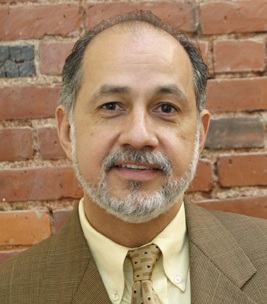
Author
Dr. Roberto Miranda
Summary: God tests our hearts through what we value most, just as he tested Abraham by asking him to offer Isaac. Giving to the Lord means entering a place of discomfort: relinquishing security, dreams, and attachments in order to trust in his provision. True sacrifice is costly and brings about an inner death to self; it is not merely a matter of giving what is left over. Therefore, each person should participate generously according to their faith and means, without inappropriate pressure, yet willing to go beyond what is comfortable. We cannot be certain how the blessing will come or turn giving into a guarantee of material gain; faith always ventures into risky territory. Yet God remains indebted to no one and uses these tests to reveal, purify, and mature our hearts. Abraham was willing in his spirit to surrender everything, even though he did not understand. Likewise, we must inwardly release whatever competes for God’s place. We can do so because God himself gave what was most precious—his Son; the One who has given everything deserves our very best.
Let us quickly turn to the Book of Genesis, and there you will find, in Chapter 22—and let me read a few verses here, beginning with verse 1—Genesis 22: “...after these things, God tested Abraham and said to him, ‘Abraham!’ And he answered, ‘Here I am.’ Then He said, ‘Take now your son, your only son Isaac, whom you love, and go to the land of Moriah, and offer him there as a burnt offering upon one of the mountains that I will tell you of.’ So Abraham rose early in the morning, saddled his donkey, and took with him two of his servants and Isaac his son; and he cut wood for the burnt offering, arose, and went to the place God had told him about. On the third day Abraham lifted up his eyes and saw the place from afar. Then Abraham said to his servants, ‘Wait here with the donkey; the boy and I will go over there, and we will worship and return to you.’ And Abraham took the wood for the burnt offering and laid it upon Isaac his son; and he took the fire and the knife in his hand, and the two of them went on together. Then Isaac spoke to Abraham his father and said, ‘My father.’ And he answered, ‘Here I am, my son.’ And he said, ‘Here are the fire and the wood, but where is the lamb for the burnt offering?’ (That is one of the most innocent questions ever asked in the whole history of humanity.) And Abraham answered, ‘God will provide Himself a lamb for the burnt offering, my son.’ And they went on together. And when they came to the place God had told him about, Abraham built an altar there and arranged the wood; and he bound Isaac his son, laid him on the altar upon the wood, and Abraham stretched out his hand and took the knife to slay his son. Then the angel of the LORD called to him from heaven and said, ‘Abraham, Abraham!’ And he answered, ‘Here I am.’ And He said, ‘Do not lay your hand upon the boy or do anything to him, for now I know that you fear God, since you have not withheld from Me your son, your only son.’ Then Abraham lifted up his eyes and looked, and there behind him was a ram caught by its horns in a thicket; and Abraham went and took the ram and offered it as a burnt offering in place of his son. And Abraham called the name of that place, The LORD Will Provide. (Everyone say: The LORD will provide. Amen.) Therefore it is said to this day, ‘On the mountain of the LORD it shall be provided.’ Amen.”
We are going to leave it there. Later I may perhaps elaborate a little more on what follows, but in the interest of moving forward.... As you know, brothers and sisters, we are using these Sundays to meditate on the subject of stewardship, on our life of surrender to the Lord, and on giving generously to the Lord. We are meditating on possessions, on money, on talents, on time, on those things that we consider ours—our family, our body, our lives as a whole—and on how God expects us to relate to those things as we, in turn, relate them to Him and to what He expects of us.
And the idea is to encourage us in every respect. First, to make these universal principles found in the Word of God into principles that govern every aspect of our lives, but also, specifically, to encourage you to prepare yourselves—to prepare yourselves to give generously to the Lord in these coming weeks, when we make the call for you to present your pledge, so that we may raise our beautiful temple and our church may make its presence felt.
Yesterday I spent three hours talking with our architect and discussing the next stages of our design process and our work on the temple. Last Sunday, during the twelve o’clock service, I introduced two sisters who were here and had come from California. I did not say who they were, but they were the vice president of the Christian Community Credit Union of California and one of that institution’s employees, and she had come to get to know the church. Afterward, our treasurer, Alejandro Calderón, and I had the opportunity to have lunch with her, and she was tremendously grateful to have been here, impressed by the congregation’s enthusiasm and spirit and by the things God is doing through this church, which is you and me. She was deeply impressed and committed to helping us finance our temple.
And there is one very important piece, which is what we are going to give. I have issued a challenge to the congregation, to this church, and it is this..... there is a group of 200 people whom we are calling upon to commit to giving 5,000 dollars over a period of 24 months—two years—and we are also asking others to give, those who cannot be part of that group, because we are making a call according to each person’s faith, and asking that we stretch our faith a little as well. Some will not be able to, or will not feel that they can go to that level, and that is all right, brothers and sisters, because we do not want anyone to feel pressured in an inappropriate way. So whoever can give one thousand, whoever can give 2,000, whoever can give 500 dollars—whatever it may be—we want one hundred percent of the congregation to give something, brothers and sisters. How many say amen—that you can give something, huh, even if it is just something, can you give? And do not feel impoverished in any way because of it if you cannot give everything we are asking for, but let us all give something to move this temple toward completion. I promise you in the name of the Lord that God will bless us.
As our brother Yoalmo told us this morning, he has been able to see that blessing. We have followed the journey of this family and of many of you, seeing how God has blessed you through the years because you have given generously to the Lord. And God loves that. God loves a cheerful giver. So first, we want those 5,000 dollars from 200 people, and then also, ultimately, there is this idea: whoever cannot give that may give whatever they can.
And third, perhaps there are some brothers and sisters, some families whom God has blessed in an extraordinary way, for one reason or another, or who feel led to give the Lord something even greater than that; we do not want to limit them. We also want some pledges and offerings greater than 5,000 dollars, if God moves you in that way. Nor do we want to set a limit at either end. But I believe my goal is that all of us give—that all of us who identify with this church, brothers and sisters, give something—so remember that as well. And thank God that people like Yoalmo, even before we have made an official appeal, have already felt led to say, “Pastor, I want to take that step of faith,” and glory to God for that. Now, toward the end of March, we are going to make a congregational appeal so that we may launch into this great undertaking. I know that God is going to give us the victory in the name of Jesus. Amen.
So during these Sundays I am building up that faith within us, and with the Lord’s help I am providing a biblical foundation for what we are doing. I am trying to provide principles for life, because we also want to enrich you—not merely take your money from you, but also leave you blessed with these principles that enable us to receive God’s blessings, because they are principles drawn from Scripture.
I was telling you last Sunday—we spoke about Elijah and the widow, remember? The widow of Zarephath. We saw how the Lord provided for Elijah, because God is a providing God. And when we give to God, we must give from that perspective: that God will provide. When Elijah asks the widow to give him that cake baked with a little water, he tells her, “Do not worry,” as the Lord later says in Luke, where we read, “Fear not, little flock, for it is your Father’s good pleasure to give you the kingdom.”
Every time God asks us to give Him something, He is saying to us, “Do not worry.” Give to Me first, because there is more where that came from; there is much more. And God calls us to give to Him. We said that Elijah asked the widow to give to him in the zone of discomfort—do you remember that? The widow was willing to give Elijah a little water; there was no problem because she had plenty of water. But when Elijah asked her to give from the little she had—the flour and the oil—that was when she said, “I cannot.” And that is where God wanted this widow to be tested, where He wanted her faith to be stretched.
Look how interesting it is that God asked this widow to provide for Elijah, to make a sacrifice. But God not only wanted something from her; God wanted to bless her. He wanted to bless her by revealing the true God to her through His prophet; He wanted to bless her by showing her a principle by which she could live a blessed and prosperous life; and He also wanted to bless her by providing her with food in the midst of a great nationwide famine for as long as that drought lasted. That is to say, whenever God asks us to give Him something, He always has a greater plan; it is an exercise. I believe that when we give to God, it is more of a symbolic exercise in which God allows us to participate in order to bless us, teach us certain things, stretch our faith, and take us to another level of spiritual maturity. But God always wants us to give to Him in the zone of discomfort, where it costs us, where we are stretched. I believe that when we give to God, brothers and sisters, there must always be that sense of sacrifice, because if we simply give God what costs us nothing, what does not threaten us, what does not make us uncomfortable, then it does not have the same value.
I remember the passage about..... how many of you have read the story of Ornan the Jebusite? You may be asking, “What on earth is that?” No one, it seems. Ornan the Jebusite—this is in the Bible, in First Chronicles. God told David to offer a sacrifice on a piece of land owned by a man named Ornan, to buy that land, and to set it apart for God and for His sacrifices. David approached Ornan—it is there in First Chronicles 21, verses 22 through 25—David approached Ornan and said to him, “Ornan, I want to buy this land from you to offer a sacrifice to the Lord.” Ornan, who was a very wise, very discerning man, said to David—look at verse 22—“Then David said to Ornan, ‘Give me this threshing-floor site so that I may build an altar to the LORD upon it. Give it to me for its full price, so that the plague among the people may cease.’” And Ornan answered David (look at what it means to have a giving and generous heart toward the Lord). The king comes to you and says, “I want to buy that land from you,” and you say, “This man has a great deal of money, so I am going to sell it to him at the highest possible price, to get the greatest benefit from it. Right?” Look at how this generous man responded. Ornan says to David, “Take it for yourself, and let my lord the king do whatever seems good to him. What is more,” he says, “I will also give the oxen for the burnt offering, the threshing sledges for firewood, and the wheat for the grain offering. I give it all.”
Look at this man’s generosity toward God. He knew that this was for God and said, “No, I am not going to sell it to you, king. I am going to give it to you. What is more, I am not only going to give you the land, but I am also going to give you the wood for the burnt offering; I am going to give you the metal you need—everything necessary for that offering to be made. I give it all.”
Say it, brothers and sisters: “I give it all.” Sometimes we do not know what we are saying, do we? But look, it was not only that. There was a competition between these two men. How wonderful it is when we compete to see who can give more to the Lord. God likes those competitions. In verse 24, look at David’s response. It says: “...Then King David said to Ornan, ‘No, but I will indeed buy it for its fair price.’” And these words here are famous in the Scriptures. These words have always followed me throughout my life: “...for I will not take for the LORD what is yours, nor will I sacrifice a burnt offering that costs me nothing.”
Brothers and sisters, we do not want to sacrifice to the Lord a burnt offering that costs us nothing. You see that universal principle: whenever we give to God, we must give in such a way that it costs us. If you are giving to God and it does not hurt, if you are not stretching yourself in faith, if it is not making you uncomfortable, if you do not have to scratch your head and say, “Do I dare do that?”—do you know what? You are possibly not giving to God in the zone where He likes to receive: the zone of discomfort, the zone where it costs us.
David could very well have said, “Well, all right, thank you. How generous this man is.” David said, “No, no. I want to give the Lord a burnt offering, but I want it to cost me.” God likes it when we give to Him. And that is what I want to encourage you to do, brothers and sisters: in this campaign, let us give the Lord a burnt offering that costs us, that makes us uncomfortable. Ask the Lord to enlighten you, to stretch and increase your faith so that you can give the Lord beyond what is comfortable. God likes that. And this is a biblical principle that is repeated again and again.
The widow—let us remember this principle—the rich gave the Lord out of their excess, out of what they had left over. And the Lord said, “Well, that is fine.” But that widow, who gave the only mite she had, the last coin she had left, gave more than those who gave 25,000 dollars, because she gave everything she had. She gave all her livelihood. She put her entire life, all her security, on the table. She loved the Lord so much and gave in the zone of difficulty.
One last passage, even though I will not finish this study and will continue it on Sunday. But if you turn to Second Corinthians—because sometimes people think, “Well, yes, all right, but the pastor is doing something there, some kind of sleight of hand to confuse me”—I want you to see that this principle is repeated several times in Scripture.
Second Corinthians, chapter 8, verses 1 through 3. Paul praises the Macedonians—and surely one day we will return to this passage—the Macedonians for their offering. Second Corinthians, chapter 8:1: “.... Moreover, brothers, we make known to you the grace of God that has been given to the churches of Macedonia, that in a great trial of affliction, the abundance of their joy and their deep poverty abounded in the riches of their generosity.” Look here at what verse 3 says: “.... For I testify that they gave willingly according to their means, and even beyond their means.” These people were poor, they were in tribulation, they were under persecution, and even so they gave to the Lord, not only according to their means but beyond their means, and Paul praised them. Paul singled them out in a special way for the generosity with which they gave.
Many times we give to the Lord out of our wealth, our abundance, our sufficiency, our comfort, and God says: No, no, do not give to me out of your comfort; do not give me your security. Give to me out of your insecurity. Give to me from the place where you do not feel there is any reason to think things will go well for you. Enter the realm of faith; the realm of faith is always the realm of deficit. That also sounds like something I would like to write down so I do not forget it. The realm of faith is the realm of deficit; it is the place where you feel you have no assurance that you will come through unscathed. And that is how our lives must always be, brothers and sisters. One day, with the Lord’s help, we will build our temple and will have received the necessary offering, but there will be other moments in your life when God will ask you: Are you willing to believe in me, as Abraham did?
Let us now go directly into it for a moment. Abraham illustrates this principle, and through Scripture—I hope, over the next few minutes, like a lawyer trying to build a case—I am going to show you that this principle appears again and again and again throughout Scripture. These are the principles I am laying out for you here. Abraham was a man who loved God. When Abraham was 75 years old and his wife was barren, God promised him a son; when he was 100 years old, God fulfilled the promise and gave him a son; and when he was 130 years old, God said to him: Give me that son whom you love so much and sacrifice him to me. Kill him for me. Offer him to me as a burnt offering. Cut him into pieces as an ox is cut up, and offer him to me. There begins a drama that is very instructive for us. There is a principle that I see in Abraham’s life in this passage. I have always been moved by that passage in chapter 22. I believe it was the greatest moment in Abraham’s entire life. It was the moment that defined this man. That moment showed us this man’s heart and why God had chosen Abraham, and why Abraham could be the spiritual father of the Hebrew people and, by extension, of the church of Jesus Christ.
Here we see many spiritual principles that can help us in our life of stewardship and in every aspect of our relationship with God. I see something here, brothers and sisters, and it is this principle: when God asks us to give him something, God always involves a process of crucifixion. In giving, in that sense, every time I tithe, God crucifies me a little. Every time I give the Lord an offering beyond what is comfortable or normal, I die a little, because I have to die to myself; I have to die to my desire for security; I have to die to my reason, which tells me, “Do not give, because if you give, you will not have enough”; I have to die to the human instinct for survival, to the desire always to secure one’s comfort and safety; I have to die to those things. I have to die to my love of money; I have to die to my attachment to the things I like and put them at risk, and at that moment an invisible drop of blood falls from our heart because we have to die to what is human, to what is normal, to what is biological, and God is asking us to move into the realm of the spiritual, the realm of faith. That is why, if you are not willing to die, you cannot please the Lord, because there is always this idea that we must live by surrendering things to the Lord. And that is why the Lord tells us in another passage that if we are not willing to give him everything, to surrender everything to him—father, mother, child, whatever it may be—we are not worthy to be his disciples, because we must die; we must be willing to live like pilgrims. And Abraham was a man who understood this, because God gave him his son and then, in the end, the only son he had through whom he hoped to have descendants.... He had an illegitimate son, but that was not the son of the inheritance; God had said it would be through Sarah, and now God was asking him to sacrifice the son he had had through Sarah. And Abraham could have said no to him. Because God was asking him for something unreasonable, because God was asking him for something that, in one sense, was not legitimate; but we see here that Abraham did not say “No” to the Lord, but instead said: All right, even though I do not understand.
Has God ever asked something of you in your life? Has God ever done something in your life that you do not understand why he did it? Has God placed you in a situation where you even question God’s goodness, consistency, and justice? You say: Lord, but I have served you. I have done this, I have done that, and you are taking this away from me. And many times we become angry and upset with God. But God is sovereign, and sometimes God crucifies us and places us.... I would title this sermon Death on the Mountains of Moriah, because that was where.... It was called Mount Moriah, where God asked him to sacrifice his son. The death was not Isaac’s death; the death was Abraham’s death. When Abraham came down from that mountain, Abraham was another man; Abraham had died; Abraham had left his life there, because he had already been willing to plunge the knife into his son and kill him, and thereby destroy his entire life, his happiness, and his hopes for spiritual and biological descendants. Everything. God is asking a 130-year-old man to kill his only son. He is saying: Kill yourself. And Abraham was willing to do it, so Abraham remained there. Brothers and sisters, that is why Abraham is an example for us. And look, when God asks something of us—he asks us, “Give me this, give me that”—we grumble and complain and rebel and criticize the Lord. Listen, God asked this man for his entire life, and in this process explored here in Genesis 22, there is a series of very important principles that I want to leave with you.
First, look at verse 1. It says: “.... After these things, God tested Abraham.” Tested—“God tested Abraham.” How many of you know that God tests us? Brothers and sisters, God is always testing us. Sometimes, in the simplest things you would never suspect, God is putting you to the test to see how you will react. And sometimes we do not even know that God is involved in a situation, but it is he who is saying: Well, let us see what you are going to do in this case—whether you are going to honor me, whether you believe my principles, or whether you are truly just all talk, as we say. There are situations in which God.... For example, I believe that for many of us, what we are experiencing—this drama of building our temple—is a test. Will you disregard it and assume it does not concern you?.... Well, that is for others, but right now I cannot; I do not have time, or whatever. Or will you say: No, I am part of this process, and I am going to give to the Lord, and I am going to believe that God will bless me?
God is always testing us. In a very wonderful passage that always strikes me as well, the Bible says that “the eyes of the Lord range throughout the whole earth to find those whose hearts are perfect toward him, in order to bless them.” And so sometimes God tests us, as he tested Israel in the wilderness. It says, “to know what was hidden within you,” to test you, to humble you, to break you, to bring it to light. Trials bring to light what is inside us. If a man has nothing but comfort and rhetoric and mere words for the Lord, the trial will bring that to light, because gold is tested by fire. It says that God tests us as gold is tested by fire, in order to remove and separate the impurity and leave only pure gold. That is why gold is smelted and melted, so that the dross may be removed and only the purified metal remain; and that is how God tests us. And he says to us: Are you willing to sacrifice for me what you love so dearly? God tested Abraham. Always remember that: God tests us.
I can tell you personally—and many of you can give your own testimony—that God has tested me continually throughout my life. He tested me 21 years ago when he called me to pastor this church, when the Reverend Juan Vergara returned to Puerto Rico. I was a graduate student at the university; I had no desire.... I knew that God had called me to ministry in general, but I had thought God had called me to work in academia, at the university, teaching this and that, writing books, and that was my desire. I had lived my whole life for that ever since I was a little boy, educating myself and desiring an academic life. That was my great plan; that was my great purpose, and I lived with that dream. I pictured myself in a university office meeting with students, giving lectures, writing books, and traveling very elegantly around the world. Anyone can serve the Lord that way, right? And then God called me and said in my heart: Roberto, I do not want this church to disappear. That is how I will put it. I want this church to remain. I have called you to pastor this church, this community that is being born, that has had such a beautiful beginning; do not let it die. Pastor it for me.
And I began to reason with the Lord. I said to him: But Lord, there has never been anyone in my family involved in university life like this, and now I have the opportunity to make up for all those years of poverty and live the life I have wanted to live. Besides, this church is too small; they cannot pay my salary. And I do not want my livelihood to depend on a group of people. I just got married. I want to have my family; I want to have my house. And the pastors I have always seen in my Dominican past or in Brooklyn, New York, are all starving; they do not earn any money, they endure hardships, and people treat them badly. I do not want that kind of life. The Lord said to me: Well, that is what I am asking you to do. Are you willing to pastor this church for me? Are you willing to serve me? I am thinking.... It is my second year at Harvard University; I want to keep going; I want to earn my doctorate, Lord. He said to me: Do not worry; I will take care of your doctorate. You are not going to lose it. Five years passed after that before I was able to earn my doctorate, and I almost lost it. But I could tell you how wonderfully the Lord moved so that I could finish my doctorate. It was one of the greatest miracles I have experienced in my life. But I decided to give my life to the Lord, and forgive me for bringing up my personal testimony, but sometimes what more can we do than share what God has done in our lives? I said to him: All right, Lord. I will do it. Here I am, 21 years later, pastoring and serving the Lord because he asked me to.
Now, let me tell you something: that does not make me any kind of hero or anything like that; I dared to say yes to the Lord, with that small community of people that was beginning there in that place. But after 21 years, brothers and sisters, I can tell you that God has blessed me a thousand times more than I have given him. Nowadays people see a congregation of a certain size and a certain kind of ministry in the city and all this, and they say: Ah, how wonderful! How fortunate Pastor Miranda has been! Brothers and sisters, one has to sacrifice oneself on Mount Moriah. You have to die. You have to die to what you love; you have to die to your dreams; you have to die to your personal preferences. You have to make yourself uncomfortable. You have to sacrifice yourself. You have to bleed before God. You have to pay the Lord in advance so that the Lord may bless you afterward. That is the law. We must give to the Lord first so that the Lord can bless us. And then God, as in Abraham’s case, will bless you and give to you abundantly and many times over. “Unless the grain of wheat falls to the ground and dies, it bears fruit; but if it does not die, it remains alone,” says the word of the Lord. If you keep your life only within what is comfortable and safe, you are not going to die. But if you die, and die to your dreams of security, greatness, and personal aspirations, God says to you: I am going to give you life as you know it.
That is the rule of the word of the Lord. And God tests us.
I could have said to the Lord: Lord, I am very sorry. I cannot. What you are asking of me is too great for me. And you know what? God would have said: Roberto, I understand. Do not worry, because that is how the Lord is. But I would have missed out on a tremendous blessing. Perhaps I would have been writing some book somewhere, gathering dust on some library shelf, without anyone even reading it. I tell people, my books are my people, the people I minister to and what God is blessing through this ministry. They are, as Paul used to say, open letters. They are living books, books that are being preached through people’s lived experience, and to me that is priceless; there is no glory like that. But God is going to test you. Listen to me, many times God says to us: are you willing to serve an apprenticeship of a few years? I have been an apprentice for 21 years, like Jacob with Laban, and they still have not given me what they promised. If they never give it to me, glory to God, I will die in peace. But I am in training until God decides, because sometimes God’s tests are very long. There are ways in which God is working that we do not even realize. Ask God to open your eyes so that you can see the tests God brings into your life, to draw out something that is hidden within you and to take you to another level of life, and ask the Lord whether this is not a time when God is testing you.
Now, the second thing—I have already stated more or less what I am going to say—is that God tests us. God tests our hearts through our possessions. Listen to that. God tests our hearts through our possessions. God tests the spiritual through the material. God tested Abraham by asking him for his son, his dearest possession. “Take now your son”—look at how He emphasized it—“your only son, Isaac,” just in case he still did not know whom He meant, and He also said, “whom you love.” Was God a sadist, standing there delighting in it: your son, your only son, Isaac, whom you love? Listen, He was practically rubbing it in his face. That being who is so valuable, so precious, so unique to you—give him to Me. Take him, sacrifice him to Me, end of story, as they say in English. He did not apologize to him, He did not tell him that He was going to bless him, He did not explain anything, because God, brothers and sisters, God owns everything, and God does whatever He pleases. Ultimately, we cannot complain about God. God is sovereign. God could ask Abraham for his son because God owned Isaac. God had created him. God gave Isaac to him through a barren and elderly woman, as Sarah was, so that son belonged to God.
Sometimes, brothers and sisters, God’s requests come in a very unpleasant package because God wants to know whether we are willing to honor Him even in what is scandalous and insulting. Whether we are willing to stand firm right there, and He told him: give Me that son, and that is it—you know what the command is. God sometimes tests our hearts through those things. The Lord says that where our treasure is, there our heart is also, and God wanted to know where Abraham’s treasure was. Was God his treasure, or was Isaac his treasure? Until you have resolved that issue, until you have decided who has priority in your life, who is seated on the throne of your life. Is it your money, is it your time, is it your comfort, is it your privacy, is it your house, is it your wife or your husband, is it your children, is it your reputation? Where is your treasure? And wherever your treasure is, that is what will rule your life. God says: look, I do not share My preeminence with anyone. I do not share My throne with anyone. You have to decide first. And I am going to put you in a situation in which you have to determine what you love most: whether you love My kingdom or you love the things of the world, including money, time, and everything else. I am going to put you in situations that will make you decide, in crisis situations where you will be confronted with one choice or the other. Decide and determine what has priority in your life. The word of the Lord says that “no one can serve two masters,” and the first commandment of Scripture is, “You shall love the Lord your God with all your heart, all your mind, all your soul, and all your strength.” There is no second place for the Lord. It is one thing or the other. And God wanted to make that clear in Abraham’s life before He could bless him.
Before God can bless us, He has to determine what we love most, and He tests us through our possessions because that is generally what we love most. And so He tested Abraham, just as Jesus tested the rich young man, and when the rich young man came and said to Him: Lord, what do I have to do to be saved, to gain eternal life? The Lord told him—well, the one thing He told him at the end of the conversation—“Take everything you have, sell it, give it to the poor, and follow Me.” The Lord was testing that young man. I maintain—I have no way to prove it—but I believe, brothers and sisters, that if that rich young man had said to the Lord Jesus Christ: all right, Lord, here are all my possessions; I am going to do as You say. Do you know what? When that young man was on his way to the ATM to withdraw all the money, the Lord would have said to him: stop, come back here. Do you know what? Keep your money; I was only doing it to test you, to see whether you were willing to pay the price for that spiritual peace you are seeking, which has not been given to you by wealth, or by the religious reputation you have, or by your position in the Sanhedrin, or by your social prestige—which troubles you enough to make you come running to Me as desperately as you did. And if you want to gain that peace you are seeking, I only wanted to know this: the price is for you to give Me everything you love. And the Bible says that this young man went away sad because he had many possessions. What happened? His treasure, his heart, was in his money and his position, and the Lord tested him through his possessions. And this young man went away as sad as he had arrived, because if we do not seek first the Kingdom of God and His righteousness, the other things are not added to us. They remain over there.
Now, if we give to the Lord first and seek first the Kingdom of God, God provides the other things in His time, including money, comfort, privacy, peace of soul—all those things come because God likes to bless His children, brothers and sisters. But He wants to settle the issue of the heart. God wants to bless people who have died and who do not need money or comforts, and then give them comforts and money. That is God’s irony. That is why He often presents us with the dilemma: are you willing to sacrifice it to Me? And sometimes He tells you nothing more, but simply places you there. That is to say, this is a very important principle. God tests our hearts through our possessions.
Another principle: sometimes God does not guarantee that we will come out ahead after the test. God did not guarantee Abraham that nothing was going to happen to his son. He simply told him: hand him over to Me and kill him for Me. Nevertheless, God had something tremendously powerful in store. Brothers and sisters, I cannot guarantee you—let us say you decide, well, I want to be one of those 200 who give the 5,000 dollars—I would not dare, nor am I going to tell you: do not worry, brothers and sisters, because God is going to give you 10,000 or 20,000. I would be a charlatan if I said that. I cannot prove that to you, and that is precisely why it is a movement of faith, because there is no guarantee of a return. And you have to take your chances and decide, or you have to wait and see how God is going to bless you: whether He is going to bless you through money, whether He is going to bless you through health, whether He is going to bless you through that Prince Charming you have been waiting for for 10 years, whether He is going to bless you through that house you have been longing for, whether He is going to bless you through inner, emotional, spiritual healing. There are many ways in which God can bless you; God will know the way—whether you will experience spiritual growth and your faith will be increased, and then you will have access to other divine riches. I do not know; I cannot guarantee you that. It is a risk we take, but I can assure you that what I see again and again in the pages of the Bible is that if you dare, God will not remain indebted to you. God will not fail you; He will not let you lack what you need; you should not fear, because God’s principle is to provide for those who honor and bless Him. Abraham was not sure of that.
And the last thing—and I will leave it here, and I think I will continue next Sunday—is that God has given everything. God has given everything. And that is why He can ask everything of you. Where do I see that here in this Scripture? Look, there is an invisible drama portrayed within this drama, and it is the drama of God and Jesus Christ. From the moment God said to Abraham, “Give Me your son, your only son,” what does the spiritually perceptive reader immediately do? He remembers: “For God so loved the world that He gave His only begotten Son, so that whoever believes in Him should not perish but have eternal life.” God knew that one day He also had to give His only Son. In fact, I do not know how many of you have a Bible with words in red, referring to the Messiah, to Jesus Christ. My Bible has that verse in Chapter 22, verse 8, in red because, according to the critics’ interpretation, it refers to Jesus Christ; they printed it that way because they believe it refers to Jesus Christ. It says: “...And Abraham answered, ‘God will provide Himself a lamb for the burnt offering, my son.’” That lamb is the Passover Lamb called Jesus Christ, and God was meditating on His own sacrifice, just as Abraham did during those three days on the way to Moriah. God had been meditating on it since Eden and, you know, even before the foundation of the world, I believe. But God was pondering the day when He too would have to give up His Son, His Lamb, on the cross. And throughout Scripture we see God’s recurring, consuming thought on many occasions concerning His Lamb, whom He had to offer—His only Son—as, for example, in the Passover celebrated by the Hebrews before leaving Egypt, and in other passages. God was pondering there: one day I will have to give up My only Son too. And here, when He asks Abraham to give up his son, his only son, God knows. He is testing the one who will be the spiritual father of all Israel and of the entire church; that spiritual father has to know what the Universal Father feels in His heart when sacrificing His only Son. I believe there was an almost judicial principle established here: that spiritual father, Abraham, had to come from the same stock as his spiritual Father there in heaven and experience the pain of a father who sacrifices what he loves most for a universal principle of love for humanity. And that is why God said to Abraham: I want to draw you into My drama, and I want to make you a participant, like Paul, who said: I want to know Christ in His resurrection, he says, and also in His sufferings. Many times we want to know Christ in His power, in His power to heal and to perform miracles and all of that, but when they tell us: look, why do you not also come to know Jesus in His suffering? That is when we draw back and begin to slip away.
But you know that you cannot know Christ in His fullness until you know Him on the mountains of Moriah, when He says to you: give Me what you love most. Give Me what you like most. Give Me what pleases you most. Give Me what you value most, because I did that. Until you find yourself at such points of crucifixion, you are not worthy to bear the name Christian, let me tell you. If you have not given something that has caused pain in your soul, you do not know what the cross is. And that is why I was saying that in every act of giving to the Lord as God desires, there is a principle of crucifixion. Well, Abraham was being crucified. And God says to him: look, Abraham, I can ask you for that only son because I truly am going to give Mine. For you, I am simply asking for a spiritual exercise, but as for Me, I am going to give My only Son.
And brothers and sisters, sometimes we deny God so many things, and we are scandalized when God asks us for something, and we never think that God gave everything. And that when we give to the Lord, we are giving to a Being who did not withhold anything. The Apostle Paul says, “He who did not spare even His own Son,” and he also adds, “how will He not also, together with Him, graciously give us all things?” What a blessing! That is the wonderful thing: God not only gave everything He had, in terms of what He loved most, but He also says: look, just as I gave Him, I am going to give you all the other things. That is the beautiful part. That is why I say again, returning to another principle I stated earlier, that we must always give to God from the position that God is generous toward us. God gives to us abundantly, and then He says: give to Me, because I am a generous Father. And if I gave you My Son, how could I not also give you, together with My Son, the car, the house, the food, survival, health, peace in your heart, and the salvation of your soul? I gave what was most precious.
Brothers and sisters, we cannot be stingy with a God who has given everything. That is my final principle. We have to be generous. He who has given everything deserves the best that we can give Him of ourselves.
Let us bow our heads. Glory to the Lord. If God asked you for what you love most, if God asked you for your dreams, your comfort, your money, could you do what Abraham did? Could you say to the Lord, without complaints, arguments, or resistance, “All right, Lord,” and humbly set out on the road to crucifixion as Abraham did? Three days on the road, thinking, “The bitterest cup of all awaits me,” and here I never see Abraham complaining, I never see Abraham railing against God or saying anything rebellious, but rather: “Lord, you asked this of me. You know, amen. I do not understand, but if this is what you want from me, I am going to give it to you.” What an example for us, brothers and sisters! I want to be like Abraham. I have not given to the Lord to the point of shedding blood. I have not given to the Lord to the point of shedding blood. And there is still much that I know the Lord wants and that I have to give him, and so do you.
We have a lot of things that God is expecting of us, and we have not given it all, I assure you. As a matter of fact, I think constitutionally we are not able to give it all, because our brain, our humanity, will not let us. We will never give God our all, I think, by definition, because we are not able to do that. We can only give God partially. But to what degree are we willing to give to the Lord? That is the question. Abraham—really, I mean—was crucified; he gave it all in his spirit. That is all God wants: for us to relinquish within ourselves the sense of belonging, this mind. He wants to—that membrane—he wants to just yank it away from us so that we can be free from attachments.
The Lord wants us to detach ourselves from things, to let go. That is all he wants: for you to let go. Let go from within. Die on the inside so that you do not have to die on the outside. That is the key.
Lord, help us; help us to die.
Lord, help us to die; help us to die to self.
Help us to die to what we love most, and to comfort and the other things.
Help us to lose our attachment to comfort, security, privacy, rest, dreams, money, time—all those things that are so precious to our carnal nature. Free us from that, Lord.
Free us, Lord, from everything we love, and let us transfer all our treasure to that pearl of great price; let us sell everything to buy it this morning, Lord. We need your ministry, Father. Hallelujah! Thank you, Jesus. Thank you, Jesus.