Doing God’s Will and (Still) Suffering
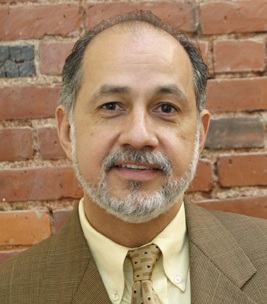
Author
Dr. Roberto Miranda
Summary: God calls his people to consecrate themselves completely, place their talents, resources, and relationships at the service of the Kingdom, hold fast to his Word, and prepare for a great harvest. Such faithfulness does not necessarily spare us from suffering: like Stephen, we may suffer precisely because we are at the very center of God’s will. When we face inexplicable trials, we should not conclude that God has abandoned us, but instead acknowledge his sovereignty and goodness. We use spiritual weapons, pray, and stand firm on his promises; if the hardship continues, we entrust our lives to God and persevere until the storm passes. The trial can draw us closer to the Lord, make us more sensitive to his glory, and prepare us to become more like Christ. Moreover, none of the suffering endured by his children is without purpose: God can use our faithful witness to bless others, just as Stephen’s forgiving death planted seeds of conviction in Saul and furthered the spread of the Gospel. Therefore, we choose to glorify God both in times of abundance and in the day of trouble, confident that nothing can separate us from the love of Christ.
Brothers and sisters, I tell you something with complete conviction: we cannot even imagine the things God has in store for us. I believe that we are on the verge of a great explosion, above all numerically and spiritually. And I believe that God has also spoken to me prophetically about a visitation from God, not only for this church, but for the whole earth.
And God has something in store for this people, and therefore our vision and our commitment must rise to the level of God’s vision for us. During this time that I have been recovering from my illness and have been at home, I thank the Lord because many of you have stood up, have answered the call, and my absence has not been felt, thank God; in fact, I believe things are going much better than when I am here.
And I do not say that out of modesty, but because I have seen how God has used this to give the church a sense that, wow, we are a mature people and we do not depend on one man for our health or in order to continue doing the work of the Kingdom of God. My role as senior pastor—I was telling the brothers and sisters who were at the inner-healing gathering yesterday—is rather simply to keep the space clear so that the people of God can prepare themselves to do the work of the Kingdom of God.
And as I tell you, God is going to raise up hundreds of you as teachers, pastors, evangelists, counselors, male and female servants of God in all the different areas of ministry. Prepare yourselves, because the harvest is great. And God needs men and women who are radically committed to the Kingdom of God. Men and women who have—and I have already slipped into my sermon, by the way—men and women who have died to the world and who live for God, for the Kingdom, and for God’s purposes.
Young people who are preparing to become men and women greatly used by God. People who have decided to turn their backs on personal fulfillment and personal achievements and have said, “You know what? I want my life to serve to bless the purposes of the Kingdom of God.”
I want my money, my profession, my knowledge, my social relationships, my talents—everything—to be wood for the fire that God wants to kindle on the earth. Brothers and sisters, God wants you and me, and all the leaders of this congregation, to sanctify ourselves. God wants us to consecrate ourselves and surrender ourselves completely to serve Him. He wants us to purify ourselves completely, inside and out, so that He can use us as instruments for His glory.
God has spoken to me a great deal throughout these years through the book of Zechariah, in chapter 3, through the vision that Joshua the priest had. I know that it is God’s will for us to be here together this morning, brothers and sisters; I am sure of that.
There in Zechariah chapter 3, God simply says to Joshua:
“…If you walk in My ways and keep My charge, then you shall also govern My house and keep My courts, and I will give you a place among these who stand here…”
And there is another passage—I do not remember exactly where it is right now—but it says that if you bring out the precious from the vile, you will be like My mouth, and I will give you authority over My church, My people.
My brothers and sisters, I feel that God is telling us to prepare ourselves, to purify ourselves as the people of God, and to give everything to the Lord so that He may have a people prepared for these last days in which we are living. And although I am speaking in the plural, I want you to put your name into what I am saying, to feel God’s personal call to surrender everything you are and everything you have in order to serve the Lord.
And now I will conclude everything I have said by returning to what prompted me to say it: the construction of that sanctuary. Yes, because everything I have said is specifically about that. Because I believe that building has a very special purpose in advancing what God has in store for us. And that is God’s immediate assignment for this congregation: Build Me that sanctuary, because I am going to use it for My glory.
So we, like a disciplined and willing army, say, “Yes, Lord, amen. We are going to build that sanctuary for You, and we are going to do everything necessary to raise it up for You.” And I know, brothers and sisters, that we will be blessed materially and spiritually as we contribute to the construction of that sanctuary. So I say to you personally: Do not miss the opportunity to be blessed and honored by participating in something that is very close to God’s heart. Amen, glory to the Lord. Thank you for listening to that part, brothers and sisters.
Now I want to direct you quickly to the book of Acts, chapter 6. Interestingly, I was supposed to preach this passage probably more than a month ago, but various things intervened. But you know what? I believe God reserved it specifically for this moment, because this text actually extends from Acts 6 through Acts 8. Beginning with verse 8 of chapter 6, we have here the martyrdom of Stephen, the first martyr of the church. In chapter 7 we have the very long speech, in fact, that Stephen delivers before the council in Jerusalem, which is accusing him of violating Jewish law and insulting the Kingdom of God; it is also his defense. It is a speech in which he goes through the entire history of the Jewish people, from their foundation through Abraham all the way to the very time when they killed Jesus on the cross.
In the first three verses of chapter 8, we see an interesting little detail: it says that while they were stoning and killing Stephen, there was a young Pharisee who was holding the garments of those who were stoning Stephen and who approved of Stephen’s death. And it is graphic to picture what Saul was doing—and we know that this is Saul, who would later become the Apostle Paul.
Imagine it: Saul was holding these men’s garments, I suppose so that they could stone Stephen more comfortably and more effectively. Before I was in the hospital and all of this happened, God had placed it on my heart to meditate on those times when we go through trials, suffering, and, in a sense, crucifixion, even because we are serving the Lord.
And so it seems extremely fitting to me that now, as I return to my pastoral duties, so to speak, and to preaching, I should be called upon to speak precisely about this subject of suffering and the martyrdom of Stephen. It is not that I consider myself a martyr—understand that clearly—but many times in our Christian lives we will indeed go through times of persecution, suffering, and adversity. And we must be prepared to go through those difficult times in a way that glorifies God and enables us to emerge victorious and even better from those trials.
I believe that we churches often fail to prepare our people for the suffering, losses, and adversities that inevitably come into the life of every believer; we fail in that regard. Particularly in churches like ours, which emphasize the power of God and move within the Pentecostal movement, we talk about victory and spiritual warfare, but sometimes we do not talk about those times when we have to suffer and when all we can do is entrust our souls to God until the trial passes.
How many times have you gone through a difficult situation in your life—illness, financial hardship, difficulties in your job and profession? Perhaps there has been a time of spiritual dryness, even depression, marital problems, and difficulties in life, and you have prayed to the Lord to let that cup pass from you. And you have fasted, and you have confessed every sin you can remember, those you might have committed without realizing it, and even those you are going to commit. You have reconciled with everyone who did something to you and with those whom you owe as well; you have rebuked and declared; you have done everything the Pentecostal manual prescribes for emerging victorious from the trial, and yet the problem, the illness, the difficulty still continues. How many have been there? I think all of us, right?
And many times, then, our tendency is to doubt God’s faithfulness and mercy. The truth is that situations will come into our lives that we will not be able to explain in any way, and in those cases we simply have to accept that God is sovereign, that God is Lord, that He makes no mistakes, that by definition He does nothing wrong, that everything He does in the life of one of His children is good by definition, and that although we may not know the explanation at the moment we are going through the trial, the Lord knows that it is necessary and that it is for our good and for the blessing of those around us.
Many times our sufferings will come not because we are outside the will of God, but precisely because we are within the will of God. That was the case with Stephen, who was doing the will of God, preaching His Word and defending the lordship of Jesus Christ. His martyrdom comes precisely because he is declaring God’s truth and walking in integrity as a minister.
In a recent case, God had chosen to deliver Peter and John from martyrdom by miraculously bringing them out of prison; nevertheless, in this case, with a man who was full of the Holy Spirit and upright in his walk with God, God sovereignly chooses not to deliver him from a painful and cruel death.
Why those two different ways of dealing with His servants? God’s designs and ways are not our ways. And many times, when a trial comes into our lives and we have no explanation, we simply have to say, “You know what, Father? Although I do not understand, I submit to Your will. You are Lord, and You are good.”
Nevertheless, through studying this text, one can see some of the mysteries of God explained in this journey of His servant Stephen, and that is illuminating for us. Here we see Stephen brought before the tribunal, and he gives a historical survey of the Scriptures, showing the hardness of the Jewish people’s hearts throughout history toward God’s prophets.
Throughout his long speech, Stephen shows how faithful God has been time and again in calling Abraham, Joseph, and Moses, and how these men had to suffer because of the unfaithfulness of God’s own people.
In the case of Moses, for example, Stephen points out that even while Moses was on the mountain receiving the tablets of the Law, the Jewish people were down below corrupting themselves and setting up idols.
And there in verse 51, Stephen finally concludes his passionate sermon and cannot suppress a word of accusation against the hardness of the Jews’ hearts, and he says:
“…You stiff-necked people, uncircumcised in heart and ears! You always resist the Holy Spirit; as your fathers did, so do you. Which of the prophets did your fathers not persecute? And they killed those who foretold the coming of the Righteous One, of whom you have now become betrayers and murderers. You who received the Law by the direction of angels and did not keep it…”
And when these men hear that, instead of being broken, it is as though they are filled with demonic rage; they gnash their teeth at him, rush at Stephen, seize him, and drag him outside the city to kill and destroy him.
As I read Stephen’s sermon and his lengthy recounting of Jewish history, one of the things I concluded, brothers and sisters, was how important it is not to be leaky sacks, but to listen reverently and retain the experiences and teachings of the Holy Spirit throughout our lives.
Because what Stephen accuses the Jews of is this: You have received revelation time and again, prophets whom God has sent you, revelation throughout all the centuries, and you have remained stubbornly entrenched in your rebellion and carnality.
And I was thinking, brothers and sisters, that many times there are people in churches—thank God that does not exist in this church, but there are people in other churches—who spend years and years and years coming to church every Sunday, receiving words, sermons, and messages, and they simply remain the same: barren, not growing, not entering into God’s revelation for their lives.
And God tells you: Do not be a leaky sack. Retain the Word of God, treasure it, and put it into practice in your life. Open your ears to hear the Word, engage with the Word of God, and feel its personal and individual call upon your life. And ask yourself how you can embrace that Word, live it, and put it into practice every day of your life, because otherwise what happens is that, like these Jews, we become hardened and insensitive to the Word of God.
Then we come to church, and the Word is like what happens when you have a callus on your hand: from working so much, that hand or that patch of skin becomes hard, and you can hardly feel the roughness of a surface anymore because the skin has become hardened.
Many people come to church Sunday after Sunday, and they have become so accustomed to hearing preaching that they no longer hear it with their hearts. So that is one of the lessons, although it is not the main point of this sermon; nevertheless, it is something important that we see here.
But what I wanted to talk about is martyrdom and suffering in the life of the believer. I was saying that there are several lessons we can learn from Stephen’s life and suffering.
And one of the things I have learned is that, as I already said, sometimes precisely because we serve the Lord and are faithful to him, we will suffer the attacks of the enemy. Second Timothy 3:12 says:
“…And all who desire to live godly lives in Christ Jesus will suffer persecution…”
Sometimes, because we speak the truth and conduct ourselves in an exemplary way, there will be people who will want to persecute and attack us. The enemy will try to destroy us and lead us to deny God’s faithfulness and mercy; he will want to neutralize our testimony, which blesses the people around us so greatly.
So, as we were saying, brothers and sisters, suffering is not always due to our being in sin. Sometimes it will be just the opposite. Sometimes we think that because we serve the Lord, everything must always go well for us. It will not always be that way. We must be prepared for when the evil day comes, when persecution enters our lives, when illness, financial problems, the loss of loved ones, and family conflicts come. Sometimes adversity will be the greatest indication that we are pleasing God and are at the center of his will, rather than the opposite.
When the trial comes, brothers and sisters, the Christian fights back with the words and promises of God. The powerful believer uses the weapons of the Spirit, but the trial and the drought often last longer than we want. And in those cases, the only thing we can do is stand on the Word of God; we need to exercise faith and remain firm until the evil day passes—and it will have to pass. That will be our greatest weapon in the fight: simply standing firm in the Word of God.
Let us look at Ephesians chapter 6, verses 10 through 20, where the Apostle Paul says:
“…Put on the whole armor of God, that you may be able to stand firm against the wiles of the devil, for we do not wrestle against flesh and blood, but against principalities, powers, against the rulers of the darkness of this age. Therefore, he says, take up the whole armor of God, that you may be able to withstand in the day and, having finished everything, to stand firm…”
And then the Apostle Paul counsels us to stand firm, to remain standing while the storm rages around us and the enemy’s attack persists, simply keeping ourselves covered by the elements of the Gospel all around us.
Many times, brothers and sisters, when the hurricane of trials and difficulties rages around us, what we have to do is take our windows, put a four-by-eight sheet of plywood over every window, shut ourselves in securely, and let the storm spend itself around us. And once the hurricane has grown tired and exhausted itself, you remove the sheets of plywood and clear away the fallen trees, and with the little birds singing, you return to your life as usual, protected by the covering of the Word of God.
When we go through difficulties in life, that is the key, brothers and sisters: to pray more, read the Word more, bless God, remain faithful in what we have to do, and let the devil do whatever he wants, threaten and roar; and the Word says, resist the devil and he will flee from you.
To me, that is the best way. When all is said and done, that is what truly works in the believer’s life, because difficulties and trials will enter our lives one way or another. And in the end, definitely, as the Apostle Paul says, in all these things we are more than conquerors.
Ultimately, brothers and sisters, we have to arm ourselves beforehand with this attitude: no matter what happens in my life, I am going to glorify, praise, and worship my God, no matter what happens. I am going to arm myself with God’s promises, and I am going to believe that God has good things for me; but if the evil day comes, even then I will serve the Lord and glorify his name, no matter what happens.
The words of Habakkuk in chapter 3:17–19 are immortal words that we should always engrave upon our hearts:
“…Though the fig tree does not blossom, nor there be fruit on the vines; though the produce of the olive fails and the fields yield no food; though the sheep are taken from the fold and there are no cattle in the stalls, yet I will rejoice in Jehovah and take joy in the God of my salvation. Hallelujah! Jehovah the Lord is my strength; he makes my feet like those of the deer and makes me walk upon my high places…”
That is the attitude the devil will never know what to do with. A Christian cannot be defeated as long as he maintains that attitude, that posture in his heart. Another important lesson—and I am about to close—that we learn from Stephen’s martyrdom is that when we suffer in Christ, God generally blesses us with spiritual blessings that compensate for our suffering on the physical, material level.
I have learned that in times of trial and suffering, we somehow draw closer to the Lord than ever before. We are more sensitive to the truths of the Spirit. There was a time of scarcity in my family’s life many years ago, when I was very little in the Dominican Republic, and food even became scarce in my home. I remember that my mother, who had recently come to know the Lord, used to say that when there was not much food at mealtime, she felt freer to worship the Lord and seek God because she did not have to cook; she even thanked God for those times. And we children thought differently; we were not so spiritual.
But yes, Stephen saw the glory of God. It says that while these men were preparing to stone him, the heavens opened. Stephen saw the glory of God and Jesus seated at the right hand of the Father.
Brothers and sisters, I am willing to endure a few stones to see what Stephen saw. Stephen was given the exceptional privilege of seeing God’s lordship over history and creation. It is important to remember that lordship of God when we go through situations that seem unjust and inexplicable to us.
Like Job, we must say, God gave and God took away; blessed be the name of Jehovah. The Apostle Peter, in 1 Peter 4:12, says:
“…Beloved, do not be surprised at the fiery trial that has come upon you, as though some strange thing were happening to you, but rejoice insofar as you share in the sufferings of Christ, so that at the revelation of his glory you may also rejoice with great joy. If you are reviled for the name of Christ, you are blessed, because the glorious Spirit of God rests upon you…”
Hopefully, when we are going through situations of trial in our physical lives, we can change the channel and tune in to the spiritual world, and feel and discern what God is doing in our lives to prepare us to see greater things.
Yes, brothers and sisters, during this time of being at home, resting peacefully and waiting for my body to readjust to normal, I have been taking advantage of this time to seek God and ask the Lord, well, Father, what are you teaching me? How can I get in tune with the secret blessings you are bringing into my life?
And I have not the slightest doubt, brothers and sisters, that God has been digging within me so that more of the anointing of the Holy Spirit can fit into my life. While my body was being stoned, I know that my spirit was seeing the glory of God. And I know that God has greater purposes for my life and for the life of this congregation.
In crucifixions, the devil is always at work, but God is working above the devil, fulfilling the purpose of our lives and preparing us to become more like Christ.
And I cannot suppress a third lesson—forgive me if I go on just a little longer—and it is that while Stephen was being stoned, this man, this young Pharisee who did not know that God had a purpose for his life, was there participating in this man’s martyrdom. Notice that God was using this man’s martyrdom, first, to unleash a persecution that would take Christians through many different towns to preach the Gospel; and, perhaps more importantly and more strategically, he was planting, as it were, a seed of conversion and conviction in the life of that young Pharisee who was watching this man die in such an exemplary way and forgive those who were stoning him.
Not long after that moment, the Lord knocked Paul—Saul—off his horse and called him to serve him as the great Apostle Paul. Not only that, but many years later, after the Apostle Paul had himself suffered many afflictions and many crucifixions, he remembered that moment when he participated in Stephen’s death and said, it is only by the grace of God that I am an Apostle of the Gospel of Jesus Christ.
I believe Saul’s conversion began at that moment, while Stephen bled and poured his spirituality into the air, releasing the power of God from his body. Something of God’s grace in Stephen brushed against Paul’s heart and prepared him to become the great servant of God that he later was.
Therefore remember, my brother, my sister, that when you go through the trial according to the patterns of the Word of God, your life will bless others as well. God will use your sufferings to bless others and will make you an instrument of God’s grace.
Remember that your sufferings are never in vain; there is always a purpose. God is always working in the lives of his children. Nothing that happens in the life of a servant of God, whether a man or a woman, is without meaning.
Let us live the Christian life with that awareness that nothing will be able to separate us from the love of God; neither death nor life will be able to separate us from the love of Christ. May the Lord continue to bless you, amen, amen.
Now, brothers and sisters, let us celebrate Holy Communion, and precisely as we speak of crucifixions, let us remember Christ’s sacrifice on the cross of Calvary. Father, we bless these elements and consecrate them to you. Prepare our hearts and our spirits to discern the body of Jesus and to partake of this privilege as brothers and sisters in Christ, one body in Christ Jesus. We confess that we are not worthy of this privilege, but we gladly partake of it. Bless this people, Lord, pour out your grace upon them, and raise up an exemplary church for the glory of your name. Strengthen us now through these symbols, in the name of Jesus. Amen.