The Nature of the Church
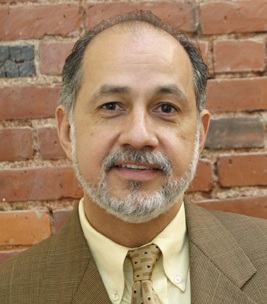
Author
Dr. Roberto Miranda
Summary: The universal Church is the community of men and women called and saved by Jesus Christ to embody the values of the Kingdom of God; every local congregation participates in that mission. We exist to glorify God, proclaim the Gospel, faithfully preserve biblical teaching, equip disciples for service, transform society, declare the lordship of Christ before the powers, model a redeemed humanity, and offer fellowship and support. We must therefore evangelize personally, defend the truth without adapting it to prevailing trends, serve in every sphere of society, and treat one another with forgiveness, hospitality, patience, and love.
The church must not be limited to being a rigid and isolated community, although holiness and doctrine are indispensable. It must also be evangelistic, accessible, creative, and flexible in its methods, without changing the Gospel. We welcome people who are still in the process of growth and accompany them with realism and a long-term vision: the church is a school, a hospital, a family, and a place of training. We are in the world and attend to its realities, but our inner life, our weapons, and our values belong to the Kingdom of God. In this way, we move forward as an exemplary, transformative, restorative, merciful, and faithful community.
I remind you that we are taking time during these Sundays to meditate on aspects that define our congregation; these are subjects that help us understand the kind of church we attend. Why do we believe what we believe? Why are we so often a church with its complexities, which, as I said last Sunday, brings together and combines different elements that today are seen in different sectors of the body of Jesus Christ?
We believe that throughout the centuries, and even in our own time, God has given His revelation to different segments of the church—the Pentecostal segment, the evangelical segment, and so many other biblical Christian groups—and that we do well to learn a little from each one of those segments of the church and bring them all together in a spirituality that reflects that complexity of the church.
And so, one of the things I feel we need to discuss is this congregation’s understanding, this pastor’s understanding, and this church leadership’s understanding concerning what the Church of Jesus Christ is, as well as what a congregation is, what a church with a lowercase “c” is.
So I am going to speak about the Church with an uppercase “C,” the universal Church of Jesus Christ, and I also want to speak about the church with a lowercase “c.”
The nature of the Church. And the first thing we might ask is: Why does the Church of Jesus Christ exist in the world? What are the Church’s mission and vision? First, let me say something: the Church of Jesus Christ is that community of men and women who have been called—that is what the word church means, where the word comes from, from the original ekklesia. It is that community of men and women who have been called throughout the centuries and from different nations to be a community saved by Jesus Christ, by the blood of Jesus, which exemplifies the values of the Kingdom of God.
That is essentially the Church of Jesus Christ. Now, that Church exists for certain purposes. It has a mission and a vision to fulfill here on earth. What are the things the Church accomplishes? What are its purposes and tasks?
Why do we exist? What functions do we carry out as the Church of Jesus Christ? The first thing I would say the Church does on earth is worship and work for the glory of God. We exist first and foremost to glorify the Lord. Many things are done in the life of the Church: tithes are given, evangelism is carried out, and many other things; but when all is said and done, as a community we exist to give glory and honor to the Lord. And everything we do—the efforts, the missions we undertake, the very life we live, and even, I would say, our agonies, our sufferings, and even our falls, when we repent and come before the Lord—all of this ultimately results in glory and honor for the Lord.
But the Church must be a worshiping community; it must be a community that knows that we exist to give glory to the Lord. This afternoon, for example, while we were here during this time of praise, I know that we were doing something very near and dear to the Lord. And that is when His people let themselves go and give Him glory, mention the attributes of God, acknowledge all the beautiful things of the Kingdom of God, and open their hearts in worship to the Lord. That pleases God.
Imagine that at that moment we were in communion with literally millions of Christians throughout the earth who were worshiping the name of the Lord. Because somewhere in the world, at 12:30 and 1:00, while we were worshiping the Lord, it was 9:00 or 10:00 in the morning, and there was a congregation beginning to worship the Lord.
And do you know something? The Church of Jesus Christ never ceases to worship, because if you look at all 24 hours of the day, somewhere someone is getting up while someone else is going to bed. And somewhere in the world there is a man or woman getting up to go to work and worshiping the Lord while someone else is going to bed after returning from work. Twenty-four hours a day, the people of God are always worshiping the Lord.
How beautiful! Think about that. The Church’s praises never cease to rise before the throne of the Lord. Because there is always someone, there are always communities worshiping and glorifying the Lord. There is always someone fasting; there is always someone declaring Christ’s lordship over the earth. We are a community that worships, and in everything we do, always remember that, ultimately, the Church exists to worship and to bring glory and honor to the Lord.
First Peter, chapter 2—let me read quickly here. We are going to be turning to the Word. First Peter 2:5 says:
“…You also—we, the Church—like living stones, are being built up as a spiritual house and a holy priesthood, to offer spiritual sacrifices acceptable to God through Jesus Christ…”
That is what we were doing this afternoon: offering spiritual sacrifices to the Lord through that worship. But now, as I proclaim the Word in this verbal form, I am also worshiping the Lord. And as you listen, you are worshiping the Lord as well. In other words, the Church is, so to speak, a machine of worship and glory for God.
Besides that, we are also called to proclaim the Gospel; we are called continually to announce the truths of the Word of God. You know that the Church is an institution—and not only an institution, but a community—that is always declaring the word of the Gospel to the world. We are doing so, first of all, by evangelizing souls. We declare what Christ did on the cross; we declare that He died and rose again for our lives.
And when I made an altar call this afternoon after the worship, why do we insist on making altar calls, bringing souls to Christ, and initiating them into their Christian walk? Because that is one of the greatest responsibilities the Church has, and you and I must always live our lives as instruments through whom others come to the knowledge of Jesus Christ.
I hope our church never has to depend on artificial ways of doing evangelism. Why? Because our members, the members of this congregation, should each be evangelists. Remember that when you invite a coworker or a family member to the house of the Lord, you are providing that soul with an opportunity to set their life right with Christ, receive the Lord, and begin a new journey in the Lord.
So there is always an opportunity, and it does not have to be only the pastor who makes the altar call; you can do it at work. If you see that someone is hungry and has given you an opportunity to speak about Christ, present the Gospel to them, invite them to pray with you, and invite them to surrender their life to the Lord. You can do that continually. The Church is an evangelistic community.
In First Peter, chapter 2, verse 9, it says:
“…But you—again, referring to us, the Church—you are a chosen generation, a royal priesthood, a holy nation…”
All of those are, in fact, definitions of what the Church of Jesus Christ is. “…God’s own people, so that you may proclaim—there is the proclamation—so that you may proclaim the virtues of Him who called you out of darkness into His marvelous light…”
We must always be proclaiming what God did for us. That is the best evangelistic word: what God did for me. Give people your testimony of how God changed your life, how God impacted your life.
But we, as the León de Judá congregation, will always insist on proclaiming the Gospel, and we will have to make room for that aspect of our life as the Church of Jesus Christ in everything we do.
A third function of the Church of Jesus Christ is to preserve the teachings of Jesus and the Apostles until Christ comes a second time. Do you know that, as the Church, we have been made custodians of the Lord’s Word, of God’s revelation contained in the Scriptures? The Church has been entrusted with the stewardship of the truths of the Gospel contained from Genesis to Revelation.
We have that treasure in our care, and we must preserve it exactly as it was given to us. We cannot change it; we cannot take away from it or add to it; we must be faithful to the Word of the Lord. And do you know what? There is something else: we must defend that revelation of God.
Why do I say this? Because in the time in which we live, the Gospel of Jesus Christ is being subjected to every kind of perversion, being diluted and readjusted. The Bible says that the day will come when people will have itching ears and will not submit to the Word of the Lord, but will seek out teachers to speak to them according to the desires of their hearts, and we are in those times right now.
And the Church of Jesus Christ must stand up and say, “We are going to defend God’s revelation,” and we must speak that pure Word. That is why, once again, in this congregation we will always try to preach a Gospel that reflects the complexity and content of the Word of the Lord. We will not be guided by what we see—the trends we see out there, what people like to hear, or what sophisticated people want to hear when they come to church. We want to safeguard God’s revelation exactly as it has been entrusted to us. Amen.
And we must contend for it. If we see false doctrine anywhere, even if it closely resembles the original doctrine, we must clarify that and point out what truly comes from God and what does not come from God.
There is a passage in Jude, verse 3—because Jude has only one chapter; how many of you knew that? Jude is the shortest book in the Bible; it has only one chapter, and verse 3 of Jude says this:
“…I found it necessary to write to you, exhorting you to contend earnestly—notice how we must relate to the Word of God in this time. Do you know what it means to contend earnestly? It means to fight tooth and nail. Why?—…for the faith that was once delivered to the saints…”
In other words, the Gospel was proclaimed once and for all, and we have already received it; now we must preserve it exactly as it was revealed. And if we have to fight to defend it—in the sense of arguing, clarifying, and confronting—we do so. Because God’s revelation must be defended in this time when that revelation is being subjected to every kind of false adjustment and heresy.
In fact, the Apostle Paul states it in an even more serious way in Galatians, chapter 1, verse 8. He says there:
“…But even if we, or an angel from heaven—imagine that—should preach to you a different Gospel from the one we have preached to you, let him be accursed…”
That means, let him be cursed. That is the truth: let him be condemned. And he repeats it once again: “…As we have said before, so now I say again: if anyone preaches to you a different Gospel from the one you received, let him be accursed…”
Preserving the integrity of the Gospel is serious business, brothers and sisters. And that is why we will often have to preach a Gospel that people will not like. I have always regretted that, but I believe it is a legitimate price to pay. Our church could have many very important people who are deeply involved in society, culture, and politics if I diluted the Gospel we preach just a little.
Many people come here and say, “Oh, León de Judá is a church that provides social services and works for social justice.” And again, they think we are a more liberal church than we actually are, and suddenly they stumble over one of the pastor’s teachings and say, “Oh, no, I’m leaving because I didn’t like what the pastor preached.”
But amen, that is the price we must pay, glory to God, because our desire is not to please the flesh, but to please the Lord who entrusted His Gospel to us. And we must be faithful to the Word of the Lord. It does not matter who likes it or who does not; when people walk through the doors of the church, they must conform to the doctrine of the church, rather than the doctrine of the church conforming to the people, no matter how rich, how important, or how intellectually developed they may be. It does not matter. The Church of Christ is humanity’s nursemaid, and it must proclaim the truth of God even if the devil gets angry and does whatever he wants. So we preserve the teachings of the Word of God.
Another thing we do is make disciples. The Church exists to make disciples, to instruct, and to prepare the saints for the service of the Gospel. Look at what Ephesians, chapter 4, verses 11 and 12, says.
“…And He Himself, God Himself, appointed some to be Apostles, some prophets, some evangelists, and some pastors and teachers…”
Why did God do all this? Why did God create this whole array of important people in the order of the Church—pastors, teachers, evangelists, and prophets? It says:
“…for the purpose of equipping the saints for the work of ministry, for the edification of the body of Christ…”
Why do I preach? Why does this church exist? Why do we have discipleship classes? To prepare you for the work of serving the Lord. Many people come to church and think that the church exists mainly to pat them on the head, comfort them, pamper them, as we Dominicans say, baby them, as Guatemalans say, and dry their tears. All of that is good and important, but you know what? People should come to church to be equipped to serve Christ Jesus, to be teachers, to be evangelists, to serve in the work of the Lord.
And the church has to provide people with the tools they need to be effective witnesses of Jesus Christ and servants of God. That is the primary function of the church. That is why, brother, sister, you have to change your way of thinking. Many people grew up in the church, and their model was: Well, I go to church to cross myself—and I am not alluding to any religion or anything—I go there for 20 minutes, do a few little things quickly, and then I go home, come back the next Sunday, and do the same thing.
No, the church is a school. The church is a hospital. The church is a place of formation. The church is an army; it is a training ground where people come, receive the Word, receive teaching, receive restoration from God, and then go out healthy to serve Jesus Christ and be instruments of God.
And that is why our church places so much emphasis on discipleship, preparing our children, cell groups, and developing leaders so that they can be useful and effective people for the work of the Gospel.
Another function of the church is to transform the world. You know that the church exists to change society. We are here to be leaven. The Lord said that the kingdom of heaven is like leaven that goes into the dough, and it is something tiny. Leaven is something minuscule, but when it enters an immense mass of dough, it leavens the whole batch, permeates it, and makes it rise; it makes its effect felt throughout it. And that is what the church is. The church is an agent of transformation.
That is why we have to mingle with the world while preserving our identity as Christians, but we must always be agents of change in the world. The church confronts injustice, confronts immorality, confronts war, confronts poverty and disease; everything contrary to God’s blessing, to the luminous, life-giving element of the Gospel, is an enemy of the church, and the church declares war against it.
And the church exists to change the structures of society. We are the salt of the earth; we are the light of the world. We have to influence society and influence culture, and that is why we have to be part of an effort. I believe that God is calling His church, in this time as never before, to change the world and not be content simply to proclaim the Gospel spiritually; rather, we have to influence governments, we have to influence the public health sector, we have to influence the financial sector, and we have to declare the Word of God and what God desires to all those segments of society.
God wants us to transform lives. I want to see young people and adults—committed, convinced, prepared evangelicals—getting involved in the politics of this city and this nation, like Joseph, who entered Egypt and changed society because he had the anointing of God upon him.
We have to enter all those areas: the police, the military. I believe that in all those areas there should be Christians living out a vibrant, passionate Gospel and being salt and an example to all those sectors of society. We are a culture.
And that is also why our church believes in community involvement and in all the things we do. This week our brother, Pastor Samuel Acevedo—I could not go, but Samuel went as our representative—was sitting at a table with 6 or 8 people and the governor of Massachusetts, talking about matters of social justice, criminal justice issues, and all of that. Glory to God that our church can have a presence in that place, exert influence, and declare what the church of Christ thinks about those matters.
And we have to be involved in those things because God has called us to that. As Second Corinthians, chapter 10, verses 4 and 5, says:
“...For the weapons of our warfare are not carnal, but mighty in God for the destruction of strongholds—and look here at the part that matters to me; it says—casting down arguments and every high thing that exalts itself against the knowledge of God, and bringing every thought into captivity to the obedience of Christ Jesus...”
In other words, wherever there is a philosophy, a system, a government, or a practice that does not conform to the truth of God, we have to be there, working to change it and bring it into submission to God’s truth. We have to contend so that the words of the Gospel become a reality in every aspect of society. As the church, we are also agents of transformation.
Another aspect of the church is that we have been called—and this is something mysterious—we have been called to testify to the principalities and powers about God’s plan of salvation and wisdom.
Someone might say, “Well, the demons are already condemned to hell, so we do not have to tell them anything.” Why do we have to tell them anything? You know what? Because God is glorified when His people proclaim and show the demons that Christ is Lord, that God is seated on His throne, that the world belongs to Christ and not to them, and that they made a mistake when they challenged God and tried to take His place.
We have that function as well. And you say, “Well, Pastor Miranda, where is that?” Turn with me to Ephesians, chapter 3, verse 10. It says there:
“...So that the manifold wisdom of God might now be made known through the church to the principalities and powers in the heavenly places...”
Wow! Do you understand how sublime the function of the church is in that respect? We have been called to proclaim—even to the demons themselves, even to Satan himself—that Jesus Christ is Lord.
When we engage in that time of worship in which we give glory and honor to the Lord and say, “You are Lord,” we are saying that to Christ, but we are also saying it to the principalities and powers. We are telling them, “Your claims are false.” Satan is not lord of this world; Christ is Lord.
And through its life and the way we relate to one another, the church declares the lordship of Christ to the principalities and powers.
Two more little things the church does. It models a redeemed humanity before the world. You know that we have to be an exemplary community. If you read the vision of our church, it says: to be an exemplary church that exemplifies the finest values of the Word of God.
Through the way it lives, through the way we relate to and treat one another, and through the way we live, the church of Christ is a sign and an example to the world. And we tell the world, “Look, this is how those who have been touched by the blood of Jesus are supposed to live.” When the church lives as Christ commanded it to live, it exemplifies what God intended this world to be when He created it.
That is why it is important, brothers and sisters, that the quality of our lives and the way we relate to one another exemplify something different from what is found out there in the world. That is why we Christians should be the most graciously spoken people in the world; we should treat one another with generosity and gentleness; we should forgive one another, put up with one another, love one another, and support one another. If someone falls, instead of kicking them farther down, we lift them up and restore them.
If someone offends you, instead of saying, “Don’t worry, I’ll get you around the corner,” you forgive that person and ask God to bless him or her. If someone made a mistake and offended you, you are the first to seek reconciliation with that person and forgive them.
In the Christian community, brothers and sisters, there should be no hypocrisy, gossip, backstabbing, the law of tooth for tooth and eye for eye, abusive words, manipulation, resentment, holding on to grievances, speaking ill of one another, or mercilessly criticizing one another. The church of Christ has to be a model for humanity.
Isn’t that right? Amen. At least one sister agrees with me. Because when we do that, we are modeling something for the world. How sad it is when people come to church and see exactly what they see in the world, and say, “Hey, why should I go? I have more fun out there, and I do not have to deal with all the other restrictions.” When people come to church, they should be intrigued: “Wow, how did these people reach such a spiritual, moral, and ethical height?”
This is very important to me because when I speak about holiness—and we are going to devote a sermon to that in the future—I am not thinking only of holiness in the sense of hair, pants, and makeup holiness, as many churches out there say. No, I am talking about the totality of the Christian life: the vertical, moral dimension with God, but also the horizontal dimension—the way we treat one another and the way we treat our fellow human beings.
For me, the Christian life has to be—the struggle, the agony of the Christian life for me, is this: How can I submit my flesh to the character of Jesus Christ? How can I become more like Christ every day? That is what causes me anguish, because I never attain it. And every so often the old man, who is not so old, is alive and kicking inside me; he gets out and shows himself, and I have to push him back in again, where he came from.
That is what truly makes the Christian life agonizing. It is very easy to say, “Well, I do not commit adultery, I do not steal, I do not kill, I do not smoke, I do not get drunk.” Ah, but how difficult it is to bring the self under control; how difficult it is to control the mouth, for example. The Apostle James says that the tongue is tiny, but it creates terrible disasters in the world.
And the same is true of all the other appetites of the flesh and deformities of character. That is the true war in my life—and in yours too, just in case you were wondering. That is why we have to model a redeemed humanity. Look at what First Peter 2:11 and 12 says:
“...Beloved, I urge you, as strangers and pilgrims, to abstain from fleshly desires which wage war against the soul, maintaining good conduct among the Gentiles, so that though they speak against you as evildoers, they may glorify God on the day of visitation when they consider your good works...”
How beautiful! May people, when they see us and consider the way we live, glorify God and say, “I surrender; I throw myself at the Lord’s feet. Yes, Christ is definitely here.”
We have to live that kind of life, and that is the greatest battle, and we have to fight it: modeling a humanity redeemed and transformed by the power of God before humankind and before the devil as well, so that he will be put to shame when he sees us living as we do. Amen.
And the last thing the church does is provide fellowship and support for believers. Koinonia—do you know that word? Fellowship, community. The church should be a place where the lonely find companionship, where the brother or sister who left their children in Central America, South America, or the Caribbean and is here alone, barely scraping by, finds someone who invites them and says, “Come to my house; let’s have dinner this evening. Come with me.”
How many brothers and sisters have to go home alone at the end of the service? Invite someone to your home. Hospitality is something wonderful; it is a Gospel value. The church of Christ should be a place where we weep with those who weep, laugh with those who laugh, and celebrate with those who celebrate.
As I was saying last Sunday, it brought me such joy these past few days, when a couple of families lost their loved ones, to see those brothers and sisters visiting people who were dying in the hospital, comforting those who had lost a father or a mother, going to the cemetery in very cold temperatures, and declaring the love of God to those families. That glorifies the Lord. How good it is when we notice that someone is missing, because the pastor cannot do it—I sometimes do not know who is here and who is not, but you may know because you have a smaller group of people.
If you notice a sister or brother whom you have not seen at church for several days, do not wait for the pastor; call them yourself. Pray with him or her. That is why cell groups are so wonderful to me: they are small communities where people love one another, support one another, build one another up, educate one another, disciple one another, and express the love of Christ to one another.
A church has to be a family. Sometimes we spiritualize things: “Oh, God bless you, brother, sister.” But call that person your friend; he or she is your friend, because “brother” is already such an overused word. But God wants us to be friends as well, to love one another and communicate with one another. In a church like ours, with so much diversity, so many nationalities and socioeconomic levels, two services, and so many other things, it is easy for people to get lost in the crowd. You be a pastor. You show concern for someone; call someone, pray for someone, invite someone to your home for a meal. The church has to be a place of support and koinonia, of love for one another.
First Peter 4:8 says:
“…And above all, have fervent love among yourselves—fervent love among yourselves—because love will cover a multitude of sins…—and look here at what he says—because we can understand that, fervent love among yourselves. It is very spiritual language, but look, he goes and drives the knife a little deeper; he says, ‘…offer hospitality to one another without grumbling…’”
Ouch, that really hurts. Inviting someone into your home, seating him at your table, and cooking for him or her without turning up your nose or grumbling. No, no, do it gladly. The Bible says that some entertained angels without realizing it. Who knows how many little angels are disguised as ordinary people, and when you invite one into your home, you have the presence of God there. Someday we will be surprised when we see that little sister who looked so disheveled, and she welcomes us with an angelic presence and says to us, “Come and enter the house of the Lord.” An angel in disguise was there.
“…offer hospitality to one another without grumbling; as each one has received a gift, minister it to the others, as good stewards of the manifold grace of God…”
How beautiful! We are to be a hospitable community. God desires that fellowship, that support among believers.
There are two models of the church. You may wonder, well, why does Pastor Miranda—why do the leaders of this congregation—why does this church operate the way it does? And actually, this is one of the things I most wanted to work on with you.
In the Bible, and also throughout history in the different manifestations of the church and of churches, I see what are essentially two models of the church. And let me tell you in passing that I subscribe more to the second model, which I am going to present to you in a moment. And I believe that when you understand this, you will understand me a little better and understand how we deal with many things.
There are two models of the church in the world. One model sees the church as a holy, pure community, set apart from the world, which exists to glorify God—and you have heard that this is everything I have preached up to this point. But this model of the church particularly emphasizes and focuses on that. The church as a holy and pure community. Holiness churches tend to focus more on that aspect of the church. It is a community set apart from the world. They see it in vertical terms.
That kind of church has clear requirements for membership and participation in its privileges; it is a church that has a doctrine and greatly emphasizes doctrine—clear, well-defined teaching. And if you want to take Holy Communion, you have to be baptized, you have to have completed a six-month or three-year class, and you have to have done a number of things. And if you committed a sin before coming to church that Sunday, you can no longer take Holy Communion. It has clear requirements for membership and participation in privileges, and it also has strict discipline for those who violate its statutes. There are clear rules; there are well-defined patterns. And you may say, “Well, Pastor, what is wrong with that?” There is nothing wrong with it.
As I say, it is really a matter of emphasis. That kind of church is a static church; it is a church that—personally, I may be exaggerating a little, but I want to isolate these elements so that you can understand.
Generally, that church is not very flexible. It is a church that is monolithic in its composition—that is the second point. Why? Because normally, in a church that is so strict and so rigid in its patterns, many people may come, but they will not feel comfortable, because ordinarily, in a community where new people are arriving, many things are not in order. There are people who have not married and are living together. They have had relationships but have never put their lives in order in that respect. There are people wrestling with struggles and inclinations toward so many different things. There are minds that have not yet been touched by the Lord, addictions to drugs and alcohol, family lives that are in disarray, doubts about God, distortions from the world outside, divorces, cohabitation, sexual disorder—a whole host of things. Many of those people hunger for God, but if they come to a church and find one that is very rigid and square, they say, “No, man, I do not fit in here.” And they leave.
So that kind of church is one that always seems to remain small, and the kind of person who fits into it is a very specific kind of person; it does not have many newcomers. They specialize in the idea that the way is narrow. They like that verse: “Narrow is the path, and few are those who enter it,” and they feel very happy because they are inside that narrow path. But unfortunately, not many people fit on the narrow path. They are conservative churches.
Now, I tell you, brothers and sisters, there are many elements there that I appreciate and love, and I am going to devote an entire sermon solely to holiness—so I am not going to tell you when, lest you stay home. I want to speak about holiness and its extreme importance.
The church is a pure, holy community, pleasing to God. But if that is the defining element of the church, it often creates distortions in the whole of its life that render it incapable of doing other very important things that the church must also do in the world.
Now, there is another model. It is a second model, and once again, I tell you that I am exaggerating a little to make the difference clearer. And I am telling you that I appreciate many of those elements because, once again, I want to be repetitive about that so there will be no misunderstanding about what I am preaching.
Now, the model to which I subscribe as your pastor, and which I believe is what this church—this is the official doctrine of Lion of Judah. If you hear something different in a cell group or if you see a different model, understand that it does not represent the outlook of the senior pastor or, I believe, the ethos and general outlook of this church.
The second model sees the church as an evangelistic community, dedicated to bringing in unbelievers by employing creative methods and showing flexibility so as to be appealing and bring people to the knowledge of God.
I believe that Christ has left His church in the world to be an organism of conquest and evangelization, bringing people to the knowledge of Christ. And in that process the church adapts. It does not change the Gospel, as I said at the beginning, but it sometimes changes the way it expresses it; it is flexible in seeking to attract the greatest possible number of people.
Now, within that emphasis, it knows that it must glorify God; it knows that it must live a holy life; it knows that it must engage in spiritual warfare; it knows that it must perpetuate the Word of God and do all these things. But I believe that Christ left His church here in the world, as I said before, to be the salt of the earth, to take possession, to conquer, to plant the flag of Christ, and to draw the world to the Lord.
And in that process, if we want to do that, we must be, as the Lord Jesus Christ says, wise as serpents and gentle as doves. We must contextualize the Gospel; we must be down-to-earth people. We must smell like the people out there, because if an unbeliever comes here and smells nothing but little angels—which, I assure you, he is not going to smell, because many of us need the Lord to work on us—he says, “No, this is not for me.”
The church has to smell like the humanity out there, so that when people come, they recognize themselves in us. I imagine that the Lord does not associate with sanctimonious people, because I believe that the Lord was a man—and is a being—who is down-to-earth, unassuming, and approachable.
Look at how He approaches Zacchaeus. Zacchaeus is a criminal, a corrupt man, but there is something in his heart telling him, “I need forgiveness.” And Zacchaeus does not even dare to approach Jesus; he climbs a tree, hoping to see this being who has given him hope. Zacchaeus must have said, “I will be content simply to see Him as He passes through the crowd, because I am not even worthy to touch the hem of His garment.”
And there goes the Lord, walking with His disciples and the crowd following Him, and suddenly He realizes that this man is there and says to him, “Zacchaeus, come down from that tree. Make me some sancocho, because I am going to your house tonight to have dinner with you.” And there is the Lord, sitting and talking with the tax collectors and, I imagine, even telling some of the best jokes ever heard in the entire history of the universe, because if anyone could tell a good joke, I imagine it was Jesus Christ.
And there are the Pharisees, beside themselves and upset because the Lord has not presented the four laws of the Gospel to them and has not called them to repent as sinners. And then Zacchaeus comes, stands up at one point after the meal, and says, “Gentlemen, God has touched my life, and I want to tell you that if I have stolen from anyone, I will repay him. First, I am going to distribute half of my possessions to the poor, and if I have stolen from anyone, I will repay him fourfold. I will not only give it back; I will multiply it.”
The Lord had not fired a single shot, but what moved the hearts of Zacchaeus and his friends? The love of Christ.
Listen, brothers and sisters, I have learned this: many times—yes, many times—what people are looking for is not for you to read them a three-point sermon and a poem. What people are looking for is to see your life in Christ, your passion for the Lord, what Christ has done in you, and an attitude of love, mercy, compassion, and down-to-earth friendliness. You do not think you are the last Coke in the desert. You know that you too are a sinner who has repented and been forgiven, and when people see that, they throw themselves at His feet and say, “Where do I have to go? I want to give my life to the Lord Jesus Christ.”
If the church were more transparent and more accessible like that, I believe we would already have conquered the entire world. I believe that we should seek a healthy spirituality, a simple spirituality, not some stratospheric spirituality with so much artificiality, because that is what drives the world away.
Now, we must be holy, pure, and clean, but we must not put on a show of holiness that, in reality, does not even please the Lord.
I see that the Lord was like that: He was unassuming, easygoing, and approachable. And we must do the same. First Corinthians, chapter 9—I hope you are not bored, brothers and sisters; I hope you are receiving something from the Lord. I know time is passing, but these are teachings that we must treasure in our hearts. We must take the time to express the Word of the Lord.
Look at Paul—what was Paul’s approach? In First Corinthians, chapter 9, verse 19, Paul says:
“…For though I am free from all, I have made myself a servant to all, that I might win the greatest possible number…”
What determined Paul’s ministerial style? The desire to win the greatest possible number of people to Jesus Christ. He lived for that. He says:
“…To the Jews I became as a Jew, that I might win the Jews. To those who are under the law, though I am not under the law, I became as one under the law, that I might win those who are under the law. To those who are without law, I became as though I were without law—not being without God’s law, but under the law of Christ—that I might win those who are without law…”
In other words, look, sometimes you have to use creative methods to win someone to the Lord Jesus Christ. I am going to tell you a secret. The other day, for reasons too lengthy to explain, I invited a businessman to dinner as a way of thanking him for things he has done on behalf of the construction project and the church. He is a sophisticated man who has been blessed by the ministry of Lion of Judah and who has told me several times how God is working in his life through his exposure to it. An American—a gringo, a real gringo—one of those six-foot-four fellows.
What happened was that we were in a particular setting, and look, for reasons too lengthy to explain, when it was time to eat and serve the food, I think he felt a little embarrassed about praying in public. And do you know what? I felt led by the Lord not to pray over the food, but instead to continue the dialogue and draw him into a spiritual conversation. Some would say, “No, you are the pastor; you have to pray and bear witness.” Look, the entire conversation that night was about the Lord, one way or another. And I do not believe that I was necessarily sinning at that moment if I chose not to pray. Sometimes you can make people wonder, “Why hasn’t he prayed? Please pray,” and they will beg you to pray. Lead people to desire for you to speak to them about the Gospel.
Sometimes we tire people out and alienate them with our insistence instead of waiting for God’s moment and embodying in our lives the integrity of the Gospel, its beauty, harmony, joy, peace, and freedom.
I know that perhaps you do not agree with me, but sometimes I prefer to use a Zen style—if you do not know what I mean by that, do not worry—but I prefer to do the opposite of what is expected, to stir curiosity in people so that they ask themselves why this person lives the way he does.
And I have discovered that this is beneficial and has its—this man, I know that his life has been transformed, and this man is going to give his life to the Lord. I am enticing him little by little to bring him to the Gospel. We must use creative methods.
That is why Paul says, “…to those who are without law, I became as though I were without law. I became weak to the weak, that I might win the weak…”
That does not mean—don’t go off to a brothel now to win the people who... No, no, don’t come to me with that. The idea is that when you see something—a hang-up in a person, a weakness—look, identify with them. Don’t put on this air of superiority, this self-assurance, this super-spirituality, believing that by doing so you are going to... No; on the contrary, you will alienate him, and he will say, “No, I could never live like this man. He already practically has his feet in heaven, while here I am on earth struggling with my humanity.”
No, show him your weak side too, your vulnerable side. I believe we have to be transparent; we have to be flexible; we have to be down-to-earth; we have to be humble and human instead of putting on a spirituality that not even we possess, brothers and sisters. That is the truth.
Identify with people and talk about your own struggles and how Christ is working to heal that part of your life. Communicate victory and hope to them, but also tell them about your battles, and in that way you communicate a real, flesh-and-blood Gospel with which people can identify.
It says, “...I have become weak to the weak; I have become all things to all people, so that by all possible means I might save some...”
Paul was saying, “Look, one way or another, if I can bring a soul into the Kingdom of God, if I have to bend myself eight ways to do it, I will, so that person may enter the ways of the Lord.”
I believe that this is the kind of community with which I identify this church. That kind of church pays the price in terms of its discipline and its clear yet flexible bylaws. In other words, it will have to pay a price. Our walls are going to get a little dirty when people come in who have not yet been fully transformed by the Gospel—but so what? We put a little more paint on the walls, that’s all. There is a price; sometimes we have to inconvenience ourselves. As I said before, everything we do has to be done with those who enter the church in mind.
Why does Paul say, “Look, tongues—keep them under control. The manifestations of the gifts—keep them under control when you are in the congregation, because if someone from outside comes in, an unbeliever, someone uninstructed, they need to be able to digest what is happening among you”? And that is a sacrifice for some of us who are more passionate and want to be worshiping continually. We could spend six hours here today with no problem, but most human beings are not like that, and the church has to find a balance that makes the advance of the Gospel possible.
So that kind of church is in a perpetual process, attracting new and undiscipled people. That kind of church is dynamic and aggressive; it has people with varying degrees of maturity and conformity to its bylaws, and it is multigenerational. It is capable of reaching different generations and of continuing through the years as a conquering church, constantly renewing itself, growing, bringing in new people, and grappling with human reality in all its manifestations.
How many of you understand what I am saying? I identify more with that model, although I also believe that within that model we must insist on holiness; we must insist on being separate from the world.
One of my favorite verses, which always haunts me, is the one that says, “Do not conform to this age, but be transformed by the renewing of your mind. Present your bodies as a living sacrifice, holy and pleasing to God, which is your true worship...”
I believe in all of that, but I believe that the church is, above all, a conquering, militant, aggressive community. That is why the Word says that the Kingdom of Heaven forcefully advances, and the valiant take it by force.
The idea is that the Gospel advances like a glacier, little by little, but it goes on covering everything, breaking through mountains, tearing down... Many of those great mountains that you see up north, in Maine and around there, are the product of huge masses of ice that advanced a quarter of an inch every century; but over several thousand years, they pushed everything in front of them, pushing the earth until it piled up and became many of the mountains we see today—the canyons, all of this.
And that is how I see the church. The Church of Jesus Christ has been on earth for two thousand years and moves forward little by little, but it must continue advancing, breaking through everything that stands in its way and shaping it according to God’s purposes on earth. And we must have that vision of the Gospel in order to be the church Christ wants us to be. A church must be zealous for the glory and holiness of God, first of all.
Second, it must be active in its community. It must be multigenerational, as I said. It must be flexible in order to attract unbelievers. It must have a pastoral heart, be patient, and take a long-term view of people in whom God is working. Sanctification is a long process. I am going to speak about holiness and sanctification. And it must be adapted to its context.
I will finish with this—say, “Glory to God.” Brothers and sisters, let me tell you something: the Church of Jesus Christ will be here until Christ comes. The church has been entrusted with the difficult task of stewarding the revelation of Jesus Christ until the Second Coming. The church safeguards the gifts, power, and authority of Jesus Christ on earth. The church confronts the world with the truth of God and the values of the Kingdom of God.
The church must be a prophetic presence in the world, confronting evil, confronting injustice, confronting everything that rises against the truth of God. And the church must move with authority and realism, without being squeamish or mystical about sin or purity.
We have to be real. We minister to flesh-and-blood people, people permeated by sin. The church is a hospital; the church is a place of treatment. People come here to be healed of all that sin that has clung to them in the world. And all of us here—including the man speaking to you—are striving to be pleasing to the Lord. And we must treat one another with that humility, that simplicity, that transparency, that patience, that long-term vision.
It takes a long time to produce a saint, brothers and sisters. It does not happen overnight. And the church has to be realistic. We are battlefield doctors. We are on the battlefield; the bullets are whistling past us. We do not have time to perform an operation in a completely perfect setting, so we open up the body, do what we can, and keep moving forward.
And the Lord is pleased with that. It is all right. He has delegated a difficult task to us, but if we are too squeamish, sometimes I think we exaggerate how delicate God is. God is delicate, but He is also strong, and He knows that we, His children, have a difficult task to carry out on earth. And He works with us.
Finally, the church is an institution embodied in the world; that is, we come down to earth and engage with history, time, space, institutions, laws, governments, and finances. That is the reality of the church. We grapple with all of that.
My understanding of the church is that it is something robust, something weighty, something strong, something real, and we have to be that way with one another and treat one another accordingly. Therefore, the church has to conduct itself as such; we have to submit to the laws of the world. We are in the world. Christ said, “Give to Caesar what belongs to Caesar, and to God what belongs to God.”
We are in the world; we are not of the world, but there are conditions that the world imposes on us. We are a legal corporation, for example, and we have to operate within that.
Now, while we recognize that we are in the world, we also know that we move above the world and that our values are not the world’s values. Our power, as Paul says, is not the power of the world; rather, our weapons are spiritual weapons, weapons of light. And our internal life must reflect the values of the Kingdom of God.
Brothers and sisters, that is the community we must be as a church; it is the community Christ wants us to be. I ask the Lord that our church may reflect the complexity of the church as it is reflected in the Word of the Lord.
Let us stand. I ask the Lord—let us ask the Lord that Lion of Judah may always be a multifaceted, many-sided church that reflects the Word of God in all its complexity; that we may be the Church of Jesus Christ as the Lord wants it to be: an exemplary community, a transforming community, an evangelistic community, a restorative community, a community of mercy and truth. May God help us to be that church for the glory of the Lord.
Father, we commit this teaching to You and ask that these words become pillars for this congregation and for me, as its senior pastor, and for every pastor, every leader, every area of service, every ministry of this church. We surrender ourselves to You, Lord, on this day. Continue working in us and make us a community of worship, a community of holiness, a community of evangelism, a giving and generous community of service to You, Lord. Continue purifying us; continue dealing with us.
We worship You and bless You. Thank You for everything You have done today and for what You will do, in the name of Jesus. Amen. Amen. Brothers and sisters, may the grace and peace of the Lord be with you all. God bless you.