Der Weg Der Göttlichen Demut: Das Dienende Herz Annehmen
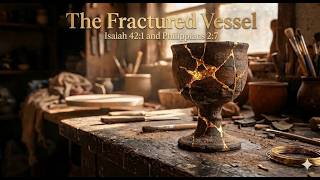
Siehe, das ist mein Knecht, auf den ich mich verlassen kann, mein Auserwählter, an welchem meine Seele Wohlgefallen hat. Ich habe meinen Geist auf ihn gelegt; er wird das Recht zu den Völkern hinaustragen. — Jesaja 42:1
sondern sich selbst entäußerte, die Gestalt eines Knechtes annahm und den Menschen ähnlich wurde, — Philipper 2:7
Zusammenfassung: Die grundlegende Wahrheit für Gläubige offenbart Gottes Wesen und seinen Heilsweg als radikal verschieden von menschlichen Erwartungen, gipfelnd im Diener, Jesus Christus. Dieser Diener bringt Gerechtigkeit nicht durch Macht, sondern durch tiefe Demut, indem er sich selbst entäußert, um die Gestalt eines Knechtes anzunehmen, ja, bis zum Tod. Christi selbstloser Gehorsam untergräbt alle menschlichen Machtsysteme und zeigt, dass wahre Größe in radikalem, sich selbst hingebendem Dienst liegt. Diese Demut und Selbsthingabe sind das eigentliche Wesen Gottes. Gläubige sind daher berufen, diese „Gesinnung Christi“ zu verkörpern, indem sie selbstsüchtige Ambitionen ablehnen, andere wertschätzen und den Marginalisierten dienen, letztlich Macht abgeben, um andere aufzurichten und wiederherzustellen.
Die grundlegende Wahrheit für Gläubige, die sich machtvoll durch die Schriften zieht, ist, dass Gottes Wesen und sein Heilsweg sich radikal von menschlichen Erwartungen unterscheiden. Zentral für dieses Verständnis ist das Konzept des Dieners, ein tiefes theologisches Motiv, das im Leben, Tod und in der Erhöhung Jesu Christi gipfelt. Dieses göttliche Muster ruft uns zu einer radikalen Neuorientierung unseres eigenen Lebens und unserer Prioritäten auf.
Aus alten Prophezeiungen erfahren wir von einem erwählten Diener, von Gott gestützt und geliebt, auf dem der göttliche Geist ruht. Die Mission dieses Dieners ist es, ganzheitliche Gerechtigkeit und Wiederherstellung zu allen Völkern zu bringen, nicht durch aggressive Macht, sondern durch eine erstaunliche Methodik der Sanftheit. Im Gegensatz zu irdischen Herrschern, die zu dominieren suchen, schreit dieser Diener nicht und zerschlägt die Zerbrechlichen nicht. Vielmehr pflegt er zärtlich das Geknickte und facht den schwächsten Funken zur Flamme an und demonstriert dabei eine von Liebe gezügelte Kraft. Diese stille, beharrliche Treue, die beständig Gottes gerechte Herrschaft verfolgt, wird zu einem Bauplan für unser eigenes Verhalten.
Die tiefe Demut Christi wird durch die Sprache betont, die seine Menschwerdung beschreibt. Während alte Texte von einem geehrten Begleiter oder geliebten Sohn sprachen, stellt das Neue Testament Christus bewusst so dar, wie er die Gestalt eines Knechtes annimmt, eine Bezeichnung, die absolute soziale Erniedrigung und völlige Autonomielosigkeit in der griechisch-römischen Welt bedeutet. Diese eindringliche Wahl veranschaulicht die unglaubliche Tiefe seines Abstiegs von göttlicher Herrlichkeit zum niedrigsten menschlichen Stand. Er wurde nicht nur Mensch; er nahm bereitwillig die am meisten marginalisierte und machtloseste Form der Menschheit an.
Diese Selbstentäußerung, oder „Kenosis“, war keine Minderung von Christi göttlicher Natur, sondern ein aktives Ausgießen seiner selbst in selbstlosem Gehorsam. Es war ein Zustandswechsel, eine Annahme menschlicher Begrenzung um der Erlösung der Menschheit willen. Diese Tat fordert unsere weltlichen Vorstellungen von Führung und Macht direkt heraus. Im Gegensatz zum ersten Adam, der nach Gleichheit mit Gott griff, oder arroganten irdischen Kaisern, die Göttlichkeit zur Selbstverherrlichung beanspruchten, weigerte sich Christus, obwohl wahrhaft Gott, seinen göttlichen Status auszunutzen. Er wählte stattdessen den Weg des vollkommenen Gehorsams, ja, bis zum schändlichen Tod eines gekreuzigten Sklaven. Wegen dieser unvergleichlichen Demut und Selbstaufopferung hat Gott ihn überaus erhöht und ihm die höchste Autorität und universelle Herrschaft verliehen. Diese Erzählung untergräbt alle menschlichen Machtsysteme und offenbart, dass wahre Größe nicht in Selbstdarstellung, sondern in radikalem, sich selbst hingebendem Dienst liegt.
Tatsächlich sind die Demut und Selbsthingabe Christi nicht bloß ein Beispiel für uns; sie sind das eigentliche Wesen von Gottes offenbartem Charakter. Sein Abstieg in die Gestalt eines Knechtes ist genau das, was es bedeutet, Gott zu sein – ein Gott, dessen Majestät in Beziehung offenbart wird, dessen Macht in Schwachheit manifestiert wird und der am wahrhaftigsten Gott ist, wenn er sich selbst in Liebe für die Schöpfung ausgießt.
Für Gläubige dient diese theologische Realität als unser nicht verhandelbares ethisches Fundament. Wir sind befohlen, diese „Gesinnung Christi“ in unseren Gemeinschaften und in der Welt zu verkörpern. Dies bedeutet, selbstsüchtige Ambitionen und eitlen Stolz aktiv abzulehnen, Demut zu kultivieren und andere bewusst über uns selbst zu stellen. Der sanfte, zärtliche Geist des Dieners, der das geknickte Rohr nicht zerbrach, muss unsere Interaktionen kennzeichnen. Wahre geistliche Autorität und Einfluss finden sich im Dienen der Marginalisierten, im Aufrechterhalten der Verletzlichen und im Stärken derer, die nach weltlichen Maßstäben als schwach gelten. Diese kreuzförmige Liebe, von Christus perfekt vorgelebt, ruft uns dazu auf, unsere eigene Macht, unser Privileg und unsere Rechte bewusst abzugeben, um andere aufzurichten und wiederherzustellen, letztlich Zeugnis abzulegen von einem Reich, in dem göttliche Herrlichkeit ewig in Form von opferbereiter Liebe und demütigem Dienst offenbart wird.
Was denkst du?
Was denkst du über "Der Weg der göttlichen Demut: Das dienende Herz annehmen"?
Verwandte Inhalte
Der Formungsprozess Christi
Jesaja 42:1 • Philipper 2:7
Wir setzen unser Studium fort, wo die Mutter der Söhne des Zebedäus sich dem Herrn nähert und ihn um einen bevorzugten Platz zu Seiner Linken und Rech...
Exegetisches Und Theologisches Zusammenspiel Zwischen Jesaja 42,1 Und Philipper 2,7: Das Knechtsmotiv, Die Kenosis Und Die Neudefinition Göttlicher Identität
Jesaja 42:1 • Philipper 2:7
Einleitung Die theologische Architektur des Neuen Testaments ist untrennbar mit dem narrativen Rahmen, der prophetischen Erwartung und dem sprachlich...
Im Kontext lesen
Klicken Sie, um die Verse in ihrem vollständigen Kontext zu sehen.
Lied (Andere Sprachen)
The Fractured Vessel